Listen to this article
Preventable cancers represent a significant public health challenge, with the World Health Organization estimating that seven million cancer cases each year could be avoided. This striking statistic underlines the crucial role of addressing preventable cancer causes, including infections, lifestyle choices, and environmental factors. By implementing effective cancer prevention tips and adopting lifestyle changes for cancer prevention, individuals can significantly reduce their cancer risk. The recent WHO cancer report sheds light on this critical issue, revealing the opportunities available for communities to improve health outcomes. Tackling these preventable causes is not merely an option but a necessity to transform the lives of millions globally.
The term “modifiable cancers” highlights the spectrum of cancer types that can potentially be prevented through targeted interventions. Many of these conditions arise from factors that individuals can control or influence, such as dietary habits, physical activity levels, and exposure to harmful substances. Evidence suggests that a substantial fraction of cancer cases is linked to behaviors and environments that can be altered, presenting a unique opportunity for public health initiatives. Researchers have identified common risk factors, including smoking, alcohol consumption, and infections, all of which can be managed effectively through comprehensive cancer prevention efforts. By focusing on these avoidable risks, society can work towards decreasing the incidence of cancer and improving overall health outcomes.
Understanding Preventable Cancers: Key Insights from WHO’s Report
The recent report from the World Health Organization (WHO) presents a compelling narrative about preventable cancers, highlighting that approximately 37% of cancer cases can be linked to preventable causes. This analysis provides a clear understanding of different factors such as infections, lifestyle choices, and environmental exposures that contribute to cancer development. The report emphasizes that around seven million annual cancer cases could be avoided through targeted interventions, emphasizing lifestyle changes for cancer prevention.
One significant takeaway is the identification of key contributors to preventable cancers, such as smoking, obesity, and infections like HPV. With these factors being modifiable, it creates a powerful opportunity for society to implement cancer prevention tips aimed at reducing cancer risk. By raising awareness and encouraging preventative measures like vaccination programs for HPV and anti-smoking policies, we can significantly reduce the preventable cancer burden as outlined by WHO.
Reducing Cancer Risk Through Lifestyle Changes
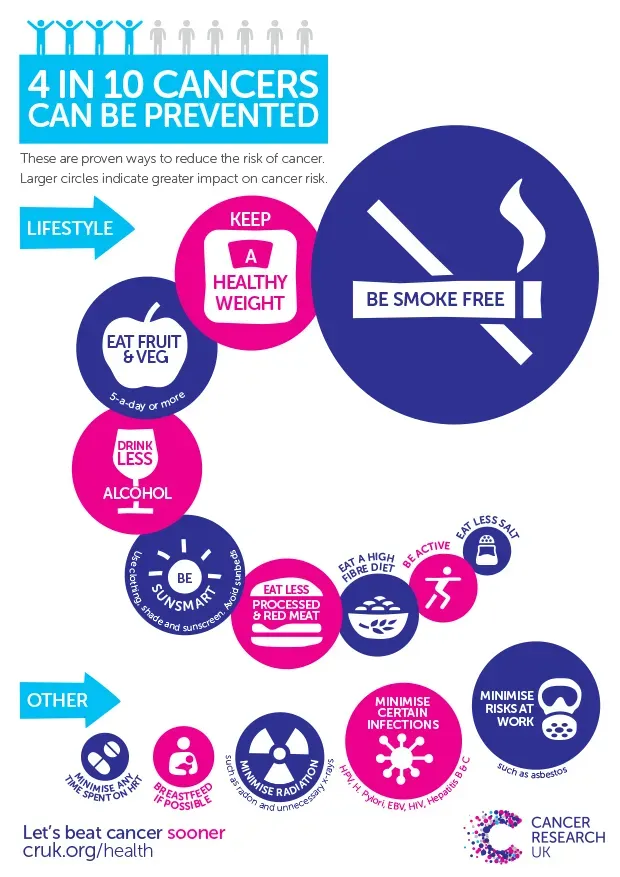
Implementing lifestyle changes is integral to reducing cancer risk, as highlighted in the WHO report. Simple modifications, such as incorporating regular physical activity, adopting a balanced diet, and quitting smoking, can make a significant difference in cancer prevention strategies. These lifestyle adjustments not only mitigate the risk factors outlined but also enhance overall health, leading to better quality of life and longevity.
Furthermore, it’s essential to understand that lifestyle changes must be tailored to individual and regional needs. For example, in areas with high rates of smoking and alcohol consumption, targeted educational campaigns can help foster healthier choices. Similarly, in regions where infections are the primary cause of cancer, increasing vaccination coverage against HPV could drastically reduce instances of cervical cancer. Awareness and education are crucial for making informed decisions that can lead to significant outcomes in reducing preventable cancers.
The Role of Infections in Preventable Cancers
Infections play a pivotal role in contributing to preventable cancers, a fact underscored by WHO’s comprehensive analysis. Notably, viruses like HPV and hepatitis are direct causes of cancer, with HPV being responsible for the majority of cervical cancer cases globally. The report emphasizes the importance of recognizing these infectious causes as preventable through vaccination and appropriate medical interventions, which could save millions of lives each year.
Moreover, the prevalence of infections that lead to cancers varies by geographic location, warranting targeted public health strategies. For instance, in sub-Saharan Africa, the majority of women’s preventable cancers are associated with infectious agents. Addressing these specific health challenges by increasing access to vaccines and ensuring widespread education about these prevention methods can create a substantial impact on cancer outcomes.
Behavioral and Environmental Factors in Cancer Prevention
Beyond lifestyle changes and infectious agents, behavioral and environmental factors also significantly contribute to cancer risk. The WHO report outlines how aspects such as air pollution, UV radiation, and sedentary behavior can exacerbate the chances of developing cancer. Recognizing these environmental hazards is vital in crafting effective public health campaigns focused on cancer prevention and risk reduction.
To effectively tackle these behavioral and environmental causes of cancer, collaboration between government entities and health organizations is essential. Implementing regulations to mitigate air pollution, encouraging outdoor activity in safe environments, and promoting the importance of sun protection can substantially decrease the rates of preventable cancers. By addressing both behavioral and environmental factors collectively, we can create a holistic approach to cancer prevention.
Tailored Cancer Prevention Strategies: A Global Perspective
The WHO report emphasizes the need for tailored cancer prevention strategies that account for regional differences in cancer prevalence and causes. For instance, the stark contrast between preventable cancers in men and women highlights the necessity for gender-specific approaches to education and intervention. Countries with high rates of smoking among men may need stricter tobacco control measures, while those with high infection rates might prioritize vaccination outreach.
Additionally, understanding cultural and socioeconomic factors that influence health behaviors is crucial for developing effective cancer prevention programs. By customizing these strategies to fit the unique circumstances of each region or demographic, health officials can more effectively engage communities and promote practices that lead to reduced cancer risk and improved public health outcomes.
Empowering Communities Through Education on Cancer
Educating communities about cancer prevention is paramount, as highlighted in the WHO report. With a focus on understanding preventable cancer causes, community awareness campaigns can be instrumental in fostering healthier lifestyles. Programs that educate individuals about the risks associated with smoking, poor diet, and sedentary behavior can empower results-oriented lifestyle changes that align with cancer prevention tips.
Moreover, community engagement should also include education around infections that cause cancer. By promoting awareness of HPV and the importance of vaccinations, communities can proactively protect their health and minimize cancer risk. Efforts to disseminate this information through schools, healthcare facilities, and public health platforms are critical in creating a culture of prevention and vigilance against cancer.
Global Cooperation in Cancer Prevention Initiatives
The WHO report advocates for global cooperation in managing cancer prevention effectively. Collaborative efforts between countries can lead to the establishment of best practices regarding cancer control policies, vaccination programs, and awareness campaigns. By sharing successful strategies, nations can collectively address the preventable cancer burden and reduce global cancer cases over time.
International partnerships can also enhance research and development on cancer-data collection and analysis, ensuring we are well-informed about the factors contributing to cancer prevalence. By pooling resources and expertise, countries can implement evidence-based interventions to combat cancer, emphasizing the need for a united global front in promoting health and reducing avoidable cancer cases.
The Promising Future of Cancer Control Advancements
Advancements in cancer control and prevention present a hopeful future, as indicated by the WHO report findings. The potential for decreasing the number of preventable cancer cases relies heavily on public health policies that target the leading risk factors identified in the report. Innovations in medical interventions, such as improved vaccines and public health outreach programs, hold significant promise for reducing cancer rates globally.
Furthermore, technological advancements in data analysis and health informatics enable health organizations to track progress and swiftly adapt strategies as needed. With ongoing scientific research and commitment to reducing cancer risk through actionable lifestyle changes and effective public health policies, it is plausible to envision a future where preventable cancers become increasingly rare.
Addressing Social Determinants in Cancer Prevention
The WHO report sheds light on the importance of addressing social determinants of health in cancer prevention strategies. Factors such as income, education, and access to healthcare significantly influence an individual’s ability to combat cancer risk effectively. By ensuring equitable access to cancer prevention resources and education, we can drastically improve the outlook for populations disproportionately affected by preventable cancers.
Efforts to understand and mitigate these social determinants must form a core part of public health initiatives aimed at reducing cancer risk. By creating policies that promote health equity and addressing systemic barriers to healthcare access, we can ensure all community members are empowered to take control of their health and make informed choices to prevent cancer.
Frequently Asked Questions
What are the main preventable cancer causes according to the WHO report?
The WHO report identifies several major preventable cancer causes, including tobacco use, infectious agents (such as HPV and hepatitis viruses), alcohol consumption, obesity, and exposure to environmental pollutants like air pollution and ultraviolet (UV) radiation. By addressing these lifestyle choices and environmental factors, we can significantly reduce cancer risk globally.
How can I implement lifestyle changes for cancer prevention?
To effectively implement lifestyle changes for cancer prevention, focus on quitting smoking, reducing alcohol intake, maintaining a healthy weight, engaging in regular physical activity, and protecting yourself from UV radiation. Additionally, ensure vaccinations against preventable infections, such as HPV, which can lead to cervical cancer, align with cancer prevention tips from health experts.
What are some effective cancer prevention tips highlighted in the WHO cancer report?
Effective cancer prevention tips from the WHO cancer report include avoiding tobacco smoke, getting vaccinated against HPV and hepatitis, maintaining a healthy diet rich in fruits and vegetables, engaging in regular physical activity, and minimizing exposure to environmental pollutants. These strategies target the key preventable cancer causes identified in the report, aiming to lower overall cancer risk.
What role do infections play in preventable cancers?
Infections account for a significant portion of preventable cancers, contributing to approximately 2.3 million cases yearly. Infections like HPV and hepatitis B/C can lead to cancers such as cervical and liver cancer, respectively. Vaccination and public health campaigns targeting these infections are vital in reducing cancer risk and incidence worldwide.
How does the WHO report inform strategies for reducing cancer risk?
The WHO report provides critical insights into the preventable causes of cancer, paving the way for targeted strategies aimed at reducing cancer risk. By highlighting the relationship between lifestyle choices, infections, and cancers, the report encourages tailored public health initiatives that focus on prevention, vaccination programs, and awareness campaigns to tackle the leading preventable cancer causes in different regions.
What significant disparities exist in preventable cancers between genders?
There is a notable gender disparity in preventable cancers, with 45% of cancers in men being preventable compared to 30% in women. This difference is largely attributed to higher smoking rates among men, along with varying exposure to infections and lifestyle choices that influence cancer risks in different populations.
Can reducing cancer risk through lifestyle changes really make a difference?
Yes, reducing cancer risk through lifestyle changes can significantly impact cancer incidence. The WHO reports that millions of cancer cases could be prevented each year by addressing key risk factors such as smoking, infections, and obesity. Implementing public health policies that promote these changes is essential to transforming cancer prevention efforts globally.
How can environmental pollutants contribute to preventable cancers?
Environmental pollutants, including air pollution and UV radiation, can activate dormant cancer cells and contribute to DNA damage, increasing cancer risk. By reducing exposure to these pollutants and adopting measures to improve air quality and sun safety, we can effectively minimize the risk of developing cancer linked to environmental factors.
| Key Points | Details |
|---|---|
| Preventable Cancers | 7 million cases of cancer can be prevented each year as per WHO reports. |
| Causes | 37% of cancers are linked to infections, lifestyle choices, and environmental factors that can be avoided. |
| Key Contributors | Major factors include smoking (3.3 million cases), infections (2.3 million cases), and alcohol consumption (700,000 cases). |
| Gender Disparity | 45% of cancers in men are preventable compared to 30% in women, largely due to smoking rates. |
| Regional Variations | In women in Europe, smoking, infections, and obesity are top preventable causes. In Africa, infections account for nearly 80% of preventable cancers. |
| Opportunities for Change | The study highlights the potential for reducing the global cancer burden by addressing preventable causes through policy and vaccination. |
Summary
Preventable cancers present an opportunity to save millions of lives each year, with significant evidence showing that about 37% of all cancer cases are caused by avoidable factors. By focusing on infectious diseases, lifestyle choices such as smoking and alcohol consumption, and environmental influences, strategies can be tailored to effectively reduce cancer incidence globally. This landmark analysis by the WHO underlines the need for public health initiatives to combat these risks and improve health outcomes.