Listen to this article
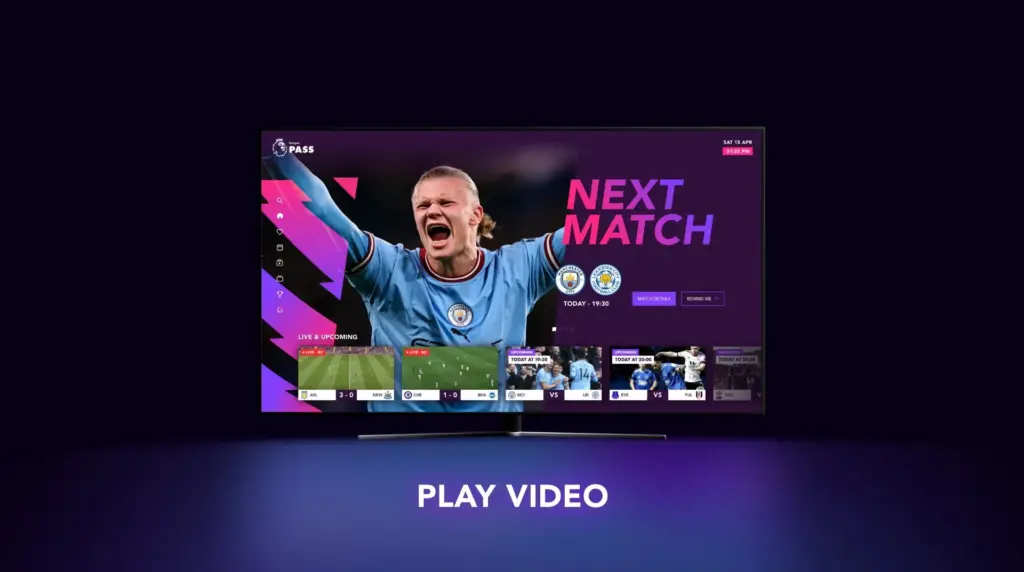
The Premier League streaming service is set to revolutionize the way fans experience football, launching its first direct-to-consumer platform in Singapore. This innovative service seeks to provide live Premier League broadcasts, including the long-debated 3pm kick-offs on Saturdays, which have traditionally been blacked out to protect match attendance. As the Premier League explores new broadcasting rights in sports, industry experts suggest that this initiative could mark a significant shift in how fans engage with their favorite teams. With the Premier League’s previous broadcasting agreements being worth billions, this new streaming option aims to capture the changing dynamics of sports consumption. However, there are concerns about the potential financial impact on fans, especially in an era where entertainment budgets are increasingly scrutinized.
Introducing a new era in sports entertainment, the Premier League’s direct-to-consumer streaming option is gaining attention for its potential to host live broadcasts of matches previously unavailable to fans. In a bold move to adapt to the modern viewing landscape, this platform may soon allow access to Premier League 3pm kick-offs, challenging the longstanding blackout rules. As mainstream broadcasters grapple with declining audiences, the implications of this shift in broadcasting rights in sports become increasingly critical. With digital access on the rise, the Premier League’s foray into streaming promises exciting possibilities for fans seeking more flexible viewing options. However, it’s essential to consider how this evolution might affect the financial landscape for supporters accustomed to traditional viewing arrangements.
The Future of Premier League Streaming Services
The Premier League’s decision to launch a direct-to-consumer streaming service marks a significant shift in how fans will consume live Premier League broadcasts. This innovative platform aims to connect seamlessly with the global audience while maintaining the essential relationships with traditional broadcasters like Sky Sports. As the Premier League seeks to enhance viewer engagement, this streaming service could cater to a growing demand for alternative viewing options, especially among younger audiences who favor on-demand services.
Moving forward, the introduction of a Premier League streaming service also highlights the league’s exploration into other aspects of direct-to-consumer sports streaming. With the potential to broadcast all 380 season matches, including previously blacked-out 3pm kick-offs, the Premier League is poised to tap into an entirely new revenue stream, which could complement existing broadcasting rights. This shift could lead to an exciting evolution in how fans interact with their favorite teams and enjoy live matches.
Understanding the 3pm Kick-Off Blackout
The longstanding 3pm kick-off blackout rule has been a staple in British football, aimed at maintaining attendance at local matches by preventing live broadcasts during this timeslot. However, recent discussions surrounding the Premier League’s streaming service bring this practice into question. Industry experts, such as Minal Modha, suggest that while protecting broadcasting rights is paramount, the league is now considering operational models that might eventually lead to the lifting of this blackout.
As fans eagerly await future developments, they find themselves navigating a complex landscape where the demand for live Premier League broadcasts continues to grow. Balancing the interests of broadcasters with fan preferences will be crucial. If the blackout is lifted, there may be consequences for match attendance and the viability of lower leagues; hence, a careful approach will be required to ensure that all stakeholders are satisfied.
The Impact of Broadcasting Rights on Premier League Fans
Broadcasting rights in sports, particularly in the Premier League, have direct implications for how fans access games and experience the league as a whole. The current agreements between the Premier League and broadcasters like Sky Sports and TNT Sports demonstrate the financial pressures that inform these rights deals. Despite the Premier League’s desire to offer more content directly to consumers, maintaining positive relations with traditional broadcasters is essential to protect the existing financial model.
The ongoing evolution of broadcasting rights will influence how fans access Premier League content. With Sky Sports currently controlling a substantial number of matches, any attempts by the league to diversify its streaming offerings must be executed thoughtfully to avoid alienating its major partners. This delicate balance between innovation and responsibility will ultimately determine how fans engage with Premier League matches going forward.
Potential Risks of Lifting the Blackout
While there is potential for increased viewership with the lifting of the 3pm blackout, risks accompany such a shift. The primary concern lies in the impact on match attendance; allowing broadcasts during peak attendance times could reduce the incentive for fans to attend live games, ultimately altering the traditional football experience. The Football Supporters Association (FSA) emphasizes the importance of keeping the blackout to protect the integrity of the game at all levels.
Moreover, changing this long-standing rule could incite backlash from passionate supporters who value their matchday experience. Ensuring a fair balance of interests while considering the economic and cultural ramifications within the sport is paramount as the Premier League navigates this complex issue.
Exploring Direct-to-Consumer Sports Streaming
With the rise of direct-to-consumer sports streaming, leagues worldwide are adapting to modern viewing habits. The Premier League’s initiative to test its streaming service opens doors to new revenue avenues while also providing fans with alternative methods to watch their favorite teams. This trend reflects a broader shift in consumer behavior, where accessibility and convenience are prioritized in entertainment consumption.
However, the move towards direct-to-consumer models introduces competitive dynamics between established broadcasters and emerging streaming platforms. As seen in other sports leagues, such as Formula 1 with F1 TV Pro, the transition can serve strategic purposes — either as leverage in negotiations or as a new revenue stream. The Premier League must tread carefully to maintain its current broadcasting agreements while innovating to meet fan demand.
Finances, Ticket Prices, and Sports Subscriptions
In an era where financial pressures are mounting for many families, the introduction of additional sports subscriptions raises concerns about affordability. With rising costs in daily living, consumers are compelled to evaluate their entertainment options carefully, including the potential for multiple subscriptions for sports events. The Premier League’s potential direct-to-consumer streaming service must consider this financial reality when pricing its offerings.
Balancing the need for revenue generation with fan affordability will be key as the league rolls out new streaming options. Understanding that many fans may choose to prioritize essential expenditures over subscription costs will be crucial for ensuring that a new streaming service operates effectively within an already crowded market.
Public Reception and Fan Sentiment
Polling from Mirror Football indicates that fans might have mixed feelings regarding shifts in broadcasting policies, particularly around the 3pm fixture list. While some may welcome the opportunity to watch more games on a direct-to-consumer platform, others worry about the implications for their local clubs and match attendance. The Premier League must assess and address these sentiments as they design their streaming future.
Fan engagement will play a pivotal role in determining the success of the Premier League’s streaming service. Listening to supporter feedback and concerns will be essential in crafting a product that resonates with the passionate fanbase, ensuring that the new platform supports the league’s long-term sustainability and community involvement.
Navigating the Future of Sports Broadcasting
The broadcasting landscape in sports is changing, with leagues increasingly seeking to establish direct connections with their fanbases through innovative streaming services. As the Premier League ventures into this realm, it is vital to monitor trends and shifts in consumer behavior. Understanding what fans truly desire from their viewing experiences will facilitate a more tailored approach to game broadcasts.
At the same time, the Premier League’s navigational tactics must consider existing partnerships with broadcasters to mitigate any negative repercussions. Striking a balance between embracing new technologies and respecting traditional models will define the league’s approach to sports broadcasting in the coming years.
Looking Ahead: What the Future Holds for the Premier League
As the Premier League prepares to launch its streaming service, fans are left pondering what this will mean for the future of televised football. The ongoing evolution of sports broadcasting suggests a nuanced landscape where flexibility and responsiveness will be key. Engaging with emerging technologies while respecting established practices will shape which strategies the league adopts.
In conclusion, the Premier League stands at a crucial crossroads. As it aims to modernize its broadcast offerings and cater to diverse consumer preferences, aligning initiatives with broader goals of sustainability and fan engagement will be imperative. Keeping the needs of supporters at heart, the Premier League can thrive in a rapidly shifting sporting environment.
Frequently Asked Questions
What is the new Premier League streaming service and how does it work?
The new Premier League streaming service, known as Premier League +, is a direct-to-consumer platform that will allow fans to access all 380 live Premier League broadcasts, including potential 3pm kick-offs on Saturdays. This service is currently being tested in Singapore.
Will Premier League fans see a change in the 3pm blackout rule with the new streaming service?
The implementation of the Premier League streaming service may lead to discussions about lifting the historic 3pm blackout rule in the UK. However, any changes are likely to occur after the current broadcasting rights cycle, concluding in 2029.
How does the Premier League streaming service affect existing broadcasting rights with Sky Sports and TNT?
The launch of the Premier League streaming service is designed to complement existing broadcasting agreements with Sky Sports and TNT Sports, ensuring it does not negatively impact their £6.7 billion funding. The Premier League is keen to avoid competition with these broadcasters, particularly regarding scheduling.
Can fans access live Premier League broadcasts through the new direct-to-consumer service in the UK?
Currently, the Premier League’s direct-to-consumer streaming service will only be available in Singapore. UK fans may have to wait until after 2029 for potential access to live Premier League broadcasts, particularly 3pm kick-offs, as the league navigates its relationship with existing broadcasters.
What are the implications of the Premier League streaming service for sports broadcasting in general?
The introduction of a direct-to-consumer platform like Premier League + signals a potential shift in sports broadcasting, especially as it attempts to compete with traditional broadcasters while exploring new revenue streams. This could influence how broadcasting rights in sports evolve in the future.
Why is the Premier League considering a direct-to-consumer streaming model?
The Premier League is exploring a direct-to-consumer streaming model as a strategy to future-proof its business amidst challenges in the sports rights market. This approach allows them to reach fans directly while still maintaining healthy partnerships with broadcasters.
What are the potential risks of removing the 3pm blackout in the UK?
If the Premier League decides to lift the 3pm blackout, it risks impacting match attendance for lower leagues, which would likely be met with resistance from fan groups. Additionally, it could lead to more expensive subscriptions for fans in an already financially pressured environment.
How might the Premier League’s streaming service influence ticket sales for live matches?
The launch of the Premier League streaming service could potentially decrease ticket sales for live matches, especially if fans become accustomed to watching games from home. The Premier League will need to balance broadcasting revenues with match attendance, which has historically benefitted from the 3pm blackout.
| Key Point | Details |
|---|---|
| Launch of Streaming Service | The Premier League is set to launch ‘Premier League +’ in Singapore next season. |
| 3pm Kick-Offs | The streaming service could allow live broadcasting of the controversial 3pm Saturday matches. |
| Sky Sports Role | Sky Sports invests heavily in the Premier League, holding rights to 215 games. |
| Financial Concerns | The current broadcast deal is worth £1.675 billion annually, down from £1.713 billion between 2016-2019. |
| Industry Expert Insights | Experts suggest the streaming plan could test market viability without disrupting existing contracts. |
| Impact on Lower Leagues | Concerns regarding how the lifting of the blackout could affect match attendance and lower league clubs. |
| Consumer Demand | With rising costs, it’s uncertain if fans will be willing to pay for another subscription. |
Summary
The Premier League streaming service represents a pivotal shift in how fans engage with the sport. As the league explores new direct-to-consumer models, fans need to stay informed about the implications for match viewing, especially regarding the famous 3pm blackout and its potential removal. Although there are financial considerations and the need to maintain broadcaster relationships, the introduction of a Premier League streaming service could ultimately enhance the viewing experience, making it essential for fans to adapt to this evolving landscape.