Listen to this article
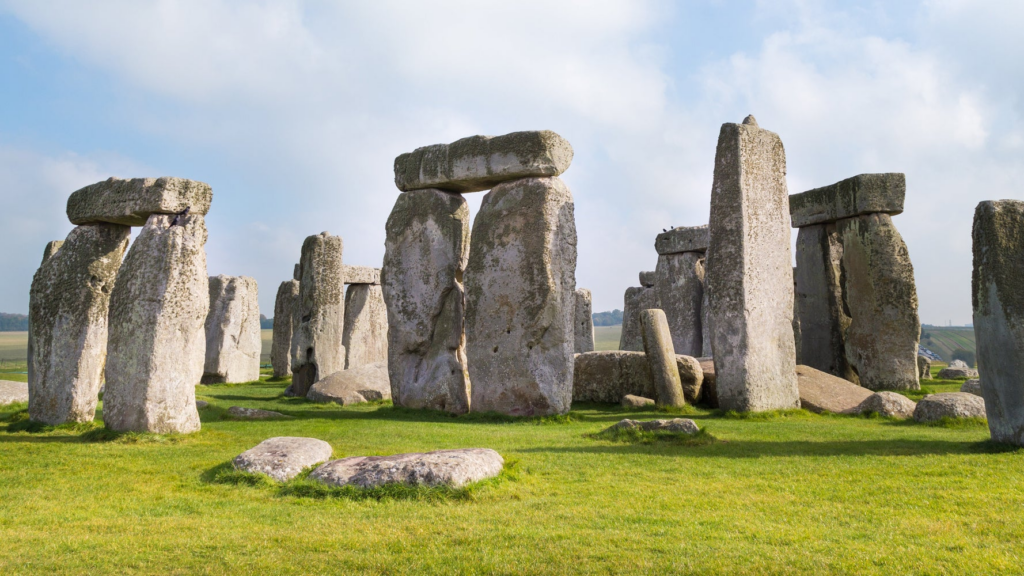
The prehistoric structure Stonehenge has long captivated historians and archaeologists, and recent discoveries continue to shed light on its significance. Located in Wiltshire, the Stonehenge World Heritage Site has revealed a remarkable find: a series of large Neolithic pits, known as Durrington Walls, adjacent to this ancient monument. These massive pits, each measuring ten meters in diameter and over five meters deep, are believed to be man-made and over 4,000 years old, showcasing the engineering prowess of early civilizations in Britain. The meticulous alignment of these pits indicates a profound understanding of spatial organization and cosmology among the people who inhabited this region. As archaeological findings in Wiltshire unveil the complexities of prehistoric societies, Stonehenge and its surroundings deepen our understanding of their cultural and ritual practices.
The ancient landmark known as Stonehenge stands as a testament to the ingenuity of early humans who shaped their world through monumental structures. Recent investigative dives into the area surrounding this iconic site have unearthed Durrington Walls, a series of gigantic Neolithic pits that offer a glimpse into the lives of prehistoric communities. This remarkable archaeological discovery not only emphasizes the site’s importance within the broader context of ancient monuments in Britain but also highlights the meticulous planning and labor invested in their creation. As we delve into these enigma-riddled constructions, we find that they are closely linked to the broader cultural narratives of the Neolithic era. The ongoing exploration of these sites enriches our understanding of the ceremonial practices and social dynamics that thrived in this unique landscape.
The Significance of Durrington Walls Discovery
The recent discovery at Durrington Walls, adjacent to the iconic Stonehenge World Heritage Site, unveils a substantial series of Neolithic pits that may redefine our understanding of prehistoric Britain. These monumental pits, intricately created, span ten meters in diameter and more than five meters deep. With their regular spacing and cohesive formation, they are hypothesized to be one of the most significant prehistoric structures discovered in the region, possibly overshadowing other ancient monuments in Britain.
Professor Vince Gaffney’s findings suggest that these pits are not random but represent a calculated effort by Neolithic peoples to create a structure that embodies their cosmological beliefs and measurement systems. This suggests a level of sophistication and understanding of spatial dynamics among early human communities, reinforcing the importance of Durrington Walls in the broader narrative of ancient British civilization.
Exploring Neolithic Pits and Their Construction
The Neolithic pits uncovered at Durrington Walls reflect extraordinary engineering skills and communal effort—necessary to dig holes approximately two stories deep into the challenging chalk landscape of Wiltshire. From initial surveys covering vast areas to detailed analyses of the sediment, the research detailed in the Internet Archaeology Journal highlights the methodical approach of these ancient peoples. The accuracy with which the pits were dug suggests a standardized practice, which may have involved careful planning and possibly even communal rituals surrounding their construction.
Beyond mere physical constructs, these pits are pivotal to understanding the social fabric of Neolithic societies. The discovery of animal DNA, including remains of sheep and cattle, indicates that these pits were not only monuments but may have had ceremonial or communal functions, possibly tied to agricultural practices of the era. This dual purpose highlights the interconnectedness of society, ritual, and environment, showcasing how ancient peoples interacted with their landscape and each other.
The Role of Technology in Uncovering Ancient Monuments
Recent advances in archaeological technology have played a crucial role in the discovery and analysis of the pits at Durrington Walls. Techniques such as luminescence dating, which allows researchers to determine the last time sediment was exposed to light, have provided unprecedented insights into the chronology of this site. Dr. Tim Kinnaird’s application of this method not only dates the construction of the pits but illuminates the prolonged significance these features had over a millennium, highlighting their importance in the shifting cultural landscapes of ancient Britain.
Furthermore, the implementation of geophysical survey methods has allowed archaeologists to identify structures and features that are not immediately visible on the surface. The 12 square kilometers surveyed provide a comprehensive view of the ancient landscape, emphasizing the potential for further discoveries in the Stonehenge area. The continuous evolution of archaeological methodologies enables a deeper understanding of human history, particularly within rich archaeological contexts like Wiltshire.
Connection Between Durrington Walls and Stonehenge
Durrington Walls and its proximity to Stonehenge speaks volumes about the interconnectedness of Neolithic sites in Britain. Researchers, including Professor Gaffney, have posited that the horseshoe-shaped arrangement of these pits could relate closely to the practices and beliefs surrounding Stonehenge, suggesting they may have served similar ceremonial purposes. This relationship facilitates a dialogue between the two structures, capturing the essence of prehistoric spirituality and community identity through their architectural expressions.
Such findings not only enhance our understanding of individual sites but also enrich the narrative surrounding the broader landscape of the Stonehenge World Heritage Site. The ritualistic practices likely seen at both locations represent an intricate web of cultural and spiritual beliefs that have persisted through millennia, extending our awareness of human engagement with the landscape in profound ways. This exploration ultimately reveals complex societal structures and shared beliefs that permeated ancient Britain.
Understanding Ancient Cosmologies Through Excavation
The recent excavation of pits at Durrington Walls sheds light on the cosmological beliefs held by Neolithic societies. The careful alignment of these pits suggests that they may have been created with astrological or ritualistic significance, echoing the phenomena seen at Stonehenge. Professor Gaffney’s assertion that these pits inscribe aspects of their cultural beliefs into the earth showcases how monumental structures served as physical representations of abstract ideologies.
This connection between earth and cosmology reinforces the concept that ancient peoples possessed sophisticated understanding and reverence for their world. By analyzing the structure and orientation of these pits alongside their historical context, researchers can begin to reconstruct the belief systems that guided the actions and decisions of prehistoric communities. Such insights contribute significantly to our understanding of not only the sites themselves but also the broader cultural landscape of ancient Britain.
The Cultural Landscape of Wiltshire and Its Monuments
Wiltshire’s cultural landscape is defined by a rich tapestry of ancient monuments, including the world-renowned Stonehenge, Durrington Walls, and countless other structures that dot the region. Each site contributes a unique fragment to the history of human civilization, illustrating the complex interactions between people and their surroundings. The archaeological findings from Durrington Walls, particularly the large pits, add a new dimension to our understanding of this landscape, emphasizing the significance of communal spaces in Neolithic life.
As archaeological research evolves, sites like Durrington Walls continue to reveal layers of history that enlighten us about the social and cultural practices of ancient peoples. This ongoing exploration not only informs about the architectural achievements of these communities but also underscores their capacity for organizing social structures and rituals that are reflected in the landscape. Engaging with these monuments fosters a deeper appreciation of humanity’s historical journey, revealing the connections that transcend generations.
Implications of New Findings for Archaeology
The implications of the recent findings at Durrington Walls extend beyond the individual site, impacting archaeological methodologies and theories regarding prehistoric societies. As excavation techniques yield more data and novel insights are gleaned from advanced analysis, the established narratives surrounding ancient British civilizations are being reassessed. Such discoveries challenge historians and archaeologists alike to rethink the scale and intention behind monumental constructions like the pits at Durrington Walls and their associations with other significant sites, such as Stonehenge.
Additionally, these findings underscore the importance of interdisciplinary approaches in archaeology, integrating technology, biology, and historical analysis to form a well-rounded understanding of past human behaviors and societal structures. The ongoing study of Durrington Walls exemplifies how collaboration between disciplines can lead to groundbreaking revelations about ancient communities and their interactions with monumental landscapes. Such integrated research practices are essential as we continue to unlock the secrets of our prehistoric predecessors.
Preservation and Future Research in the Stonehenge Area
As the wealth of archaeological findings in the Stonehenge World Heritage Site grows, so too does the imperative for effective preservation strategies. Protecting sites such as Durrington Walls from the potential impacts of modern development and climate change is crucial to ensure their integrity for future generations. The insights gained from studying these pits must be leveraged to advocate for sustained preservation efforts, allowing continued research and education about these significant cultural landmarks.
Future research promises to delve deeper into the connections between Durrington Walls and other Neolithic monuments in Wiltshire. Ongoing excavations, surveys, and analysis can reveal more about the rituals and social dynamics of those who inhabited these landscapes thousands of years ago. Engagement with the local community and educational programs aimed at raising awareness can foster a collective responsibility in preserving these historical treasures. Protecting this archaeological legacy enriches our understanding of human history and the ties that bind us to our ancient past.
The Impact of Discovering Prehistoric Structures on Cultural Heritage
The discovery of prehistoric structures such as the pits at Durrington Walls has profound implications for cultural heritage and identity in Britain. These seismic findings contribute to our collective understanding of the past, highlighting the ingenuity and spirit of societies long gone. They serve as a potent reminder of the continuity of human activity in this landscape, ingraining a sense of shared belonging and cultural pride among current and future generations.
Moreover, the increasing interest in sites like Durrington Walls encourages public engagement with archaeology and history. Programs that promote the importance of these discoveries often lead to a greater public investment in their preservation and appreciation. By anchoring contemporary identities in a rich historical narrative, sites of ancient monuments in Britain like Durrington Walls foster a deeper connection between the past and present, ensuring that the stories of ancient peoples are cherished and remembered.
Frequently Asked Questions
What are the recent discoveries related to the prehistoric structure Stonehenge?
Recent discoveries at the Stonehenge World Heritage Site have confirmed the existence of massive Neolithic pits at Durrington Walls. These pits, which are over 4,000 years old, are considered one of the largest prehistoric structures in Britain and are significant archaeological findings in Wiltshire.
How do the Neolithic pits at Durrington Walls relate to Stonehenge?
The Neolithic pits at Durrington Walls are part of the prehistoric landscape surrounding the Stonehenge World Heritage Site. These pits are arranged in a cohesive structure, suggesting advanced planning and measurement practices among Neolithic peoples, linking them to the broader context of ancient monuments in Britain.
Why are the pits at Durrington Walls considered a significant archaeological finding?
The pits at Durrington Walls are significant because they represent one of the largest prehistoric constructions in Britain, providing insights into Neolithic construction techniques, cultural practices, and landscape use in the Stonehenge area, thus enriching our understanding of ancient monuments in Britain.
What methods were used to date the prehistoric structure at Durrington Walls?
The dating of the prehistoric structure at Durrington Walls involved analyzing sediment from the Neolithic pits using luminescence dating, which determines when the sediment was last exposed to light. This method confirmed that the pits date back over 4,000 years and were maintained for approximately 1,000 years.
How do the pits at Durrington Walls reflect the culture of Neolithic peoples?
The arrangement and depth of the pits at Durrington Walls indicate a sophisticated understanding of measurement and construction among Neolithic peoples. Their ability to create such a structure suggests they were inscribing their cosmology and belief systems into the earth, reflecting complex cultural practices that connected to the Stonehenge World Heritage Site.
What role do the Durrington Walls and its pits play in understanding ancient monuments in Britain?
Durrington Walls and its pits provide crucial insights into the architectural and cultural practices of Neolithic societies in Britain. Their connection to Stonehenge and other nearby ancient monuments highlights the region’s significance as a center of prehistoric activity and belief, shaping our understanding of their social and ritualistic customs.
Are there any animal remains found at the Neolithic pits near Stonehenge?
Yes, analyses of sediment samples from the Neolithic pits at Durrington Walls revealed remains of animals, including sheep and cattle. These findings not only aid in dating the pits but also offer a glimpse into the fauna present during the time these structures were created in the Stonehenge landscape.
How does the Durrington Walls discovery enhance the narrative of Stonehenge’s historical significance?
The discovery at Durrington Walls enhances the narrative of Stonehenge’s historical significance by showcasing the complexity of Neolithic construction and community organization. The existence of massive pits as part of the surrounding landscape suggests Stonehenge was part of a larger ceremonial and cultural framework, further solidifying its importance as an ancient monument in Britain.
| Key Point | Details |
|---|---|
| Discovery | Massive Neolithic pits confirmed at the Stonehenge World Heritage Site. |
| Size and Structure | Pits are 10m in diameter and over 5m deep; may be among the largest prehistoric structures in Britain. |
| Age | The pits are believed to be over 4,000 years old and man-made. |
| Alignment and Construction | Pits are aligned accurately at regular intervals, indicating advanced measurement techniques used by prehistoric people. |
| Research Methods | Sediment analysis and DNA extraction used to determine the age and contents of the pits. |
| Cultural Significance | Findings suggest a connection to belief systems and community organization in ancient times. |
| Related Structures | The pits are located near Woodhenge and are thought to connect to other monuments in the area, such as those near Larkhill. |
Summary
The prehistoric structure Stonehenge continues to reveal the complexities of ancient human civilization through recent discoveries like the massive pits found at Durrington Walls. These pits, over 4,000 years old, are believed to be man-made and represent significant efforts in construction and alignment, showcasing the sophisticated knowledge of ancient peoples in terms of spatial organization and cosmology. This discovery underlines the importance of Stonehenge not just as a monument but as a focal point for understanding the social and cultural practices of Neolithic communities.