Listen to this article
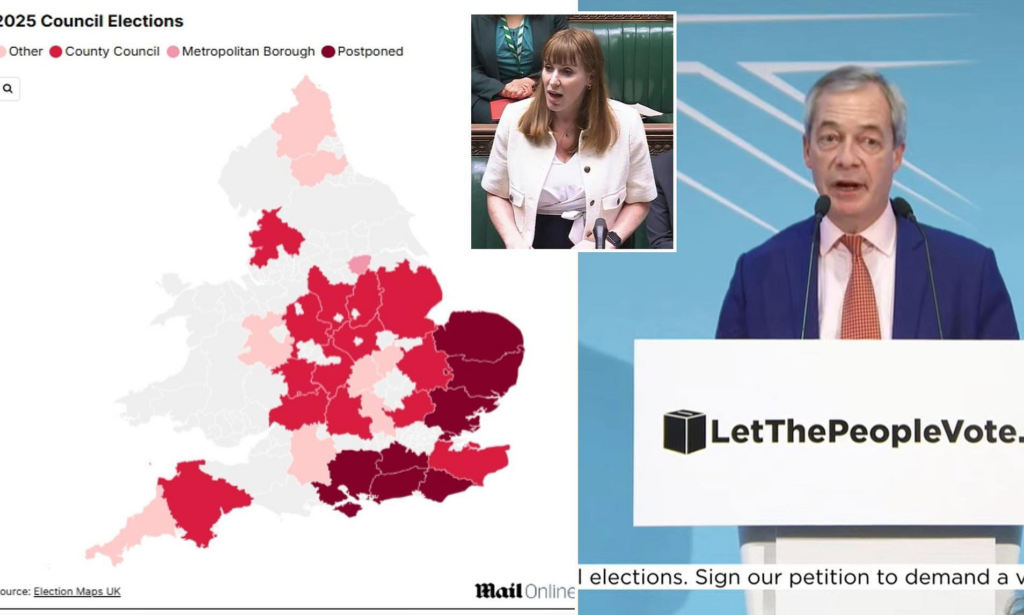
The postponed local elections have sparked significant debate among political factions in England as the government confirms delays in newly created mayoralties covering Greater Essex, Norfolk and Suffolk, Hampshire and the Solent, and Sussex and Brighton. Originally planned for this May, these elections will now occur in 2028, raising concerns over the state of democracy as opposition parties argue for the necessity of proceeding as scheduled. Critics, led by shadow local government secretary James Cleverly, accuse the ruling party of attempting to subvert democracy under the guise of local government reorganization, causing a stir within the community. This postponement aligns with an expansion of the devolution priority programme, which aims to grant local authorities more powers but has also brought criticism regarding its impact on regional representation. With the call for action against this mayoral elections delay, many are left wondering about the implications for future governance and local engagement in the democratic process.
The recent announcement regarding the delay in local government elections has raised eyebrows and fueled discussions regarding the fairness of electoral practices. The decision to defer critical votes on new mayoral positions, which were intended to enhance local governance, has left citizens questioning the commitment to democratic principles. As the government pushes back election dates in various regions, many worry about the implications for community representation and participation. Local leaders and political activists argue that such postponements undermine the efforts to rejuvenate regional decision-making amid calls for power to devolve away from centralized bureaucracy. The situation further complicates an already tense political landscape as various stakeholders respond to the urgency for timely electoral engagement.
Understanding the Postponed Local Elections in England
The recent decision to postpone local elections for newly established mayoralties in four regions of England has raised eyebrows across the political spectrum. Areas including Greater Essex, Norfolk and Suffolk, Hampshire and the Solent, and Sussex and Brighton were set to hold their elections in May 2026; however, these have been rescheduled to 2028. The government justifies this postponement by stating that more time is necessary to finalize local government reorganizations. Critics, including opposition parties, argue that this delay undermines democratic processes, asserting that the elections should proceed as initially planned.
Opposition voices, such as shadow local government secretary James Cleverly, have expressed strong discontent, accusing the government of subverting democracy by delaying the elections. This situation reflects a broader trend of postponements that not only affects mayoral elections but potentially impacts local governance, revising how democracy functions at the local level. As citizens await clarification from the government, concerns about stalled democratic engagement and the risks posed by extended delays linger.
Impact of Delaying Mayoral Elections on Local Governance
Delaying local government elections can have significant repercussions on the fabric of democracy at the local level. The consolidation of power that results from postponed elections limits community representation and accountability. Residents who may have benefitted from new leadership that aligns more closely with their community needs will have to wait longer for their voices to be adequately represented. While the government argues that such delays might streamline budgeting and resource allocation, the question remains as to who will suffer during this extended wait for local empowerment.
Moreover, the ongoing discussions surrounding the devolution priority programme (DPP) underscore the urgency for timely elections to foster genuine local governance. Critics argue that while the DPP promises to enhance local authority powers, postponing local elections may signify a retreat from those promises, leaving constituents stuck in a prolonged state of governance without a mandate. As the dynamics of political power in England evolve, the implications of delayed elections resonate beyond immediate logistical concerns, touching on fundamental democratic principles that assert every community deserves a chance at equitable representation.
The Role of Devolution Priority Programme in Local Elections
The Devolution Priority Programme (DPP) was introduced with the aim of empowering local authorities across England by providing them with increased autonomy and resources to foster regional growth. However, the postponement of local elections, especially in newly created mayoralties, casts a shadow on the perceived benefits of this initiative. When new leadership positions take longer to fill due to election delays, the momentum that the DPP aims to create can stall, leading to a disconnect between policy intentions and the reality on the ground.
Furthermore, the DPP was framed as a means to break away from centralized decision-making, highlighting the need for local input in governance. The postponement of elections presents a contradiction to its objective, suggesting a hesitance from the government to fully embrace the devolution ideals it has championed. Stakeholders, including local leaders and residents, are increasingly worried that without timely elections, efforts to enhance democratic engagement will falter, again sparking the debate on whether the government is truly committed to empowering communities or merely extending their control.
Concerns from Opposition Regarding Election Delay
The ongoing push from opposition parties to contest the postponement of local elections highlights a significant divide in how political entities view democratic engagement. With Labour and other opposition parties insisting that elections must proceed as originally scheduled, they argue that any delay represents a blatant disregard for the democratic aspirations of local citizens. Critiques from political leaders such as Zia Yusuf of Reform UK underline fears that postponements could manipulate electoral outcomes, strategically benefiting certain parties while sidelining others.
Additionally, local government spokespersons from opposing parties have raised alarm over these delays, reinforcing the idea that postponing local elections ultimately leads to disenfranchisement of voters. The assertion that “democracy delayed is democracy denied” captures the essence of their argument, emphasizing the necessity for timely elections to preserve the integrity of local governance. As the debate continues, many constituents are left questioning who really benefits from such delays and what impact these decisions will have on their communities moving forward.
The Financial Implications of Postponing Elections
Delaying local elections may also appear to be a strategic decision to save money, as suggested by the government’s rationale for deferring elections in areas like Cumbria and Cheshire and Warrington. However, the short-term financial benefits must be weighed against the long-term costs of political stagnation. By postponing elections, the government risks alienating voters who expect their local representatives to be elected in a timely manner, which can lead to lower civic engagement and a broader disconnect with the political process.
Moreover, the financial savings associated with delaying elections could come at the expense of democratic accountability. Local governments often rely on timely elections to maintain transparency and public trust, which can be critical in securing future funding and support from constituents. If citizens perceive their governance as stagnant due to unnecessary delays, the implications for public investment and cooperation could be detrimental, leading to a cycle of mistrust and reduced civic participation.
Long-term Effects of Postponing Local Elections
The postponement of local elections can set a concerning precedent for future electoral processes in England. When elections are delayed under the guise of logistical or financial constraints, it raises alarms about the potential normalization of postponing democratic rights. This may lead to a slippery slope where other elections might also be postponed without due justification, effectively undermining long-standing democratic norms and practices that prioritize the voice of the people.
Furthermore, the lasting effects on community dynamics and political engagement cannot be underestimated. Delayed elections can lead to disenfranchisement among voters who feel their participation in democracy is being stifled. If the message conveyed is that electoral processes can be easily postponed, it could result in declining voter turnout, as citizens may feel discouraged from participating in a system that does not value their input. It’s crucial for the democratic process to demonstrate resilience and adaptability; failure to address these concerns may have repercussions that extend far beyond the current electoral landscape.
The Importance of Timely Voting in Local Governance
Timely voting in local elections is critical for fostering an environment where community needs are actively addressed and represented. When citizens have the opportunity to elect officials who align with their values and priorities, it not only creates accountability but also empowers residents to engage in governance actively. The consequences of voting delays are profound; with postponed elections, community issues may remain unaddressed for an extended period, leading to a downward spiral in public trust and civic involvement.
Ensuring uninterrupted election cycles can enhance civic accountability and provide local leaders with a clear mandate from their constituents. The government must understand that a vibrant democracy thrives on the active participation of its citizens, and delays in the electoral process obstruct this fundamental principle. Local elections should be seen not merely as logistical processes but as vital components of a thriving democratic society that prioritizes the will of the people.
Political Strategies Behind Election Postponement
The motivations behind the postponement of local elections often extend beyond administrative concerns and delve into political strategy. As parties assess their chances of success in the upcoming elections, delays can serve as a tactical advantage for those in power. For instance, the decision to delay elections in regions where certain parties might have a significant chance of winning can be interpreted as an attempt to ‘reset’ the political landscape in favor of incumbents.
Political actors are acutely aware that the timing of elections can drastically alter voter sentiments and outcomes. Hence, these strategic postponements can lead to greater speculation about the integrity of the electoral process. Citizens are left wondering if such delays are truly about administrative needs or if they are manipulative tactics intended to preserve power. For democracy to flourish, it is essential for political strategies to align with transparency and the principles of fair representation.
Navigating the Future of Local Elections in England
As England looks toward the future of local elections, it is imperative for both the government and political parties to prioritize electoral integrity and democratic participation. The rescheduling of mayoral elections raises critical questions about how to ensure that local governance aligns with community interests and needs. Moving forward, a focus on creating systems that prioritize timely elections without unnecessary delays is vital for nurturing a healthy democratic framework.
By re-establishing a commitment to conducting elections as scheduled, the government can help restore faith in local democracy. Moreover, fostering a political culture that respects the voices of all constituents, regardless of party affiliation, is crucial for sustaining democratic ideals. Ultimately, the goal should be to uphold democracy, ensuring that everyone’s vote carries weight and that local government remains responsive to the communities it serves.
Frequently Asked Questions
Why are the local government elections postponed in four areas of England?
The local government elections have been postponed in Greater Essex, Norfolk and Suffolk, Hampshire and the Solent, and Sussex and Brighton due to the government’s need for more time to complete local government reorganization. This decision affects the newly created mayoralties and will delay the elections until 2028.
What impact does postponing local elections have on democracy?
Postponing local elections can be seen as a delay in democracy, as many believe that timely elections are essential for local governance and representation. Opposition parties, including the Liberal Democrats, have argued that ‘democracy delayed is democracy denied’, emphasizing the importance of holding elections as planned.
What are the reasons behind the delay in mayoral elections?
The delay in mayoral elections is primarily due to the government’s assertion that additional time is needed to finalize local government reorganization in the affected areas. Critics argue that this postponement may serve political interests rather than the needs of local communities.
How many times have local elections been postponed in the recent government announcements?
In the recent announcements, the local government elections for newly created mayoralties in four areas have been postponed. Additionally, elections in Cumbria and the merged councils of Cheshire and Warrington have also been rescheduled, marking multiple instances of election postponements.
What are the potential consequences of delaying mayoral elections in newly created areas?
Delaying mayoral elections can lead to a lack of local representation and accountability, which might affect residents’ trust in the political process. It can also hinder regional growth and development plans outlined in the government’s devolution priority programme.
When will the postponed local elections for new mayoralties take place?
The postponed local elections for the new mayoralties in Greater Essex, Norfolk and Suffolk, Hampshire and the Solent, and Sussex and Brighton are now scheduled to take place in 2028.
What criticisms have been raised regarding the postponement of local elections?
Critics, including opposition party leaders, have accused the government of undermining democracy by postponing local elections. They argue that the government is prioritizing its political agenda over the immediate needs of communities seeking representation.
What was the government’s justification for postponing the local elections?
The government has justified the postponement of local elections by claiming that the areas affected require more time to complete the necessary local government reorganization. This reasoning is linked to the goals set in the devolution priority programme (DPP).
How will the postponement of the elections affect the devolution priority programme’s objectives?
The postponement of local elections could hinder the devolution priority programme’s objectives by delaying the establishment of local governance structures meant to facilitate regional growth and empowerment. Critics fear this might stall progress on key local decisions.
What is the current political response to the delay in local elections?
The political response to the delay has been mixed, with opposition parties calling for the elections to be held as originally scheduled. They argue that delaying the elections undermines democratic processes, while the government maintains that it is acting in the best interest of local governance.
| Key Points |
|---|
| The government is postponing elections for newly created mayors in four areas of England, confirmed by the BBC. |
| The new mayoralties in Greater Essex, Norfolk and Suffolk, Hampshire and the Solent, and Sussex and Brighton will now be contested in 2028. |
| The government cites the need for more time to complete local government reorganization as a reason for the postponement. |
| Opposition parties, including Labour and Reform UK, are criticizing the decision, framing it as undermining democracy and preventing potential electoral losses for the ruling party. |
| Liberal Democrat spokesperson emphasizes the importance of timely elections, arguing that “democracy delayed is democracy denied.” |
| Overall, the postponement of these local elections highlights ongoing tensions around local governance and political maneuvering in England. |
Summary
Postponed local elections have become a significant issue in England, particularly concerning the newly established mayoralties in various regions. This delay, set for 2028, raises questions about local governance and democratic engagement. With opposition parties calling for the elections to proceed as originally planned, the government must navigate these challenges while addressing the needs for proper local government restructuring.