
Listen to this article
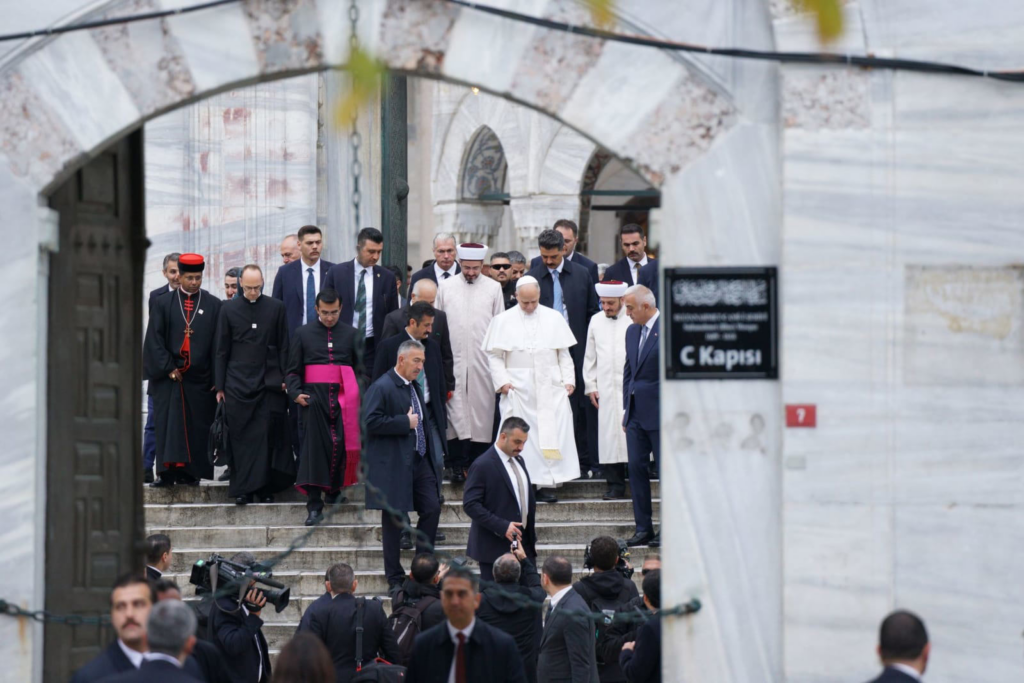
Pope Leo XIV made headlines with his significant visit to the Blue Mosque Istanbul, also known as the Sultan Ahmed Mosque. This landmark event marks the Pope’s first visit to a Muslim place of worship since becoming the head of the Catholic Church, highlighting his commitment to interfaith dialogue and understanding. During this momentous occasion, the Pontiff displayed a spirit of reflection and respect as he toured the mosque, though he chose not to pray—setting a different precedent from his predecessors. The papal visit Turkey is seen as a crucial step towards fostering deeper connections between different faiths, particularly in a city rich with both Christian and Islamic heritage. As part of his four-day journey, the Pope aims to promote peace and unity in a time of global strife, reinforcing the importance of coexistence among diverse religious communities.
The recent visit by Pope Leo XIV to Istanbul’s revered Blue Mosque symbolizes a historic moment in papal engagement with the Islamic community. Known for its stunning architecture and cultural significance, the Sultan Ahmed Mosque serves not only as a place of worship but also as a bridge for interfaith dialogue. During this papal excursion to Turkey, the Pontiff expressed his commitment to building relationships between Christians and Muslims, echoing themes of peace and mutual respect. This visit is seen as a continuation of a tradition where previous popes have sought to connect with diverse religious practices, further enhancing the dialogue among faiths. Pope Leo’s presence in this sacred space reinforces the ongoing mission to create avenues for collaboration and understanding across different religious landscapes.
Pope Leo XIV’s Historic Visit to the Blue Mosque Istanbul
Pope Leo XIV’s recent visit to Istanbul’s Sultan Ahmed Mosque, commonly referred to as the Blue Mosque, marks a significant moment in interfaith relations. This visit is particularly noteworthy as it is the first time Leo has stepped into a Muslim house of worship since he became pope in May. His presence in such a revered space speaks volumes about the Vatican’s commitment to fostering dialogue and understanding between different faiths. The Pope’s respectful bow as he entered the mosque reflects an attitude of humility and reverence towards the Islamic faith, reinforcing the importance of mutual respect in today’s world.
During his visit, the Pope was accompanied by prominent Muslim leaders who provided insights into the rich history and significance of the Blue Mosque. Built during the reign of Sultan Ahmed I, this architectural marvel showcases stunning blue and turquoise tiles and stands as a symbol of Istanbul’s cultural heritage. The symbolic nature of such a visit by the Pope serves not only to honor this historical site but also to promote a message of peace and harmonious coexistence among religions. As a leader of the Catholic Church, Leo XIV’s engagement with the Blue Mosque sets a precedent for future papal visits, emphasizing the importance of interfaith dialogue.
Significance of the Papal Visit to Turkey
The papal visit to Turkey, including the Blue Mosque stop, goes beyond mere sightseeing. It embodies Leo XIV’s commitment to enhancing interfaith relationships and addressing global conflicts through dialogue. Following in the footsteps of his predecessors, the Pope’s mission in Turkey illustrates a dedication to understanding and collaboration among diverse religious communities. His upcoming engagements, particularly in Lebanon, are aimed at uniting various faith leaders to confront pressing social issues, including the plight of Christians in the Middle East.
This trip was originally orchestrated by the late Pope Francis and carries themes of bridge-building and peace, which were eagerly adopted by Pope Leo XIV. As the world grapples with rising tensions and conflicts, the Pope’s messages encourage understanding and compassion. His visit to the Blue Mosque and future appearances in Lebanon highlight the Vatican’s proactive role in promoting peace and stability by fostering conversations that transcend cultural and religious divides.
The Blue Mosque: Architectural and Cultural Significance
The Blue Mosque, or Sultan Ahmed Mosque, is an architectural wonder that draws millions of visitors annually. Its design features an elegant blend of Byzantine and Ottoman influences, crowned with stunning blue tiles that give it its name. The mosque’s majestic domes and towering minarets not only serve as a place of worship but also as a testament to the Ottoman Empire’s cultural richness. This historic mosque stands as a symbol of Istanbul’s vibrant heritage, welcoming both worshippers and tourists alike to appreciate its beauty and history.
In the context of Pope Leo XIV’s visit, the Blue Mosque serves as a critical reminder of the shared values of respect and reverence in many faith traditions. While the Pope chose not to pray within its walls, his visit highlights the importance of honoring the sacred spaces of others, thereby fostering mutual respect. As global citizens navigate their increasingly divided worlds, such visits to significant religious sites can inspire dialogues that transcend barriers, centering on common goals of peace and understanding.
Interfaith Dialogue and Cultural Exchange
Interfaith dialogue promotes understanding and mitigates conflict between different religious groups. Pope Leo XIV’s visit to the Blue Mosque is an exemplar of this endeavor, reinforcing the idea that despite differing beliefs, there is much to learn from one another. In welcoming the Pope, Muslim leaders exemplify a spirit of openness and cooperation that encourages community-building efforts across faiths. These interactions serve to dismantle stereotypes and build bridges through education and empathy.
As the Pope prepares for his upcoming meetings with faith leaders in Lebanon, it becomes clear that the message of interfaith dialogue is not limited to formal discussions but extends to grassroots initiatives. The engagement with varying cultures highlights the power of shared experiences and the potential for collaboration on social justice, humanitarian efforts, and peacebuilding. These conversations are essential in a world often marked by division, as they pave the way for future generations to embrace respect and coexistence among differing faiths.
Historical Context: Previous Papal Visits to Muslim Worship Sites
The historical context of papal visits to Muslim worship sites is rich and filled with moments that have shaped interfaith relations. John Paul II was the first pope to enter a mosque, visiting the Umayyad Mosque in Damascus in 2001, marking a significant step towards building bridges between Christian and Muslim communities. This precedent laid the foundation for subsequent popes, including Benedict XVI and Francis, who both participated in prayer within Muslim holy spaces, emphasizing respect and shared values.
Pope Leo XIV’s visit to the Blue Mosque continues this important legacy, highlighting the evolving relationship between the Vatican and the Muslim world. Each visit brings with it a spirit of reconciliation and dialogue that aims to heal historical wounds and promote unity. The Papal visits underscore the notion that dialogue is not only possible but essential for peace, urging religious leaders and followers alike to work together towards a common good that transcends theological differences.
Reflections on Religious Harmony During the Papal Visit
Pope Leo XIV’s trip to Turkey, particularly his visit to the Blue Mosque, invites a broader reflection on religious harmony in a divided world. The Pope’s actions embody a commitment to understanding and respect that resonates deeply with the teachings of both Christianity and Islam. Through this momentous visit, he encourages believers from all faiths to look beyond their differences and seek common ground in shared values like compassion, love, and peace.
In an era marked by rising tensions and divisions, such gestures from religious leaders can inspire individuals and communities to foster understanding. The Pope’s respectful approach at the Blue Mosque serves as a model for interfaith dialogue that goes beyond mere coexistence; it invites collaborative efforts to address global challenges. Engaging with diverse communities, as exemplified by Leo XIV, underscores the vital role of religious leadership in nurturing relationships that promote social cohesion and peace.
Papal Messages on Conflict Resolution During the Trip
Amidst his visit to Turkey, Pope Leo XIV’s messages emphasize the importance of conflict resolution and the need for collective efforts to address the world’s challenges. By advocating for dialogue, he encourages nations, communities, and individuals to seek peaceful means of resolving disputes rather than resorting to violence. His presence at the Blue Mosque not only signifies interfaith respect but also serves as a platform for advocating harmony in a world rife with conflicts.
Pope Leo’s remarks about humanity’s future resonate with the historical backdrop of his predecessors’ efforts in peacebuilding. The Pope’s call for a resistant spirit against escalating global tensions envisages a future where religious leaders collaborate to confront issues like poverty, violence, and displacement. By initiating conversations centered on understanding, the Pope’s visit can spur actions that foster long-term peace initiatives in conflict-ridden areas of the world.
Future Implications of Papal Visits to Muslim Sites
The implications of Pope Leo XIV’s visit to the Blue Mosque extend beyond the immediate context of his trip. It sets a precedent for future papal engagements with Muslim communities, paving the way for constructive interfaith dialogues that would contribute to social and political stability. As religious tensions continue to arise globally, such visits can play a vital role in diffusing hostilities and building relationships based on trust and cooperation.
Furthermore, as interreligious discussions evolve, the potential for collaborative projects that involve both Catholic and Islamic communities increases. The visits can inspire local initiatives aimed at addressing universal challenges such as poverty alleviation, education, and social justice. Pope Leo XIV’s engagement with the Blue Mosque signifies not merely an act of solidarity but rather a vision for a collaborative approach to building a more peaceful and understanding world, echoing the sentiments of unity across varying faiths.
Frequently Asked Questions
Why did Pope Leo XIV visit the Blue Mosque in Istanbul?
Pope Leo XIV visited the Blue Mosque, officially known as the Sultan Ahmed Mosque, in Istanbul as part of his papal visit to Turkey. This visit marked his first entry into a Muslim place of worship since becoming pope, reflecting his commitment to interfaith dialogue and mutual respect among religions.
What significance does the Blue Mosque hold in relation to Pope Leo XIV’s visit?
The Blue Mosque is a significant landmark in Istanbul, representing the rich history of the Ottoman Empire and serving as a symbol of Islamic worship. Pope Leo XIV’s visit underscores the importance of fostering understanding and respect between Christianity and Islam, a key theme of his papacy.
Did Pope Leo XIV pray at the Blue Mosque during his visit?
No, Pope Leo XIV did not pray at the Blue Mosque during his visit. Instead, he engaged in a reflective tour with local Muslim leaders, emphasizing a spirit of listening and respect for the faith practiced there.
How does Pope Leo XIV’s visit to the Blue Mosque compare to previous papal visits?
Unlike Pope Francis and Pope Benedict XVI, who both prayed at the Blue Mosque during their respective visits in 2014 and 2006, Pope Leo XIV chose a different approach by not praying but focusing on dialogue and reflection, highlighting a continuation of interfaith engagement.
What was the aim of Pope Leo XIV’s papal visit to Turkey and the Blue Mosque?
The aim of Pope Leo XIV’s papal visit, including his tour of the Blue Mosque, was to build bridges between faiths and encourage dialogue. The visit aligns with his efforts to advocate for peace and understanding amidst global conflict, responding to the theme established by his predecessor.
What historical context surrounds Pope Leo XIV’s visit to the Blue Mosque?
Pope Leo XIV’s visit to the Blue Mosque is historically significant as it continues the tradition of papal engagement with Islam, following the footsteps of Pope John Paul II, who was the first pope to enter a mosque in 2001. This visit further promotes interfaith relations and peace.
Who welcomed Pope Leo XIV at the Blue Mosque?
During his visit to the Blue Mosque, Pope Leo XIV was accompanied by local Muslim leaders who provided a tour, showcasing the mosque’s architectural beauty and spiritual significance.
What can we expect from Pope Leo XIV’s remaining visit in Turkey after the Blue Mosque tour?
Following his visit to the Blue Mosque, Pope Leo XIV is expected to continue promoting interfaith dialogue and meet with various faith leaders in Turkey, later traveling to Lebanon to engage with the Christian community there before concluding his trip.
| Key Point | Details |
|---|---|
| Pope Leo XIV’s Visit | First visit to a Muslim worship site since becoming pope in May. |
| Visit to the Blue Mosque | The mosque, known as the Blue Mosque, is an iconic landmark in Istanbul. |
| Significant History | Sultan Ahmed I commissioned the mosque; it features hundreds of blue tiles. |
| Previous Papal Visits | Pope Francis prayed there in 2014 and Pope Benedict XVI in 2006. |
| Focus of the Visit | Leo XIV emphasized respect for different faiths and listening. |
| Future Engagements | After Turkey, he will visit Lebanon and engage with religious leaders. |
Summary
The visit of Pope Leo XIV to the Blue Mosque marks a significant moment in interfaith dialogue. It symbolizes a bridge between different faiths, reflecting a commitment to understanding and respect. As he engages with various religious leaders in Turkey and Lebanon, Pope Leo XIV emphasizes the importance of unity and peace in a world facing increasing conflict. His actions are a testament to the value of dialogue in building a better future for all.

