Listen to this article
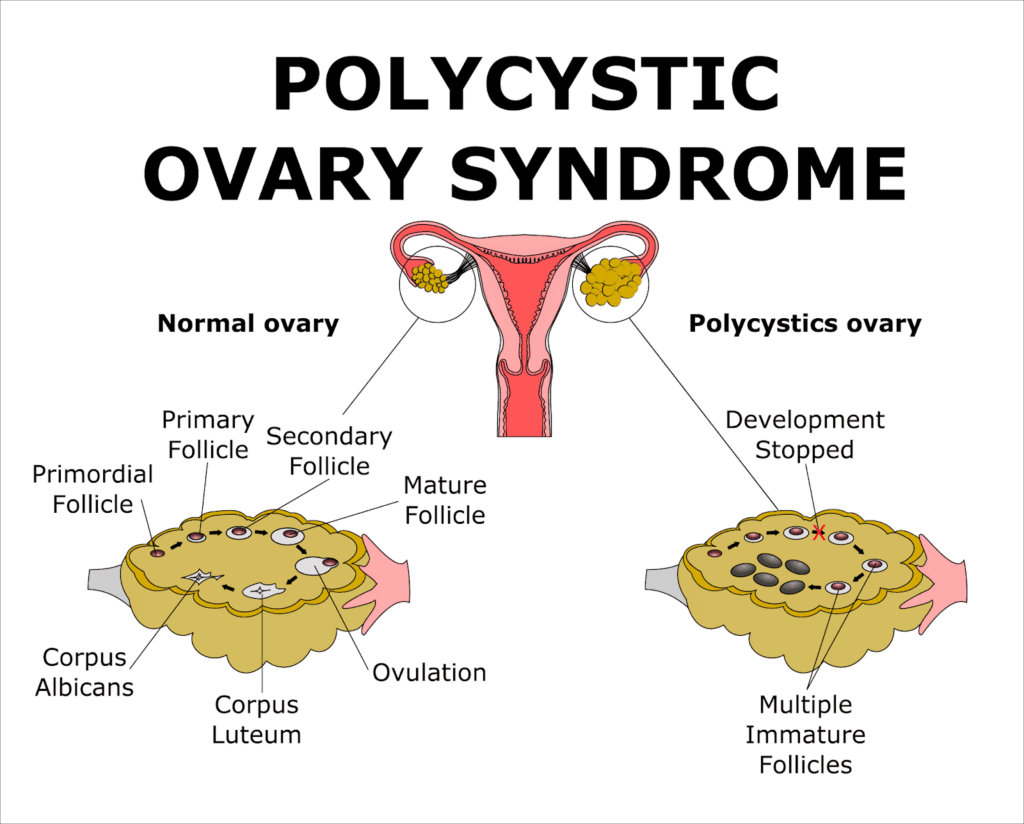
Polycystic Ovary Syndrome (PCOS) affects millions of women worldwide, yet many remain unaware of its symptoms and treatment options. This hormonal disorder is characterized by the ovaries producing excess male hormones, leading to a variety of health issues, including irregular menstrual cycles, weight gain, and fertility challenges. Despite advancements in medicine, the advice given to women regarding PCOS has largely remained unchanged for decades, leaving many to navigate their symptoms without adequate support. Raising awareness about PCOS is essential to improving outcomes, as nutrition and tailored treatment options can significantly alleviate the symptoms. As we explore the complexities of PCOS and its impact on women’s health, it’s crucial to foster understanding and provide solutions that empower those affected.
Also known as polycystic ovarian syndrome, this prevalent condition is often misunderstood and mismanaged within healthcare settings. Women diagnosed with the disorder experience a range of symptoms, which may include irregular ovulation, weight fluctuations, and emotional distress. Many health professionals have historically offered limited guidance beyond hormonal treatments such as contraceptive pills, which do not address the underlying causes of PCOS. Engaging in discussions about PCOS can promote better health strategies, including effective nutrition, to help women manage their symptoms and reduce long-term health risks. Advocacy and education are pivotal in transforming the experiences of those living with this condition.
Understanding Polycystic Ovary Syndrome (PCOS)
Polycystic Ovary Syndrome (PCOS) is a common hormonal disorder affecting a significant number of women around the globe. Characterized by a range of symptoms including irregular menstrual cycles, excessive hair growth, and weight gain, PCOS can also lead to more serious health issues such as diabetes and heart disease. Despite its prevalence, misconceptions persist, often leading to a lack of awareness and understanding among both patients and healthcare providers.
The symptoms of PCOS can vary drastically from one woman to another, making it crucial for individuals to seek out tailored advice and treatment options. As the medical community continuously learns about PCOS, it’s clear that a one-size-fits-all approach does not suffice. Addressing factors such as individual hormone levels, lifestyle habits, and emotional well-being can improve management strategies and enhance life quality for women living with this syndrome.
Frequently Asked Questions
What are the common PCOS symptoms women should be aware of?
Polycystic Ovary Syndrome (PCOS) symptoms vary among women but commonly include irregular periods, weight gain, excessive hair growth (hirsutism), acne, thinning hair, and infertility. It’s vital for women to recognize these symptoms early for proper management.
How is PCOS treated effectively?
Effective PCOS treatment typically involves lifestyle modifications, such as a balanced diet and regular exercise, alongside potential medical interventions. Common treatments might include hormonal contraceptives to regulate periods, medications to manage insulin resistance, and fertility treatments if pregnancy is desired.
Why is PCOS awareness important for women’s health?
PCOS awareness is crucial as it helps women understand their symptoms, seek appropriate medical advice, and receive the right treatment. Increased awareness can also lead to better support systems, reducing feelings of isolation and misunderstandings about the condition.
What role does nutrition play in managing PCOS?
PCOS nutrition is essential for managing symptoms and improving overall health. A diet rich in whole foods, low in refined sugars, and balanced in proteins can help manage weight, improve insulin sensitivity, and regulate menstrual cycles for women with PCOS.
What should women with PCOS know about fertility issues?
While many women with PCOS may face fertility challenges due to irregular ovulation, it’s important to note that not all women with PCOS have difficulty becoming pregnant. Many can conceive with proper treatment, and a supportive healthcare provider can assist in exploring various fertility options.
| Key Points | Details |
|---|---|
| PCOS Awareness | One in eight women in the UK are affected by PCOS. |
| Historical Perspective | Advice for managing PCOS has remained largely unchanged for 30 years. |
| Symptom Management | Typical management includes the contraceptive pill, but it doesn’t address the root cause. |
| Diagnosis Issues | Only 3% of patients felt well-informed by their healthcare providers. |
| Diverse Experiences | Experiences with PCOS vary; not all women face fertility issues. |
| Social Media Influence | Some women seek information on social media due to lack of support. |
| Need for Change | Organizations are advocating for better awareness and treatment options. |
Summary
Polycystic Ovary Syndrome (PCOS) is a common hormonal disorder affecting many women globally, yet awareness and effective management have remained stagnant for decades. Despite significant challenges in diagnosing and treating this condition, including persistent stigma and reliance on outdated medical advice, recent advocacy efforts highlight the need for improved healthcare services and tailored treatment plans. With increased education and support, women can better navigate the complexities of PCOS and advocate for their health.