Listen to this article
Pneumonia and flu in older adults have emerged as critical health concerns, demanding attention from caregivers and healthcare professionals alike. With the aging population increasingly vulnerable to these infections, medical experts warn that conditions such as pneumonia and influenza can significantly elevate the risk of more serious complications, including stroke and heart attacks. Sir Chris Whitty, England’s chief medical officer, emphasizes the importance of understanding how respiratory infections can lead to severe outcomes for seniors, particularly those over 70. Research shows a concerning trend, revealing that this demographic not only faces heightened susceptibility to infections but also often lacks adequate healthcare support to manage these risks effectively. As conversations surrounding NHS infection prevention and the necessity of timely antibiotics for seniors become more prevalent, it is crucial to address vaccine skepticism in the UK and the broader implications of influenza impacts on seniors in protecting their health.
Upper respiratory infections, including severe forms like bronchitis and flu, pose significant risks for elderly populations, particularly concerning the development of serious complications. The prevalence of infections such as pneumonia among seniors is alarming, as these conditions can lead to substantial health issues, including increased stroke risk and heart-related emergencies. Despite advancements in healthcare, many older adults remain underserved in terms of appropriate medical research and interventions tailored to their needs. Sir Chris Whitty has pointed out that a more proactive approach, including a reevaluation of how antibiotics are prescribed and an encouragement of vaccination uptake, is essential. These measures are vital in mitigating the adverse effects of airborne viruses, promoting better cardiovascular health, and reducing both the severity of illnesses and subsequent complications for the elderly.
The Importance of Vaccination for Pneumonia and Flu in Older Adults
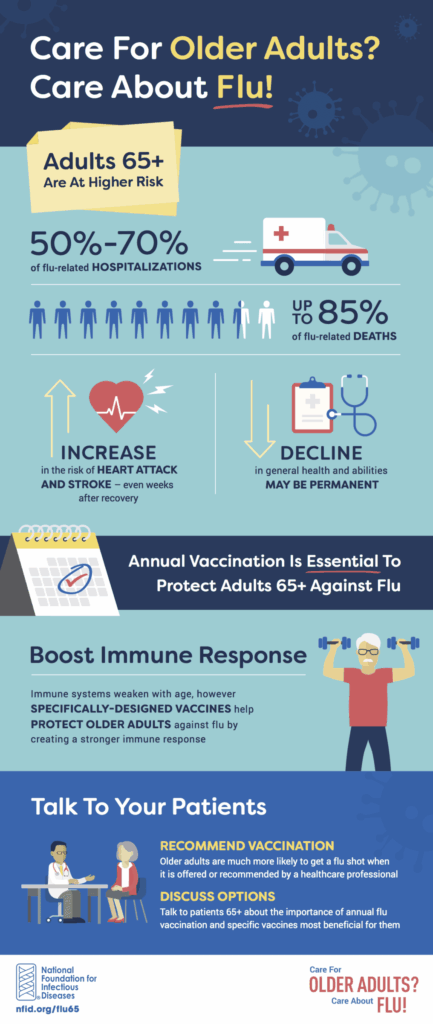
Vaccination plays a crucial role in protecting older adults, especially against diseases such as pneumonia and influenza. The NHS recommends that seniors prioritize receiving their flu vaccines annually, as these viruses can exacerbate existing health conditions and lead to serious complications. In fact, studies have shown that seniors who receive the flu vaccine significantly reduce their risk of hospitalization and mortality due to flu-related illnesses. The chief medical officer’s warning highlights the necessity of distinguishing the effects of infections like pneumonia and flu from normal aging, advocating for proactive measures to safeguard the health of this vulnerable population.
Moreover, many older adults may exhibit vaccine skepticism, influenced by misinformation circulating in the media and among their communities. As mentioned by England’s chief medical officer, this skepticism is not reflective of a widespread reluctance to vaccinate, but rather a concern driven by access and logistical barriers. Tackling these challenges by providing clear, transparent information and ensuring accessible vaccination services is paramount for increasing uptake. By combating influenza impacts on seniors, public health initiatives can help mitigate hospital visits and enhance overall health outcomes for older adults.
Understanding Stroke Risks Associated with Infections in Seniors
Infections, particularly pneumonia and flu, have been shown to significantly elevate the risk of stroke in older individuals. The data presented by the chief medical officer underscores that seniors face increased vulnerability not only to infections but also to their long-term consequences. Research indicates that the immediate aftermath of an infection can result in a heightened likelihood of experiencing a stroke, with risks extending up to a year post-infection. This alarming correlation necessitates a reevaluation of how infections are treated in elderly patients, emphasizing the need for timely interventions.
A proactive approach is essential in managing these health risks. The NHS’s infection prevention strategies should focus on educating healthcare providers about the implications of infections on elderly patients’ cardiovascular health. By recognizing signs of infection promptly and administering appropriate treatments—including a lower threshold for prescribing antibiotics for seniors—the healthcare system can mitigate the increased stroke risk. Moving forward, healthcare professionals must prioritize the health of elderly patients, ensuring they are not overlooked during routine medical care.
Antibiotics for Seniors: A Necessary Approach
The application of antibiotics for elderly patients has sparked significant discussion within the medical community. Sir Chris Whitty’s remarks suggest that there has historically been a reluctance to aggressively treat infections in older adults, often leading to detrimental health outcomes. Given their heightened risk of infections and related complications, the medical community should reconsider its approach and adopt a more proactive stance on prescribing antibiotics. Ensuring older adults receive the necessary treatments promptly can help avoid severe repercussions, such as increased stroke risk and hospitalization.
Furthermore, it is crucial to strike a balance between antibiotic stewardship and necessary interventions. While overprescribing antibiotics poses risks of resistance, under-prescribing in vulnerable populations can lead to jeopardizing their health. Therefore, healthcare providers must remain vigilant, ensuring that they assess the unique needs of seniors adequately. By tailoring treatment approaches for this demographic, the NHS can enhance health outcomes and ultimately reduce the prevalence of infections.
Preventive Measures Against Winter Viruses for Older Adults
As winter approaches, protecting older adults from viruses such as flu and pneumonia becomes increasingly important. Sir Chris emphasized the role that simple preventive measures can play in fending off infections. Practices like regular hand washing, maintaining hygiene while preparing food, and vaccination can significantly reduce exposure to winter viruses. These measures, though basic, are often overlooked but can make a considerable difference in the health of seniors, helping to prevent the onset of infections that could lead to more serious health issues.
Moreover, fostering public awareness about these preventive strategies is essential. Community programs and campaigns are vital to educate older adults and their caregivers about the importance of these simple health habits. Increasing public knowledge can play a significant role in decreasing hospitalization rates among the elderly and informing them about available resources, such as flu shots provided by the NHS. By encouraging regular health checks and keeping up with vaccinations, we can protect this vulnerable group from unnecessary health complications.
Addressing Vaccine Skepticism in the UK
Amidst rising concerns about vaccine skepticism in the UK, it is crucial to address the public’s hesitations regarding vaccination, especially for older adults. Several factors contribute to this skepticism, including misconceptions about vaccine safety and accessibility issues. Sir Chris Whitty’s comments reflect a growing concern that misinformation could hinder the population’s willingness to receive vaccines, leading to increased susceptibility to flu and pneumonia. To combat these troubles, healthcare providers must engage in proactive communication, clarifying misconceptions and reaffirming the efficacy and safety of vaccines.
Encouraging positive discourse around vaccinations can play a significant role in enhancing the public’s perception of immunizations. Healthcare professionals should focus on disseminating accurate information and resources that underline the benefits of vaccines for seniors. Fostering trust and transparency in public health messaging is essential in reversing the trend of declining vaccination rates and safeguarding the health of older adults in the UK. This is vital to ensure that the population remains resilient against diseases that can significantly impact their overall well-being.
The Role of NHS in Protecting Elderly Health
The NHS plays a critical role in shielding elderly health, particularly in the realm of infection prevention and management. As outlined by Sir Chris Whitty, older adults often receive subpar medical attention compared to younger populations, which is a significant concern. Enhanced focus on preventive care, timely vaccinations, and effective communication strategies is essential in addressing these disparities. The existing systems need to evolve to provide consistent support to older adults, ensuring they do not fall through the cracks in the healthcare framework.
Implementing structured programs that prioritize the health of seniors within the NHS will contribute to minimizing the incidence of infections such as pneumonia and flu. Regular health screenings, education on personal hygiene, and effective vaccine campaigns will collectively fortify elderly health against common seasonal ailments. The NHS has the potential to lead the charge in reducing infection-related complications by ensuring older adults receive the care they need—a crucial factor in safeguarding their health and quality of life.
Heart Attack Risks Following Infections in Older Patients
The correlation between infections and heart attack risks in older adults is an alarming concern that must be addressed. Sir Chris points out that while the data connecting infections to heart attacks is less definitive than that for stroke risks, there is significant evidence to suggest a link. Following an infection, especially with pneumonia or flu, the elderly population faces heightened risks of cardiovascular events, underscoring the urgent need for careful monitoring and proactive healthcare interventions. Understanding these risks allows for better preventive strategies within medical practice that cater specifically to the elderly.
Healthcare professionals must remain vigilant about potential complications arising from infections. Training and awareness programs directed at the medical community can help recognize symptoms that may signal cardiovascular strain in elderly patients. By adopting a proactive approach and advocating for routine health checks post-infection, the healthcare system can better protect seniors from unforeseen heart attacks. Long-term studies and more comprehensive research will also be critical in solidifying the understanding of this relationship and guiding future health interventions.
Promoting Public Awareness on Infection Risks for Seniors
Public awareness regarding infection risk and prevention strategies is essential for protecting elderly health. Many individuals may not realize the profound impact that winter viruses, such as flu and pneumonia, can have on older adults. It is imperative for public health campaigns to effectively communicate the dangers associated with these infections and to personalize the message for the senior population. By educating the community about the importance of vaccinations and infection prevention techniques, we can foster a culture of health vigilance that prioritizes the well-being of our older adults.
Additionally, involving community leaders and organizations in these discussions can help amplify the message, making it more relatable and actionable for seniors. Collaboration with local health services to organize educational workshops or provide informational materials can empower older adults and their caregivers to make informed health decisions. The cumulative effect of increased knowledge and awareness can lead to healthier aging populations, ultimately reducing hospitalizations due to infections and associated complications in this vulnerable group.
Long-Term Health Strategies for Seniors Post-Infection
Implementing long-term health strategies for seniors post-infection is essential for mitigating risks associated with pneumonia, flu, and other diseases. Upon recovering from infections, elderly individuals may still face lingering health challenges, thereby highlighting the need for a comprehensive follow-up care plan. Such plans should include regular health assessments, mental health support, and nutrition guidance tailored to their recovery needs. By prioritizing post-infection health management, we can help seniors regain their strength and reduce the risk of subsequent health complications.
Moreover, fostering a supportive environment for recovery within community settings can enhance the overall effectiveness of these strategies. Initiatives that encourage social engagement, physical activity suited for their conditions, and regular medical check-ups can lead to significant health benefits. As a society, it is crucial to recognize the importance of sustained health management for older adults, ensuring they have access to the resources necessary for leading healthy, active lives well beyond their recovery from infections such as pneumonia and flu.
Frequently Asked Questions
How does pneumonia and flu in older adults increase stroke risk?
Research indicates that pneumonia and flu can significantly heighten the risk of stroke in older adults, particularly in the first two weeks after infection. Infections like these lead to heightened inflammation and other physiological changes that increase stroke risk, particularly in seniors.
What steps can older adults take to prevent pneumonia and flu?
Older adults can reduce the risk of pneumonia and flu by practicing good hygiene, such as regular handwashing, staying home when ill, and getting vaccinated. The NHS also recommends vaccination against influenza to help protect seniors from severe respiratory illnesses.
Are antibiotics recommended for seniors suffering from pneumonia and flu?
Yes, the NHS advises that there should be a lower threshold for prescribing antibiotics in older adults with pneumonia and flu, as these infections can lead to serious complications. Prompt treatment is essential to prevent further health issues.
What are the impacts of influenza on seniors’ overall health?
Influenza can severely impact seniors’ health, leading to complications like pneumonia and increased risk of hospitalization. Infections are linked to a higher incidence of heart attacks and strokes in older adults, highlighting the importance of early intervention and vaccination.
What role does vaccine skepticism in the UK play in preventing pneumonia and flu among older adults?
Vaccine skepticism in the UK can hinder uptake of important vaccinations for influenza and pneumonia in older adults. While misconceptions exist, public health efforts focus on improving access to vaccines and educating seniors about their benefits to prevent serious respiratory infections.
How does the NHS address infections in older adults like pneumonia and flu?
The NHS aims to enhance care for older adults by emphasizing prevention of infections, such as pneumonia and flu. Strategies include providing vaccines, increasing awareness about infection risks, and encouraging prompt medical intervention when symptoms arise.
What can the elderly do to stay proactive against pneumonia and flu?
To stay proactive against pneumonia and flu, older adults should maintain good hygiene practices, get their annual flu vaccine, stay active, and consult healthcare providers about any concerning symptoms. This proactive approach can greatly reduce their risk of serious infections.
Why are older adults particularly vulnerable to pneumonia and flu?
Older adults are more vulnerable to pneumonia and flu due to weakened immune systems, chronic health conditions, and the physiological changes that come with aging. These factors contribute to a higher susceptibility to infections and their associated complications.
| Key Points | Details |
|---|---|
| Importance of Serious Attention | Pneumonia and flu pose significant risks for older adults, with infections increasing chances of strokes and heart attacks. |
| Higher Susceptibility | Adults over 70 are more vulnerable to infections leading to severe health complications. |
| Healthcare Disparity | Older individuals often receive less attention in NHS care and medical research compared to younger populations. |
| Antibiotic Prescribing | A lower threshold for prescribing antibiotics for older adults is suggested to mitigate risks. |
| Preventive Measures | Public can reduce risks through hygiene, staying healthy, and accepting NHS vaccines. |
| Childhood Vaccination Rates | Declining rates of childhood vaccination raise concerns, especially in London, due to accessibility issues. |
| Vaccine Skepticism | Despite misinformation, the UK maintains a largely pro-vaccine stance with low levels of true anti-vaccine sentiment. |
Summary
Pneumonia and flu in older adults should be taken seriously, as they are at a heightened risk of severe health crises, such as strokes and heart attacks due to infections. It is crucial for both healthcare providers and the public to recognize these risks and take proactive measures, including timely vaccinations and promoting better healthcare practices among the elderly. The significant disparities in healthcare attention for older adults must be addressed, ensuring they receive the necessary medical care to safeguard against these preventable illnesses.