
Listen to this article
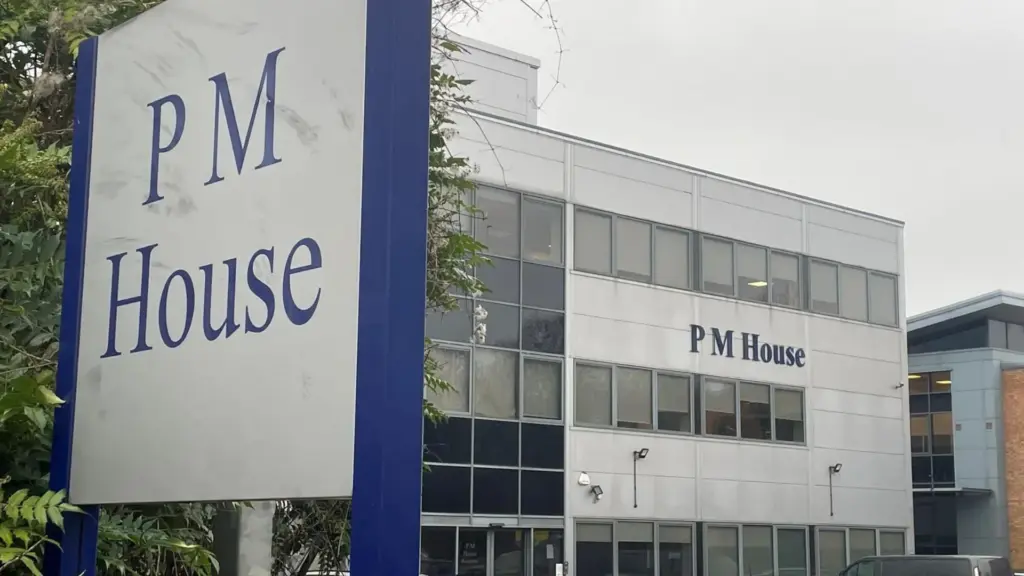
The recent closure of PM Law has sent shockwaves through the legal community, leaving clients and employees grappling with uncertainty and disruption. This abrupt exit from the legal landscape not only highlights the vulnerabilities faced by solicitor firms but also underscores the broader implications of such closures in the legal industry. With its sudden shutdown occurring without notice, clients who were in process of legal transactions found themselves in limbo, amplifying client uncertainty and anxiety. Employees expressed feelings of devastation and confusion, reflecting the emotional toll that firm closures can impose on staff. As the Solicitors Regulation Authority (SRA) seeks to address this unexpected event, the ramifications for all parties involved continue to unfold, raising critical questions about the impact of firm closures on the local legal ecosystem and its stakeholders.
The unforeseen shutdown of PM Law has raised alarm within the legal sector, prompting discussions about law firm exits and their far-reaching effects. As a prominent player in the field, PM Law’s closing leaves a void, igniting concerns among clients and employees alike about the future of their legal representation. This incident has brought to light the challenges besetting the legal profession, as firm closures not only disrupt ongoing cases but also create a ripple effect of distress and uncertainty. Observations from affected clients reveal a growing apprehension regarding their legal matters, while reactions from employees illustrate the emotional upheaval stemming from sudden job losses. The closure serves as a reminder of the precariousness of the legal industry and highlights the need for greater transparency in addressing such crises.
The Impact of PM Law’s Closure on Clients
The abrupt closure of PM Law has sent shockwaves through the legal community, leaving clients uncertain about the status of their ongoing cases. Many clients, like Melanie Griffin’s father-in-law, were in the midst of crucial transactions, such as selling properties, when they learned the firm had ceased operations. Such situations create significant stress, amplifying anxieties about financial and legal ramifications. Without access to their legal representatives, clients find themselves in a limbo state, unsure of how to proceed with their cases or even reclaim their files. This uncertainty can compound the difficulties associated with property sales, legal settlements, and other personal matters that rely on timely legal support.
As the Solicitors Regulation Authority (SRA) investigates the closure, affected clients await clarity on how their needs will be addressed. Many are struggling with the repercussions of PM Law’s sudden exit from the legal landscape, reflecting a broader concern regarding the stability of law firms and what client protections are in place. With the SRA monitoring the situation, there are hopes that clients will receive the necessary support to navigate this complicated scenario.
The personal stories echo the widespread feelings of frustration and helplessness. For clients engrossed in complex transactions, the failure of PM Law represents more than just a missed deadline; it symbolizes a breakdown in trust within the legal industry. As people eagerly awaited the finalization of their house sales or legal agreements, the abrupt nature of PM Law’s closure has left many questioning the integrity and reliability of solicitors. Past experiences make clients particularly sensitive to such upheavals; as Mr. Hofmann expressed, they feel their lives are placed on hold due to circumstances beyond their control.
For the community at large, this situation serves as a stark reminder of the implications that firm closures pose, not only for clients but also for the wider legal industry and its reputation. Legal practitioners must now navigate the delicate landscape of client trust, striving to reassure their own clients of stability amidst troubling news they may gather about their peers.
Regulatory Oversight and the Legal Industry
The closure of PM Law has sparked discussions about the role of regulatory bodies in preventing such abrupt firm shutdowns. As per the statements from the Solicitors Regulation Authority (SRA), the firm did not adhere to expected operational protocols, prompting scrutiny over its practices. This incident highlights a potential gap in regulatory oversight, suggesting that clients may not be sufficiently protected from sudden disruptions in legal services. By emphasizing the need for strong governance and accountability within the legal sector, the SRA must set stringent measures to fortify law firms’ stability and sustain client confidence.
The SRA’s involvement is crucial in maintaining not just the functionality of legal practices but also the trust clients place in them. The surge of inquiries regarding PM Law suggests a need for transparent communication and proactive measures to ensure affected clients have alternative pathways to secure their legal representation. As regulatory frameworks evolve in response to such closures, they must prioritize client protections and foster a more resilient legal ecosystem.
Moreover, the issue extends beyond just PM Law; it reflects a broader trend within the legal industry. With the growing landscape of solicitors and law firms, the frequency of closures can raise alarms regarding client safety and the longevity of legal partnerships. This moment calls upon industry leaders to engage in dialogue about the necessary reforms to improve resiliency against unexpected failures. Lessons learned from PM Law’s closure could guide future regulations and practices designed to strengthen the solicitor-client relationship while safeguarding against potential crises.
In light of this closure, other firms can take proactive steps by establishing contingency plans and clearer communication procedures with clients. In doing so, they not only enhance their service stability but also reassure clients that their needs will be met, even in turbulent times.
Employee Reactions to PM Law’s Unexpected Shutdown
The abrupt closure of PM Law left many employees grappling with shock, confusion, and insecurity about their future. With no prior warning, staff arrived at work only to be met with a notice announcing the cessation of operations. Many employees described their sentiments of devastation and betrayal, highlighting that they were caught off-guard by the rapid turn of events. As per reports, long-term employees felt particularly aggrieved, as they had dedicated years to cultivating their careers within the firm. Their loyalty seemingly disregarded, these individuals face looming uncertainties as they navigate the challenging job market within the legal sector.
Employee morale, a critical aspect of any firm’s operation, has undoubtedly suffered. The sense of community fostered in legal workplaces can quickly dissolve in the face of sudden closures. Those affected may grapple with feelings of loss, not only concerning their roles but also about the collaborative relationships they built with colleagues. The emotional toll of this incident resonates deeply as they ponder their next steps in an industry already laden with challenges.
Furthermore, the reactions from PM Law’s employees underscore the need for firms to prioritize better communication and support structures during crises. The absence of a communication strategy during the shutdown exacerbated feelings of frustration among staff. Employees expressed their desire for clearer guidance on transitioning to new opportunities, emphasizing that management should have provided adequate support and resources following the closure. This sentiment reflects a growing demand for law firms to develop comprehensive crisis management frameworks that ensure employee welfare in times of uncertainty.
As legal professionals begin to seek new employment, understanding the emotional impacts of firm closures becomes valued. Their experiences should inspire a collective conversation within the legal community on how to foster resilience and support among legal practitioners in the face of unforeseen challenges.
Client Uncertainty During Legal Firm Closures
The sudden closure of PM Law has instigated profound uncertainty among clients, leading to anxiety about their unfinished legal matters. As many clients learn about the firm’s closure through news and social media, they are left in a precarious situation, unsure about their ongoing proceedings. The impact is particularly pronounced for those embroiled in real estate transactions, where timing can be crucial. With PM Law’s abrupt exit, clients like Mr. Hofmann find themselves blocked from communication and unable to finalize necessary paperwork, raising concerns around financial implications and personal information security. Such uncertainty can erode clients’ trust in legal institutions and the legal profession as a whole, highlighting a critical need for dialogues around client protection and service continuity in the event of firm closures.
This sense of instability is exacerbated for clients who may not realize their legal files and sensitive information are potentially in jeopardy. The emotional strain of navigating unresolved legal issues—coupled with the frustrations of having to start afresh with new solicitors—can create considerable distress. The legal community must begin to address how to provide consistent support to clients caught in these unpredictable situations, ensuring that their rights and personal data remain protected during upheaval.
Additionally, the rapid communication breakdown experienced during PM Law’s closure serves as a call to action for firms to establish more proactive engagement with clients. As the legal landscape evolves, client reassurance becomes paramount, especially during troubled times. Firms must develop policies that enable clients to seamlessly transition their cases and information in an emergency. Such initiatives can include collaborative networks that facilitate client referrals and knowledge sharing without gaps in service. For instance, the SRA’s engagement in this particular closure highlights the necessity for regulatory frameworks to advocate for the clients’ best interests, providing guardianship that transcends individual firms.
Ultimately, addressing client uncertainty is vital in fostering confidence within the legal sector. Legal firms must recognize that closures can have significant ripple effects, impacting not just clients and employees but the entire industry ecosystem. Prioritizing transparent communication and reliable support systems can facilitate smoother transitions, helping clients navigate their legal journeys more effectively.
The Future of the Legal Profession Post-PM Law
The closure of PM Law serves as a crucial inflection point that may shape the future of the legal profession. Legal practitioners are now prompted to reconsider their operational protocols, focusing on transparency and stability as core tenets of client engagement. With increasing reports of firm closures making headlines, there is a pressing need for the industry to create resilient frameworks that can withstand fiscal pressures and ensure reliable legal representation for clients. As law firms reflect on their business models, they must emphasize the importance of risk management and crisis preparedness to secure their operational viability.
This incident urges firms to engage in continuous improvement initiatives—fostering a culture of open communication, ongoing employee training, and client engagement strategies. As demonstrated by PM Law’s hasty exit, the capacity to adapt and respond to adverse circumstances effectively will define companies’ long-term success in a competitive legal market.
Moreover, the fallout from PM Law’s closure could herald a shift towards more protective regulations governing law firms. As clients and employees alike cry out for greater oversight and support, regulatory bodies are likely to react by imposing stricter operational standards on solicitors to ensure compliance with client care guidelines. The lessons learned from this event may inspire legislative reforms focused on protecting client interests and safeguarding employment within the legal sector. Furthermore, these reforms could stimulate discussions around better financial practices that aim to preempt rapid firm closures, ultimately fostering trust and integrity within the legal profession.
In conclusion, as the legal community responds to the implications of PM Law’s closure, it stands at a crossroads. By addressing the vulnerabilities exposed in this instance, law firms can emerge stronger, uniting around a shared commitment to client welfare and the ethical integrity of their operations.
Frequently Asked Questions
What are the implications of the PM Law closure for clients and employees?
The abrupt PM Law closure has left many clients and employees in a state of confusion. Clients are facing difficulties accessing their legal documents and completing ongoing transactions, which has led to increased anxiety and uncertainty. Employees, some of whom have worked at the firm for over a decade, feel devastated and abandoned with no guidance or explanation about the closure.
How can clients retrieve their files after the PM Law closure?
Clients affected by the PM Law closure are advised to contact the Solicitors Regulation Authority (SRA) for assistance in retrieving their files. The SRA has indicated it is in contact with PM Law and will ensure that clients are protected. Given the legal industry’s procedures for firm closures, steps will be put in place to help clients recover necessary documents.
What triggers a sudden law firm closure like that of PM Law?
A sudden law firm closure, such as that of PM Law, can stem from regulatory matters, financial difficulties, or compliance issues. The Solicitors Regulation Authority has noted that the closure was unexpected, indicating that significant issues may have occurred leading to this abrupt action.
What should employees do following the PM Law closure?
Employees of PM Law should first seek information from the SRA regarding their employment rights and any potential assistance available. Additionally, they may consider reaching out to other local law firms to explore job opportunities, as the legal industry may have resources to assist those affected by firm closures.
How will the PM Law closure affect ongoing cases for clients?
The PM Law closure will likely delay ongoing legal cases for clients. Since the firm’s employees are no longer available to provide services, clients will need to seek alternative legal representation to continue with their cases, which may involve transferring files and dealing with new solicitors.
What are the potential long-term impacts of the PM Law closure on the legal industry?
The PM Law closure may lead to increased scrutiny and regulatory checks of other law firms, as industry regulators may seek to ensure compliance among solicitors. Additionally, this closure could contribute to client mistrust in the legal industry and lead to shifts in how legal services are delivered.
How does the PM Law closure relate to uncertainties in the legal industry?
The PM Law closure highlights broader uncertainties within the legal industry that can impact both clients and employees. Such abrupt closures can lead to client uncertainty regarding their legal matters and erode trust in solicitors, underscoring the need for robust compliance and communication standards in the legal field.
| Key Points |
|---|
| PM Law has unexpectedly closed down, affecting employees and clients, who are now in a state of uncertainty. |
| The law firm operated in multiple regions and specialized in personal injury, wills, and conveyancing. |
| Employees reported being devastated and surprised by the abrupt closure, with no prior notice given. |
| Clients faced complications in ongoing legal matters, such as property sales, without access to solicitors. |
| The Solicitors Regulation Authority is aware of the situation and expressed concern regarding the manner of the closure. |
| PM Law operated under various names and had over 600 employees across its numerous offices. |
| The closure could potentially have a significant impact on clients and contractors, with many seeking guidance. |
Summary
PM Law’s closure has brought significant upheaval to both its employees and clients, leaving them in a state of confusion and distress. As the situation unfolds, it is imperative that affected individuals receive clear communication and support from the relevant authorities. In the wake of PM Law’s closure, many are hoping for a prompt resolution to ensure their legal matters are not left unaddressed.

