Listen to this article
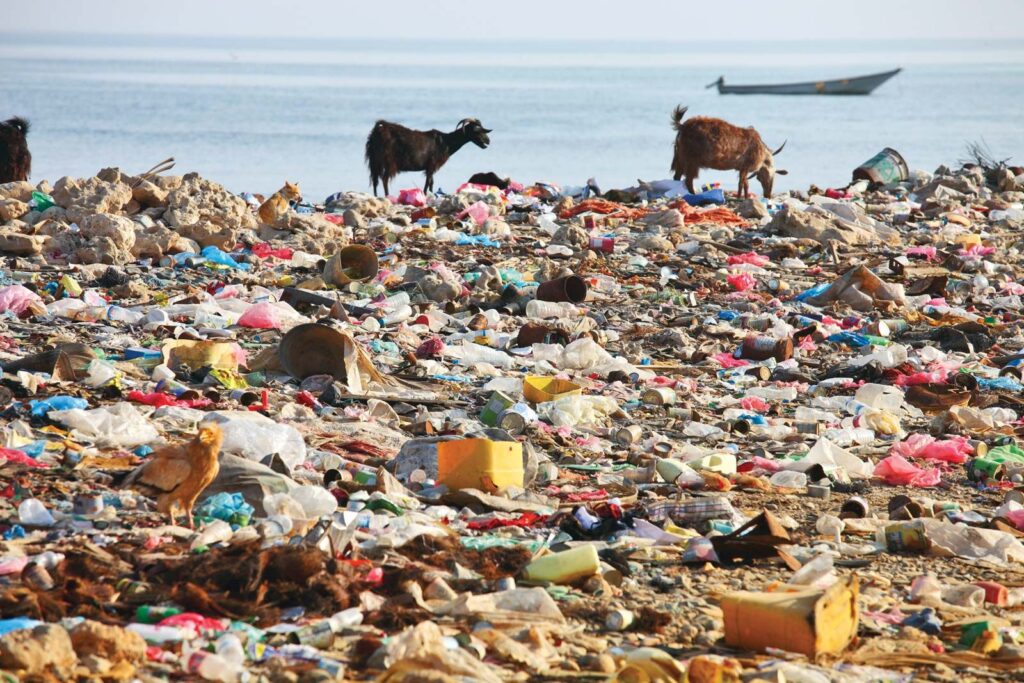
Plastic pollution is an escalating crisis that affects our oceans and coastlines worldwide. Recently, the shores of Orkney were hit with an overwhelming influx of marine debris, including plastic bottles from as far back as the 1960s, raising concerns about the impact on local wildlife and beaches. Litter pickers at Howar Sands in Sanday reported collecting hundreds of pieces of retro plastic waste, indicating the persistent nature of this environmental issue. The alarming amount of beach litter continues to accumulate, demonstrating the urgent need for increased environmental awareness and action to mitigate plastic waste. Communities like the Orkney cleanup group are stepping up to tackle this growing problem, but the sheer volume of trash poses a significant challenge for conservation efforts.
The challenge of plastic contamination is a pressing environmental dilemma that stems from the widespread presence of synthetic materials in our ecosystems. In locales like the Orkney Islands, long-standing beach cleanup initiatives face a surge in refuse, including remnants of vintage plastic products from decades past. This type of debris not only mars the landscape but also poses risks to the delicate balance of marine life. As people become more conscious of the challenges posed by litter, there is a growing movement towards fostering community action aimed at preserving natural habitats. Indeed, the journey towards cleaner beaches and healthier oceans begins with recognizing the far-reaching effects of our consumer choices and the legacy of materials we leave behind.
The Impact of Plastic Pollution on Marine Environments
Plastic pollution is a pressing environmental crisis that continues to escalate around the globe. The recent discovery of plastic debris on Orkney beaches, particularly items originating from the 1960s in Canada, highlights the long-lasting impact of human consumption patterns and waste management practices. Plastic items do not decompose like organic materials; instead, they fragment into smaller microplastics that persist in marine environments for centuries, posing a grave threat to marine life and ecosystems. This ongoing issue emphasizes the urgent need for enhanced environmental stewardship and awareness.
Moreover, the prevalence of historical litter, such as the retro plastic waste found on Howar Sands beach, serves as a stark reminder of our collective responsibility to address plastic pollution. Organizations like the Marine Conservation Society stress that seasonal storms and coastal erosion can release accumulated debris into the ocean, exacerbating the existing problem. Such reminders motivate community efforts, like beach clean-ups, and encourage discussions around minimizing plastic consumption and improving waste management strategies.
Community Responses to Beach Litter: The Orkney Cleanup Initiative
In response to increasing amounts of beach litter, particularly plastic pollution, community members in Orkney have rallied around cleanup initiatives. David Warner, a local organizer, has expressed concern over the volume of retro plastic waste found during recent clean-ups, indicating an overwhelming number of items strewn across the sands. The persistent issue of beach litter showcases how environmental awareness is integral to conservation efforts and how local communities can mobilize to address these challenges through direct action.
The Orkney Cleanup Initiative highlights the importance of community engagement in environmental efforts, as residents not only remove debris but also promote awareness of the sources and consequences of plastic waste. Volunteers, including members of the Sanday Community Craft Club, are exploring creative ways to repurpose collected items into artistic sculptures, driving home the message about the perils of plastic consumption. These community efforts underscore a powerful narrative of togetherness and accountability in combating marine debris.
Challenges and Successes in Tackling Beach Pollution: Lessons Learned from Orkney Cleanups
Beach cleanups, while essential for maintaining clean shorelines, often reveal the complexities involved in tackling pollution. As experienced by Warner and his team, even after significant collection efforts, they frequently return to find the beaches littered once again with plastic waste. This reflects the reality that while volunteer efforts can make a visible difference, systemic change is required to combat the root causes of plastic pollution effectively.
Through initiatives like the Orkney Cleanup, lessons learned can inform broader approaches to environmental protection. Awareness campaigns can play a critical role in educating consumers about product choices, waste management, and the long-term impacts of plastic pollution. Moreover, community collaborations, such as those seen in Orkney, can inspire similar movements worldwide, emphasizing that collective action is vital for safeguarding our oceans and landscapes.
Raising Environmental Awareness Amidst Plastic Pollution
Raising environmental awareness is crucial as communities like Sanday contend with the challenges of plastic pollution. Finding extensive plastic debris from decades ago highlights the persistent legacy of human activity on natural ecosystems. By directing attention towards the historical context of marine debris, organizations and local leaders can foster a sense of accountability and urgency in addressing the present-day implications of our consumption behaviors.
Educational initiatives aimed at raising awareness about plastic pollution can empower communities to take ownership of environmental issues. For instance, Warner’s proposition of an official beach cleaning group envisions a platform for sharing knowledge and experiences related to environmental stewardship. This collaborative approach underpins the belief that informed individuals are more likely to contribute positively towards sustainability efforts, thereby helping to mitigate future plastic pollution.
Creative Solutions: Transforming Plastic Waste into Art
Art can serve as a powerful medium for social change, and the Orkney Cleanup initiative is embracing this potential by contemplating the transformation of collected plastic into artistic sculptures. By presenting marine debris in a creative light, activists and artists alike can provoke thought and discourse around the urgent issue of plastic pollution. Art engages the public emotionally, prompting viewers to reflect on their own contributions to waste and the long-term ramifications of plastic use.
Through innovative artistic expressions, communities can amplify the message surrounding environmental consciousness. In Orkney, the possibility of incorporating beach litter into art not only raises awareness but also challenges traditional narratives about waste. The juxtaposition of beauty and trash compels observers to reconsider the lifecycle of plastic products and inspire collective action towards cleaner beaches and healthier marine environments.
The Role of Weather Patterns in Plastic Debris Accumulation
Recent reports indicate that extraordinary weather patterns, including strong south-easterly winds, have influenced the increase of marine debris washing ashore on Orkney beaches. Changes in weather can contribute to the mobilization of historical litter, bringing forgotten plastics to the forefront of environmental discussions. Understanding these dynamics is essential for communities and organizations focused on combating plastic pollution, as it emphasizes the unpredictability of marine debris movement.
The connection between weather patterns and plastic pollution highlights the need for ongoing research and monitoring to address the influx of marine debris effectively. Knowledge of these patterns can guide community cleanups and conservation strategies, providing insight into optimal times for mobilizing volunteer efforts. As environmental awareness grows, recognizing the interplay between climate change and marine litter can foster a deeper understanding of the broader environmental crisis at hand.
Historical Insights: The Legacy of Retro Plastic Waste
The discovery of retro plastic waste is a revealing aspect of the ongoing plastic pollution crisis. In Orkney, plastic items from the 1960s and 70s are indicative of how waste accumulation transcends generations, leaving behind remnants of past consumption habits. This historical perspective is critical in understanding the long-term implications of plastic production and emphasizes the need for global policy changes in waste management.
Moreover, the presence of enduring materials like polystyrene on beaches reflects a pressing challenge in the fight against marine debris. With some estimates suggesting that hundreds of thousands of pieces litter the sands, it’s evident that the issue is not merely transient but rather a deep-rooted problem. Addressing this legacy requires a collective commitment to transforming consumer behaviors and engaging in proactive waste reduction initiatives.
Protecting Wildlife: The Hidden Costs of Marine Debris
Marine debris, particularly plastic pollution, poses a significant threat to wildlife along coastlines like those in Orkney. The litter accumulated on the shores interferes with habitats crucial for nesting and breeding, impacting local biodiversity. For example, polystyrene and other tangible debris can result in entanglement, ingestion, and disruption of natural behaviors in marine animal populations.
Understanding the connection between plastic waste and wildlife safety informs the necessity of cleanliness in our oceans. By participating in cleanup efforts and raising awareness of the dangers posed by litter, communities can become advocates for the protection of these ecosystems. As local leaders push for proactive environmental measures, it is vital for public understanding of the relationship between human activities and wildlife conservation to grow.
The Need for Systematic Changes in Waste Management
Addressing plastic pollution in environments like Orkney necessitates a systemic change in how waste is handled and managed. Community cleanups are merely a first step in mitigating the effects of marine debris—they must be complemented by stronger policies surrounding waste reduction, recycling initiatives, and sustainable product design. Advocating for such changes can challenge municipalities and governments to reconsider their approaches to environmental health.
Additionally, successful coordination among stakeholders, including local governments, environmental organizations, and community groups, is vital to creating comprehensive solutions to plastic pollution. Engaging citizens in discussing waste management policies can empower them to influence decision-makers, ensuring their concerns about plastic waste find a voice in developing sustainable practices. With collaboration and persistent advocacy, real change can emerge from community efforts to combat plastic pollution.
Frequently Asked Questions
What are the main sources of plastic pollution impacting marine environments?
Plastic pollution primarily originates from human activities, including improper waste disposal, manufacturing processes, and littering. Marine debris often consists of plastic items, such as bottles, bags, and packaging materials, which can travel thousands of miles, affecting ecosystems like those in Orkney. Understanding these sources is crucial for addressing the ongoing challenges posed by plastic waste.
How does beach litter contribute to environmental degradation in coastal areas?
Beach litter, especially plastic pollution, poses significant threats to coastal ecosystems and wildlife. It can harm marine species through ingestion and entanglement, disrupt natural habitats, and degrade the aesthetic and recreational value of beaches. Cleaning efforts, like those organized on Orkney, aim to mitigate these impacts and foster environmental awareness.
What is retro plastic waste and how does it affect marine life?
Retro plastic waste refers to older plastic debris, often dating back decades, that continues to wash ashore due to ocean currents and erosion of coastal landfills. This type of waste, like the plastic bottles found on Orkney beaches, can persist in the environment for hundreds of years, endangering marine life as creatures mistakenly ingest or become entangled in it.
What initiatives are being taken to address plastic pollution at Orkney beaches?
Local initiatives, such as organized cleanups on Orkney, focus on reducing the impact of plastic pollution by removing debris from shorelines. These efforts not only clean the beaches but also raise environmental awareness among residents and visitors about the lasting effects of plastic waste on marine ecosystems, highlighting the importance of sustainable practices.
How does weather impact the accumulation of marine debris on coastlines like Orkney?
Extreme weather conditions, such as strong winds and storms, can significantly impact the accumulation of marine debris on coastlines. In Orkney, unusual weather patterns can wash ashore increased amounts of plastic pollution, including retro rubbish, increasing the urgency for beach-cleaning efforts to address the growing amount of litter.
How can individuals contribute to reducing plastic pollution in their communities?
Individuals can play a vital role in reducing plastic pollution by adopting sustainable practices, such as using reusable bags and bottles, participating in local cleanup activities, and educating others about the impact of plastic waste. Awareness and collective action are key to tackling the challenges posed by marine debris and ensuring cleaner environments.
Why is it important to have spaces for discussing beach litter and marine debris?
Creating spaces for discussing beach litter and marine debris fosters community awareness and collaboration on tackling plastic pollution. Such platforms allow individuals to share their experiences, motivate one another for cleanup efforts, and develop innovative solutions to minimize plastic use and its effects on the environment.
| Key Points |
|---|
| Plastic pollution is increasing on Orkney beaches with debris from the 1960s and 70s washing ashore, especially at Howar Sands on Sanday. |
| David Warner, who organizes beach cleans, found a significant increase in plastic bottles this year, detailing a jump from 42 last year to hundreds in 2023. |
| The rise in ‘retro rubbish’ is attributed to extraordinary weather patterns and seasonal storms that displace historical litter. |
| The plastic pollution poses risks to wildlife, particularly as the beach is a nesting site for birds. |
| 350,000 pieces of polystyrene were estimated in 70 square meters of the beach, indicating a severe pollution issue. |
| Historical litter often washes ashore this time of year, exacerbated by coastal erosion and landfill sites. |
| Community efforts are underway, with plans for a beach cleaning group and potential recycling of plastics for art. |
Summary
Plastic pollution has become an alarming environmental issue, especially highlighted by the recent findings of decades-old debris washing up on Orkney beaches. This situation underscores the long-term persistence of plastics in marine environments, as evidenced by the overwhelming amounts of plastic litter reported by local beach cleaners. Community awareness and actionable efforts are crucial in addressing this ongoing challenge and encouraging sustainable practices to reduce future plastic waste.