
Listen to this article
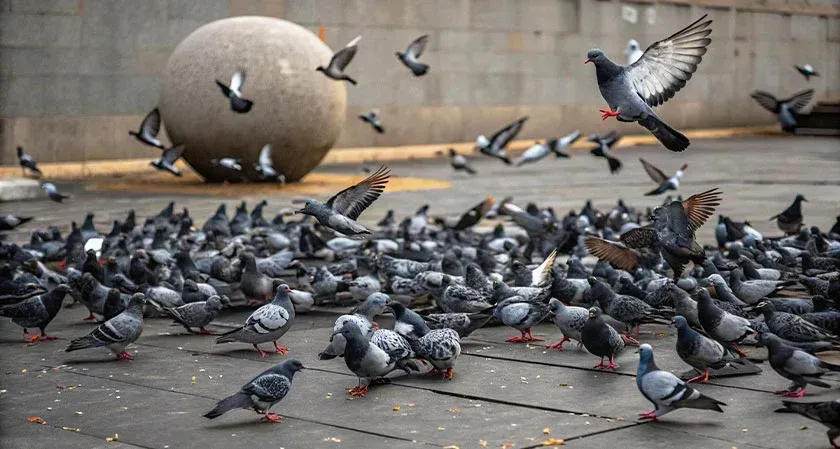
Pigeon population control is becoming an essential topic in urban wildlife management as cities grapple with increasing numbers of feral pigeons. These birds, often perceived as nuisances, significantly impact our environment, prompting conversations about how best to manage their populations without causing harm. The repetitive cycle of pigeon feeding by well-meaning individuals exacerbates the issue, leading to unsustainable growth in pigeon numbers. Implementing effective control measures is crucial not only for public health but also for preserving the delicate balance of urban ecosystems. As we explore methods to mitigate the environmental impact of pigeons, it’s important to challenge the perspectives surrounding them and seek humane solutions.
Addressing the surge of feral birds within city landscapes often leads to discussions around effective management of local wildlife. The challenge lies in overseeing the burgeoning numbers of these urban-dwelling doves, which are frequently fed by residents, contributing to their rapid population growth. Given their adaptability and intelligence, these birds can thrive in urban settings, leading to concerns about health risks and ecological balance. Many people advocate for strategies that focus not on the extinction of these creatures but rather on the regulation of human interactions, particularly those involving pigeon feeding. Ultimately, the goal of urban wildlife management should be to harmonize human activity with the natural behaviors of these fascinating birds.
Understanding the Pigeon Population Crisis
The issue of excessive feral pigeon populations is a growing concern in urban areas worldwide. As urban wildlife becomes more common, understanding the dynamics of pigeon populations and their effects on city life becomes essential. Their presence can lead to numerous problems, including increased litter and potential health risks tied to their droppings. In studying the urban landscape, it is vital to assess how pigeon feeding practices contribute to maintaining these populations, prompting a need for targeted urban wildlife management strategies.
Pigeons are incredibly adaptable birds, commonly thriving in city environments where food sources are readily available. Unfortunately, this adaptability also leads to overpopulation when feeding practices encourage breeding and flocking. Associations between the number of pigeons and available food highlight the impact of human behavior on their population size, reinforcing the argument for communities to reassess how they interact with these birds.
The Role of Pigeon Feeding in Population Dynamics
Pigeon feeding is often seen as a harmless activity; however, it can exacerbate the issue of overpopulation. When people feed pigeons, they inadvertently create an environment that allows these birds to thrive in numbers that can be detrimental to local ecosystems. Urban wildlife management initiatives need to educate the public about the long-term environmental impact of uncontrolled feeding practices, which contribute significantly to increased pigeon populations.
Moreover, figures show that access to consistent food sources enables pigeons to breed prolifically. This relationship poses a fundamental challenge: as long as there is feeding, the population will continue to rise, leading to a cycle of overpopulation that can strain municipal resources. Addressing pigeon feeding behaviors is, therefore, a crucial step toward restoring balance in urban avian populations.
Effective Strategies for Pigeon Population Control
Managing pigeon populations requires a multifaceted approach that focuses on altering human behaviors that support feeding. Effective urban wildlife management could include implementing ordinances that restrict feeding in public areas, alongside educational campaigns that inform citizens about the selection of wildlife-friendly practices. Such measures can have a direct impact on reducing pigeon numbers and improving urban hygiene.
Another successful method has been to create designated areas, such as pigeon lofts, where controlled feeding can occur under supervision. This strategy allows pigeons to be managed in a way that stabilizes their population while still respecting their ecological role. By directing resources towards these humane methods, cities can maintain a balanced population of feral pigeons while minimizing the negative environmental impacts associated with overfeeding.
The Environmental Impact of Pigeons in Urban Areas
The environmental impact of pigeon populations is significant, as their droppings can cause damage to buildings and contribute to unsanitary conditions in public spaces. High concentrations of pigeon waste can lead to nutrient runoff into the water supply, necessitating increased efforts for urban cleanup and maintenance. It is essential for local authorities to consider these environmental implications when developing strategies for pigeon management.
Furthermore, urban wildlife management should include considerations regarding other wildlife species affected by pigeon populations. For instance, the presence of feral pigeons can lead to competition with native bird species for food and nesting spaces, impacting overall biodiversity in urban environments. A comprehensive strategy to integrate the management of pigeon populations should involve wider ecological assessments to ensure a healthy urban ecosystem.
Celebrating Pigeons: A Shift in Perspective
While pigeons are often regarded as pests, a shift in perspective could lead to a greater appreciation for these remarkable birds. There are many aspects to admire about feral pigeons, including their intelligence and resilience. Capturing their rich history, particularly during times of conflict, reminds us of the important role they have played in human events, such as during the Second World War. Recognizing their value can lead to more harmonious coexistence.
Encouraging communities to celebrate rather than vilify pigeons can foster a more informed dialogue around their roles in urban ecosystems. Engaging citizens in discussions about humane management practices and the ecological significance of pigeons could lead to productive outcomes in urban wildlife management. By viewing pigeons as integral parts of our urban landscape, we can work toward sustainable solutions for their management.
Humane Methods for Managing Pigeons
Implementing humane methods for managing pigeon populations is essential to ensuring their survival while addressing public concerns. Strategies such as habitat modification and the use of pigeon lofts can mitigate their numbers without resorting to lethal measures. These approaches not only satisfy ethical considerations but can also enhance community support for urban wildlife management measures.
Additionally, the integration of community outreach programs can empower citizens to participate in these humane initiatives. By fostering a spirit of responsibility regarding wildlife interactions, municipal programs can create long-term solutions that benefit both human residents and feral pigeons alike. Ultimately, humane management reflects a broader commitment to coexistence with urban wildlife.
The Case Against Pigeon Eradication
Eradicating pigeon populations may seem like a straightforward solution; however, it often leads to more problems than it solves. High removal rates can destabilize local ecosystems, leading to unintended consequences, such as vacuum effects where other pest species flourish in the absence of pigeons. Urban wildlife management must prioritize balance and stability over knee-jerk eradication tactics.
Moreover, ethical considerations come into play when discussing pigeon eradication. Many individuals view these birds as part of the urban landscape worthy of respect and protection. Finding alternatives that avoid eradication while addressing public concerns leads to more sustainable and community-friendly approaches to managing urban wildlife.
Engaging the Community in Pigeon Management
Community engagement is crucial for the long-term success of pigeon population control efforts. Local residents often have valuable insights into pigeon behavior and population trends that can inform management strategies. Encouraging community involvement in monitoring and reporting pigeon hotspots can help create a collaborative approach to urban wildlife management.
Additionally, involving the community in educational initiatives around the environmental impact of feeding pigeons can lead to improved practices. Workshops, flyers, and public discussions can help inform people about the benefits of reducing feeding habits and the importance of humane population control methods. Engaging citizens ensures that solutions are embraced rather than resisted, ultimately leading to a healthier urban environment.
The Future of Pigeons in Urban Spaces
Looking ahead, the future of pigeons in urban environments will largely depend on how communities choose to manage them. As cities evolve and the relationship between humans and wildlife continues to change, innovative approaches are needed to ensure that pigeon populations are balanced while preserving their historical significance. Emerging technologies and data-driven strategies can help improve population management outcomes.
Moreover, as awareness grows about the ecological roles of feral pigeons, there is potential for developing more ecologically sound urban planning initiatives that accommodate these birds. Research into their behavior and interactions with other species can lead to better practices that promote biodiversity and help maintain healthy urban ecosystems.
Frequently Asked Questions
What are effective methods for pigeon population control in urban areas?
Effective pigeon population control in urban areas often involves managing food sources rather than eliminating the birds themselves. Strategies include educating the public about the environmental impact of feeding feral pigeons, implementing feeding bans, and using humane traps to manage overpopulation.
How does pigeon feeding affect feral pigeon populations?
Pigeon feeding significantly contributes to the growth of feral pigeon populations. When humans continuously provide food, these birds become less reliant on natural food sources and breed more frequently, exacerbating urban wildlife management challenges.
What environmental impacts do pigeons have on urban settings?
Feral pigeons can have several environmental impacts in urban settings, including damaging buildings with droppings, which can lead to costly repairs, and spreading diseases. Managing pigeon populations is essential to minimize these negative effects.
Is pigeon population control humane?
Yes, humane pigeon population control measures focus on reducing available food sources and deterring people from feeding pigeons, thereby stabilizing or reducing populations without harming the birds.
What role do dovecotes play in pigeon population management?
Dovecotes can play a role in pigeon population management by providing a controlled environment for breeding. However, their effectiveness relies on strict controls to prevent feeding outside the dovecote, ensuring that pigeons do not become reliant on urban food sources.
Why is pigeon feeding considered a problem for wildlife management?
Pigeon feeding is problematic for wildlife management because it leads to increasing feral pigeon populations, which can disrupt local ecosystems, cause health concerns, and result in economic issues due to property damage.
How can cities effectively reduce their feral pigeon populations?
Cities can effectively reduce feral pigeon populations by enforcing feeding bans, educating the public about the consequences of feeding, and implementing humane removal strategies to ensure the population is managed sustainably.
What misconceptions exist about feral pigeons and their behavior?
A common misconception is that feral pigeons are solely sedentary and depend on humans for survival. In reality, while they may flock to food sources, they are highly mobile and can adapt to various environments if feeding is restricted.
Can natural predators help control pigeon populations in cities?
While natural predators like hawks may control pigeon populations to some extent, their effectiveness is limited in urban areas where feral pigeons are well-adapted. Comprehensive strategies are needed for sustainable pigeon population control.
What can individuals do to help manage feral pigeon populations?
Individuals can help manage feral pigeon populations by refraining from feeding them, reporting excessive pigeon flocks to local wildlife management authorities, and supporting campaigns aimed at humane population control efforts.
| Key Points | Details |
|---|---|
| Pigeon Feeding Control | Controlling those who feed pigeons is crucial for managing their population. |
| Misguided Solutions | Efforts like dovecotes or hawks are ineffective as they ignore the food source issue. |
| Historical Context | Pigeons have been treated as pests historically, but their role in history (WWII) is significant. |
| Ecological Impact | Removing pigeons without addressing food availability leads them to simply relocate instead of decreasing in number. |
| Community Solutions | Cities that regulate feeding experience fewer complaints and stabilized pigeon populations. |
Summary
Pigeon population control is essential for urban environments suffering from overpopulation issues. Proper management, particularly by regulating human feeding, is necessary to achieve humane population stabilization. Historical examples show that merely deterring pigeons through various means does not work; understanding their habits and the effect of human actions is crucial. By focusing on the behavior of those who feed pigeons, communities can implement effective strategies that maintain a balance between wildlife appreciation and public health.