
Listen to this article
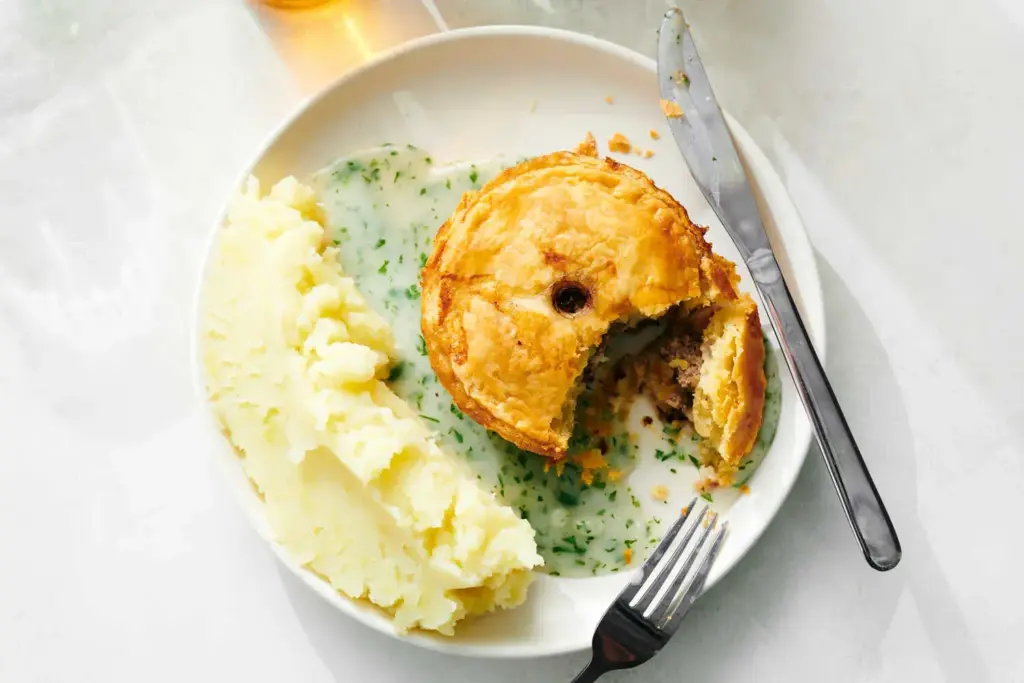
Pie and mash, a beloved comfort dish born from London’s rich culinary heritage, is experiencing a revival that captivates both locals and newcomers alike. This traditional British cuisine, steeped in history, showcases the fundamental flavors of the working-class Cockney community, combining savory pies filled with minced meat, creamy mashed potatoes, and the iconic parsley sauce known as liquor. As the landscape of London food traditions shifts, the enduring charm of pie and mash stands out amid the decline of iconic eateries, with dedicated enthusiasts rallying to preserve these cherished establishments. The resurgence of interest in pie and mash can be attributed to a growing appreciation for Cockney dishes and a desire to connect with the vibrant history of pie and mash in London. With social media amplifying its presence, many are hopeful that this classic fast food can carve out its place in contemporary gastronomy, ensuring its legacy continues for future generations.
At the heart of London’s culinary scene lies the classic combination of savory pastries and creamy potatoes, known affectionately as pie and mash. This time-honored dish, emblematic of London’s East End heritage, showcases the essence of traditional British fare, crafted to please those seeking hearty, affordable meals. Once a staple among environmental restoration, pie and mash shops now face the challenges of modernization while being revered by food historians and enthusiasts alike. The cultural significance of this dish highlights its roots in working-class history, where it originated as a quick and satisfying dining option. As we delve into the vibrant world of pie and mash revival, the fascinating stories behind these establishments will provide insightful perspectives on how they represent London’s enduring food traditions.
The Rich History of Pie and Mash in London
Pie and mash, a quintessential part of London’s culinary landscape, has a legacy that dates back over a century. Originating as a convenient meal for the working class, these shops sprang up in the East End of London, offering hearty fare at affordable prices. Traditionally served with a slippery drizzle of parsley liquor, this dish traces its roots to the mid-19th century when eels were a staple among the local populace. As beef became more accessible and cheaper than eel, the classic filled pie transitioned, adapting to the economic realities while still remaining a comfort food for many. Today, pie and mash shops are seen as guardians of traditional British cuisine, and their survival reflects the resilience of Cockney food culture amidst the rapidly changing gastronomic landscape of London.
However, the history of pie and mash in London is not merely a tale of nostalgia; it’s a story of evolution. While the configuration of the dish has remained largely the same, the perception and accessibility of these beloved establishments have fluctuated over the decades. In the height of its popularity, these shops were ubiquitous across the streets of East London, catering to the tastes of many. Yet, as culinary trends shifted towards gourmet and high-end dining experiences, these traditional pie and mash shops faced significant decline. Recent efforts to revive interest in this London food tradition signal hope for a resurgence, as younger generations discover the simplicity and heartiness of pie and mash, often sharing their experiences on social media.
The Pie and Mash Revival: A Culinary Comeback
The resurgence of pie and mash in London showcases a fascinating revival of interest in traditional British cuisine that many believed was fading into obscurity. Social media platforms, particularly TikTok, have played a pivotal role in this revival, creating a buzz around charming dining experiences and the unique customs associated with pie and mash shops. Influencers and food bloggers are now showcasing these establishments, reinvigorating interest among a younger demographic eager to connect with the city’s culinary heritage. This rejuvenation is encouraging new pie and mash shops to emerge, indicating a promising shift in consumer behavior towards this iconic dish.
Moreover, the push for protected status for pie and mash, as seen with the call for Traditional Speciality Guaranteed (TSG) recognition, has sparked conversations about the significance of preserving culinary traditions in an ever-evolving city. Advocates argue that such a designation could safeguard the recipe and standards of pie and mash, ensuring its authenticity while fostering a new appreciation for this working-class dish. As these shops adapt to contemporary tastes—with some even introducing variations like vegetarian pies—the foundation of pie and mash remains intact, celebrating its history while paving the way for innovative interpretations.
Understanding Cockney Dishes: More Than Just Pie and Mash
Cockney cuisine, often characterized by its hearty and filling dishes, goes beyond the beloved pie and mash. It reflects a cultural identity forged in the working-class neighborhoods of London, particularly during the 19th and 20th centuries. Traditional Cockney dishes such as jellied eels and fish and chips capture the essence of this vibrant food scene, as they were crafted from ingredients that were affordable and accessible to the masses. The importance of these dishes lies not just in their taste but in their role as community staples that brought people together in pubs and pie shops, creating a communal dining experience that is integral to London’s food heritage.
Furthermore, the intrinsic connection between Cockney dishes and the people of London is what strengthens the appeal of pie and mash. As these food traditions are lovingly passed down through generations, they embody stories of resilience and communal spirit. The customs surrounding how to enjoy pie and mash—such as the use of vinegar and the avoidance of knives—are unique to this culinary experience, adding an element of nostalgia and camaraderie to each meal. Embracing these rituals is crucial for newcomers who wish to truly enjoy the dish, and as more people explore Cockney cuisine, there is a growing movement to cherish these time-honored traditions.
Pie and Mash Shops: Guardians of Tradition
Pie and mash shops serve as crucial custodians of London’s culinary tradition, standing as vibrant reminders of the city’s working-class history. With the decline in the number of these establishments, the remaining pie and mash shops have become more than eateries; they are cultural landmarks. Owners like Nathan Jacobi at BJ’s maintain this legacy through their commitment to serving authentic dishes made with fresh ingredients, striving to keep the traditional flavors alive. The communal atmosphere often found within these shops fosters connections between locals and visitors alike, reinforcing the social fabric of the neighborhood while celebrating the rich history and customs surrounding pie and mash.
Despite the challenges these shops face, their resilience shines through as they adapt to modern eating habits while preserving their traditions. Many shop owners engage with their community through social media, inviting patrons to share their pie and mash experiences, which helps to create a renewed appreciation for this classic dish. As the popularity of traditional British cuisine continues to grow, these pie and mash shops stand poised to reclaim their rightful place at the heart of London’s food culture, drawing in both loyal customers and curious new fans.
A New Generation’s Take on Pie and Mash
The younger generation of Londoners is beginning to rediscover pie and mash, infusing the dish with fresh perspectives while adhering to its time-honored traditions. Food enthusiasts on platforms like TikTok are exposing the quirks of pie and mash culture, from the art of ordering to the etiquette that dictates how to consume this dish properly. This new wave of interest is helping to demystify the dining experience for those who may have been intimidated by the unwritten rules. The playful exploration of traditional customs, alongside the welcoming environment created by shop owners, is making pie and mash accessible to everyone, not just those with Cockney roots.
As a result of this trend, there is a blossoming of diverse interpretations of pie and mash that resonate with modern palates. New menu items, such as vegetarian alternatives or inventive sides like chips, are making their way into shops, attracting those who might be pie and mash novices. While some purists may raise eyebrows at these developments, many see it as a necessary evolution, ensuring that pie and mash continues to be a relevant and cherished part of London’s food scene. The marriage of tradition and innovation ensures that pie and mash has a promising future in a city that continues to grow and change.
The Challenges Facing Traditional Pie and Mash Shops
Despite the revival of interest in pie and mash, traditional shops face an array of challenges that threaten their existence. Increasing rent prices and a shifting demographic in London can make it difficult for legacy businesses to thrive. Many of these establishments are operating on tight margins, raising concerns over their sustainability in an ever-evolving marketplace. Additionally, the nostalgia associated with these pie and mash joints does not always translate to profitability, as some people view them as quaint relics rather than vibrant dining options. As a result, some shops struggle to maintain their customer base in the face of changing tastes and diner preferences.
Furthermore, the adaptability of these shops is put to the test as they navigate the demands of contemporary customers. While loyal patrons may prefer the traditional experience, new customers often seek variety and innovation, potentially creating a rift among different dining cultures. The challenge lies in striking a balance—preserving the authenticity of the dish while introducing elements that appeal to a new audience. Emerging concepts, like vegetarian options and modernized dining settings, are important, but the essence of the beloved pie and mash must not be lost in translation. Finding this equilibrium is crucial for the survival of these cherished venues.
Sustaining the Future of Pie and Mash
As London’s culinary landscape continues to evolve, the future of pie and mash shops hinges on their ability to adapt while remaining true to their roots. The movement towards obtaining Traditional Speciality Guaranteed (TSG) status reflects a desire to create a framework that respects the historical significance of pie and mash in British cuisine. This initiative could provide a lifeline for many shops, allowing them to safeguard their traditional practices while also attracting attention from a broader audience. Embracing this recognition may help pie and mash secure its place in contemporary dining, drawing in both nostalgic locals and adventurous new patrons.
In addition to legislative efforts, community engagement is vital for preserving and promoting pie and mash culture. Initiatives that encourage local support through events, partnerships, or pop-up experiences can further cultivate appreciation for this historic dish. By tapping into London’s vibrant food scene and participating in food fairs and festivals, pie and mash shops can showcase their offerings while connecting with a wider audience. Collaborative efforts between restaurateurs, bloggers, and culinary influencers are essential in breathing new life into traditional fare, ensuring that the essence of pie and mash lives on for future generations to embrace.
The Significance of Liquor in Pie and Mash Culture
Throughout the history of pie and mash, liquor has remained an essential component of this iconic dish, elevating the overall experience for diners. Traditionally made from the stock of boiled eels, liquor is known for its velvety texture and herbaceous flavor, providing the perfect complement to the savory pies and creamy mash. The use of liquor is not merely an embellishment; it is a cultural touchstone that embodies the spirit of Cockney cuisine, reminding patrons of the humble origins of this beloved dish. For many, it serves as an invitation to celebrate community, nostalgia, and a rich culinary tradition.
However, as some shops begin to explore alternative sauces, such as gravy, traditionalists argue that the integrity of the dish must remain intact. The discussion surrounding liquor raises larger questions about identity, authenticity, and the future of pie and mash in an ever-changing culinary landscape. Supporters of the classic liquor emphasize that while adaptations may attract new customers, the heritage and ceremonial importance of this condiment should not be compromised. Ensuring that this distinct element persists within the realm of pie and mash culture is essential to maintain the legacy of this cherished London dish.
Frequently Asked Questions
What is pie and mash in London food traditions?
Pie and mash is a traditional British dish consisting of a meat pie filled primarily with minced meat, served with a generous helping of mashed potatoes and a classic parsley sauce known as liquor. This dish holds a special place in London food traditions, particularly within Cockney culture, where it has been served in pie and mash shops since the Victorian era.
How has the history of pie and mash in London influenced its popularity today?
The history of pie and mash in London, rooted in the working-class East End, has shaped its resurgence in popularity today. Once a staple for laborers, this traditional British cuisine is now experiencing a revival among younger generations seeking authentic comfort food experiences, demonstrated by the recent success of established pie shops.
What role do Cockney dishes like pie and mash play in London’s culinary scene?
Cockney dishes, including pie and mash, are integral to London’s culinary scene as they represent the flavors and traditions of the city’s working-class history. These dishes not only preserve the heritage of British cuisine but also attract new food enthusiasts eager to experience the authentic tastes of London.
Why is the pie and mash revival significant in contemporary London?
The pie and mash revival is significant in contemporary London as it highlights a growing appreciation for traditional British cuisine amidst a rapidly changing food landscape. This movement is supported by social media visibility and a desire to protect these culinary icons, helping to preserve London’s rich food heritage.
What traditional elements are essential when enjoying pie and mash?
When enjoying pie and mash, traditional elements include the manner of eating—using only a fork and spoon—and the accompaniment of liquor, a parsley sauce that enhances the dish’s flavor. These customs contribute to the unique experience of consuming pie and mash as part of London’s food traditions.
How do modern interpretations of pie and mash affect its traditional identity?
Modern interpretations, such as offering variations like chips alongside mash, sometimes challenge the traditional identity of pie and mash. However, many purists insist on maintaining classic recipes and serving methods to preserve the cultural significance of this beloved Cockney dish.
Are there any recent developments concerning pie and mash shops in London?
Yes, recent developments include a call for pie and mash to receive Traditional Speciality Guaranteed (TSG) status, aimed at maintaining its authenticity and allowing shops to adapt in ways that promote sustainability while preserving traditional recipes.
What challenges do pie and mash shops currently face?
Pie and mash shops face challenges such as competition from trending eateries, changing customer preferences, and difficulties in maintaining traditional preparation methods. Despite these obstacles, some shops are experiencing popularity boosts thanks to social media and a nostalgic revival.
How can tourists experience authentic pie and mash during their visit to London?
To experience authentic pie and mash in London, tourists should seek out longstanding pie shops known for their adherence to traditional recipes and customs. Engaging with local food bloggers or tours focusing on Cockney cuisine can also enrich this culinary experience.
What should you know about ordering pie and mash as part of Cockney cuisine?
When ordering pie and mash as part of Cockney cuisine, it’s important to familiarize yourself with the terminology, such as asking for ‘one and one’ for a single pie and a portion of mash. Understanding local customs, like not using a knife, can enhance your dining experience.
| Key Points |
|---|
| Historical context of pie and mash shops in London – once hundreds, now just over 30. |
| A revival in popularity, especially among younger generations via social media and TikTok. |
| Closure of iconic shops with some new openings, indicating a mixed future for the tradition. |
| The traditional way of consuming pie and mash has unique rules that can be intimidating for newcomers. |
| The debate on preserving tradition versus adapting to modern tastes and preferences. |
| A push for Traditional Specialty Guaranteed (TSG) status to protect the authenticity of pie and mash. |
| Innovations in pie and mash shops might be necessary for their survival, including offering alternative dishes |
Summary
Pie and mash is an enduring symbol of London’s culinary heritage, reflecting its roots as the original fast food. Despite significant decline, there is hope for a revival as modern trends and social media bring attention to these cherished establishments. However, striking a balance between innovation and tradition remains crucial for the future of pie and mash shops to thrive in the ever-evolving landscape of London’s dining scene.