
Listen to this article
PFAS contamination has emerged as a critical environmental issue, drawing attention to the long-held secrets surrounding toxic chemical exposure in industrial settings. Particularly highlighted by recent investigations, the 3M Swansea factory stands accused of endangering its employees through the use of hazardous firefighting foam containing PFOS and PFOA, both categorized as ‘forever chemicals.’ These substances are notorious for accumulating in human bodies and the environment, leading to serious health repercussions, including cancer and organ damage. Despite 3M’s claims about prioritizing worker safety, evidence reveals a troubling neglect of their obligation to inform employees of the firefighting foam health risks they faced daily. As studies increasingly uncover the PFOS PFOA dangers associated with prolonged exposure, the urgency for comprehensive action against environmental contamination by entities like 3M cannot be overstated.
The issue of persistent organic pollutants, notably referred to as forever chemicals, encompasses a range of toxic substances, prominently including PFAS. Recent reports shed light on the widespread implications of industrial practices at facilities like the 3M Swansea plant, where employees unwittingly handled dangerous firefighting agents that have been linked to severe health outcomes. Workers’ exposure to these chemicals presents a myriad of health risks, amplifying concerns regarding long-term consequences such as cancer and other chronic diseases. As discussions around chemical safety regulations intensify, it is clear that addressing the fallout from environmental pollution and ensuring worker protection remain paramount in navigating these urgent public health challenges.
Understanding PFAS Contamination in the Environment
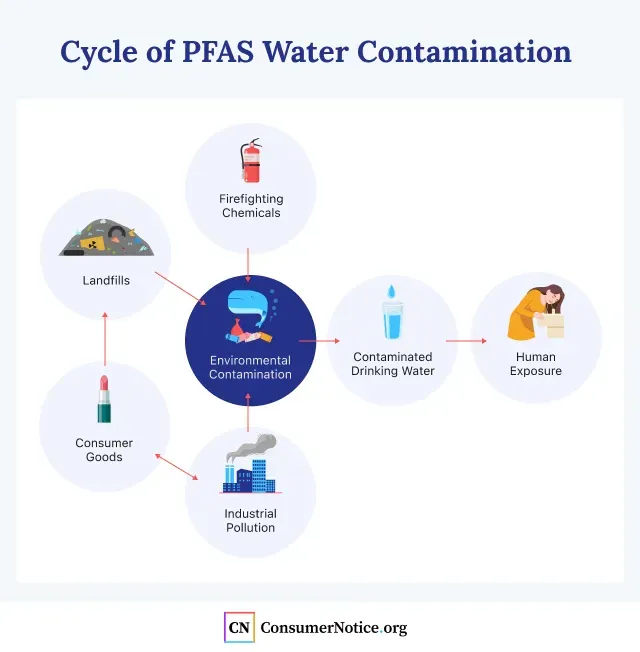
PFAS contamination has become a pressing environmental issue, particularly in industrial areas where chemical manufacturing and use have been prominent. At the 3M Swansea factory, the use of firefighting foam containing PFOS and PFOA has led to alarming levels of these ‘forever chemicals’ in the environment, making it a subject of intense scrutiny and concern. Scientific studies have demonstrated that PFAS are persistent in the environment and accumulate in living organisms, resulting in adverse health effects for both humans and wildlife.
The contamination at the 3M facility has raised questions about the long-term impacts of PFAS exposure. The environmental contamination report indicated levels of PFOS in soil that were shockingly high, posing significant risks to local ecosystems. With the rising awareness of PFAS dangers, communities near industrial sites are increasingly vigilant about testing and monitoring soil and water quality to ensure public health and safety.
Health Risks Associated with Firefighting Foam
Workers at the 3M Swansea factory were put at significant health risk due to their exposure to AFFF, which contains hazardous levels of PFOS and PFOA. Individuals involved in firefighting activities, referred to as ‘fire party’ members, were often not informed about the toxic properties of the foam they handled. Documented health impacts from PFAS exposure include liver damage, immune system disorder, and increased cancer risk, making the situation at the factory particularly concerning.
Reports from health experts indicate that exposure to high levels of these chemicals can lead to severe health consequences, including kidney cancer, which has affected several former employees. These alarming trends have prompted extensive research into the correlation between firefighting foam health risks and cancer rates, underscoring the crucial need for transparency and safety measures in industrial practices.
The Ongoing Battle Against Forever Chemicals
PFOS and PFOA are often referred to as ‘forever chemicals’ due to their environmental persistence and carcinogenic potential. Although 3M promised to cease manufacturing these substances by 2002, the legacy of contamination remains a critical issue for communities surrounding the Swansea factory. Legal battles are ongoing to hold companies accountable for the long-term effects of PFAS exposure, particularly regarding health risks associated with environmental contamination.
The plight of workers and their families affected by exposure to PFAS illustrates the broader implications of corporate responsibility regarding environmental and public health. As more revelations emerge about the dangers of these chemicals, there is a growing demand for regulatory changes that will prevent similar incidents in the future, emphasizing the need for companies to prioritize safety and environmental stewardship.
Investigating Environmental Contamination at 3M
Investigations into the environmental contamination caused by 3M’s operations in Swansea have revealed troubling levels of PFOS and PFOA in the surrounding soil and waters. These findings highlight the long-term consequences of neglecting safety protocols and environmental regulations, raising concerns about the transparency of the company’s practices. The land contamination reports from 2023 indicate a severe neglect in assessing the site’s health risks and addressing the needs of affected communities.
The findings are a stark reminder of the importance of proactive environmental monitoring. Scientists and environmentalists argue for implementing stringent regulations to prevent such dangerous contamination events in the future. As more data becomes available about the seriousness of PFAS contamination related to the 3M factory, effective remediation strategies and community awareness become critical components in tackling this issue.
Legal Implications of PFAS Exposure
Legal battles surrounding PFAS contamination have intensified as more individuals come forward with health concerns linked to their time at the 3M Swansea factory. High-profile lawsuits have emerged, reflecting a growing movement to hold corporations accountable for their negligence regarding employee safety and environmental degradation caused by forever chemicals. Legal experts stress the importance of documenting and understanding the health effects associated with longstanding exposure, which will play a crucial role in ongoing litigation.
These legal developments highlight the necessity of establishing stricter regulations for chemical manufacturers. Many workers suffering from illnesses related to PFOS and PFOA exposure are seeking recognition and compensation for the harms they have experienced, pushing for transparency and action from both the company and regulatory agencies. As these legal issues unfold, they highlight the need for comprehensive strategies to manage the public health crisis stemming from PFAS exposure.
Community Impact and Response to PFAS Contamination
The presence of PFAS contamination has had a profound impact on the Swansea community, with local residents increasingly affected by the repercussions of the 3M factory’s legacy. Community members have expressed concerns about drinking water safety and potential health risks, leading to calls for greater transparency from the company and rigorous testing of local resources. The realization that toxic chemicals have found their way into the environment has sparked advocacy for stronger environmental safeguards.
As awareness grows, community response teams and advocacy groups have mobilized to demand action, emphasizing the need for immediate health assessments and environmental cleanup efforts. The long-term health monitoring of those exposed to PFAS is vital to address any health concerns arising from the contamination, fostering a sense of community resilience and responsibility.
The Role of Regulatory Agencies in PFAS Management
Regulatory agencies play a vital role in managing PFAS contamination and ensuring public health safety. In the case of 3M’s operations at the Swansea factory, oversight agencies have faced criticism for their inaction and insufficient response to the pollution of land and waterways with PFOS and PFOA. Experts are increasingly calling for stricter regulatory frameworks that would enforce comprehensive testing and mitigation efforts to address ongoing threats posed by forever chemicals.
Effective management of PFAS contamination also involves a commitment to public transparency and community engagement. Regulatory bodies must prioritize stakeholder communications and facilitate access to information regarding PFAS levels and associated health risks. As legal cases surrounding PFAS continue to develop, clear and proactive regulatory practices will be crucial in restoring public trust and preventing future contamination incidents.
The Legacy of 3M’s Manufacturing Practices
3M’s manufacturing practices at the Swansea factory have left a troubling legacy of PFAS contamination that continues to affect the health and safety of workers and local residents. The historical use of firefighting foam containing these dangerous ‘forever chemicals’ illustrates a pattern of corporate neglect that prioritized profit over safety. The consequences of such practices extend far beyond immediate health concerns, creating long-standing environmental challenges that local communities must now confront.
As 3M navigates the fallout from these revelations, the public and regulatory agencies must apply pressure for genuine accountability and change. Understanding how such practices emerged can inform better manufacturing and safety protocols in other industries to prevent similar contamination issues. The ongoing struggle for justice and remediation reflects the necessity for continuous advocacy in the face of corporate disregard for public health.
Raising Awareness of PFAS Dangers
Raising awareness of PFAS dangers is crucial for public health and environmental sustainability. Many individuals remain unaware of the risks associated with PFOS, PFOA, and other forever chemicals, making education and outreach essential components of community health initiatives. As incidents like those involving the 3M Swansea factory continue to emerge, the imperative for widespread public knowledge and understanding of the potential impacts of PFAS chemicals grows.
Community programs, educational resources, and media coverage are vital in informing the public about the health risks tied to PFAS exposure. Addressing misconceptions and ensuring access to accurate information can empower affected individuals, allowing them to advocate for necessary changes and policy reforms that prioritize safety. Cultivating a well-informed public is an essential step toward preventing future PFAS-related health crises.
Frequently Asked Questions
What are the health risks associated with PFAS contamination in firefighting foam used at the 3M Swansea factory?
PFAS contamination from the firefighting foam used at the 3M Swansea factory has been linked to several serious health risks. Specifically, exposure to PFOS and PFOA, known as ‘forever chemicals,’ can lead to damage to the liver, immune system dysfunction, and potentially increase the risk of certain cancers, including kidney and testicular cancer. The World Health Organization has classified PFOA as carcinogenic, and PFOS as possibly carcinogenic to humans.
How did the 3M Swansea factory contribute to environmental contamination of PFAS?
The 3M Swansea factory contributed to environmental contamination through its historical use of firefighting foam containing PFOS and PFOA. Despite the company’s claim to cease manufacturing these chemicals by 2002, they remained present on site, leading to significant soil contamination from firefighting activities. A recent report indicated PFOS levels in the soil reached dangerously high levels, significantly exceeding average concentrations found in other areas.
What were the findings regarding PFOS levels in the soil at the 3M Swansea site?
Recent findings revealed that PFOS levels in the soil at the 3M Swansea site ranged from 50 to over 1,500 micrograms per kilogram, with the highest concentrations being 500 times greater than the UK average. This level of PFAS contamination poses serious health risks to individuals, especially through potential dust inhalation or skin contact.
What actions have been taken regarding the remediation of PFAS contamination at the 3M Swansea factory?
In response to the significant PFAS contamination, 3M has recently completed remediation efforts for the pond and surrounding soil. The company has acknowledged the priority of health and safety for its employees and the community, stating that it is investing $1 billion in advanced water treatment technologies to address PFAS pollution from previous operations.
Why are PFOS and PFOA referred to as ‘forever chemicals’?
PFOS and PFOA are referred to as ‘forever chemicals’ due to their chemical stability and persistence in the environment. Unlike many substances that break down over time, these PFAS do not easily decompose, leading to long-lasting contamination in soil and water. Their presence poses ongoing health risks and requires extensive remediation efforts.
What historical actions has 3M taken regarding PFAS that have raised concerns?
3M has faced scrutiny for its historical actions related to PFAS contamination, including failing to adequately inform workers at the Swansea factory about the health risks associated with firefighting foam containing PFOS and PFOA. Despite internal awareness of these dangers dating back to the 1970s, the company continued to allow the use of these toxic chemicals up to their ban in the UK.
What is the significance of the 2024 World Health Organization classification regarding PFOS and PFOA?
The 2024 World Health Organization classification is significant as it officially categorizes PFOA as carcinogenic and PFOS as possibly carcinogenic to humans. This recognition emphasizes the importance of addressing PFAS contamination and highlights the health risks associated with exposure, particularly for those who have worked with or around these chemicals in industrial settings.
How did employee experiences reflect the risks of PFAS exposure at the 3M Swansea factory?
Employee experiences at the 3M Swansea factory reveal a disturbing lack of awareness regarding PFAS exposure risks. Many workers, including those in the ‘fire party,’ handled firefighting foam without proper protective equipment and were not informed of any health hazards. This negligence has raised serious concerns about the long-term health impacts of PFAS exposure among these workers.
What legal actions have been taken against 3M related to PFAS exposure?
3M has faced numerous legal actions regarding PFAS exposure, particularly following reports of environmental contamination and health issues linked to its manufacturing practices. Notably, a significant civil claim was filed in the US in 1999 after individuals fell ill from PFOS and PFOA contaminated water, revealing the company’s internal acknowledgment of the risks associated with these chemicals. Ongoing litigation continues to hold 3M accountable for its role in PFAS contamination.
| Key Points |
|---|
| Dozens of factory workers at 3M’s Swansea site exposed to PFAS in firefighting foam for decades. |
| 3M failed to inform workers of health risks related to PFOS and PFOA, classified as carcinogenic. |
| PFOS and PFOA are “forever chemicals” known for environmental persistence and toxicity. |
| Contamination report revealed high PFOS levels in soil and water, exceeding safe limits. |
| 3M vowed to stop using PFAS but had legacy foams on-site, leading to environmental incidents. |
| Increased rates of health issues including cancer observed among workers exposed to PFAS. |
| 3M plans to invest $1 billion in remediation and advanced water treatment technologies. |
Summary
PFAS contamination, particularly due to chemicals such as PFOS and PFOA, has emerged as a significant public health concern following long-term exposure in industrial settings. Investigations revealed that workers at the 3M plant in Swansea were unaware of the hazards they faced due to toxic firefighting foams containing these so-called “forever chemicals.” With persistent environmental presence and serious health implications, particularly cancer risks, the need for stricter regulations and comprehensive remediation strategies has never been clearer. As 3M plans to phase out such chemicals and invest in advanced remediation, the focus must remain on protecting public health and preventing future contamination incidents.