
Listen to this article
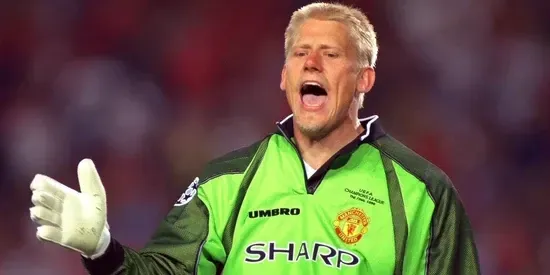
Peter Schmeichel, the legendary goalkeeper known for his time with Manchester United, has recently taken aim at the club’s Director of Football, Jason Wilcox, over the controversial dismissal of Ruben Amorim. Schmeichel, who has become a respected voice in football punditry, openly questioned the rationale behind the timing of Amorim’s firing, expressing confusion over the apparent misalignment within the footballing structure at Old Trafford. He highlighted the inconsistency in decision-making at United and pointedly criticized the club for their lack of strategic foresight. As discussions about the club’s management unfold, with Darren Fletcher now serving as interim manager, the urgency for a stable leadership underpins the future direction of the club. With the spotlight on Wilcox, who faces Jason Wilcox criticism, many are eager to see how United navigates these turbulent times amidst ongoing speculation about who will be the next head coach.
In recent weeks, the footballing community has been abuzz with speculation regarding the managerial changes at Manchester United, particularly following the abrupt exit of Ruben Amorim. As a notable figure in the football world, Peter Schmeichel has voiced his concerns about the decision-making process surrounding the club’s leadership. With Darren Fletcher stepping in as the interim manager, discussions are intensifying around the future structure of management, including the potential ramifications of Wilcox’s controversial decisions. The current situation emphasizes the challenges faced by Manchester United as they aim to solidify a coherent football strategy amidst scrutiny from fans and analysts alike. This pivotal moment raises essential questions not only about the club’s direction but also about the individuals responsible for steering it forward.
Peter Schmeichel’s Critique of Manchester United’s Management
Peter Schmeichel, the legendary Manchester United goalkeeper, has not held back in expressing his discontent over the dismissal of manager Ruben Amorim. In a recent interview, he articulated his confusion regarding the timing of the decision, which came during a critical period for the team. Schmeichel’s insights underscore the frustration shared by many fans as decisions at the club seem increasingly disconnected from the team’s actual performance. His remarks also highlight the unrest that has gripped Old Trafford, a symbol of footballing excellence that now faces uncertainty regarding its leadership structure.
Schmeichel’s criticism extends to Manchester United’s Director of Football, Jason Wilcox, whom he believes has handled the situation poorly. He emphasizes that the timing of Amorim’s firing could have been better strategized, suggesting that an earlier decision might have allowed the club to stabilize under a new leadership structure. By pointing out the potential repercussions of such abrupt changes, Schmeichel raises valid concerns regarding the overall football structure at Old Trafford and its impact on team morale and performance.
The Role of Jason Wilcox in Manchester United’s Future
As the Director of Football at Manchester United, Jason Wilcox is at the heart of the decision-making process following Ruben Amorim’s dismissal. His leadership and vision will be scrutinized as the club seeks to navigate its way out of this challenging period. Critics, including Peter Schmeichel, have voiced concerns over his ability to manage the complexities of club dynamics, particularly in light of Amorim’s preference for a more holistic managerial role. This raises questions about whether Wilcox can effectively identify a candidate capable of revitalizing the club.
The future of Manchester United hinges on the decisions made by Wilcox and the club’s hierarchy in the coming months. With Darren Fletcher currently serving as interim manager, there is a sense of urgency to fill the managerial vacancy with someone who can align with the club’s long-term vision. The relationship dynamics within the football structure at Old Trafford need to be re-evaluated to prevent further discontent among players and fans alike. As the footballing world watches closely, Wilcox’s next moves will be critical in shaping the future of Manchester United.
Darren Fletcher as Interim Manager: Challenges Ahead
Darren Fletcher has stepped into the interim manager role amid a backdrop of criticism directed at the club’s management decisions. His temporary promotion provides a unique opportunity for him to influence the team’s direction during a pivotal moment. Players and supporters alike are looking for stability and a clear vision, and Fletcher’s leadership will be crucial in this transitional phase. His familiarity with the club culture may offer some continuity, but he will still face the immense challenge of maintaining morale and achieving results.
The decision to appoint Fletcher as interim manager raises important discussions about the short-term and long-term strategy for Manchester United. While he brings a wealth of experience, the pressure to deliver results quickly could weigh heavily on him, especially under the critical eye of the Manchester United faithful. Engaging with the club’s core identity while integrating fresh tactics will be key to his success. As discussions about the future head coach advance, the success of Fletcher’s interim period will undoubtedly influence the decision-making process regarding the club’s permanent managerial appointment.
Navigating the Future of Manchester United’s Football Structure
The current climate at Manchester United highlights the pressing need for a reevaluation of the club’s football structure. With the unexpected dismissal of Ruben Amorim, the team’s foundation appears shaky, prompting calls for a comprehensive assessment of how roles are defined and decisions are made within the club. Many believe that a transparent and cohesive footballing strategy will be essential for restoring faith among supporters and achieving competitive success.
The leadership dynamics, particularly focusing on the roles of individuals like Jason Wilcox and Darren Fletcher, will critically impact how Manchester United moves forward. The criticisms surrounding Wilcox’s management decisions underscore a disconnect that could hinder the club’s ability to secure a capable head coach. Correcting the course will require collaborative efforts that align all stakeholders’ objectives and reinforce a robust football infrastructure. As the discussions surrounding the club’s future unfold, the emphasis must remain on fostering an environment that supports growth, accountability, and success.
Ruben Amorim’s Dismissal: Implications for Manchester United
The dismissal of Ruben Amorim has sent ripples of uncertainty throughout Manchester United, sparking conversations about what this means for the club’s immediate and future objectives. Amorim’s vision for a managerial role with enhanced oversight contrasted sharply with the current footballing structure, raising questions about whether the club is truly moving in the right direction. His firing, amidst challenging times, reflects the instability that has plagued the club, and the implications of such a move extend far beyond just the tactical adjustments needed.
In the wake of Amorim’s exit, Manchester United faces an essential crossroads, needing to redefine its managerial approach while ensuring that the club’s identity is preserved. The burden now lies with Jason Wilcox and the existing management team to navigate this upheaval while retaining player confidence and engagement. A well-thought-out strategy to appoint a successor who can build upon Amorim’s groundwork is paramount for re-establishing Manchester United as a formidable force in football.
The Importance of Choosing the Right Head Coach
Choosing the right head coach is crucial for Manchester United, especially after the upheaval surrounding Ruben Amorim’s dismissal. Fans and pundits alike understand that the future success of the club hinges on finding a candidate who can not only integrate seamlessly into the existing football structure but also inspire the players to perform at their best. This responsibility falls heavily on the shoulders of the management team, and with Jason Wilcox in charge, there are high stakes involved in this decision.
The next head coach needs to have a clear understanding of the club’s rich history while being forward-thinking and adaptable to contemporary football dynamics. As Manchester United continues to navigate through this transitional phase, the selection of a coach who can effectively balance the expectations of fans with the demands of modern football will be critical. The pressure is mounting on Wilcox and his team to identify a leader who can reinvigorate the squad and restore United’s standing in both domestic and European competitions.
Criticism of Current Management Decisions
Peter Schmeichel’s outspoken critique of the Manchester United management, particularly targeting Jason Wilcox’s recent decisions, highlights growing dissatisfaction among the club’s legendary figures. Schmeichel’s perspective sheds light on the complexities involved in navigating the operational challenges at Manchester United, fueling concerns that mismanagement could lead to further instability. The timing of Amorim’s firing raises questions about whether the current management structure is capable of making sound decisions, an issue that many believe could jeopardize the club’s future.
Moreover, the ongoing criticism from former players and football analysts suggests that the disconnect between management intentions and on-field performance is widening. Enhancing the football structure at Old Trafford, addressing valid criticisms, and fostering open communication with fans and stakeholders will be paramount for restoring trust. As the dust settles on current events, a strong focus on ensuring alignment between management decisions and club objectives emerges as a key priority.
Impacts of Management Changes on Team Dynamics
The management upheaval at Manchester United, particularly the dismissal of Ruben Amorim, poses significant challenges for team dynamics as the season progresses. Players may find themselves unsettled with the sudden change in leadership, resulting in potential disruptions to team cohesion and morale. An interim manager may have different tactical approaches or philosophies that players need to quickly adapt to, adding another layer of complexity to an already challenging season.
Addressing these dynamics will require thoughtful communication and support from both the interim management and the club’s leadership structure. Players are more likely to respond positively to a clear rationale behind the changes, especially if they feel involved in the transition process. The success of the team during this period may hinge on how effectively management can unify the squad, leveraging their strengths while navigating through the uncertainties that accompany such significant changes.
The Path Forward for Manchester United’s Footballing Strategy
As Manchester United looks to redefine its footballing strategy after the dismissal of Ruben Amorim, the path forward will involve a careful balancing act of tradition and innovation. The appointment of a new head coach will serve as a pivotal factor in determining how the club can pivot toward a more stable and successful future. Schmeichel’s concerns about the current football structure highlight the urgent need for a strategic overhaul that aligns with the club’s storied tradition while being adaptable to the modern game.
The future trajectory of Manchester United involves not just the right hiring decisions but also fostering a culture that embraces accountability and collaboration throughout the club. Building a coherent footballing philosophy that resonates from the management level down to the players will be essential. As the club faces this transformative moment, it must address the criticisms levied against its management decisions and prioritize a clear roadmap that unites all stakeholders towards a common goal—returning Manchester United to the pinnacle of football.
Frequently Asked Questions
What is Peter Schmeichel’s opinion on the Manchester United Director of Football Jason Wilcox after Ruben Amorim’s dismissal?
Peter Schmeichel has expressed strong criticism towards Manchester United’s Director of Football, Jason Wilcox, regarding the timing of Ruben Amorim’s dismissal. Schmeichel believes the decision was confusing and poorly timed, questioning why it wasn’t made earlier in the season.
How does Peter Schmeichel feel about Ruben Amorim’s removal from Manchester United?
Peter Schmeichel was surprised by Ruben Amorim’s removal from Manchester United, stating he did not see it coming. He raised concerns about the decision, emphasizing that the circumstances surrounding his dismissal, particularly the dissatisfaction within the football structure at Old Trafford, seemed illogical.
What are the implications of Ruben Amorim’s dismissal mentioned by Peter Schmeichel in relation to Manchester United’s future?
Following Ruben Amorim’s dismissal, Peter Schmeichel highlighted the importance of a solid football structure at Manchester United. He indicated that the club must ensure that any future managerial appointment aligns with a coherent vision to avoid repeating past mistakes.
What issues did Peter Schmeichel raise regarding the decision-making at Manchester United after the dismissal of Ruben Amorim?
Peter Schmeichel pointed out flaws in the decision-making process at Manchester United, specifically criticizing Jason Wilcox’s influence. He suggested that emotional reactions should not dictate managerial choices, stressing the need for timely and thoughtful decisions.
How is Manchester United addressing the managerial situation following Ruben Amorim’s dismissal according to Peter Schmeichel’s insights?
With Darren Fletcher serving as interim manager, Manchester United is currently in discussions to find a suitable head coach. Schmeichel’s thoughts underscore the pressure on the club’s leadership to select a candidate who can effectively guide the team in the future.
| Key Point | Details |
|---|---|
| Criticism of Timing | Peter Schmeichel criticized Jason Wilcox for the timing of Ruben Amorim’s dismissal, expressing confusion over the decision. |
| Amorim’s Preference | Ruben Amorim had preferred to have a managerial role that included greater oversight rather than just being a head coach. |
| Questioning Decision-Making | Schmeichel doubted the decision-making process behind Amorim’s firing, suggesting the timing was flawed. |
| Current Management | Darren Fletcher is currently acting as interim manager while discussions for a new head coach are ongoing. |
| Future Plans | There is pressure on Wilcox and Omar Berrada to ensure the next head coach is suitable for leading Manchester United effectively. |
Summary
Peter Schmeichel Manchester United legend, has voiced significant concerns regarding the process behind Ruben Amorim’s dismissal from the club. Schmeichel’s remarks underline the need for a careful approach in managerial decisions, particularly in respect to the timing of such critical changes. As Manchester United navigates this transitional phase, the focus now shifts to appointing a new head coach who can restore the club’s former glory. It remains essential for the directors to align their vision with the fans’ expectations and ensure a stable future for the team.

