Listen to this article
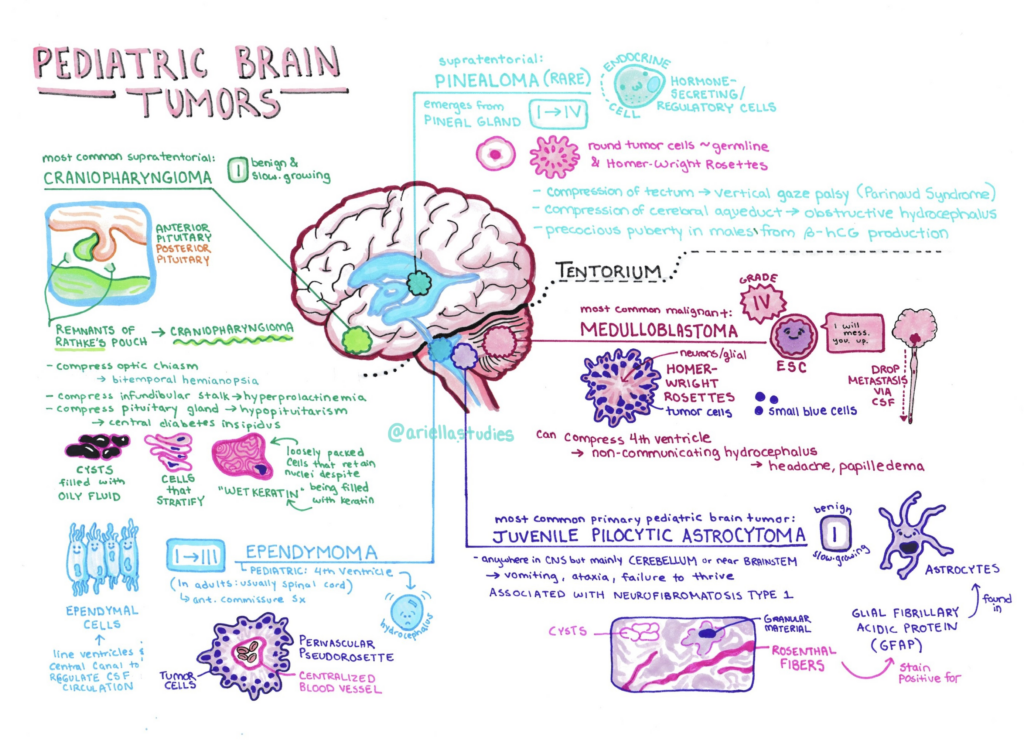
Pediatric brain tumors represent a significant challenge in childhood oncology, as they are among the most prevalent forms of brain cancer affecting children. The urgency for early diagnosis of pediatric brain tumors cannot be overstated, especially in the wake of heartbreaking stories like that of Sam Tucker, who lost her daughter Molly to this devastating disease. Awareness surrounding the signs of brain tumors in children is crucial, as early identification can drastically improve treatment outcomes. Various organizations are advocating for improved brain tumor awareness and a more equitable approach to childhood cancer treatment across regions. The time has come for both families and healthcare professionals to prioritize early diagnosis in pediatric cancer, ensuring that no child suffers unnecessarily due to delayed detection.
Childhood neuro-oncology encompasses a range of conditions, the most notable being brain neoplasms that can severely impact a child’s health and future. These tumors can manifest with subtle symptoms, making the early identification of brain tumors in children critical for successful intervention. Initiatives to foster brain cancer advocacy and enhance awareness are increasingly important, especially given the emotional toll on families witnessing the decline of their loved ones. Every diagnosis affects not just the child, but their entire family, highlighting the need for better access to childhood cancer treatment options and informed discussions on potential symptoms. As we strive to improve outcomes, understanding pediatric brain tumors through education and community support becomes paramount.
Importance of Early Diagnosis in Pediatric Brain Tumors
Early diagnosis of pediatric brain tumors is crucial for improving survival rates and treatment outcomes. The heartbreaking story of little Molly Tucker, who was diagnosed too late, highlights the critical need for awareness and education about the signs of brain tumors in children. Routine check-ups should include vigilant monitoring of symptoms such as unusual changes in head size, balance issues, headaches, or behavioral changes, which can all be indicators of a serious underlying condition. Missed opportunities in diagnosis can lead to dire consequences, emphasizing that parents and healthcare providers must work collaboratively to identify potential red flags early.
In light of these tragic experiences, organizations and advocacy groups, such as the Tessa Jowell Brain Cancer Mission, are advocating for policies that ensure children receive timely and effective evaluations when symptoms arise. By raising awareness about pediatric brain tumors and the importance of early intervention, these groups aim to educate both parents and medical professionals. With the right information, families can be empowered to seek immediate care if they notice concerning symptoms, potentially saving lives.
Challenges in Pediatric Cancer Treatment
Pediatric cancer treatment, specifically for brain tumors, faces significant challenges including inconsistent access to quality care across different regions. As reported in the study presented by bereaved mothers to health ministers, treatments can vary dramatically depending on geographical location, affecting both surgery options and availability of clinical trials. This disparity means that children in underserved areas may not receive the cutting-edge treatments that could drastically improve their prognosis, thus underscoring the need for a more equitable healthcare system.
Additionally, parents often find themselves navigating a complex healthcare landscape that can be overwhelming. The emotional toll of a cancer diagnosis, combined with bureaucratic hurdles and the variability of care, creates a perfect storm of anxiety for families. Mental health resources and support structures must be integrated into the treatment process to support not only the children fighting for their lives but also their families, ensuring they are not left to battle alone.
Signs of Brain Tumors in Children
Identifying brain tumors in children can be particularly challenging, as symptoms often can be mistaken for common childhood ailments. The signs of brain tumors in children can include persistent headaches, changes in vision, unexplained seizures, and behavioral changes. Parents should be vigilant and consult healthcare providers if their child exhibits any consistent or unusual symptoms. As in Molly’s case, what initially appeared as routine health check-ups led to critical oversights that could have changed the outcome if caught earlier.
To combat this issue, spreading awareness about the signs of pediatric brain tumors is critical. Parents and caregivers should be educated on what symptoms warrant immediate medical evaluation. For instance, if a child experiences a significant increase in head circumference or any sudden neurological changes, these could signify the presence of a tumor. By fostering a culture of awareness and proactivity regarding childhood cancer, we can hope to see earlier diagnoses and better survival outcomes.
Brain Tumor Awareness and Advocacy
Brain tumor awareness is a vital component in the fight against pediatric brain tumors. Families like the Tuckers are now joining forces with advocacy groups to shed light on the challenges and experiences associated with brain cancer in children. These advocates work tirelessly to raise public awareness, ensuring that their personal tragedies translate into actionable change within the healthcare system. By presenting comprehensive studies to health officials, they are pushing for policies that improve care standards and establish consistent treatment pathways available to all children, regardless of their backgrounds.
The importance of advocacy cannot be overstated. Programs focusing on brain cancer advocacy are crucial for channeling the voices of those families affected, driving legislative changes, and generating funding for research and supportive resources. The more we understand about childhood cancers, the better equipped we become to respond to them effectively. This collective effort within communities fosters a supportive environment for families undergoing the trials of pediatric cancer and encourages continuous dialogue about the need for improvements in early diagnosis and treatment.
Insights into Childhood Cancer Treatment
Insights into childhood cancer treatment reveal the complexities and variations that exist within pediatric oncology. The experience of children, such as Molly, highlights how treatment plans can differ significantly based on many factors, including geographic location and healthcare access. Families are increasingly advocating for standardization of treatment practices to ensure that every child has access to the same high-quality surgical, chemotherapeutic, and supportive care, regardless of where they live.
Moreover, the need for specialized care that aids children’s recovery—such as support for reintegration into school settings and psychological assistance—has become evident. Organizations are now seeking to emphasize the importance of mental health resources as a core component of cancer treatment, recognizing that a child’s emotional well-being plays a significant role in their overall recovery as they navigate the challenges posed by their diagnosis.
The Role of Clinical Trials in Pediatric Cancer Treatment
Clinical trials play a critical role in developing new treatments for pediatric brain tumors. These trials not only test new therapies but can also offer patients access to cutting-edge treatments that may not yet be widely available. However, participation in clinical trials often varies based on geographic location and existing infrastructure, leading to inequalities in access among families. Many advocate for broader reach and better information dissemination to ensure that all children diagnosed with brain cancer have the option to participate in such trials regardless of their circumstances.
Furthermore, educating families about the significance and benefits of clinical trials can empower them to make informed choices about their child’s treatment options. The ongoing research and resultant data generated through these trials are vital for improving future treatment protocols and outcomes for pediatric brain tumors. As parents become more informed and engaged, they can advocate for their children’s inclusion in appropriate clinical trials, potentially paving the way for groundbreaking advancements in treatment.
Parental Experiences: Grief and Advocacy
Understanding the grief of parents who have lost children to brain cancer is essential in fostering community support and advocacy efforts. Parents like Sam Tucker exemplify resilience and a commitment to ensuring that their children’s battles are not forgotten. By channeling their grief into advocacy work, these parents help raise awareness about the issues surrounding pediatric brain tumors, pushing for systemic reforms in healthcare to prevent others from experiencing similar heartbreak. Their voices provide powerful testimony to the pressing need for change and greater understanding within the medical community.
Sharing experiences can be a compelling and cathartic process for grieving parents. As they come together with others who have faced similar losses, there is a collective sense of purpose and a drive to create meaningful change in memory of their children. This shared journey not only aids in personal healing but also strengthens advocacy movements aimed at improving the landscape of pediatric cancer treatment and support.
Future of Pediatric Brain Tumor Treatments
The future of pediatric brain tumor treatments is both promising and challenging, as researchers and healthcare professionals continue to strive for breakthroughs that can increase survival rates and quality of life for young patients. With advancements in precision medicine and immunotherapy, there is hope that more effective, tailored treatment strategies will emerge that can better target tumors while minimizing adverse effects. A focus on individualizing therapy based on the unique genetic makeup of each child’s tumor is paving the way for more successful treatment outcomes.
However, to fully realize the potential of these advancements, ongoing investment in pediatric cancer research is critical. Establishing partnerships between healthcare institutions, researchers, and advocacy groups can drive innovation and enhance clinical trial access. Furthermore, raising awareness about the specific needs of children with brain tumors will ensure that their treatment journeys are prioritized within the broader context of healthcare funding and policy.
Advocating for Equitable Access to Care
Advocating for equitable access to care for children facing brain tumors is vital. The disparities in treatment options and quality of care depending on location must be addressed systematically to ensure that every child receives the best possible chance at recovery. By engaging with policymakers and raising public consciousness around these issues, advocates can pressure the healthcare system to adopt more uniform standards for treatment accessibility. This includes lobbying for more resources in underfunded areas and ensuring that clinical trials and innovative treatments are available to all patients.
Moreover, fostering collaborations between hospitals and community healthcare providers can help bridge gaps in care. Education campaigns aimed at parents and healthcare professionals can raise awareness about the signs of pediatric brain tumors, encouraging timely referrals and early intervention. By working collectively, we can create a supportive network that guarantees equitable access to the full scope of care that children with brain tumors deserve.
Frequently Asked Questions
What are the early diagnosis signs of pediatric brain tumors?
Early signs of pediatric brain tumors can include persistent headaches, changes in vision, unusual balance or coordination problems, and seizures. Parents should be vigilant if their child exhibits any combination of these symptoms, as early diagnosis can significantly impact treatment options and outcomes.
How can parents raise brain tumor awareness in their communities?
Parents can raise brain tumor awareness by organizing community events, sharing personal stories, and distributing educational materials about pediatric brain tumors. Engaging with local health organizations and participating in awareness campaigns can also help emphasize the importance of early diagnosis in pediatric cancer.
What is the role of brain cancer advocacy in improving treatment for children?
Brain cancer advocacy plays a crucial role in improving treatment for children by pushing for faster diagnosis, better funding for research, and equitable access to advanced therapies. Organizations like the Tessa Jowell Brain Cancer Mission are instrumental in gathering data and presenting recommendations to health ministers to enhance pediatric cancer treatment.
What childhood cancer treatment options are available for pediatric brain tumors?
Common childhood cancer treatment options for pediatric brain tumors include surgery, chemotherapy, and radiation therapy. Each treatment plan is personalized based on the tumor type, location, and the child’s overall health. It is essential for parents to discuss all available treatment options with their medical team to ensure the best outcome.
What are the red flags indicating a possible brain tumor in children?
Red flags that may indicate a possible brain tumor in children include persistent vomiting, seizures, sudden behavioral changes, and issues with learning or coordination. If these symptoms are observed, it’s crucial to consult a healthcare professional for further evaluation.
How can families support a child undergoing treatment for pediatric brain tumors?
Families can support a child undergoing treatment for pediatric brain tumors by maintaining open communication, providing emotional support, and ensuring their child participates in appropriate care, such as psychological support or educational resources, to aid in their recovery and transition back to normal life.
Where can I find resources for childhood cancer treatment and support?
Resources for childhood cancer treatment and support can be found through organizations such as the Children’s Oncology Group, local cancer support groups, and hospital foundations that specialize in pediatric oncology. These resources often provide information on treatment options, emotional support, and advocacy for patients and families.
How important is it to advocate for better pediatric brain tumor treatment?
Advocating for better pediatric brain tumor treatment is vital to ensure that every child receives high-quality care, regardless of location. Advocacy efforts can lead to improved research funding, enhanced treatment protocols, and more effective support services, ultimately saving lives and improving long-term outcomes for young patients.
| Key Points |
|---|
| A mother advocates for earlier diagnosis of pediatric brain tumors after her daughter’s death. |
| Molly Tucker had a large brain mass diagnosed too late, leading to her passing in 2017. |
| Missed opportunities for early detection were highlighted by the family and health professionals. |
| Molly underwent a significant surgery but unfortunately relapsed and died surrounded by family. |
| A study presented to health ministers reveals inconsistencies in brain tumor treatment across the country. |
| Families demand improvements in treatment accessibility and quality for pediatric brain tumors. |
Summary
Pediatric brain tumors are a critical health concern that requires immediate attention for early diagnosis and treatment. The tragic case of Molly Tucker underscores the necessity for systematic changes in how healthcare providers detect and respond to symptoms of brain tumors in children. Advocates such as her mother are calling for action to ensure that all children diagnosed with such devastating conditions receive equitable care and access to effective treatment options, no matter where they live. This movement is essential to prevent further loss and to enhance the quality of care for future patients.