Listen to this article
Peace talks Ukraine have become a focal point in the ongoing efforts to resolve the conflict that has left the nation in turmoil. European Commission President Ursula von der Leyen has highlighted the urgent need for robust diplomatic engagement, asserting that Russia appears disinterested in meaningful negotiations. As the situation escalates, the EU’s unwavering support for Ukraine remains crucial, particularly in light of the volatile geopolitical landscape. Von der Leyen’s recent statements underscore the necessity of security guarantees to prevent further aggression, reflecting a post-World War II mindset among Russian officials. Amid the complexities surrounding frozen Russian assets and the risks of international legal implications, the European Union is poised to take decisive action in supporting Ukraine’s path towards peace.
The ongoing diplomatic efforts regarding Ukraine are critical as international stakeholders seek resolutions to the Russia Ukraine conflict. Recent interactions have brought attention to the need for strategic dialogue, particularly concerning the European Union’s role in facilitating constructive discussions. Ursula von der Leyen has emphasized that securing firm commitments from Russia is essential to establishing lasting peace. Meanwhile, the complexities of handling frozen Russian assets could influence the dynamics of future negotiations. As the world watches, the quest for an end to hostilities continues, highlighting the importance of unified EU support for Ukraine and effective diplomatic talks.
Current State of Peace Talks in Ukraine
The ongoing peace talks in Ukraine have increasingly revealed a lack of genuine commitment from Moscow to consider any form of a peaceful resolution. European Commission President Ursula von der Leyen articulated this skepticism in her remarks, pointing out that Russian officials appear to have no real intent to engage sincerely in negotiations. Despite recent discussions in Geneva and Abu Dhabi, where Ukraine showed willingness to agree to a revised peace deal, the Kremlin continues to project a sense of disinterest in finding common ground, claiming it is too early to discuss a final agreement. This sentiment reflects the broader dynamics of the Russia-Ukraine conflict, where Russia’s strategic posturing complicates diplomacy.
The European Union and its leaders are becoming increasingly concerned about the implications of these stunted talks. With von der Leyen emphasizing Europe’s commitment to support Ukraine amid Russia’s aggression, the need for a consolidated response becomes urgent. The lack of inclusion of European nations in the negotiation processes further exacerbates tensions, as EU members stress their critical role in shaping a sustainable peace that honors Ukraine’s sovereignty and territorial integrity. Thus, the peace talks continue to grapple with essential issues, making a resolution even more elusive.
EU Support for Ukraine Amidst Ongoing Conflict
Europe’s support for Ukraine has been unwavering, particularly as the nation fights against Russian aggression. Ursula von der Leyen reaffirmed the EU’s pledge to stand firmly behind Ukraine, indicating that substantial security guarantees are essential to deter future Russian attacks. The EU’s financial backing and military assistance have been significant in bolstering Ukraine’s defense capabilities. As discussions continue over the distribution of frozen Russian assets, valued at €210 billion, there is growing demand for these funds to be utilized in aid of Ukraine’s recovery and reconstruction efforts, despite legal concerns raised by some member states.
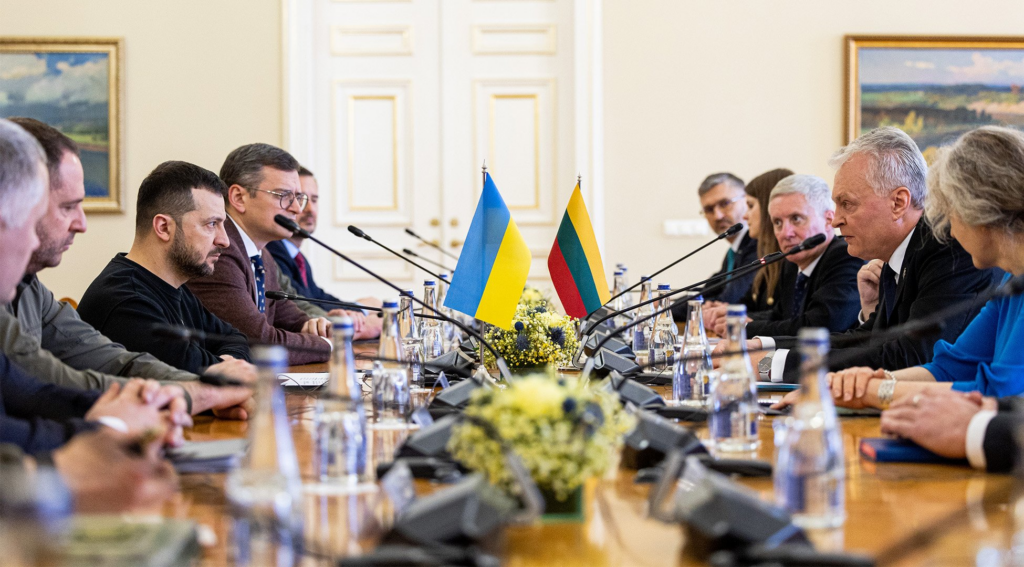
As von der Leyen articulated the EU’s stance in Parliament, it highlighted the crucial need for Europe to be recognized as an active participant in any diplomatic dialogue leading to peace. The EU’s support transcends financial aid; it extends to providing diplomatic backing and fostering a united front against the ongoing Russian threats. The coalition of willing nations meeting under the guidance of France and the UK signifies an organized approach to ensuring that Ukraine’s interests are adequately represented and prioritized in any peace negotiations.
Role of Frozen Russian Assets in EU Policy
The discussion surrounding the €210 billion frozen Russian assets has taken center stage as a pivotal element in EU policy relating to the Ukraine conflict. Ursula von der Leyen brought attention to these frozen funds, advocating for their potential use in supporting Ukraine. However, the legal complexities and fears of setting a precedent for international law adherence have led to hesitance among some EU member states, such as Belgium. They are wary of potential backlash from Russia, which may claim violation of international norms if the assets are repurposed away from their original owners.
The diverging perspectives on how to handle these assets reflect broader anxieties within the EU regarding its relationship with Russia and its commitment to international law. As von der Leyen prepares a legal framework for these discussions, she aims to assuage fears among member nations by asserting that there are no anticipated financial burdens expected for European taxpayers. Thus, the fate of frozen Russian assets has become not only a financial issue but also a political chess game, as European leaders navigate the delicate balance between support for Ukraine and adherence to legal obligations.
Diplomatic Talks: The Need for European Involvement
The exclusion of European nations from recent diplomatic talks has raised alarms about the need for involvement in shaping a comprehensive peace agreement. As the United States has taken a leading role in facilitating dialogue between Kyiv and Moscow, European leaders have expressed frustration over being sidelined. The recent proposals, perceived as favoring Russia, underscore the necessity for European voices to be integral in negotiations to ensure that any outcomes respect Ukrainian sovereignty and territorial integrity.
Ursula von der Leyen has underscored that discussions regarding Ukraine must include Europe and address the continent’s security dynamics. By asserting that ‘Nothing about Ukraine without Ukraine’ and ‘Nothing about Europe without Europe,’ she emphasizes that European leaders possess both the responsibility and the authority to contribute meaningfully to peace talks. This involvement is critical as it will potentially lead to more balanced dialogues that take into account the interests of both parties, essential for achieving sustainable peace.
Future Implications of the Russia-Ukraine Conflict
The ongoing Russia-Ukraine conflict has far-reaching implications that extend beyond regional stability to impact global security dynamics. The future of this conflict will likely influence international relations, economic policies, and diplomatic strategies across Europe and beyond. As highlighted by von der Leyen, the European Union’s proactive stance in supporting Ukraine is critical in discouraging further Russian aggression, which could have a ripple effect on other nations perceiving Russia’s military capabilities as a threat.
With the momentum of peace talks proceeding at a slow pace, Europe stands at a crossroads where its decisions will shape the future geopolitical landscape. If diplomatic efforts fail, the potential for escalation remains high, risking not only additional conflict but also severe economic repercussions for the EU. The necessity for a united European front and a clear stance on the Russia-Ukraine conflict is more crucial than ever, as it will define the parameters within which future negotiations may occur.
Challenges of Mediating Peace Between Ukraine and Russia
Mediating peace between Ukraine and Russia is fraught with challenges, primarily due to the stark differences in the two nations’ positions. The Ukrainian government has shown a willingness to negotiate under specific conditions, while Russian authorities have frequently downplayed the seriousness of peace talks, posing enormous barriers to diplomatic resolutions. Ursula von der Leyen’s comments serve to highlight the precarious nature of dialogues that hinge on mutual respect and acknowledgment of sovereignty.
Furthermore, recent attempts by the U.S. to facilitate negotiations face skepticism as both nations harbor deep-seated mistrust. Without a framework that incorporates the interests and concerns of both Ukraine and European partners, there is a substantial risk that peace efforts may falter. EU officials maintaining a unified approach while advocating for just outcomes will be vital as the peace process unfolds, stressing the importance of equitable negotiations.
Impacts of U.S. Diplomacy on European Security
U.S. diplomacy has become an influential factor in the ongoing conflict, but its implications also resonate with European security. With American officials engaging in ‘shuttle diplomacy’ between Kyiv and Moscow, there is a growing awareness among European leaders to assert their relevance in the dialogue. The perception that U.S. actions may overshadow European concerns is prompting calls for a reassessment of the EU’s role as an independent actor in regional security matters.
As European leaders express desires to secure a more pronounced voice in the mediation process, the need for coherent strategies that bridge European and American objectives emerges. Ursula von der Leyen’s advocacy for robust security arrangements reflects the growing urgency to ensure that any U.S.-mediated agreement includes comprehensive European input. This collaboration is crucial to reinforce the idea that European security concerns cannot be sidelined, particularly in a conflict that so directly impacts the continent.
Reflections on the Role of NATO in Ukrainian Security
The role of NATO in ensuring Ukrainian security has come under intensifying scrutiny as the Russia-Ukraine conflict continues. While NATO has been a pillar of security for Eastern European nations, its involvement in the direct defense of Ukraine remains complex due to geopolitical ramifications. Ursula von der Leyen’s statements remind us that any future peace framework must consider NATO’s strategic positioning and its commitments to collective defense against aggression from states like Russia.
The ongoing discussions highlight the necessity of a clear strategy for how NATO can lend support to Ukraine without exacerbating tensions with Russia. Achieving this balance requires understanding the historical context of NATO’s presence in Europe, as well as the current dynamics of the conflict. As peace talks progress, ensuring that NATO remains functional and supportive, while respecting Ukraine’s sovereignty, is vital to achieving a lasting resolution.
The Significance of European Unity in Response to Aggression
As the conflict unfolds, the significance of European unity in combating aggression from Russia cannot be overstated. The collective stance taken by EU leaders, including von der Leyen’s resolute declarations, serves to solidify a consistent message of support for Ukraine. This unity is fundamental in presenting a formidable front against external threats, reinforcing the idea that European nations will not succumb to coercive tactics.
Furthermore, a cohesive European response acts as a deterrent not only against Russia but also against any potential aggressors observing the situation. As discussions around security guarantees and military aid progress, the necessity for mutual understanding and shared objectives among European nations will be essential in ensuring that Ukraine’s fight for sovereignty is backed by unwavering solidarity. This collaborative approach will define the EU’s future interactions in global diplomacy.
Frequently Asked Questions
What is the latest update on peace talks Ukraine amidst the ongoing conflict?
Recent statements from European Commission President Ursula von der Leyen suggest there is currently no real intent from Russia to engage in meaningful peace talks regarding the Ukraine conflict. Diplomatic discussions have taken place, but significant disagreements remain, particularly around territory and military size. The situation is marked by volatility, and Europe continues to pledge support for Ukraine.
How does Ursula von der Leyen view the prospects for peace talks Ukraine?
Ursula von der Leyen has characterized the situation surrounding peace talks in Ukraine as dangerous and volatile, emphasizing that Russia does not exhibit a genuine willingness to negotiate. She firmly stated that Europe will support Ukraine, advocating for strong security guarantees to deter potential future attacks.
What role does EU support for Ukraine play in the current peace talks?
EU support for Ukraine is critical in the context of ongoing peace talks, as European leaders assert their need to be involved in negotiations. Ursula von der Leyen highlighted that much of the future peace treaty’s implementation will rely on the EU and NATO, indicating that Europe’s involvement is essential for a lasting resolution.
Why are frozen Russian assets a topic in the Ukraine peace talks?
The frozen Russian assets, valued at approximately €210 billion, are being discussed as a potential resource for supporting Ukraine. However, there are concerns among EU member states about the legality of reallocating these funds, which creates complications in the peace talks between Ukraine and Russia.
What challenges exist for peace talks involving Ukraine and Russia?
Key challenges in the peace talks include disagreements over territorial claims, the future of Ukraine’s military capabilities, and a lack of genuine engagement from Russia. European leaders feel sidelined and emphasize that no agreement should be made without their involvement, reflecting the complex diplomatic environment surrounding the Russia-Ukraine conflict.
How has the U.S. influenced the peace talks Ukraine scenario?
The U.S. has taken an active role in mediating the peace talks between Ukraine and Russia, with efforts being described as “shuttle diplomacy.” However, despite these attempts, significant progress has yet to be achieved, and recent U.S. diplomatic actions highlight the intricate nature of resolving the ongoing conflict.
What is the significance of the Geneva and Abu Dhabi talks for Ukraine’s peace negotiations?
The recent talks in Geneva and Abu Dhabi have led to Ukraine’s acceptance of a revised framework for peace negotiations, indicating a potential pathway towards resolution. However, persistent disagreements with Russia continue to hinder tangible progress in achieving peace in the region.
| Key Point | Details |
|---|---|
| Lack of Intent for Peace Talks | Ursula von der Leyen states that Russia shows no real intent to engage in peace negotiations. |
| Support for Ukraine | Europe, led by von der Leyen, pledges continued support for Ukraine amidst the ongoing conflict. |
| Security Guarantees | Ukraine requires strong security guarantees to deter Russian aggression, as articulated by von der Leyen. |
| Frozen Russian Assets | Discussions are ongoing regarding €210 billion of frozen Russian assets in Europe, with legal concerns from some nations. |
| Exclusion from Negotiations | European leaders feel sidelined from peace talks and assert the need for their inclusion in negotiations. |
| Future Peace Treaty | Von der Leyen stresses that any future peace treaty must include the interests of Ukraine and Europe. |
Summary
The peace talks Ukraine seeks are complicated by the apparent reluctance of Moscow to genuinely engage in negotiations, as highlighted by Ursula von der Leyen’s statements to the European Parliament. The ongoing support from Europe emphasizes the need for strong security measures to protect Ukraine, amid a backdrop of crucial discussions surrounding the potential release of frozen Russian assets. As diplomatic efforts continue, the exclusion of European voices from these discussions raises concerns about the process and outcomes of any future agreements.