Listen to this article
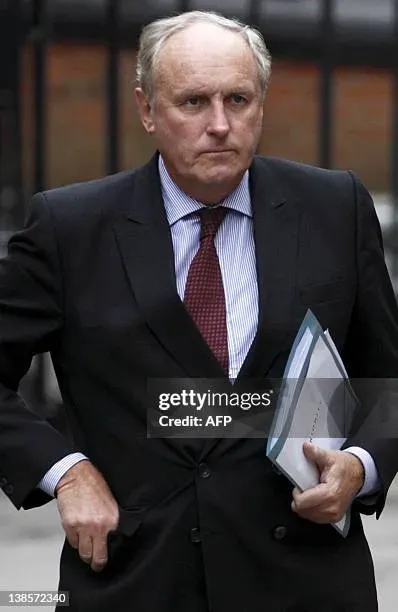
Paul Dacre, the former editor of the Daily Mail, recently found himself at the center of a high-profile courtroom battle, where he vehemently rejected allegations of unlawful newsgathering. During his court testimony, Dacre asserted that the claims made by seven prominent figures, including Prince Harry, are “preposterous” and harmful to the reputation of the publication. These accusations have sparked a contentious Associated Newspapers lawsuit, raising serious concerns over press privacy violations. With intense scrutiny surrounding his role, Dacre’s commitment to defending his staff and the integrity of the Daily Mail’s practices is evident as he expresses his anger and frustration over the situation. As the legal proceedings unfold, the world watches closely, eager to see how this case on alleged misconduct in tabloid journalism will conclude and its implications on the future of press ethics.
In the current legal climate, former Daily Mail chief Paul Dacre faces serious accusations regarding unethical practices in journalism, a situation that has garnered significant media attention. The ongoing trial has drawn in numerous high-profile complainants who allege severe breaches of privacy by Associated Newspapers Limited. Dacre’s court appearances highlight his strong rebuttal against what he deems unfounded claims of pervasive misconduct involving information-gathering techniques that he categorically denies. As debates around press accountability and privacy rights take center stage, the focus remains on Dacre’s defense against these serious allegations while evaluating the broader implications for the media landscape. The scrutiny on the Daily Mail and its editorial leadership reminds us of the delicate balance between responsible reporting and the public’s right to privacy.
Paul Dacre’s Defense Against Privacy Violations
In a vigorous defense at the High Court, Paul Dacre, the former editor of the Daily Mail, vigorously rebutted claims of unlawful newsgathering by Associated Newspapers Limited (ANL). Dacre’s insistence on the integrity of his newsroom serves as a crucial point amid serious allegations from prominent individuals, including Prince Harry and Sir Elton John, who allege significant breaches of privacy. As he faced questions about the behaviors of the journalists under his command, Dacre firmly stated that he utterly rejects claims of widespread illegal practices such as phone tapping and hacking, calling them ‘preposterous.’ This assertion aims to safeguard the reputation of the Daily Mail and its dedicated staff, who have been burdened by these allegations for years, casting doubt on their professional conduct in the media industry.
Dacre’s court testimony revealed his deep emotional commitment to the newspaper and its employees, indicating his frustration at the damaging effect these accusations have had on their lives. He expressed concern that such claims could tarnish the legacy of a print institution that has served as a platform for many significant stories over its long history. By expressing his anger and empathy in court, Dacre not only seeks to protect his own reputation but also wishes to advocate for the respect and recognition of a team he refers to as “honest and dedicated.” This aspect of his defense highlights a broader conversation about press privacy violations and the ethical boundaries that should govern journalistic practices.
The Allegations Against Associated Newspapers Limited
The lawsuit against Associated Newspapers Limited (ANL) comes at a time when public trust in media is increasingly scrutinized. Prominent figures, including Prince Harry, accuse the Daily Mail of significant privacy breaches, alleging that the publishing house utilized illicit methods to obtain personal information. These accusations stem from a larger context of growing concerns over press privacy violations, especially in light of historical scandals involving other media organizations. The testimonies in court reveal a complex interplay between obtaining newsworthy information and respecting individual privacy, raising questions about the responsibilities media companies hold in the current digital age.
Furthermore, the case against ANL highlights the ongoing discussion around press ethics and the need for transparency in journalistic practices. Baroness Lawrence, who previously received support from the Daily Mail in the aftermath of her son’s tragic murder, has now become one of the most vocal claimants, alleging that ANL resorted to illegal surveillance methods during that time. It is a poignant example of the potential fallout from press misconduct, where former allies can find themselves in direct conflict due to alleged breaches of trust. The ramifications of this case may not only affect ANL’s practices but could also lead to more stringent regulations within the press industry to safeguard privacy rights.
Dacre’s Past and Current Legal Challenges
Paul Dacre has a long-standing history with the Daily Mail and has previously defended its practices during the Leveson Inquiry, where he was questioned about the ethical implications of the paper’s operations. His current appearance in the High Court marks a crucial juncture in a legal battle that could redefine some aspects of press accountability in the UK. As the editor-in-chief of DMG Media Ltd, Dacre now finds himself once again addressing the allegations concerning the publication’s past behaviors, particularly its alleged use of private investigation services to procure information. This situation not only puts Dacre in a defensive position but also raises questions about the legacy he leaves behind.
Despite his previous denials of knowing the extent of private investigators’ activities within the paper, the court proceedings have reignited discussions about accountability, transparency, and the ethical boundaries in journalism. Dacre’s testimony is critical as it provides insight into his understanding of journalistic practices while revealing the potential disconnect between an editor’s knowledge and a reporter’s actions. As the trial progresses, the court will likely examine both the validity of Dacre’s claims regarding his ignorance and the broader implications of such legislative scrutiny on the future of press standards in the UK.
Media Ethics: A Historical Perspective
The ethical quandaries surrounding media practices are not new, as highlighted by Dacre’s previous testimony during the Leveson Inquiry, which was initiated in the wake of the News of the World phone-hacking scandal. This moment in history significantly impacted public perception of the press and underscored the necessity for ethical reform within the industry. Dacre’s defense in the current case points to the transitional period that many media organizations are navigating, as they adapt to evolving societal expectations regarding privacy and ethical reporting standards. The revelations about Associated Newspapers resonate with a historical pattern of discourses about the limits of journalistic freedom versus individual rights.
As investigations into the practices of the Daily Mail unfold, many commentators are calling for a revival in media accountability approaches. Dacre’s insistence that illegal practices would not be condoned aligns with a growing demand for reformative strategies that prioritize the ethical treatment of individuals in journalistic narratives. The emerging focus on ethical reporting challenges the traditional notion of ‘the ends justifying the means,’ thus compelling editors and writers alike to reconsider the frameworks governing journalism in the digital era. This historical examination sets a critical precedent for understanding the implications of current allegations against press entities like ANL.
The Impact of High Profile Cases on Journalism
High-profile legal battles, such as that involving Prince Harry and other claimants against the Daily Mail, significantly shift the landscape of journalism and public trust in media. Such cases raise questions regarding the permissible bounds of newsgathering and the ethical responsibilities of newspapers to maintain the privacy of individuals, regardless of their celebrity status. The litigation not only draws attention to the specific allegations against ANL but also prompts a larger national conversation about press freedom and accountability. The implications of this case may extend beyond journalism, influencing how public figures engage with media outlets in the future.
Moreover, the outcomes of these legal challenges may prompt legislative changes aimed at regulating press behavior, potentially altering the dynamics between media entities and their subjects. For journalists, the need for ethical reporting becomes even more paramount, as the line between public interest and private matters continues to blur. The ongoing trial acts as a critical reminder of the potential consequences facing not just the Daily Mail but all media organizations if ethical boundaries are overstepped. As each testimony unfolds, the public is left to contemplate the balance between press curiosity and individual privacy rights.
Future of Press Standards in the UK
As the trial progresses, the future of press standards in the UK hangs in the balance. Dacre’s defense and the ongoing accusations made by high-profile individuals like Prince Harry against the Daily Mail have reignited discussions about the need for regulatory reforms in the media landscape. The outcomes of this case could have profound implications for how journalists operate, emphasizing the need for compliant and ethically sound practices in news reporting. Given the gravity of the allegations surrounding press privacy violations, there is a growing demand for stricter guidelines that govern media conduct, ensuring that individuals’ rights are respected while still upholding the pursuit of newsworthy stories.
The potential for legislative reforms suggests a turning point in recognizing and addressing the ethical concerns inherent in journalism. As public trust in the media wavers, the outcomes of cases like that against ANL may set a crucial precedent for future generations of journalists. There is a collective acknowledgment that the media plays a vital role in society, but this responsibility comes with the obligation to prioritize ethical considerations. As Dacre continues to give testimony about the practices at the Daily Mail, the implications for the future of press ethics and accountability become increasingly evident.
Public Perception of the Daily Mail Amid Legal Troubles
As the allegations against the Daily Mail unfold in the courtroom, public perception of the outlet has become increasingly polarized. Many longtime readers are concerned about the implications of such serious allegations on the newspaper’s integrity, while detractors use this moment to assert a need for greater accountability in journalism. The litigants, including Prince Harry and other prominent figures, have placed the Daily Mail under a microscope, prompting readers to reassess the ethical ramifications of press privacy violations that have come to light. With such high stakes involved, the aftermath of this case will likely influence how the public views not only the Daily Mail but the broader media landscape.
In a rapidly evolving digital age, the Daily Mail’s current legal challenges trigger debates about the role of traditional media versus social media in disseminating news. As more individuals turn to online platforms for their information, the pressure on established publications to operate with integrity and respect for privacy intensifies. This shift in public sentiment adds an additional layer of complexity to the trial as it unfolds, highlighting a potential paradigm shift in how news is produced and consumed in the 21st century. With reputations on the line, both the legal outcomes and public responses to the case will shape future narratives surrounding journalistic ethics.
Frequently Asked Questions
What are the recent allegations against Paul Dacre related to the Daily Mail news?
Paul Dacre, the former editor of the Daily Mail, faces allegations of unlawful newsgathering brought forth by several high-profile individuals, including Prince Harry. These allegations are part of a lawsuit against Associated Newspapers Limited (ANL), the publisher of the Daily Mail, claiming ‘grave breaches of privacy’ and illegal information gathering practices.
How did Paul Dacre defend the Daily Mail against accusations during his court testimony?
During his court testimony, Paul Dacre stated he ‘utterly refutes’ the allegations of unlawful newsgathering at the Daily Mail. He expressed anger over how these claims have negatively impacted his staff’s lives and denied any knowledge of widespread illegal practices, asserting that such actions would not have been condoned under his leadership.
What impact have the Associated Newspapers lawsuit and the claims against Paul Dacre had on Daily Mail staff?
The Associated Newspapers lawsuit and the allegations against Paul Dacre have created a ‘dark shadow’ over the lives of Daily Mail staff, according to Dacre’s statements in court. He described the emotional toll of these allegations as deeply upsetting and traumatic for both current and former employees of the paper.
What did Paul Dacre say about his awareness of private investigators used by the Daily Mail?
Paul Dacre claimed during the court proceedings that he was ‘not aware’ of the extent to which the Daily Mail used private investigators until about 2007. He referred to these individuals as ‘inquiry agents’ and asserted that he took steps to limit their use after he became aware of it.
How has Paul Dacre responded to the claims made by Doreen Lawrence regarding the Daily Mail’s actions?
Paul Dacre expressed sympathy for Doreen Lawrence, the mother of murdered schoolboy Stephen Lawrence, after she alleged that the Daily Mail had engaged in ‘hidden electronic surveillance’ and other intrusive measures against her. Dacre described her claims as ‘bewildering and bitterly wounding,’ emphasizing his support for her past campaign with the newspaper.
What did Paul Dacre say about phone tapping allegations in relation to the Daily Mail?
In response to allegations that phone tapping was ‘habitual and widespread’ at the Daily Mail, Paul Dacre firmly rejected these claims, stating that such blatant illegality would not have been tolerated during his editorship. He conveyed that he would have reacted very negatively if he had been informed of any dishonest information-gathering practices.
What is the ongoing status of Paul Dacre’s court case related to the Daily Mail?
Paul Dacre’s court case is ongoing, with him scheduled to continue his testimony at the Royal Courts of Justice. The trial, overseen by Mr. Justice Nicklin, is expected to conclude in March, with a written judgment to follow.
| Key Points |
|---|
| Paul Dacre, former Daily Mail editor, refutes allegations of unlawful newsgathering, calling them ‘preposterous.’ |
| Seven individuals, including Prince Harry and Sir Elton John, are suing Associated Newspapers Limited for breaches of privacy. |
| Dacre is currently editor-in-chief of DMG Media Ltd, which denies all allegations. |
| Dacre expressed anger for his staff, stating that the allegations have affected their lives for the past three years. |
| He admitted to being unaware of the extent of private investigator usage until 2007. |
| Dacre vehemently denies allegations of widespread illegal practices at the Daily Mail. |
| One claimant, Baroness Lawrence, alleges that ANL conducted electronic surveillance against her. |
| The trial is overseen by Mr. Justice Nicklin and is expected to conclude by March. |
Summary
Paul Dacre has firmly defended his position amidst serious allegations against the Daily Mail regarding unlawful newsgathering. The High Court proceedings highlight the tensions and implications of media practices on individuals’ lives, with Dacre asserting the integrity of his staff amidst the accusations. As the trial progresses, the discussions revolve not only around Dacre’s legacy but also the broader impact on journalistic standards.