
Listen to this article
The ongoing discussions surrounding Parliament renovation have become a focal point in UK political discourse, reflecting both the pressing need for structural updates and the challenges posed by soaring costs. The Palace of Westminster, with its rich history and significant architecture, urgently requires refurbishment to ensure the safety and functionality of the UK Parliament. Concerns are mounting as estimates suggest that the total cost of the Parliament renovation could escalate to nearly £40 billion, raising critical questions about fiscal responsibility. The Conservative Party currently voices strong opposition to these expansive proposals, labeling them as “out of control” and demanding a refocus on essential works tied to Parliament structural safety. As debates unfold, the complexities of balancing heritage preservation and financial prudence will undoubtedly shape the future of one of the nation’s most iconic buildings.
Discussions regarding the overhaul of the Houses of Parliament evoke a sense of urgency within the UK government and public alike. Advocates for the Palace of Westminster refurbishment emphasize that immediate action is essential to prevent further deterioration of this historic landmark, while critics argue about the scope and anticipated expenses involved. The contentious nature of this renovation debate has led to sharp divides within parties, with differing opinions on the necessity and scale of proposed works. As the government considers the precarious state of the building, the call for a reassessment of the funding and planning becomes increasingly important. In an era where preservation meets practical governance, the restoration of Parliament symbolizes not only a challenge but an opportunity for reevaluation of national priorities.
The Urgent Need for Parliament Renovation
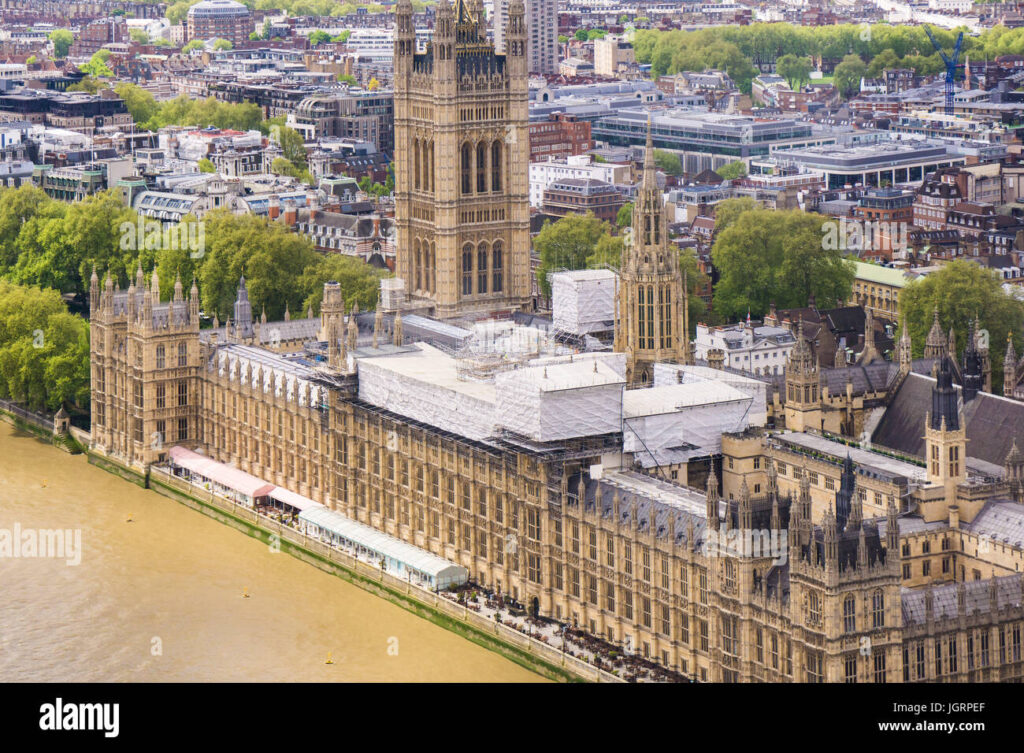
The need for renovation in the Palace of Westminster has been underscored repeatedly due to the deteriorating state of the historic building. With aging infrastructure, issues such as leaking roofs, crumbling stonework, and embedded asbestos present ongoing safety hazards. Without prompt attention, these structural safety concerns could escalate into critical situations compromising not just the building but the safety of those who work within it. As public scrutiny increases, the imperative for a well-structured refurbishment plan that prioritizes essential repairs has never been more urgent.
Additionally, according to a recent parliamentary committee report, the Palace of Westminster “faces an impending crisis which we cannot responsibly ignore.” This sentiment resonates particularly with the Conservatives, who argue vehemently for a focused overhaul prioritizing immediate safety renovations over extensive remodeling that may lead to further escalating costs. The challenge lies in balancing the need for robust renovations with the expectation of transparency and value for taxpayers, urging a rethink of existing propositions.
Exploring the Cost of Parliament Renovation
The spiraling costs associated with the refurbishment of the Palace of Westminster have raised alarm among various stakeholders, including MPs and the general public. Estimates have reached nearly £40 billion, with potential timelines stretching over several decades, leading to speculation about the financial implications on taxpayers. As mentioned by Conservative leader Kemi Badenoch, initial safety-led improvements have morphed into what many now label a “basket case white elephant project”, raising serious concerns about mismanagement and accountability in funding such an enormous undertaking.
Moreover, the ongoing costs to maintain the current state of the Palace of Westminster, at £1.5 million weekly, further complicate the financial calculus. This staggering expense underscores the necessity of proceeding with renovation rather than deferring action indefinitely. However, the discussion continues to hinge on the potential misallocation of funds, with some factions advocating for a rethink on the scale and scope of the renovation work. The juxtaposition of urgent safety improvements against inflated renovation plans continues to ignite debates within Parliament.
Impacts of Delaying Renovation Work
Delaying required renovations in the Palace of Westminster could lead to dire consequences, not just for the building itself but for the people who operate within its walls. Historical evidence has shown that minor issues can escalate into catastrophic events, as highlighted by past incidents of fires and water damage within the estate. Such events raise valid concerns about the structural safety of Parliament, emphasizing the necessity for immediate and thoughtful intervention to address these ongoing issues before they lead to irreversible damage.
Furthermore, the failure to address these renovations promptly could result in what some members of the Conservative party have termed a ‘managed decline.’ This term implies that by not acting decisively, Parliament risks becoming a victim of its own historical legacy, where costs continue to balloon as conditions worsen. The public and stakeholders alike now await a cogent plan that not only ensures safety but also respects taxpayer contributions, pushing for transparency and stronger oversight during the renovation process.
Diverse Political Perspectives on Renovation Plans
The current discussions surrounding the refurbishment proposals for the Palace of Westminster have revealed a stark divide among political parties in the UK. Conservatives have unified in their call for a retuning of the focus solely towards essential safety and structural works, voicing skepticism towards expansive renovation plans that could detract from this core objective. Meanwhile, the Labour party has remained noncommittal, with questions surrounding potential political posturing amid rising public discontent regarding the ongoing costs and mismanagement.
On the other hand, parties such as the Liberal Democrats and the Green Party are also evaluating the proposals through their prismatic lenses. Liberal Democrats maintain a vigilant eye towards any potential risks to this UNESCO World Heritage site, while advocating for cost-effective solutions. The Green Party, in contrast, supports a move to fully relocate Parliament during renovations, emphasizing a demand for prioritizing the completion of repairs while being mindful of financial implications for taxpayers. This interplay of views underscores the importance of a comprehensive dialogue towards an optimal outcome.
Public Sentiment and the Future of Parliament Restoration
Public sentiment regarding the proposed renovations of the Palace of Westminster showcases a blend of skepticism and urgency. With the suggested costs escalating beyond feasible expectations, taxpayers are questioning the rationale behind footing a bill potentially amounting to £40 billion. The core of public concern also lies in how elected officials plan to prioritize and manage these funds, with many citizens advocating for a transparent approach that clearly outlines when and how essential work will be executed.
The Conservative party’s push for a ‘fundamental rethink’ has resonated with many constituents who share their apprehensions regarding the financial implications. As these discussions progress, parallel petitions and public forums have emerged, allowing citizens to voice their opinions. Ultimately, the success of the restoration efforts will depend heavily on the government’s ability to mitigate public concerns while ensuring that the historic integrity and security of the Palace of Westminster are not compromised.
The Role of External Oversight in Renovation Plans
In light of rising costs and complicated plans for the Palace of Westminster renovation, the call for stronger external oversight has gained momentum. As highlighted by the Conservatives, there is a pressing need for transparent reporting and governance, ensuring that every pound spent is justified and accounted for. Robust external review mechanisms may serve as an essential balancing force against potential mismanagement or ‘mission creep’ that could expand the project beyond its original scope of safety concerns.
The presence of independent audit committees could ensure that the refurbishment aligns with both historical preservation and financial responsibility. Moreover, increasing public engagement in the review processes guarantees that taxpayers’ voices are heard, especially when it comes to matters of exorbitant spending. Including oversight bodies in the renovation planning could enhance the accountability of the renovation process while assuaging the concerns raised by various parties, ultimately safeguarding the future of the Palace of Westminster.
Safety First: Prioritizing Structural Integrity in Renovations
At the heart of the ongoing discussions regarding the renovation of Parliament lies an urgent need to prioritize safety above all else. Presently, the Palace of Westminster grapples with pressing structural safety concerns that necessitate immediate attention. With decades of maintenance deferred, issues such as obsolete electrical systems, inadequate fire safety measures, and deteriorating masonry require swift and decisive action to safeguard both the historic site and those who occupy it.
As recent statements from MPs indicate, any refurbishing efforts should fundamentally focus on resolving these core safety issues before entertaining more extravagant renovation elements. The Conservative party’s advocacy for a return to foundational safety-led works underscores a national sentiment that values the protection of human life and historical significance. By adopting a precautionary approach, Parliament can ensure the continuity of legislative functions while preserving its critical heritage.
The Historical Significance of the Palace of Westminster
The Palace of Westminster stands as an enduring symbol of democratic governance and historical significance in the UK. As the meeting place for the House of Commons and the House of Lords, it embodies centuries of political history, as well as profound cultural significance. The potential renovation of this iconic structure not only aims to improve its structural safety but also serves as an opportunity to reaffirm the nation’s commitment to maintaining the architectural integrity and legacy that accompany such a historic site.
Moreover, as discussions around restoration advance, there is an opportunity to educate the public about the importance of preserving the Palace of Westminster as a UNESCO World Heritage site. The unique architectural details and historical context surrounding the building contribute to its essence as a vital hub for parliamentary democracy. Therefore, safeguarding this landmark involves not only physical renovations but also preserving the stories, traditions, and values that it represents to citizens across the UK.
Assessing Long-Term Viability of the Parliament Renovation Project
Evaluating the long-term viability of the Parliament renovation project requires not just a thorough cost-benefit analysis but also an exploration of the project’s feasibility concerning both time and resources. With estimates suggesting completion times of up to 61 years, the current plans may face significant oversights if not critically assessed against practical execution timelines. The challenge lies in recognizing the complexities of modern renovations while ensuring their authenticity aligns with the historical integrity of the Palace.
Moreover, a deep dive into the scope of the renovation reveals potential pitfalls amidst ambitious plans. Advocates for the project must ensure that the financial burden does not unduly fall on future taxpayers. Exploring mechanisms for cost management, public engagement in planning, and revisiting initial safety-focused objectives can help cement a balanced approach that fosters both public trust and the sustainability of this historic renovation. Ensuring a measured approach to both expenditure and execution can pave the way towards accomplishing this significant task.
Frequently Asked Questions
What is the current status of the Palace of Westminster restoration project?
The Palace of Westminster restoration project is currently under debate. Proposed plans to refurbish the dilapidated Parliament building could cost nearly £40 billion and take up to 61 years to complete. The project has garnered significant attention and criticism, particularly from the Conservative Party, which has called for a halt and a rethink due to concerns about escalating costs and the project’s scope.
How does the UK Parliament refurbish plan propose to ensure structural safety?
The UK Parliament refurbish plan is designed to prioritize essential safety and structural works, including upgrades to fire safety, power, water systems, and critical repairs to damaged stonework. The project aims to address deteriorating conditions in the Palace of Westminster to mitigate potential risks, such as fire hazards and structural failures.
What are the Conservative Party’s views on the Parliament structural safety renovation plans?
The Conservative Party has expressed serious concerns about the current plans for the Parliament structural safety renovations, citing issues with cost overruns and the potential expansion beyond necessary safety work. They argue for a fundamental rethink focused on essential repairs with stronger external oversight to ensure value for taxpayers’ money.
What is the projected cost of Parliament renovation, and why has it generated concern?
The projected cost of the Parliament renovation is around £40 billion, a figure that has raised alarms among lawmakers and the public. Critics, including Conservative leaders, describe the project as potentially ‘out of control’ and indicative of ‘mission creep,’ where initial safety-led proposals could evolve into far-reaching transformations without clear accountability or justification.
How long will the renovation of the Palace of Westminster take?
The Palace of Westminster renovation is proposed to take up to 61 years to complete, depending on the agreed-upon plans. There are various options currently on the table, including a full decant where all MPs and peers would be relocated for up to 24 years to facilitate the renovation work.
What are the risks associated with delaying the Parliament renovation?
Delaying the Parliament renovation could lead to an ‘expensive managed decline’ of the Palace of Westminster, with maintenance costs currently tallying at £1.5 million per week. According to project teams, failure to address the building’s deteriorating conditions increases the risk of catastrophic events, including fires and structural failure.
What has been the response from the public regarding the Parliament renovation costs?
The public response to the Parliament renovation costs has been mixed, with many expressing outrage at the potential burden on taxpayers. The Conservative Party has initiated a public petition for a fundamental rethink of the current plans, emphasizing the need for transparency and accountability in spending.
What are the initial works proposed in the Parliament renovation plans?
The initial works proposed in the Parliament renovation plans are capped at £3 billion and are intended to occur over a seven-year period. These preliminary works focus on essential safety upgrades and technical improvements before more extensive renovations begin.
How is the current state of the Palace of Westminster impacting the renovation plans?
The current state of the Palace of Westminster, characterized by crumbling masonry, lingering asbestos, and outdated facilities, necessitates urgent renovations. A decade-old parliamentary report warned of an ‘impending crisis’ if no action is taken, leading to the current pressure for refurbishment to protect the historic site.
What factors could influence the final decision on the Palace of Westminster renovation?
The final decision on the Palace of Westminster renovation will be influenced by factors including cost evaluations, safety priorities, views from different political parties, public sentiment, and recommendations from committees involved in reviewing the project proposals.
| Key Point | Details |
|---|---|
| Call for Rethink | Conservative Party urges halt and re-evaluation of renovation plans due to soaring costs. |
| Estimated Costs and Duration | Renovation proposed at nearly £40 billion, taking 61 years to complete. |
| Ongoing Maintenance Costs | Current upkeep of the Palace of Westminster costs £1.5 million weekly. |
| Concerns from Conservatives | Kemi Badenoch labels project a “basket case white elephant” and doubts value for money. |
| Public Petition | Conservatives launched a petition for a radical rethink of renovation plans. |
| Government response | UK Parliament claims proposals aim to secure the historic building’s future. |
| Options for Renovation | Two options presented: Move House of Lords only for 61 years at £39 billion, or move all for 24 years at £15.6 billion. |
| Impending Crisis | Warning of risks including fires and disrepair; a call has been made for urgent action. |
| Political Positions | Mixed responses from parties, with Labour and Liberal Democrats not firmly stating their positions on new proposals. |
Summary
Parliament renovation remains a contentious issue, with significant debate surrounding the proposed plans. The Conservatives’ call for a rethink highlights the concerns regarding escalating costs and the scale of renovation work required. As the Palace of Westminster faces an impending crisis due to its deteriorating state, the urgency for a strategic and cost-effective renovation approach that prioritizes safety cannot be overstated. With various parties weighing in on the debate, it is crucial for all stakeholders to engage in transparent discussions to ensure the future of this historic landmark.

