Listen to this article
Parkinson’s disease is a complex and progressively debilitating condition that has garnered increasing attention in recent years, highlighted by the inspiring journey of authors like Rachel Reid. After being diagnosed with Parkinson’s in the summer of 2023, Reid’s remarkable story has resonated with many, particularly as her acclaimed novel *Heated Rivalry* transitions into a popular TV adaptation. This groundbreaking series, exploring a same-sex relationship in the world of sports, not only shines a light on love and rivalry but also raises awareness about Parkinson’s treatment. Following her diagnosis, Reid’s engagement with a neurologist for Parkinson’s has offered a renewed sense of hope as she navigates the complexities of her condition. As her story unfolds alongside the show’s success, it becomes a testament to resilience and the significance of expert medical assistance in managing this neurological disorder.
The term ‘Parkinson’s disease’ refers to a chronic disorder characterized by the degeneration of dopamine-producing neurons in the brain, leading to various motor symptoms. Often described as a progressive neurological condition, it manifests in a spectrum of challenges such as tremors, rigidity, and slowness of movement. Rachel Reid’s recent experience underscores the critical need for specialized care, as she seeks out a neurologist specializing in Parkinson’s to tailor her treatment plan. The narrative surrounding *Heated Rivalry*, with its engaging depiction of personal connections and struggles within the realm of competitive sports, further enriches the discourse on living with such disorders. This intersection of art, advocacy, and medical insight brings to light the vital conversations about mental and physical health faced by many individuals.
Understanding Parkinson’s Disease
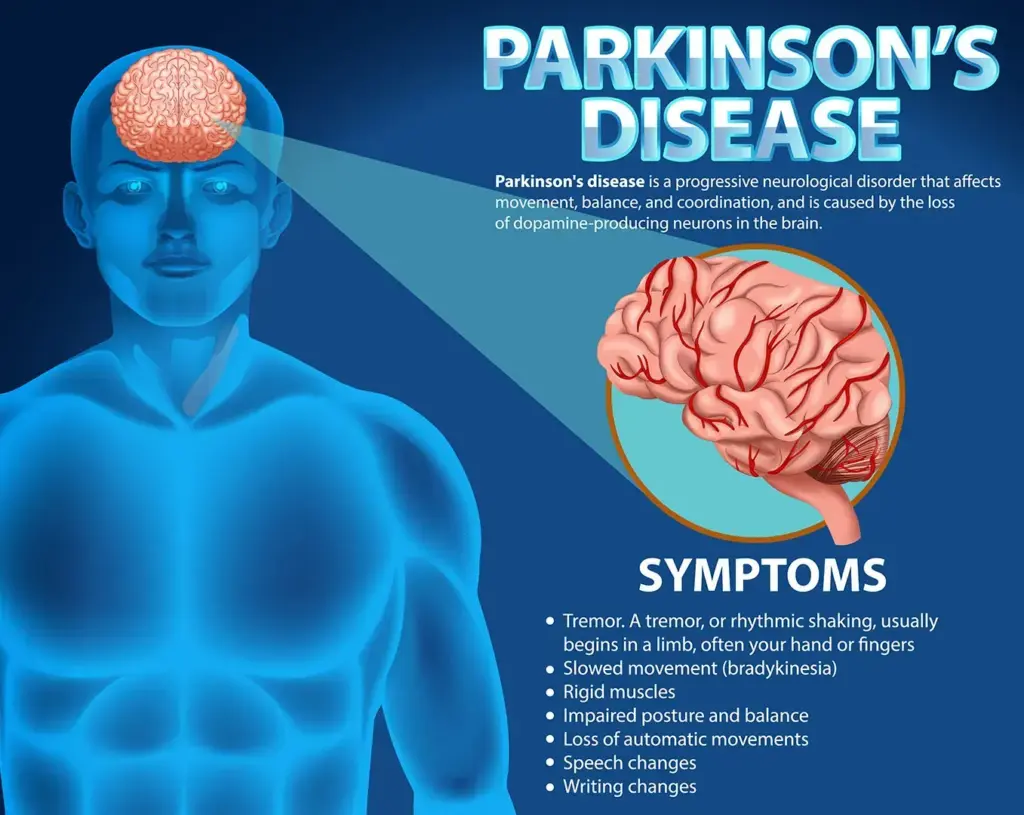
Parkinson’s Disease is a progressive neurological disorder that primarily affects movement. It is characterized by the degeneration of nerve cells in the brain that produce dopamine, a neurotransmitter crucial for controlling movement and coordination. As dopamine levels decline, individuals may experience symptoms such as tremors, stiffness, slowed movements, and balance difficulties. Early diagnosis and treatment can play a significant role in managing these symptoms and improving quality of life.
The impact of Parkinson’s disease extends beyond physical symptoms. Many patients, like Rachel Reid, report challenges in daily activities, including writing and typing. This can lead to frustration and a feeling of helplessness, particularly for those whose careers rely on their ability to write. Understanding the complexities of Parkinson’s is essential for both patients and their support networks, as it enables better management strategies and adaptations in routines.
Rachel Reid’s Journey with Parkinson’s Disease
Rachel Reid’s battle with Parkinson’s Disease began in the summer of 2023, coinciding with her rising fame from *Heated Rivalry*, the TV adaptation of her book series. Her story highlights the intersection of chronic illness and creative pursuits, illuminating the struggles many face when balancing health challenges with professional obligations. Reid has openly shared that her diagnosis came as a shock, especially amid the excitement that surrounded her book’s adaptation into a television series.
Reid’s recent opportunity to consult with a Parkinson’s expert illustrates the critical differences access to specialized treatment can make. With a long waiting list due to her small-town location, her case underscores the importance of seeking expert neurologists for Parkinson’s treatment. By speaking out, Reid not only raises awareness about her condition but also advocates for others facing similar struggles, emphasizing the need for timely medical interventions.
The Role of Specialists in Managing Parkinson’s
Access to specialized care is vital for individuals diagnosed with Parkinson’s disease. Neurologists who focus on movement disorders are equipped with the latest knowledge in treatments and therapies, making them critical resources for patients. For Rachel Reid, her appointment with a Parkinson’s expert is not just a consultation but potentially a life-changing experience that could alter her treatment plan and improve her day-to-day functioning.
The relationship between patients and neurologists is foundational in creating personalized therapy strategies. These specialists understand the nuances of Parkinson’s, which can manifest differently among individuals. For patients like Reid, having a dedicated neurologist can lead to significant improvements in symptoms, including better management of medication and possibly exploring innovative treatments, ensuring a more conducive environment to nurture their creative talents.
Creating Awareness About Parkinson’s Disease
Raising awareness about Parkinson’s disease is crucial in combating stigma and promoting understanding. Public figures like Rachel Reid have the unique ability to shine a spotlight on this often-overlooked condition. Since her diagnosis, Reid’s openness has sparked conversations that can help educate the public about the complexities of Parkinson’s and the experiences of those diagnosed with it, ensuring that the narrative of the disease is heard and understood.
Awareness is not only vital for fostering empathy but also for promoting research and funding for Parkinson’s treatment. Increased visibility can lead to greater community support and potentially influence policies that enhance healthcare resources for individuals living with chronic conditions. As Reid continues to share her story, she inspires others to seek help and speak openly about their challenges, which is essential for societal change.
The Impact of Parkinson’s on Daily Life
Living with Parkinson’s disease can significantly alter an individual’s daily life, often requiring adjustments in various activities, including work and leisure pursuits. For Rachel Reid, the challenges are magnified by her profession as a writer, where precision and dexterity with a keyboard are essential. The fatigue and motor difficulties associated with Parkinson’s disease can make it challenging for her to engage in extended writing sessions, prompting her to seek alternative methods for productivity.
For many, managing the effects of Parkinson’s means adapting to new strategies and exploring assistive technologies such as voice-to-text software. Reid’s hesitance to embrace these technologies reflects a common struggle among those facing similar circumstances. Finding solutions that work personally can empower individuals to maintain their passions and vocations, showcasing resilience in the face of adversity.
The Emotional Toll of Parkinson’s Disease
In addition to physical challenges, Parkinson’s disease often carries a significant emotional toll. Patients may experience feelings of isolation, anxiety, and depression as they navigate the uncertainties of their condition. Rachel Reid’s candid discussion about her struggles offers insight into the emotional ramifications of living with Parkinson’s, highlighting the necessity for mental health support alongside medical treatment.
For many, coping with the unpredictability of symptoms can lead to frustration and a sense of loss, particularly as it relates to one’s career or hobbies. Emotional wellbeing is integral to successful management of Parkinson’s disease. Having a supportive network, whether through family, friends, or support groups, can aid individuals in developing resilience against the emotional challenges associated with their diagnosis.
Exploring Treatment Options for Parkinson’s
The landscape of Parkinson’s treatment is continuously evolving, with research leading to new therapies aimed at alleviating symptoms and improving quality of life. For Rachel Reid, her recent consultation with a Parkinson’s expert represents a crucial step toward discovering the most effective treatment tailored to her unique needs. This personalized approach is essential in addressing the diverse ways that Parkinson’s affects different individuals.
Patients should feel empowered to discuss various treatment options with their neurologists, ranging from medication adjustments to physical therapies and lifestyle changes. Staying informed about advancements in Parkinson’s research can also play a pivotal role in optimizing care, ensuring that patients like Reid can access the best available resources for managing their condition.
The Representation of Same-Sex Relationships in Sports
The narrative focus of *Heated Rivalry*, which explores an illicit same-sex relationship between two ice hockey players, has resonated with audiences and sparked necessary conversations about representation in sports. Rachel Reid’s work not only entertains but also challenges conventional portrayals of love and rivalry in a traditionally masculine arena. As societal norms continue to evolve, stories like Reid’s offer a platform for broader discussions about LGBTQ+ representation.
By navigating the complexities of love in sports, Reid emphasizes that relationships can thrive in a competitive environment, often leading to compelling narratives that reflect real-life struggles. Bringing these stories to the forefront not only enriches the world of sports but also validates the experiences of many individuals who identify as part of the LGBTQ+ community.
The Influence of Media on Health Awareness
Media plays a significant role in shaping public awareness about health issues, including chronic conditions like Parkinson’s disease. Rachel Reid’s journey and the subsequent attention garnered by *Heated Rivalry* serve as a reminder of how storytelling can influence perceptions of illness and wellness. By sharing her experiences publicly, Reid contributes to a growing narrative that encourages open discussions about health challenges.
The influence of media can lead to increased empathy and understanding, fostering a supportive environment for those affected by Parkinson’s and similar conditions. Through various platforms, including television and social media, stories of resilience and struggle can reach a wide audience, inspiring individuals to seek help and stay informed about their health.
Frequently Asked Questions
What are the common symptoms of Parkinson’s disease?
Parkinson’s disease symptoms typically include involuntary shaking (tremors), slow movement (bradykinesia), stiff or rigid muscles, and balance difficulties. As the disease progresses, symptoms can intensify, impacting daily activities. It is essential to consult a neurologist for Parkinson’s disease to tailor a treatment plan.
How can treatment options for Parkinson’s disease improve life quality?
Effective treatment options for Parkinson’s disease include medications like levodopa, physical therapy, and lifestyle changes. They can help manage symptoms such as tremors and rigidity, improve mobility, and enhance overall quality of life. Consulting a neurologist for Parkinson’s treatment is crucial for personalized care.
What role does a neurologist play in managing Parkinson’s disease?
A neurologist specializing in Parkinson’s disease is essential for diagnosis and management. They can provide critical insights into treatment options, medication adjustments, and lifestyle modifications. Regular consultation can significantly enhance the management of symptoms and improve the patient’s outlook.
Can lifestyle changes benefit those with Parkinson’s disease?
Yes, adopting a healthier lifestyle can greatly benefit individuals with Parkinson’s disease. Regular exercise, a balanced diet, and maintaining social connections can help manage symptoms and enhance overall well-being. Engaging with healthcare professionals can help establish effective routines.
What advancements have been made in Parkinson’s disease treatment recently?
Recent advancements in Parkinson’s disease treatment include new medications, deep brain stimulation technology, and therapies focusing on symptom relief. Continuous research and development aim to improve patient care and quality of life, making it vital to stay informed and consult with specialized neurologists.
How does Parkinson’s disease affect writing and daily activities?
Parkinson’s disease can significantly impact writing and daily activities due to symptoms like tremors, muscle stiffness, and fatigue. Many individuals may need to explore adaptive technologies, like voice-to-text software, to facilitate writing, as seen in Rachel Reid’s experience with her writing difficulties.
What should I do if I’m diagnosed with Parkinson’s disease?
If diagnosed with Parkinson’s disease, it’s important to seek consultation with a neurologist specializing in Parkinson’s treatment. They can guide you through managing symptoms, developing a treatment plan, and connecting you with support resources. Early intervention can lead to better outcomes.
What is the significance of Rachel Reid’s journey with Parkinson’s disease?
Rachel Reid’s journey with Parkinson’s disease highlights the importance of seeking specialized care and the potential for improved treatment through expert intervention. Her experience emphasizes how publicity and advocacy can lead to new opportunities and resources for managing the disease.
How can I find experts or support for Parkinson’s disease?
Finding experts or support for Parkinson’s disease can be done by consulting healthcare providers, searching for local Parkinson’s disease clinics, and joining support groups. Organizations like the Parkinson’s Foundation offer resources and can help you connect with specialists in your area.
What is the connection between Parkinson’s disease and creativity in writing?
Parkinson’s disease can present challenges to creativity in writing, as it may affect motor skills and stamina. Writers may need to adapt their methods, like using voice-recognition software or altering their work environment, to continue expressing their ideas despite physical limitations.
| Key Point | Details |
|---|---|
| Rachel Reid’s Diagnosis | Diagnosed with Parkinson’s disease in summer 2023 at age 45. |
| TV Adaptation Success | The adaptation of ‘Heated Rivalry’ is well-received and increases awareness about Reid’s condition. |
| Expert Assistance | Received a call from a Parkinson’s expert after publicity related to the show. |
| Impact on Writing | Parkinson’s makes writing challenging for Reid; seeks new methods like voice-to-text. |
| General Information on Parkinson’s Disease | A progressive condition with symptoms such as shaking, slow movement, and stiffness. |
Summary
Parkinson’s Disease is a progressive condition that affects motor control and can severely impact daily activities, as illustrated by author Rachel Reid’s experience. Her recent diagnosis and ensuing journey toward seeking treatment highlight the challenges faced by individuals living with this condition. Reid’s story not only emphasizes the importance of specialized care but also reflects the potential impact of creative works, like her book series ‘Heated Rivalry,’ in raising awareness for Parkinson’s Disease.