
Listen to this article
Paranoid schizophrenia crime is a deeply distressing topic, as illustrated by the recent stabbing of a woman at a London bus stop. Jala Debella, 24, brutally attacked Anita Mukhey using a hunting knife he had purchased online just hours before the incident, highlighting alarming connections between mental health violence and the accessibility of weapons. While Debella was deemed unfit to stand trial, this heinous act not only devastates families but also raises urgent questions about mental illness safety and the adequacy of psychological assessments. The shock of such violence in a public place reinforces the crucial need for tighter regulations on online weapon purchase, especially for individuals known to struggle with severe mental health issues. As we delve into this sensitive issue, the tragic reality of paranoid schizophrenia and its potential to lead to violent crime becomes tragically clear.
The interplay between severe mental health conditions and criminal behavior, particularly in cases involving psychotic disorders, has garnered increased attention in recent years. Individuals experiencing delusions or hallucinations, like those often found in paranoid schizophrenia, may pose significant risks to themselves and others. This complex relationship is compounded by the ability of such individuals to acquire weapons through online platforms, raising critical concerns about public safety and regulatory policies. The recent incident involving a man who fatally stabbed a grandmother in a public space exemplifies these fears, as it underscores the pressing need for comprehensive evaluations of mental illness safety and systematic reviews of psychological assessments. By examining these tragic occurrences under broader societal implications, we can better understand the nuances and challenges in managing mental health crises.
Understanding Paranoid Schizophrenia and Violence
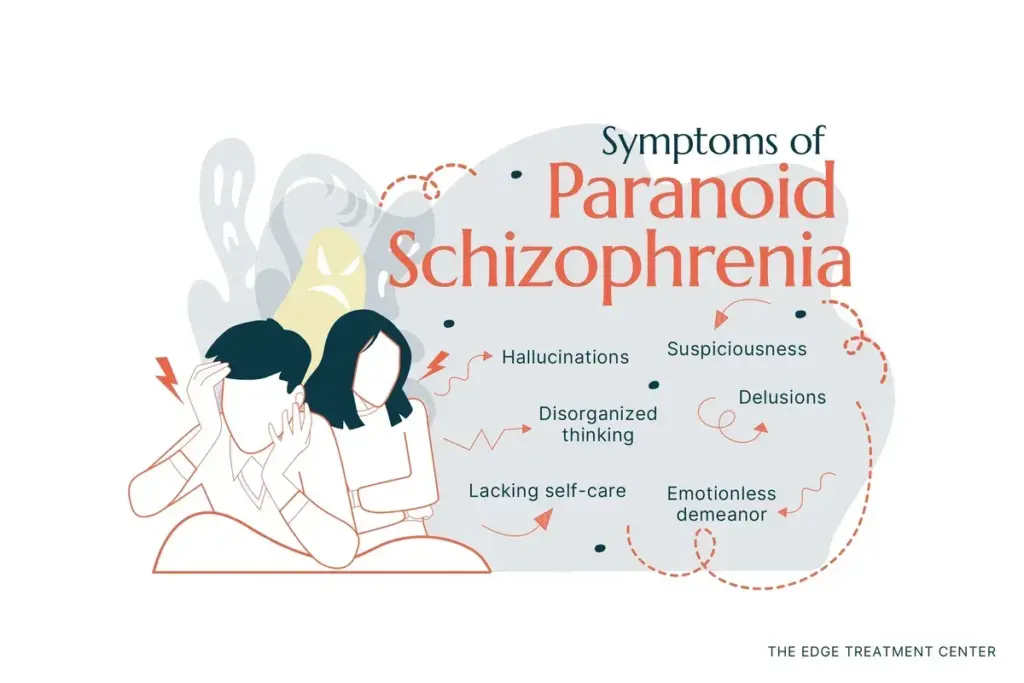
Paranoid schizophrenia is a severe mental health condition characterized by distorted thinking, delusions, and hallucinations. Those affected may experience intense paranoia, leading to aggressive behavior, particularly if they feel threatened or unable to distinguish reality from their delusions. In recent years, there has been a notable correlation between certain mental illnesses and violent acts, which has raised concerns about public safety and adequate support systems. Understanding the complex relationship between paranoid schizophrenia and violence is crucial in formulating effective interventions that prioritize both the mental health of individuals and the safety of the community.
The tragic case of Jala Debella, who committed a violent act against Anita Mukhey, exemplifies the challenges that arise in managing individuals with severe mental health issues. Despite being assessed as psychologically stable at the time, Debella’s history of escalating violent fantasies, compounded by his accessibility to weapons, highlights a significant gap in the risk assessment processes currently utilized. Mental health professionals must consider the potential for non-verbal indicators of danger that may not be visible during standard psychological evaluations.
The Impact of Online Weapon Purchases on Public Safety
The rise of online shopping has introduced a concerning trend in the accessibility of weapons, raising serious questions about public safety. In recent cases, including the horrific stabbing incident at a London bus stop, individuals with mental health struggles have been able to procure weapons online with alarming ease. This accessibility presents a critical challenge for law enforcement and mental health institutions alike, as it complicates efforts to prevent such tragedies from occurring. Discussions surrounding regulating online sales of weapons have become increasingly urgent in light of recent violence.
The incident involving Debella illustrated the potential dangers of online weapon procurement, particularly for individuals known to have severe mental illnesses. Despite residing in a rehabilitation facility, Debella managed to order a hunting knife, which he then used to commit an act of extreme violence. This highlights the need for rigorous background checks and tighter restrictions on weapon purchases, especially for those under mental health treatment. As society grapples with the intersection of mental health and access to weapons, it is essential to prioritize legislation that prioritizes the safety of the community.
Challenges in Psychological Assessments and Risk Management
Psychological assessments are integral to identifying individuals who may pose a risk to themselves or others. However, the tragic outcome of Debella’s case underscores the limitations of current assessment models in accurately gauging the potential for future violence. Mental health professionals often rely on self-reporting and observable behavior during evaluations, which may not reveal underlying fears and fantasies that could trigger violent actions. There is a pressing need for enhanced assessment protocols that incorporate a comprehensive evaluation of behavior patterns, particularly concerning the online consumption of violent material.
Furthermore, the disconnect between psychiatric assessments and actual behavior raises questions about the efficacy of current risk assessment frameworks. Debella was deemed safe for community living despite engaging in alarming behaviors such as weapon acquisition and a fascination with extreme violence. This situation calls into question whether current methods sufficiently consider the risk factors that contribute to violent acts. It may be beneficial to explore alternative models of assessment that include the perspectives of family members and community observers to present a more comprehensive picture of an individual’s potential risk.
Mental Health Safety versus Community Security
Balancing the rights of individuals with mental health challenges against the safety of the community presents a complex dilemma for policymakers and mental health professionals. In cases like that of Jala Debella, where an individual with known mental health issues committed a violent crime, the focus often shifts to the safety and security of the public. Yet, it is essential to consider how societal stigma against mental illness can hinder individuals from seeking help, ultimately leading to tragedies. Striking a balance between ensuring safety and providing compassionate care must be a priority moving forward.
Proposed strategies include creating more robust support systems for individuals living with mental illnesses, such as more comprehensive monitoring and follow-up care after hospitalizations. This proactive approach can help prevent the deterioration of mental health that might lead to violent incidents. Additionally, reducing stigma through public awareness campaigns can facilitate early intervention, leading to improved outcomes for both individuals and communities. Ultimately, the goal should be to promote mental health safety while simultaneously protecting community security.
The London Bus Stop Stabbing: A Case Study
The tragic incident at the London bus stop serves as a stark reminder of the potential consequences of mental health crises. Jala Debella’s attack on Anita Mukhey was not only an isolated incident but a reflection of the broader societal issues surrounding mental health and access to weapons. As communities grapple with the implications of such violence, it is crucial to dissect these events to identify patterns and underlying causes. By studying the circumstances that lead to such violent acts, mental health professionals, law enforcement, and lawmakers can work collaboratively towards prevention.
This case also illustrates how quickly violence can erupt in otherwise normal settings, drawing attention from both the media and the public. It raises critical questions about the effectiveness of current mental health interventions and the systems in place to monitor individuals with known violent tendencies. As news of such incidents spreads, it becomes increasingly important to focus on improving mental health care systems, ensuring that individuals receive the necessary support to prevent such tragedies while maintaining community safety.
Investigating the Role of Mental Health Services
The role of mental health services in preventing violence associated with mental illness is under intense scrutiny following incidents like the London bus stop stabbing. Jala Debella’s case brings to light the effectiveness of assessments made by mental health professionals regarding the safety of their patients. Despite being considered stable and safe for community living, Debella’s actions indicate that these assessments may not always capture the risk an individual poses to the public. Continued evaluation and adjustment of mental health services are necessary to ensure they meet the needs of both individuals and society.
Moreover, mental health services must initiate collaborations with law enforcement to streamline the communication of risks involving individuals with a history of violence. Implementing clear protocols between mental health providers and local authorities can ensure that warning signs are not ignored and that pertinent information is shared effectively. Establishing such relationships can lead to improved safety outcomes and foster a more comprehensive approach to managing individuals with severe mental health issues.
Public Perception of Mental Illness and Violence
Public perception plays a significant role in how society views mental illness and its relationship to violence. Sadly, many individuals with mental health conditions, particularly severe disorders like paranoid schizophrenia, face stigma and misconceptions that they are inherently dangerous. This perspective can further alienate those needing help and contribute to a cycle where individuals may avoid seeking treatment, fearing societal judgment. It is crucial to combat these stereotypes through education and advocacy to foster a more compassionate understanding of mental health.
The impacts of public perception extend beyond individual experiences, influencing policies and regulations surrounding mental health care. Negative stereotypes can skew how resources are allocated and can result in backlash against efforts to provide comprehensive support for individuals with mental health challenges. By shifting public narratives to emphasize recovery and the importance of support rather than just violence, communities can work towards creating an environment that promotes understanding and healing.
Legislative Actions in Mental Health and Violence Prevention
In light of the disturbing trends regarding mental illness and violence, recent discussions around legislative action are gaining momentum. Advocates stress the need for laws that ensure the safety of the public while still maintaining the rights of individuals with mental health conditions. This includes scrutinizing how weapons are acquired by individuals with known mental health issues, as seen in Debella’s case, and pushing for stronger regulations surrounding online weapon purchases. Legislative frameworks should adapt to meet the evolving challenges posed by mental health and public safety concerns.
Legislative action should also address the need for more comprehensive mental health care and resources. Ensuring adequate funding for mental health services, particularly in the wake of violence, is essential to prevent future tragedies. By investing in crisis intervention programs, community support, and educational resources, society can work towards a more proactive stance in addressing the root causes of violent behavior associated with mental illnesses. Through thoughtful legislative approaches, a balance can be achieved that addresses both mental health needs and public security.
The Importance of Community Support Systems
The incident involving Jala Debella highlights the critical need for robust community support systems for individuals experiencing mental health crises. Support networks, including family, friends, mental health professionals, and community organizations, play a vital role in identifying early signs of distress and preventing isolated individuals from resorting to violence. Together, these systems can provide a safety net for monitoring behavior and ensuring that at-risk individuals receive the help they need before violent actions occur.
Investing in community-centered mental health initiatives is essential for fostering a culture of support and understanding. Programs aimed at raising awareness about mental health issues can empower community members to recognize the signs of distress and respond appropriately. Furthermore, collaboration between mental health services and community organizations can create a comprehensive support framework that ensures individuals have access to resources and care, ultimately reducing the likelihood of violent incidents.
Frequently Asked Questions
What are the links between paranoid schizophrenia and violent crime?
Paranoid schizophrenia can contribute to violent behavior in some individuals, particularly when delusions or hallucinations promote aggression. However, it’s essential to recognize that most individuals with mental health conditions, including paranoid schizophrenia, are not violent. Assessing risk for violence often requires thorough psychological assessments, and factors such as treatment adherence and environmental influences play crucial roles.
How can psychological assessments fail to predict violent behavior in cases like paranoid schizophrenia?
Psychological assessments aim to evaluate an individual’s mental state and risks, but they may not always capture evolving behaviors or circumstances. In cases of paranoid schizophrenia, practitioners might deem a patient stable at one point, not foreseeing future risks like online weapon purchase or escalating aggression, which are significant in understanding the potential for violence.
What are the implications of online weapon purchases for individuals with mental health issues like paranoid schizophrenia?
Online weapon purchases pose significant dangers, especially for individuals with mental health issues like paranoid schizophrenia. It raises concerns about monitoring and restrictions necessary to prevent access to dangerous items, as seen in cases where these individuals demonstrate increasing violent tendencies. Effective mental health management should address these risks adequately.
What safety measures can be implemented for individuals with paranoid schizophrenia who exhibit violent behavior?
Ensuring safety for individuals with paranoid schizophrenia who show violent tendencies involves a combination of rigorous psychological assessments, ongoing therapy, monitoring behaviors, and potentially restricting access to weapons. Communities and healthcare providers must collaborate to create safe environments that minimize risks associated with mental illness violence.
How does the case of Jala Debella raise concerns about mental illness and community safety?
The case of Jala Debella highlights significant concerns regarding community safety, particularly about how individuals with severe mental illness, like paranoid schizophrenia, are managed. This incident demonstrates a disconnect between assessed stability and actual behavior, emphasizing the need for improved monitoring and evaluation systems to assess risk effectively.
What role does public awareness play in understanding paranoid schizophrenia and its potential for violence?
Public awareness is crucial in understanding paranoid schizophrenia and mitigating stigma associated with mental illness. Educating the community about the complexities of mental health, including instances of mental health violence, can lead to more informed discussions on safety and improve support systems for individuals navigating these challenges.
What lessons can be learned from the London bus stop stabbing regarding mental illness and public safety?
The London bus stop stabbing involving Jala Debella teaches important lessons about the need for a better understanding of mental illness risk factors, particularly in relation to violent crime. It emphasizes the importance of comprehensive strategies for assessment, intervention, and community safety that address the unique challenges posed by cases of paranoid schizophrenia.
| Key Point | Details |
|---|---|
| Incident Overview | Jala Debella, 24, fatally stabbed grandmother Anita Mukhey, 66, 18 times at a bus stop in London. |
| Mental Health Background | Debella was diagnosed with paranoid schizophrenia and had a history of mental health issues. |
| Legal Proceedings | Debella was deemed unfit to stand trial; sentenced to a hospital order with no specified release. |
| Weapon Acquisition | Debella purchased a hunting knife online, delivered just an hour before the attack. |
| Family’s Reaction | Anita’s family expressed grief, emphasizing her role as the heart of the family. |
| Concerns Raised | Questions were raised about how Debella was assessed as stable despite escalating violent behavior. |
| Future Considerations | An inquest into Mukhey’s death has been opened, examining the care and assessments of Debella. |
Summary
Paranoid schizophrenia crime has raised significant concerns following the tragic event involving Jala Debella, who, amidst his mental health struggles, committed a horrific act of violence against an innocent victim. This case highlights the pressing issue of how mental health assessments are conducted, particularly regarding violent tendencies. It not only sheds light on the devastating impact on families like that of Anita Mukhey’s but also sets the stage for critical discussions about safety protocols in mental health care systems and the effectiveness of current risk assessment models. As society grapples with these complex issues, it is essential to ask whether adequate safeguards are in place to prevent such tragedies in the future.