Listen to this article
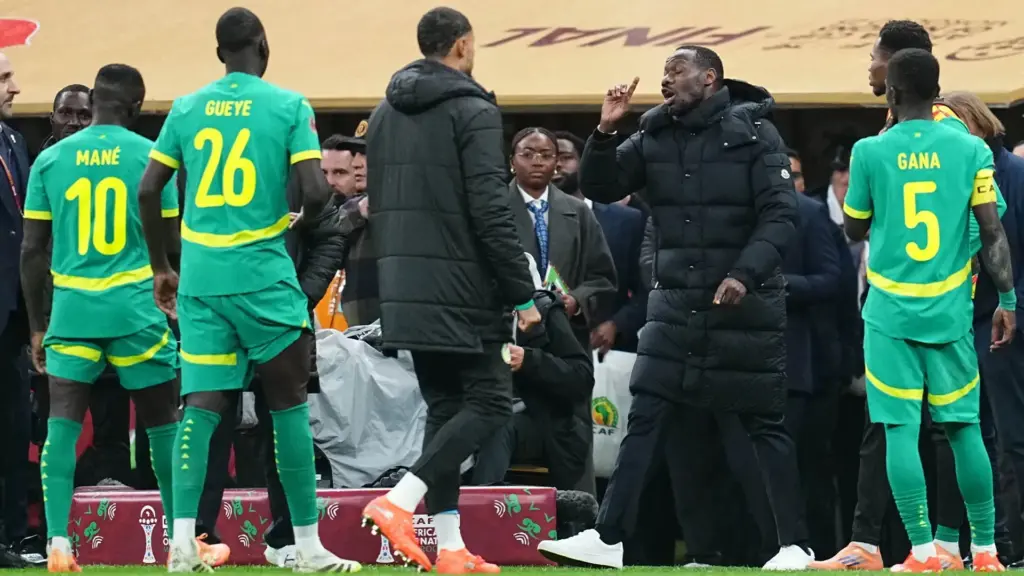
Pape Thiaw’s World Cup ban has become a pivotal topic within Senegal football news as the manager’s controversial actions during the AFCON final against Morocco have put his future at risk. Leading Senegal to a momentous victory, Thiaw’s decision to instruct his players to leave the pitch during an intense stoppage time sparked outrage and raised questions about sportsmanship. This episode unfolded after a contentious penalty was awarded to Morocco in the final moments of the match, moments after Senegal’s own goal was disallowed. As the chaos escalated, FIFA actions against misconduct became a prominent discussion point, with Thiaw now facing potential sanctions that could impact Senegal’s World Cup campaign. The incident highlights the larger issues of football manager bans and the need for accountability in the sport, as emotions and tensions boiled over on the grand stage of African football.
The recent upheaval surrounding Pape Thiaw’s potential ban from the World Cup spotlights the intricate relationship between managerial decisions and on-field conduct in football. This incident, stemming from the AFCON final controversy against Morocco, reflects the intense heat of competitive sports, where emotions can sometimes overshadow fair play. While Senegal ultimately triumphed in the match, the implications of Thiaw’s actions could resonate far beyond the pitch, drawing scrutiny from football governing bodies like FIFA and AFCON. As discussions around the Morocco penalty incident delineate clear lines of acceptable behavior in the sport, they also pave the way for a broader conversation about the repercussions of misconduct. With the football community on edge, the stakes for Thiaw and his team’s World Cup journey are undeniably high.
Pape Thiaw Faces Potential World Cup Ban
The recent actions of Pape Thiaw during the AFCON finals have placed him in jeopardy of a ban at the World Cup. After leading Senegal to a tense 1-0 victory against Morocco, Thiaw’s decision to pull his players off the field during injury time has raised significant eyebrows within the football community. This unprecedented move followed a controversial late penalty awarded to Morocco, which added fuel to an already heated match atmosphere. As FIFA reviews the chaotic scene, it becomes crucial for Thiaw and Senegal to consider the ramifications of his conduct on their World Cup campaign.
FIFA’s condemnation of Thiaw’s actions highlights the seriousness of this situation, as multiple parties, including the Confederation of African Football (CAF), have pledged to take action against inappropriate behavior in future matches. Thiaw’s choices now cast a shadow over Senegal’s aspirations for glory on the world stage. With such high stakes, the focus will be on how governing bodies like FIFA and CAF enforce guidelines to maintain order and sportsmanship, particularly as they act against misconduct demonstrated in upcoming matches.
The AFCON Final Controversy Explained
The AFCON final match, which saw Senegal triumph over Morocco, will forever be associated with controversy due to the unanticipated incidents that transpired. The pivotal moment occurred when Morocco was awarded a penalty in the dying moments of the match, which led to a considerable disruption on the field. Thiaw’s reaction, directing his players to exit the match, not only escalated tensions but also incited anxiety among fans, showcasing the fine line football managers must tread between passion and professionalism during high-pressure situations.
While Senegal celebrated their hard-fought victory, the post-match discussions inevitably shifted to the implications of Thiaw’s actions. The fallout from the AFCON final is a clear example of how tensions can lead to excessive misconduct, underscoring the need for managers to exercise restraint. As soccer fans and experts dissect the events, it remains clear that the AFCON final will be a case study in football management and discipline, especially in light of FIFA’s active role in addressing such behavior.
Reactions to the Morocco Penalty Incident
The decision to award Morocco a penalty in the 98th minute catalyzed a tumultuous climax to the AFCON final that has left fans and officials discussing implications for future matches. Many view this incident as emblematic of the underlying pressures associated with high-stakes international competitions. In the wake of the controversy, football analysts have begun scrutinizing the decision-making processes of referees in crucial moments, considering how the integrity of the game can be protected from emotionally charged incidents.
Moreover, Thiaw’s immediate response following the penalty decision has prompted inquiry into the conduct expected from football managers during critical moments. As governance bodies tighten regulations around football manager bans, the incident may serve as a wake-up call for coaching staff on how to manage their players in high-pressure situations. Stimulating discussions surrounding the incident highlights the necessary balance managers must achieve in championing their teams while ensuring respect for the game’s spirit.
FIFA’s Response to Misconduct in Football
FIFA’s swift condemnation of the events that transpired during the AFCON final reveals the organization’s commitment to maintaining discipline and fair play within football. By publicly addressing Pape Thiaw’s controversial decision-making during the game, FIFA sends a message that such behavior will not be tolerated, especially on such a significant occasion. Their vow to evaluate footage and take appropriate disciplinary action against misconduct further exemplifies their proactive approach to upholding the integrity of the sport.
Such actions by FIFA resonate with their broader strategy of stamping out unsporting behaviors within football. As they seek to create a more professional environment, the importance of upholding stringent standards for both player and manager conduct becomes ever more critical. These measures will likely influence how similar situations are managed in future tournaments, ensuring that the beautiful game remains a spectacle of sportsmanship and fair play.
Understanding Football Manager Bans and Their Implications
Football manager bans serve as a crucial tool for governing bodies in maintaining order and civility in the sport. When infractions occur, such as those demonstrated by Pape Thiaw in the AFCON finals, managing organizations are compelled to act decisively. These bans not only affect the immediate situation but also resonate throughout the entire team and its supporters, emphasizing the importance of leadership and conduct on the pitch.
Understanding the implications of a football manager ban extends beyond just the games themselves; it shapes the team’s overall strategy, morale, and connection with fans. As Senegal prepares for the World Cup, the potential for Thiaw’s ban looms large, carrying significant consequences for team dynamics and preparation. The soccer world watches closely, reinforcing why behaviors demonstrated during international competitions are scrutinized and require accountability.
Senegal Football News: A Tale of Triumph and Controversy
The overarching narrative of Senegal football news will undoubtedly eviscerate the AFCON final’s drama, blending triumph with controversy in the wake of Thiaw’s command. His leadership successfully led the team to a second AFCON title, but the accompanying discord has threatened to overshadow their achievement. Such contrasting elements highlight how fleeting moments can evolve into pivotal turning points for nations, molding future trajectories in international football.
As discussions proliferate among fans and pundits alike, it becomes evident that Senegal’s footballing narrative is far from simplistic. The complexity of recent events underscores the resilience of the team and its ability to focus on the positives while grappling with the challenges of leadership decisions. How Senegal navigates this dichotomy will be key as they head into upcoming competitions, especially with World Cup aspirations on the horizon.
The Role of Emotion in Competitive Sports
Emotion plays a multifaceted role in competitive sports, often acting as both a driving force and a potential pitfall. In the heat of the moment, individuals, including managers like Thiaw, may find themselves compelled to react in ways they would not otherwise consider. The tension during the AFCON finals illustrates how easily emotions can escalate, producing outcomes that lead to punitive actions from governing bodies.
While emotional passion can motivate teams to extraordinary heights, it also raises questions about decision-making under pressure. Encouraging a culture that promotes emotional intelligence and accountability could help minimize such incidents in the future. As FIFA moves forward in implementing stricter guidelines, fostering self-regulation within the sport becomes increasingly vital for managers wishing to navigate the complexities of competitive football.
The Importance of Leadership in Sports
Leadership is a cornerstone of success in any sport, serving to guide teams through the highs and lows of competition. Pape Thiaw’s recent actions during the AFCON final have called into question the very essence of effective leadership during tumultuous times. A key aspect of strong leadership is knowing how to maintain composure and direct a team amidst ongoing pressures, demonstrating to both players and fans the importance of poise.
The incident encourages current and future managers to embrace best practices in guiding their teams through critical moments. By fostering an environment characterized by respect and restraint, football managers can set a precedent for aspiring athletes. The lessons learned from such situations influence the next generation of leaders in sports, showcasing the enduring importance of integrity, sportsmanship, and thoughtful decision-making.
Future Implications for Senegal’s World Cup Journey
As Senegal prepares for the World Cup, the implications of Pape Thiaw’s actions during the AFCON final continue to reverberate throughout the football community. The potential ban casts a cloud over the team’s prospects, raising questions about leadership stability during crucial matches. However, it also offers an opportunity for the squad to unify and rise above controversies, channeling their focus into competing at the highest level.
Considering the high stakes of the World Cup, Senegal must address the recent challenges head-on, fostering a strong sense of teamwork and resilience. With fans around the world eager to witness their performance, the ability to move past the AFCON controversy could define Senegal’s journey in pursuit of football glory on the international stage.
Frequently Asked Questions
What caused Pape Thiaw’s potential World Cup ban related to the AFCON final controversy?
Pape Thiaw, the Senegal football manager, is facing a potential World Cup ban due to his controversial decision to order players off the pitch during the AFCON final against Morocco. This incident occurred after a contentious penalty was awarded to Morocco in stoppage time, leading to chaotic scenes and a delay in the match.
How did the Morocco penalty incident affect Pape Thiaw’s World Cup participation?
The Morocco penalty incident, which took place in the AFCON final, has put Pape Thiaw’s World Cup participation in jeopardy. His actions during this critical moment attracted scrutiny from FIFA and the Confederation of African Football (CAF), who are reviewing the events for potential misconduct.
What has been FIFA’s response to Pape Thiaw’s actions during the AFCON final?
FIFA president Gianni Infantino condemned Pape Thiaw’s actions during the AFCON final as ‘unacceptable’, stating that such behavior must not be repeated. This response highlights FIFA’s commitment to address misconduct and maintain discipline within football.
What implications does the AFCON final controversy have for Senegal’s World Cup campaign?
The AFCON final controversy involving Pape Thiaw could significantly impact Senegal’s World Cup campaign, as he may receive a touchline ban that would limit his ability to coach during crucial matches. This could affect team performance and strategy in the tournament.
How has Pape Thiaw responded to the backlash from the AFCON final controversy?
In response to the backlash, Pape Thiaw expressed regret for his actions during the AFCON final. He acknowledged that ordering his players off the pitch was a mistake and apologized to the football community for the disruption, emphasizing the need to accept mistakes and move forward.
What are the possible consequences for Pape Thiaw following the AFCON final?
Following the events of the AFCON final, Pape Thiaw could face disciplinary actions, including a ban from the World Cup. The CAF is reviewing footage of the incident to determine appropriate actions against Thiaw and any players involved in the misconduct.
| Key Point | Details |
|---|---|
| Pape Thiaw’s Situation | Manager of Senegal facing a potential World Cup ban following AFCON final incidents. |
| Controversial Decision | Thiaw ordered players to leave the pitch during stoppage time after a contentious penalty was awarded to Morocco. |
| Player Reaction | Most players walked off the pitch in agreement with Thiaw’s decision. |
| Security Response | Riot police were deployed to manage the situation and prevent fan unrest. |
| Match Outcome | Despite chaos, Senegal won 1-0 after extra time. |
| FIFA’s Stance | FIFA president condemned the actions as ‘unacceptable’ and called for accountability. |
| CAF’s Review | The Confederation of African Football is reviewing footage and will take action against those involved. |
| Thiaw’s Apology | Thiaw expressed regret and acknowledged he shouldn’t have acted that way, accepting the referee’s mistakes. |
Summary
Pape Thiaw’s World Cup ban could be imminent following a series of unfortunate incidents during the Africa Cup of Nations final. His decision to have players leave the pitch after a controversial penalty decision created chaos, leading to throngs of players walking off in protest. Although Thiaw guided Senegal to a historic victory, the ramifications of his actions are under scrutiny, and FIFA alongside the CAF is committed to ensuring appropriate measures are enforced against such behavior. As Senegal prepares for the World Cup, Thiaw’s potential ban serves as a pivotal point for reflection on the role of conduct during high-pressure tournaments.