
Listen to this article
The recent High Court ruling on the Palestine Action ban has sparked intense debate about the balance between national security and freedom of speech. The court deemed the Home Office’s decision under anti-terrorism legislation unlawful, although the group remains prohibited for the time being as further legal discussions unfold. This ruling highlights the ongoing tension surrounding the government’s approach to dissent and protest in support of Palestinian rights. With Home Secretary Shabana Mahmood announcing plans for an appeal, the case raises crucial questions about how anti-terrorism laws are applied and interpreted in the context of political activism. As public support for Palestine Action continues to rise, many are watching to see how this landmark decision will shape future discussions surrounding civil liberties and governmental power in the UK.
The controversial ban on Palestine Action has ignited widespread discourse regarding the implications of anti-terrorism laws on political activism and civil rights. Following a High Court ruling that found the government’s prohibition unlawful, there are pressing concerns about the impact this decision might have on similar organizations advocating for change. The Home Office’s controversial actions underscore a broader conversation about the limits of free expression in the face of national security claims. With the government now pursuing an appeal, the implications of this case resonate beyond the immediate context, affecting the rights of those who support Palestinian causes. As the legal battle unfolds, the intersection of speech rights and governmental authority remains a critical issue for many advocates and citizens alike.
High Court Ruling on Palestine Action Ban
The High Court’s recent ruling regarding the Palestine Action ban has generated considerable discussion surrounding the implications for freedom of speech and the government’s use of anti-terrorism legislation. While the court declared the ban to be unlawful, it acknowledged that the organization had engaged in certain criminal activities, which placed it under scrutiny. The judges, however, clarified that Palestine Action’s actions did not meet the rigorous criteria necessary for classification as a terrorist group. This pivotal ruling presents significant questions about how anti-terrorism laws are applied and their impact on legitimate expressions of dissent.
A key point of contention was the implications of the ban on public protests related to Palestinian advocacy. The High Court suggested that the initial decision made by former Home Secretary Yvette Cooper failed to account for the resultant restrictions on freedom of speech. With Palestine Action now at the center of a legal dispute, ongoing discussions will likely influence how similar cases are handled in the future, potentially safeguarding the rights of individuals to express their political beliefs without fear of arrest.
Implications of the Government’s Appeal
Following the High Court ruling, the Home Office’s decision to appeal has led to a division of opinions. Home Secretary Shabana Mahmood expressed disappointment with the court’s ruling, emphasizing the government’s belief in the necessity of the ban on Palestine Action to protect civil order and national security. This move indicates the government’s persistent commitment to enforcing anti-terrorism laws, even in light of significant judicial opposition. Critics of the appeal argue that this may further threaten freedom of speech and may unfairly target individuals demonstrating support for Palestinian rights.
Critics such as Shadow Home Secretary Chris Philp argue that Palestine Action represents organized political violence, warranting the government’s action. On contrasting views, reform advocates argue that the appeal could lead to more excessive enforcement of laws against peaceful expressions of political dissent. With the Home Office’s determination to challenge the High Court ruling, the unfolding situation remains critical in shaping public discourse on civil liberties and the scope of anti-terrorism legislation in the UK.
The Controversy Surrounding Anti-Terrorism Legislation
The use of anti-terrorism legislation to ban groups like Palestine Action has sparked a fierce debate regarding the balance between national security and civil liberties. Critics argue that labeling such organizations as terrorist groups undermines the important work they do advocating for justice. The High Court’s decision underscored the dangers of misapplying anti-terrorism laws to quash political dissent, calling into question the threshold for what constitutes terrorism. This legal precedent sets a foundation for future challenges against the government, as activists continue to assert their rights to public protest.
Moreover, the controversy surrounding the ban raises considerations about the broader implications of how the government defines terrorism. The judiciary suggested that alternative legal routes were available to address the conduct of Palestine Action without resorting to extreme measures that could infringe upon fundamental rights. This assertion signifies an important moment in legal discourse on how the concept of terrorism is interpreted and used, highlighting the necessity for reevaluation of existing frameworks that may risk conflating lawful activism with criminal behavior.
Concerns Raised by Legal Analysts and Advocates
Legal analysts have raised significant concerns over the government’s use of anti-terrorism legislation to impose bans on organizations like Palestine Action. The High Court ruling underscores that this application could potentially infringe upon individuals’ rights to express political solidarity, a point reinforced by co-founder Huda Ammori’s emphatic dismissal of the ban as an attack on free speech. The ruling indicates that the government may need to reassess its approach when dealing with dissenting voices, particularly those advocating for marginalized communities.
Advocates for civil liberties emphasize that the ruling illustrates how current interpretations of anti-terrorism legislation can lead to broader implications for freedom of expression. They warn that, if upheld, the Home Office’s appeal against the judgment could set a troubling precedent that undermines the rights of activists across various movements. The intersection of national security and freedom of speech remains a contentious issue as stakeholders on both sides of the argument prepare for potential repercussions stemming from the High Court’s decision.
Public Response to the Palestine Action Ban
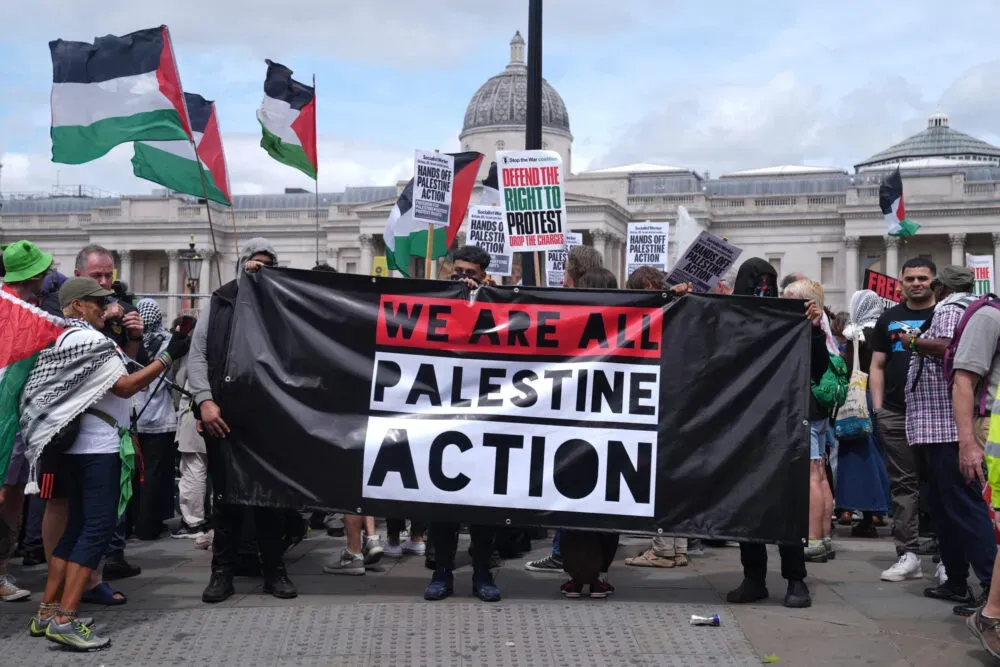
The ban on Palestine Action has incited a wide range of public responses, reflecting the contentious nature of the debate surrounding the Palestinian cause. Supporters of the organization view the High Court’s ruling as a monumental victory, celebrating it as a defensive measure for free speech and the right to protest. Co-founder Huda Ammori’s commentary emphasizes this sentiment, declaring that the government’s decision to impose the ban should be regarded as a striking infringement on civic liberties. The public’s response is often polarized, revealing deep divisions over the legitimacy of Palestine Action’s actions and the government’s interpretation of terrorism.
Further complicating public opinion are various advocacy groups and politicians who have voiced their concerns about the implications of the ban. Figures from political parties criticized the government’s approach, emphasizing the importance of distinguishing between legitimate expressions of political dissent and actions categorized as terrorism. These discussions underscore the prevailing tensions in society as individuals and organizations navigate the legal complexities of supporting Palestinian rights without being labeled as terrorists.
Future of Palestine Action and Legal Precedents
As the debate surrounding the Palestine Action ban continues, its future remains uncertain amidst appeals and potential repercussions for activists. The High Court’s ruling has opened the door for discussions on legal precedents around freedom of speech and anti-terrorism legislation. The decision calls for ongoing scrutiny of how governments enforce laws that can significantly impact public protests and dissent. The recent developments may inspire other activist groups to challenge similar restrictions on their rights and approach legal battles with renewed vigor.
Furthermore, the implications of this ruling and the subsequent government appeal will likely resonate beyond Palestine Action. Legal experts anticipate that this case could provide pivotal guidance on the boundaries of free expression in the face of national security concerns, setting a potential precedent for future legal disputes. The pathway forward for Palestine Action and other advocacy groups may hinge crucially on the evolving interpretations of both legal standards and societal attitudes toward activism.
The Role of Law Enforcement in Enforcing the Ban
With the High Court ruling deeming the Palestine Action ban unlawful, law enforcement’s role in managing protests and expressions of support for the organization is now under intense scrutiny. Despite the court’s findings, the Metropolitan Police have maintained that they will continue to gather evidence against individuals who express support for Palestine Action. This position raises broader questions about the extent to which law enforcement may operate as an extension of government policies that potentially infringe on rights to dissent.
This situation illustrates the challenging dynamic between police obligations and civil liberties. As protests and acts of civil disobedience continue among supporters of Palestine Action, policing strategies will be crucial in determining whether these movements can operate freely or whether individuals will be subject to prosecution under the government’s interpretation of terrorism laws. The broader consequences of law enforcement’s actions in this context remain to be seen, as both sides of the debate prepare for the unfolding legal battle.
Balancing National Security and Freedom of Speech
The ongoing discourse surrounding the Palestine Action ban highlights a fundamental struggle in contemporary society: the balance between national security and the rights of individuals to express their beliefs freely. As the government appeals the High Court’s ruling, questions arise about how far authorities can go in restricting speech under the guise of maintaining security. This case serves as a critical example of the delicate intersection between enforcing laws against terrorism while ensuring that such measures do not stifle essential democratic freedoms.
Critics of the government’s actions emphasize that equating activism for Palestine with threats to national security not only misrepresents the aims of the movement but also risks eroding trust in civil rights protections. Maintaining this balance remains imperative, especially in light of increasing tensions over international and domestic policies. The implications of this case extend beyond Palestine Action, prompting necessary discussions on how societies can navigate the complex terrain where security meets fundamental liberties.
Reevaluating Terrorism Laws in the Context of Activism
The High Court’s ruling on the Palestine Action ban serves as a critical moment for reevaluating terrorism laws within the framework of activism. Legal experts contend that the parameters defining terrorism must be clear and not overly broad, as the dismissal of Palestine Action’s activities as falling short of the terrorist criteria suggests a pressing need for refined legal standards. This judicial scrutiny calls for a careful examination of how laws are written and enforced concerning groups that advocate for social change.
The ruling sets a vital precedent for other movements facing similar restrictions under anti-terrorism legislation, potentially inspiring a reevaluation of how these laws are applied against groups advocating for marginalized populations. As discussions on the intersection of activism and terrorism continue, it becomes increasingly important that lawmakers consider the implications of their policies on civil liberties and ensure that protections for free speech remain intact while addressing security concerns.
Frequently Asked Questions
What was the recent High Court ruling regarding the Palestine Action ban?
The High Court ruled that the Home Office’s decision to ban Palestine Action under anti-terrorism legislation was unlawful. However, the group remains banned while the government contemplates an appeal.
How does the Palestine Action ban relate to freedom of speech?
The Palestine Action ban raises significant questions about freedom of speech as the High Court noted the decision impacted the rights of individuals to protest in support of Palestinian causes.
What actions did the Home Secretary take in response to the High Court ruling on Palestine Action?
Home Secretary Shabana Mahmood expressed disappointment with the High Court’s decision and announced that the government plans to appeal the ruling regarding the Palestine Action ban.
What implications does the Palestine Action ban have for individuals expressing support?
Expressing support for Palestine Action or participating in its activities remains a serious criminal offense even after the High Court’s ruling, which could lead to further arrests.
Why did the High Court deem the Palestine Action ban unlawful?
The High Court concluded that the former Home Secretary Yvette Cooper failed to consider the impact of the ban on the right to protest and did not adhere to her own policies concerning the proscription of organizations.
What does the Home Office’s decision to ban Palestine Action signify under anti-terrorism legislation?
The Home Office’s decision to ban Palestine Action reflects attempts to classify the group’s criminal activities as terrorism; however, the High Court found that the group’s actions did not meet the high threshold required for such classification.
What was the response from Palestine Action’s co-founder regarding the ban?
Co-founder Huda Ammori described the High Court ruling as a monumental victory for freedom of speech and criticized the Home Office’s ban as one of the most extreme attacks on free speech in recent British history.
How many arrests were made under the Palestine Action ban since its implementation?
Since the Palestine Action ban took effect, over 2,000 arrests have been made at protests with approximately 694 protesters charged for allegedly supporting the group.
What are the long-term effects of the Palestine Action ban on political activism?
The Palestine Action ban could have a chilling effect on political activism, as individuals may fear consequences for expressing support or association with the organization due to its classification under anti-terrorism legislation.
What are the next steps following the High Court ruling on Palestine Action?
Following the High Court ruling, the government intends to appeal the decision, and all legal arguments will be further considered in the court proceedings related to the Palestine Action ban.
| Key Points | Details |
|---|---|
| High Court Ruling | Declared Home Office’s ban on Palestine Action unlawful. |
| Current Status | Palestine Action remains banned pending further legal arguments. |
| Government’s Reaction | Home Secretary Shabana Mahmood plans to appeal the ruling. |
| Judges’ View | Actions of Palestine Action did not meet the threshold for terrorism classification. |
| Impact on Protests | Ban raised concerns about the right to protest in support of Palestinian causes. |
| Public Response | Co-founder Huda Ammori deemed the ruling a victory for free speech. |
| Police Statement | The Metropolitan Police will not arrest supporters until court proceedings conclude. |
| Past Arrests | Over 2,000 arrests occurred since the ban; approximately 694 charged. |
| Legal Standards | High Court suggested standard criminal law could address Palestine Action’s activities. |
| Political Reactions | Criticism of the ban from various political figures, including concerns over misuse of terrorism laws. |
Summary
The Palestine Action ban has faced significant judicial scrutiny, with the High Court ruling it unlawful, marking an important moment for civil liberties and freedom of expression in the UK. This ruling challenges the Home Office’s interpretation of anti-terrorism legislation and emphasizes the importance of protecting the right to protest, especially in support of issues like the Palestinian cause. As the situation unfolds, the government’s attempt to appeal against this decision will undoubtedly continue to draw public and political attention, and potentially impact the ongoing discourse surrounding civil rights in relation to activism.