
Listen to this article
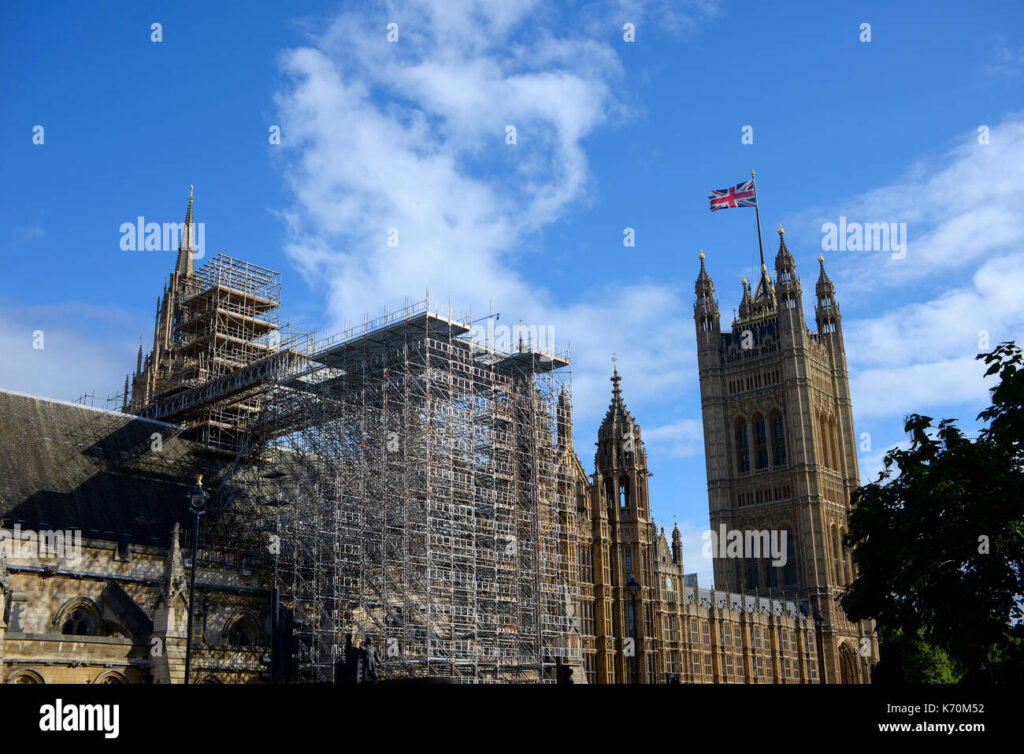
The restoration of the Palace of Westminster is a monumental endeavor that highlights the urgency of addressing the decay affecting this iconic symbol of UK democracy. As the center of British political life, the Palace requires extensive upgrades to ensure safety and functionality for its occupants and visitors. With estimated costs soaring into billions and a timeline stretching over six decades, the planned renovations are crucial for the future of the UK Parliament. From tackling issues like asbestos and vermin infestations to enhancing accessibility, government building improvements are imperative to restore this historical estate. As concerns about Westminster decay grow amidst rising political infrastructure issues, the restoration serves as a necessary investment in the heart of the nation.
The refurbishment project at the Palace of Westminster represents a critical turning point for the UK Parliament, which faces numerous renovations to modernize its facilities. This government building, steeped in tradition, is not only a historical monument but also a vital part of the nation’s infrastructure, serving the needs of thousands each year. Given the visible deterioration, the urgent upgrades sought will address both safety hazards and the functionality of this political hub. As discussions around the proposed renovations unfold, the necessity for a thorough restoration becomes clearer, as stakeholders grapple with the pressing need to improve conditions and bolster the image of parliamentary operations. Ultimately, the restoration efforts reflect broader concerns regarding the maintenance and modernization of political institutions in the UK.
The Need for Palace of Westminster Restoration
The Palace of Westminster stands as a symbol of British democracy, but it has increasingly transformed into a glaring representation of degradation. Inadequate maintenance has resulted in dangerous conditions, highlighted by the presence of asbestos and vermin throughout the building. This urgent call for restoration is not merely about aesthetics; it is a pressing issue of safety and functionality within a government building where vital state affairs are conducted daily.
As discussions around Palace of Westminster upgrades continue, the estimated costs and timelines are staggering. Proposals range from completing renovations in 19 to 24 years with a full relocation of both Houses, to an even longer, more expensive option that keeps parliament functioning during repairs. This degradation raises concerns about political infrastructure, reflecting broader worries about the state of democracy in the UK. Without significant investments to preserve this historical site, we risk letting Westminster decay beyond repair.
Implications of Government Building Improvements
The ongoing restorations and renovations concerning the Palace of Westminster raise critical questions about the future of government buildings in the UK. Not only do these facilities require physical upgrades to meet contemporary standards, but they must also address the increasing demands of accessibility for all citizens. The current conditions within Westminster, having only 12% of its floor space offering step-free access, exemplify the need for substantive government building improvements that center around inclusivity.
These government building improvements are not just about fixing structural defects but also about reestablishing faith in the political system. With public trust in institutions waning, a well-maintained, accessible Palace of Westminster could serve as a beacon of transparency and accountability. By prioritizing urgent renovations, the UK can rejuvenate its political infrastructure, ensuring that it fulfills its role in a modern democracy.
Addressing Westminster Decay: A National Responsibility
As the discussions surrounding the restoration of the Palace of Westminster continue, it becomes increasingly clear that addressing Westminster decay is a national responsibility. The building is not merely a political venue; it embodies the heritage and democratic values of the UK. Each day that passes without effective action merely amplifies the physical and symbolic deterioration of this landmark, risking a situation where the location itself becomes a barrier to effective governance.
Moreover, the challenge of confronting Westminster decay reflects larger political infrastructure concerns that resonate throughout society. Ensuring a safe, functional, and inspiring work environment for parliamentarians not only aids their efficiency but also reinforces their duty to represent the people. As we contemplate the implications of a failing Palace of Westminster, we must recognize that taking decisive action now is crucial for preserving democracy itself.
Political Infrastructure Concerns Rising in the UK
The state of political infrastructure in the UK has become an increasingly critical concern as the Palace of Westminster faces dire restoration needs. As parliament struggles with outdated facilities and safety hazards, it raises questions about the commitment of governance to invest in the spaces where democratic discourse takes place. In light of recent political challenges, the inability to provide adequate working conditions can detrimentally affect the legislature’s ability to function effectively.
Furthermore, political infrastructure concerns extend beyond just the buildings themselves; they encompass the overall health of the political system in the UK. Public scrutiny has grown on the ability of elected officials to maintain the environments within which they operate, leading to a call for transparency and accountability. As the Palace of Westminster approaches a much-needed restoration, it is imperative that the lessons learned from these upgrades inform future investments in political infrastructure across the country.
Renovation Options for Parliament: What’s at Stake?
As plans for the Palace of Westminster restoration unfold, a critical decision lies ahead regarding the renovation options for Parliament. MPs must contemplate whether to fully relocate during the upgrades or to remain in the building amid ongoing repairs. Each option carries substantial financial implications, with estimates projecting costs anywhere from £8.4 billion to over £18 billion. Hence, the stakes are exceptionally high, and the choices made could shape the future of the UK Parliament for decades to come.
In making these decisions, lawmakers must also weigh the intangible costs, such as the potential disruptions to parliamentary proceedings and public trust. The duration of both the relocation and the phased renovation plans may extend for decades, likely outliving numerous parliamentary sessions and administrations. Thus, the urgency for improvements and upgrades is salient; any delay not only risks structural integrity but also threatens the efficacy of the UK Parliament as a whole.
Ensuring Accessibility in the Palace of Westminster
An essential aspect of the planned Palace of Westminster restoration is ensuring that accessibility is prioritized throughout the process. Given the historical significance of the building, it has often lagged behind in accommodating individuals with disabilities. With current figures indicating that merely 12% of the estate has step-free access, the upcoming renovations present a pivotal opportunity to rectify this oversight and create a more inclusive environment that reflects modern societal standards.
By embedding accessibility into the Palace of Westminster upgrades, officials will not only be improving physical features but also working towards a more equitable democratic process. A parliament that is accessible to all citizens underscores the values of representation and participation fundamental to a healthy democracy. The need for accessible pathways is a pressing concern that must be addressed to welcome every citizen into their government.
Public Perception of Parliamentary Restoration Efforts
Public perception plays a significant role in how restoration efforts for the Palace of Westminster are received. As citizens observe ongoing debates regarding costs and plans, skepticism can arise about whether these upgrades will adequately address the deteriorating conditions of the parliamentary estate. The public’s patience may wear thin with the promise of reforms that appear excessively delayed or inadequately executed.
Moreover, the visible decay of one of the UK’s most iconic structures can damage public trust in the government. A successful restoration must go hand-in-hand with transparent communication about progress and setbacks. Engaging the public through informative updates and active involvement in the decision-making process may enhance perceptions around parliamentary renovations and emphasize the commitment of lawmakers to addressing concerns regarding government efficiency and accountability.
Historical Context of the Palace of Westminster
The Palace of Westminster has long been a cornerstone of British governance and political history. Its majestic architecture and storied past tell tales of major political events that have shaped the UK. However, as the building ages, its historical significance is dimmed by what many perceive as a failure to maintain the edifice fittingly. Understanding the rich context of Westminster instills a sense of urgency in discussing crucial restoration projects — after all, maintaining its integrity means preserving a significant part of the nation’s identity.
Furthermore, today’s restoration efforts must be viewed within the broader continuum of architectural preservation in government buildings. The evolution of the Palace reflects not only the changing needs of the United Kingdom’s political landscape but also the broader trends in architectural styles and safety standards. Balancing the historic integrity with modern requirements is both a challenge and an opportunity for the renovations to honor the past while accommodating the future.
Funding and Sustainability Challenges in Restoration
One of the most pressing aspects of the Palace of Westminster restoration discussions is the challenge of securing adequate funding. With estimates suggesting costs could soar as high as £18 billion, questions about where this funding will come from are paramount. Not only must lawmakers justify the financial burdens of their renovations to the public, but they must also ensure that any funding secured aligns with the goals of sustainability and environmental responsibility.
As the UK grapples with issues related to funding public projects, it is crucial for the Palace of Westminster upgrades to set a precedent for sustainable practices in political infrastructure. By integrating eco-friendly materials and systems into the renovation process, the restoration can serve as a model for future government building improvements nationwide. Moreover, emphasizing sustainability could enhance public support for these significant expenditures by showcasing a commitment to responsible stewardship of both resources and historical sites.
Frequently Asked Questions
What is the estimated cost of the Palace of Westminster restoration?
The restoration of the Palace of Westminster is projected to cost between £8.4 billion and £18.7 billion, depending on whether the restoration is completed with MPs remaining on site or if a full decant is implemented.
How long will the Palace of Westminster upgrades take?
The timeline for the Palace of Westminster restoration varies, with estimates suggesting it could take anywhere from 19 to 61 years, based on the chosen renovation approach.
What issues are prompting the UK Parliament renovations?
The urgent need for UK Parliament renovations arises from safety concerns, including issues with asbestos, pest infestations, an outdated infrastructure, and insufficient access for disabled persons, which urgently need to be addressed.
What are the main deficiencies in the current state of the Palace of Westminster?
The Palace of Westminster is facing several deficiencies, such as hazardous materials like asbestos, substantial structural decay, inadequate accessibility, and a lack of basic sanitation and maintenance, highlighting the need for critical restoration.
Can the Palace of Westminster restoration project accommodate modern accessibility needs?
Current discussions around the Palace of Westminster restoration emphasize the necessity to enhance accessibility, as presently only 12% of the estate has step-free access, which is not acceptable for a modern government building.
What temporary solutions are being considered during the Palace of Westminster upgrades?
During the Palace of Westminster upgrades, possible temporary solutions include relocating MPs to the House of Lords or fully decanting both houses to a different location while renovations are underway.
How does Westminster decay reflect on the UK’s political infrastructure concerns?
The decay of the Palace of Westminster symbolizes broader political infrastructure concerns, indicating how neglect can undermine the functionality and safety of important government buildings essential for a modern democracy.
Why is immediate action required for the Palace of Westminster restoration?
Immediate action is necessary for the Palace of Westminster restoration to ensure the safety and functionality of this critical government building, as it currently poses risks to health and hampers effective governance.
| Key Point | Details |
|---|---|
| Cost Estimates | The restoration could cost between £8.4-£18.7 billion depending on the options chosen. |
| Duration | Estimated to take between 19-61 years to complete. |
| Current State | The Palace of Westminster is plagued by issues like vermin, asbestos, and insufficient accessibility. |
| Impact on Governance | Working conditions are inadequate with MPs often limited in space and resources, impacting legislative processes. |
Summary
The Palace of Westminster restoration is a crucial initiative that highlights the urgent need for modernization and safety improvements. With estimates suggesting a staggering investment of up to £18.7 billion and a timeline stretching possibly over 60 years, the proposed upgrade is not only a refurbishment but a necessary step towards ensuring that the heart of British democracy can function effectively. As discussions continue, it remains clear that this restoration is essential for the Parliament to better serve the nation and reflect contemporary standards of infrastructure.