
Listen to this article
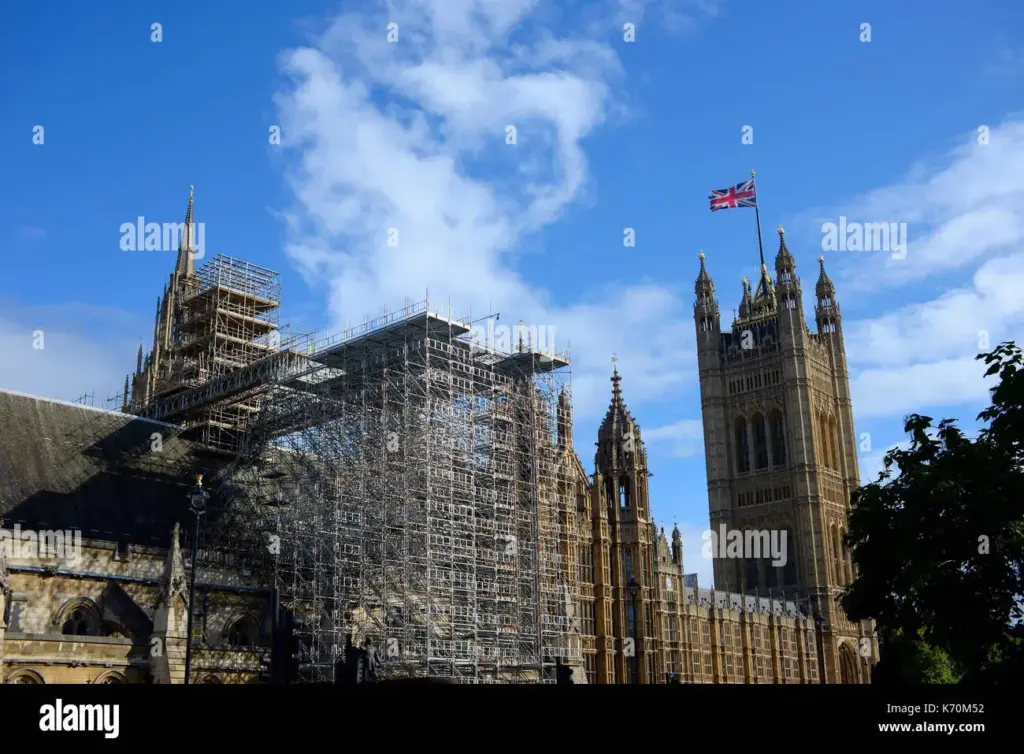
The restoration of the Palace of Westminster is an urgent initiative aimed at overcoming the extensive wear and tear experienced by this iconic structure, which primarily reflects Victorian architecture. With estimates suggesting that the Palace of Westminster renovation could reach staggering costs of £40 billion, the debate surrounding the necessary UK parliament repairs has become increasingly contentious. As stakeholders assess the best strategy for addressing the building’s critical state, members of parliament are faced with the daunting prospect of costs, with expenses projected to balloon over time. Critics have voiced their concerns about the timeline, with potential renovations spanning up to 61 years, prompting many to question the viability and accountability of the project. As discussions progress, the cost of restoring parliament remains a critical topic, highlighting not only the financial implications but also the significance of preserving a UNESCO World Heritage site.
The ongoing efforts to rejuvenate Westminster Palace—often referred to as the Houses of Parliament—reflect a pressing need for comprehensive upkeep of this historic edifice. Engaging in Victorian architecture restoration, the British government must grapple with the daunting financial implications involved in such extensive work, estimated to run into tens of billions. The choice between pursuing a full decant or a staged approach raises significant questions about the method and duration of necessary UK legislative repairs, as timeframes could stretch for decades. With escalating figures concerning the costs of restoring parliament, there is a palpable anxiety surrounding the governance and efficiency of this monumental task. Deliberations are further complicated by urgent maintenance needs, drawing attention to the overall expenses associated with preserving a vital symbol of UK democracy.
Understanding the Cost of Restoring the Palace of Westminster
The restoration of the Palace of Westminster has become a pressing issue, with recent estimates suggesting the project could cost an astounding £40 billion. This staggering figure reflects the complexities involved in renovating a building that stands as a symbol of democracy in the UK. The costs associated with restoring the fabric of such a historic structure include not only the repairs to its iconic architecture but also the necessary upgrades to meet modern safety and accessibility standards. With the Palace being predominantly a Victorian-era construction, the renovation must carefully preserve its historic elements while addressing current structural challenges.
Critics have raised concerns over the lack of transparency and accountability in how the restoration funds will be managed. Given the estimated £1.5 million spent weekly on maintenance, there is widespread fear that without proper oversight, the project could spiral out of control both in terms of expenses and timelines. The debate is further fueled by various proposals, with some favoring a full decant that could potentially reduce costs, while others are wary of the risks involved in such an extensive relocation. As discussions continue, the cost of restoring parliament remains a contentious issue among MPs and peers.
Challenges in The UK Parliament Repairs
The ongoing discussions about the repairs needed for the Palace of Westminster highlight significant challenges that the UK Parliament faces. With increasing incidents of fire hazards, asbestos exposure, and various structural failures, the urgency for repairs cannot be overstated. Reports indicate that MPs and peers experience regular disruptions due to heating failures and sewage issues. These problems not only affect the day-to-day functioning of the parliamentary system but also raise safety concerns for those who work and visit the estate.
Given that the Parliament is a UNESCO World Heritage site, the renovation must adhere to strict guidelines for heritage preservation. This adds another layer of complexity to the already difficult task of conducting repairs. The sheer scale of necessary renovations indicates that a solution must be reached soon, as the ongoing maintenance challenges continue to escalate. With many lawmakers expressing doubts about the governance of the project, finding a consensus on how to best approach these repairs remains a formidable challenge.
Frequently Asked Questions
What is the estimated cost of the Palace of Westminster restoration?
The restoration of the Palace of Westminster is estimated to cost approximately £40 billion, making it a significant project within the UK parliament repairs agenda.
How long will the restoration of the Palace of Westminster take?
The renovations of the Palace of Westminster could take up to 61 years, depending on the chosen plan for restoration.
What are the options being considered for Palace of Westminster renovation?
The restoration board is considering two plans: a full decant that would take 19 to 24 years and cost up to £15.6 billion, and a staged decant lasting 38 to 61 years at a cost up to £39.2 billion.
Why is the Palace of Westminster undergoing repairs?
The Palace of Westminster is undergoing repairs due to critical safety concerns such as outdated wiring, asbestos, and unsafe masonry, which could lead to a catastrophic incident.
What initial restoration works are planned for the Palace of Westminster?
Initial restoration works costing £3 billion will refurbish the interior of the Victoria Tower, construct a jetty for river deliveries, and initiate underground tunnel shafts.
What issues have been reported at the Palace of Westminster that necessitate restoration?
Reported issues include heating failures, sewage system problems, and numerous incidents involving fire, asbestos, and stonemasonry, highlighting the urgent need for repairs.
How is the restoration of Victorian architecture at the Palace of Westminster significant?
Restoring Victorian architecture at the Palace of Westminster is crucial for preserving its historical value, ensuring safety, and maintaining its status as a UNESCO World Heritage site.
What is the impact of the Palace of Westminster restoration on parliamentary functions?
The restoration may require relocating the House of Commons and House of Lords, which could affect parliamentary functions but is deemed necessary for urgent repairs.
What concerns have critics raised about the restoration of the Palace of Westminster?
Critics have expressed concerns regarding the project’s cost management, lack of accountability, and the unclear governance proposed for the restoration of the Palace of Westminster.
How much is currently being spent on maintaining the Palace of Westminster?
Currently, £1.5 million is being spent weekly on maintenance and repairs for the Palace of Westminster, reflecting the urgent need for a comprehensive restoration plan.
| Key Points |
|---|
| Restoration Costs |
| £40 billion estimated cost for restoration. |
| Renovation Duration |
| Expected to take between 19 to 61 years depending on the chosen plan. |
| Plans Overview |
| Two plans: Full decant (19-24 years, £15.6bn) or Staged decant (38-61 years, £39.2bn). |
| Initial Works |
| £3 billion for immediate restoration works; potential start in 2026. |
| Critical Condition |
| £1.5 million spent weekly on maintenance; significant increase in maintenance tasks. |
| Governance Concerns |
| Calls for better accountability and clearer project governance. |
Summary
The Palace of Westminster restoration is a monumental task facing considerable financial and logistical challenges. As discussions evolve, the proposed costs of £40 billion and the potential duration of up to 61 years raise serious concerns over accountability and management of the project. With critical infrastructure issues and a dire need for repairs, this restoration project demands careful planning and oversight to ensure the historic fabric of the Palace is preserved for future generations.