Listen to this article
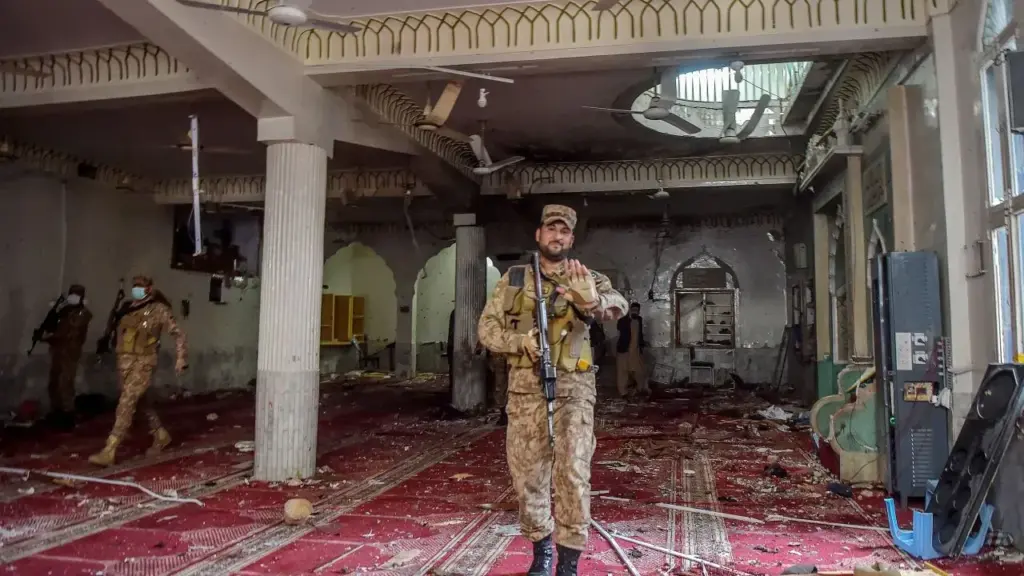
The Pakistan mosque explosion during Friday prayers in Islamabad tragically claimed the lives of at least 31 people and injured over 169 others, marking a harrowing incident in the nation’s struggle against violence and terrorism. This attack, linked to a suicide bombing at a Shia mosque in the Tarlai area, has sparked renewed outrage and sorrow across Pakistan, where such violent incidents are becoming all too frequent. Amidst the chaos, witnesses described horrifying scenes following the blast, highlighting the urgency for action against terrorism in the region. As details unfold, Pakistan’s leadership, including Prime Minister Shehbaz Sharif, has condemned this brutal assault, emphasizing the need for a thorough investigation into this devastating event. Ongoing coverage of the Pakistan terrorism news reflects a deeper narrative of grief, anger, and the resilience of its people in facing the menace of radical violence.
In the wake of the tragic event at the mosque in Islamabad, discussions regarding the alarming rise of violent episodes across the country have intensified. The Shia mosque attack exemplifies a broader issue of terrorism in Pakistan, where recent spikes in lethal incidents have raised concerns for civilian safety. Following the suicide bombing Pakistan witnessed, many are calling for stronger protective measures and a strategic response to prevent such tragedies in the future. The collective shock and mourning over the loss of life during this grim episode highlight the urgent need for community and governmental efforts to combat extremism. This devastating incident is not just a local tragedy; it represents a national crisis that challenges the fabric of society in Pakistan.
Tragic Consequences of the Pakistan Mosque Explosion
The explosion at the Shia mosque in Islamabad marks a tragic turning point in the city’s history, where communal harmony is shattered by a heinous act of violence. With at least 31 confirmed dead and 169 others injured, the event is one of the deadliest attacks in the region in recent months. This mosque blast, occurring during the sacred time of Friday prayers, has left families mourning and the community in shock, emphasizing the vulnerabilities of places of worship in Pakistan amid rising terrorism.
Such brutal incidents point towards the alarming increase in violent incidents in Pakistan, with recent statistics highlighting a significant surge in attack-related fatalities. The targeted assault on civilians during religious practices not only instills fear among the populace but also raises critical questions around security measures and the responsibilities of authorities in preventing such occurrences. In light of this tragedy, it is essential for security agencies to reassess their strategies to protect vulnerable communities from the significant threat of terrorism.
Overview of Pakistan’s Ongoing Terrorism Issues
Pakistan has been grappling with the scourge of terrorism for decades, with multiple militant groups conducting attacks across the nation. The recent mosque explosion is one of many tragic examples that underline the persistent threat posed by extremist factions. The Pakistani government has faced criticism for its inability to secure its urban centers, particularly places of worship, which are supposed to be sanctuaries of peace and community gathering.
Notably, the past year has recorded an uptick in terror-related violence, highlighted by reports of coordinated attacks that left numerous civilians dead. The Balochistan province, for example, has witnessed significant upheaval, with rebel groups committing violent acts that exacerbate the already fragile security situation. These incidents, including the suicide bombing in Islamabad, highlight the urgent need for a comprehensive approach to counter-terrorism that integrates community engagement and intelligence-led policing.
Eyewitness Accounts of the Islamabad Mosque Attack
Eyewitnesses to the Islamabad mosque blast have recounted harrowing experiences that emphasize the chaos and devastation that unfolded in mere moments. One survivor, who was engaged in prayer, described hearing gunfire followed by the explosion. This narrative is shared by many who were present, illustrating the suddenness of the attack and its impact on innocent lives. Such firsthand accounts humanize the statistics and reflect the broader fear that permeates communities vulnerable to such acts of terror.
Survivors, like Zaheer Abbas, echo sentiments of disbelief and trauma, which linger long after the physical wounds heal. These accounts remind us of the emotional scars left on individuals and the collective psyche of communities affected by violence. As families seek solace and healing, it becomes crucial for social support structures to be fortified to help those traumatized by such violent incidents in Pakistan.
Government’s Response to the Suicide Bombing
In the immediate aftermath of the mosque explosion in Islamabad, government officials, including Prime Minister Shehbaz Sharif, have expressed their profound sorrow over the loss of life. A statement calling for ‘thorough investigations’ serves both as a reassurance to the public and as a recognition of the failures that led to this tragedy. The declaration of an emergency in hospitals signifies the state’s commitment to rapid response amid public outcry for accountability.
Moreover, the governmental response must also involve addressing the underlying causes of such violent acts, including sectarian tensions and extremist ideologies that fuel these attacks. Continuous efforts are needed to bridge divides within society, and proactive measures to promote tolerance and dialogue among communities can be integral in preventing future incidents. The voices of the authorities must resonate not only with concern but also with action that actively seeks to dismantle the structures of violence.
Exploring Sectarian Violence in Pakistan
The attack on the Shia mosque in Islamabad highlights the sectarian divisions that have historically plagued Pakistan. Sectarian violence, often incited by extremist groups, not only targets places of worship but also strives to undermine the social fabric of the nation. Such targeted violence exacerbates divisions within society, leading to further polarization and mistrust among different religious groups.
As the mosque blast indicates, the consequences of sectarian strife extend beyond immediate physical damage; they create long-lasting psychological impacts on communities, fostering an environment of fear and insecurity. Educational initiatives aimed at promoting interfaith dialogue and understanding become crucial in combating these divisions, ensuring that the people of Pakistan can coexist peacefully irrespective of their diverse beliefs.
Healthcare and Emergency Response Post-Attack
The explosion at the Islamabad mosque triggered a swift response from emergency services, demonstrating the urgent need for effective healthcare and rapid response systems in the face of such crises. Hospitals in the region were overwhelmed with casualties, leading to a call for blood donations to manage the influx of injured victims. The images from local hospitals, showcasing doctors and volunteers working tirelessly to save lives, paint a compelling picture of human resilience amid chaos.
However, the significant number of injured underscores the need for improved emergency preparedness and healthcare infrastructure in Pakistan. In light of this tragedy, authorities must assess and enhance their emergency response protocols to ensure readiness for future incidents. Training programs and resource allocation are essential to equip medical staff with the skills needed to handle mass casualty situations more efficiently.
Reflection on the Impact of Violence on Pakistani Society
The mosque explosion in Islamabad is not just a number in a statistic; it resonates deeply within the societal psyche of Pakistan. Each violent incident, particularly those that target religious gatherings, erodes the collective sense of security and peace. Communities find themselves grappling with the grief of lost loved ones while also questioning the safety of their daily lives amid increasing terrorist threats.
Moreover, such attacks can lead to a hardened attitude toward security, where everyday activities become overshadowed by fear of violence. It is essential for Pakistan to engage in community-building efforts that emphasize unity and resilience against terrorism. Initiatives aimed at healing and supporting the victims of violence are necessary to rebuild trust and foster a sense of hope for the future.
Role of Media in Reporting Terrorism in Pakistan
The media plays a crucial role in shaping public perception of terrorism in Pakistan, particularly following incidents like the mosque explosion in Islamabad. News outlets bear the responsibility of reporting facts while being mindful of their influence on societal sentiments. The manner in which these tragedies are covered can either incite fear or promote resilience and awareness about the realities of terrorism.
Additionally, responsible journalism can aid in debunking myths that may perpetuate sectarian divides, providing a platform for constructive dialogue and community support. By prioritizing accurate reporting and emphasizing stories of survival and solidarity, the media can contribute to a more informed and unified response to the challenges posed by terrorism in Pakistan.
The Future of Counter-Terrorism in Pakistan
As Pakistan continues to face the pervasive threat of terrorism, reevaluating its counter-terrorism strategies becomes imperative. The mosque explosion serves as a grim reminder of vulnerabilities that persist even in major urban centers like Islamabad. A shift towards more community-centered approaches, which involve engaging local populations in safety protocols, may prove beneficial in preventing future violence.
In conclusion, addressing the root causes of radicalization and extremism will require concerted efforts from the government, civil society, and international partners. By promoting education, economic opportunities, and interfaith dialogue, Pakistan can work towards creating an environment where peace prevails, rendering the violent incidents, such as the recent mosque attack, a remnant of the past.
Frequently Asked Questions
What happened in the recent Pakistan mosque explosion?
In a tragic incident during Friday prayers at the Khadijatul Kubra Mosque in Islamabad, a suicide bomber detonated an explosives device, resulting in at least 31 fatalities and 169 injuries. Witnesses report that gunfire preceded the blast, highlighting the tragic nature of this violent incident in Pakistan.
Who was affected by the Islamabad mosque blast?
The Islamabad mosque blast primarily targeted the Shia community attending Friday prayers, resulting in numerous casualties. Victims included worshippers, with reports of many injured individuals receiving medical attention at local hospitals, emphasizing the need for increased security against such acts of terrorism in Pakistan.
What is the current situation regarding Pakistan terrorism news after the mosque attack?
The recent Islamabad mosque explosion has drawn significant attention in Pakistan terrorism news. Prime Minister Shehbaz Sharif condemned the attack, calling it a crime against humanity and emphasizing the government’s commitment to a thorough investigation to bring those responsible for this violent incident to justice.
What measures are being taken following the recent suicide bombing in Pakistan?
In response to the recent suicide bombing at the mosque in Islamabad, emergency services were deployed, and hospitals issued a call for blood donations to assist the injured. The government is also focused on investigating the incident and increasing security measures, particularly for religious gatherings, to prevent future attacks against communities such as the Shia population.
How does the Shia mosque attack fit into the broader context of violence in Pakistan?
The Shia mosque attack in Islamabad reflects a worrying trend in Pakistan, where violent incidents against minority groups are alarmingly frequent. Last year marked a significant increase in combat-related deaths, with over half attributed to militant activities. This explosion is part of a continuing cycle of violence that underscores the urgent need for enhanced security and reconciliation efforts in Pakistan.
What have officials said about the Pakistan mosque explosion?
Officials, including Islamabad’s deputy commissioner Irfan Memon, reported that the death toll from the Pakistan mosque explosion stands at 31, with 169 injured. Prime Minister Shehbaz Sharif and President Asif Ali Zardari condemned the attack, calling for immediate investigations to hold the perpetrators accountable for this heinous act of terrorism.
What can be learned from the response to the Islamabad mosque blast?
The response to the Islamabad mosque blast shows a community coming together amidst tragedy, with individuals assisting the injured and hospitals mobilizing quickly to treat victims. It highlights the resilience of the population in Pakistan when faced with violent incidents, as well as the critical need for policy reforms to address the root causes of such terrorism.
| Key Point | Details |
|---|---|
| Location | Islamabad, Pakistan, specifically in the Tarlai area. |
| Casualties | At least 31 dead and 169 injured. |
| Nature of Attack | A suicide bomber detonated a device after gunfire was heard. |
| Response | Emergency declared, hospitals received the injured, with appeals for blood donations. |
| Government Statements | Condemnation from Prime Minister Shehbaz Sharif and President Asif Ali Zardari. |
| Eyewitness Accounts | Witnesses described the chaos after the explosion, with many injured requiring urgent assistance. |
| Context | This attack follows a week of violence in Balochistan, highlighting ongoing security issues. |
Summary
The Pakistan mosque explosion has resulted in a tragic loss of life, with over 30 individuals killed and many more injured during Friday prayers in Islamabad. This incident underscores the escalating violence in Pakistan and the urgent need for comprehensive security measures to protect civilians. It highlights the devastating impact of such attacks on communities and reiterates the call for stronger government actions to prevent future tragedies.