Listen to this article
The Pakistan Afghanistan conflict has escalated dramatically in recent weeks, prompting Pakistan’s Defence Minister to declare that the nation is in an “open war” with Afghanistan. This alarming statement follows a series of Pakistan airstrikes on Afghanistan that targeted key Taliban positions in response to the militant group’s recent offensives. Khawaja Muhammad Asif’s statement reflects the rising Afghanistan border tensions, as both nations engage in a cycle of attack and retaliation, most recently highlighted by a Taliban retaliatory operation which purportedly involved seizing multiple Pakistani military posts. Such military incursions have persisted despite previous attempts to negotiate a ceasefire, with accusations of insincerity on both sides. As the situation deteriorates, the implications of this conflict extend beyond military might, impacting regional stability and humanitarian conditions.
Hostile exchanges between the two countries have become increasingly frequent, characterized by military strikes and accusations of aggression. The ongoing skirmishes signify deep-rooted issues in the bilateral relationship, with both sides struggling to resolve historical grievances that fuel current hostilities. Furthermore, the role of the Afghanistan Taliban and its aggressive posturing in the border regions complicates any prospects for peaceful negotiations. Pakistani officials continue to emphasize their resolve against perceived aggressions, asserting their military readiness to counter any threats posed by Afghan forces. As regional tensions rise, the necessity for constructive dialogue becomes more urgent, with international observers calling for a de-escalation of hostilities to prevent further casualties.
Current Status of Pakistan-Afghanistan Relations
Tensions between Pakistan and Afghanistan have escalated significantly in recent weeks, with the situation being described as ‘open war’ by Pakistan’s Defence Minister. This declaration comes in light of recent airstrikes carried out by Pakistan against Afghan targets. Following these airstrikes, the Afghan Taliban initiated their own offensive, marking a shift in the dynamics of both countries’ relations. The fragile ceasefire that was established back in October seems to have crumbled, raising serious concerns about the potential for full-scale conflict in the region.
Both nations have engaged in mutual accusations, with Pakistan blaming Afghanistan for harboring militants who launch strikes across the border. The complexity of this conflict is underscored by interconnected issues related to tribal allegiances and historical grievances. As the situation unfolds, there is an urgent need for dialogue and diplomacy to address the underlying issues that have fueled decades of mistrust and hostility.
Impact of Military Actions in the Border Regions
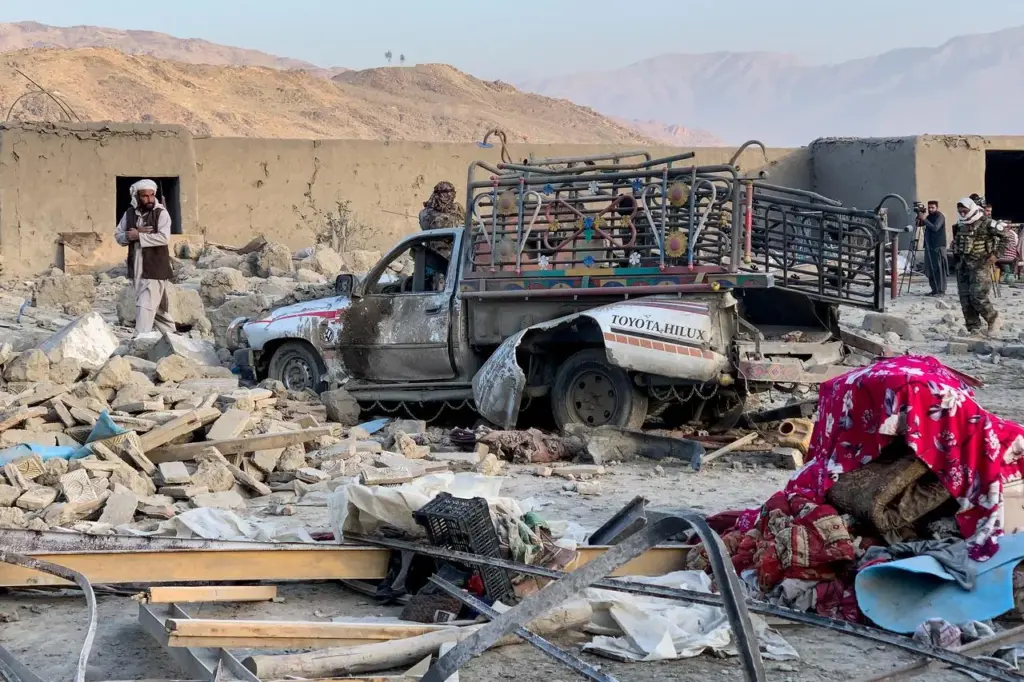
Military incursions by Pakistan into Afghan territories have had significant implications for civilians living in border areas. The Pakistani airstrikes aimed at Taliban positions are reported to have inadvertently affected innocent civilians, as evidenced by claims from the Taliban that rockets struck a refugee camp in Nangarhar, injuring multiple people. These military operations not only heighten the risk of civilian casualties but also contribute to the influx of refugees, complicating an already dire humanitarian situation.
The ongoing conflict has created an atmosphere of fear and instability among the local populations on both sides of the border. With both military forces engaged in retaliatory operations, the potential for collateral damage is high, further straining relations between the two nations. The international community is now called upon to play a mediating role, promoting peace initiatives to mitigate violence and protect civilian lives caught in the crossfire.
Statements from Key Political Figures
Khawaja Muhammad Asif, Pakistan’s Defence Minister, has made strong statements regarding the current military actions, emphasizing that the country’s patience has run out. His rhetoric points towards a more aggressive military posture against Afghanistan, notably following claims of an extensive Taliban retaliatory operation aimed at Pakistani military posts. Such statements from high-ranking officials are indicative of a hardening of positions that could further complicate peacemaking efforts in the region.
On the other side, Taliban officials assert their right to defend their territory and retaliate against perceived aggressions. The back-and-forth of accusations serves to bolster each side’s narrative while perpetuating a cycle of violence. The international community, including foreign ministers from Turkey and Saudi Arabia, has called for dialogue, highlighting the importance of diplomatic engagement at this crucial juncture.
Regional Stability amidst Afghanistan Border Tensions
The ongoing border tensions between Pakistan and Afghanistan pose a significant threat to regional stability. The rivalry and militarization along the 2,600 km (1,615 miles) border are closely watched by neighboring countries who fear that any escalation could have ripple effects throughout the region. Countries such as Iran, which has offered to facilitate dialogue between the two sides, underline the critical need for cooperative security measures to address these challenges.
Moreover, with the involvement of foreign powers in the matter, including diplomatic appeals from the UK and Turkey urging for de-escalation, there is a growing recognition that a multinational approach may be necessary for durable peace. It is essential that both Islamabad and Kabul engage in constructive dialogue to ensure the security of their territories while also safeguarding the lives of civilians caught in the ongoing hostilities.
The Role of Pakistan’s Military in Ongoing Conflicts
Pakistan’s military has been on high alert since the declaration of an ‘open war’ with Afghanistan, marking a significant escalation in military activities. Operations led by the Pakistan military include airstrikes on alleged Taliban positions, which the military claims have effectively neutralized threats along the Afghanistan border. The military’s involvement is pivotal, as it not only aims to protect national security but also seeks to send a message of deterrence against further incursions.
These military actions have raised questions about the effectiveness of conventional warfare in addressing asymmetric threats like those posed by the Taliban. Analysts argue that while aerial bombings can decimate visible targets, they often fail to dismantle the underlying networks of militancy that foster insurgency. This has led to calls for a more strategic approach that incorporates political solutions alongside military tactics.
The Humanitarian Crisis Resulting from Military Actions
As military engagements escalate, the humanitarian crisis in the border regions deepens. The influx of refugees fleeing violence exacerbates an already precarious situation, with families often left without basic necessities. International organizations have begun sounding alarms over the potential for widespread displacement and humanitarian needs growing significantly, particularly in areas where ceasefires have been broken.
While military strikes may aim to target militant groups, the resulting civilian casualties and destruction of infrastructure pose severe challenges for post-conflict recovery. As both sides engage in retaliatory tactics, the region faces an increased risk of human suffering that will require ongoing humanitarian assistance and support from international partners.
Consequences of Failed Peace Talks
The lack of successful negotiations between Pakistan and Afghanistan has led to detrimental consequences for both nations. Despite attempts to broker peace and establish a ceasefire, ongoing hostilities have prevented the resolution of core grievances, resulting in recurring cycles of violence. The failure to find common ground reflects deeper historical mistrust and diverging interests, particularly regarding border security and the management of militant groups.
As each side resorts to military solutions, the prospect of genuine dialogue diminishes, leaving citizens to bear the brunt of the fallout. Addressing these failures is crucial, as both nations require civil society engagement and international mediation to foster a climate conducive to lasting peace and stability.
International Implications of the Pakistan-Afghanistan Conflict
The conflict between Pakistan and Afghanistan carries international implications that extend beyond regional boundaries. As global powers like the United States and China observe the situation closely, the geopolitical balance in South Asia could be at stake. The strains in Pakistan-Afghanistan relations might embolden non-state actors and terrorists operating across borders, affecting not just neighboring countries but the global fight against terrorism.
Furthermore, countries engaged in regional diplomacy, such as Iran and Turkey, are aware that stability in one country can lead to broader regional peace. It is essential for international stakeholders to recognize the complexity of the Pakistan-Afghanistan conflict and support resolutions that address the concerns on both sides while encouraging cooperative security measures.
The Future of Pakistan-Afghanistan Relations
Looking ahead, the trajectory of Pakistan-Afghanistan relations remains uncertain. The current climate of suspicion and hostility suggests that without significant diplomatic efforts, both nations may slide deeper into conflict. However, there exists an opportunity for both governments, supported by external mediators, to engage in dialogue aimed at establishing a framework for peace and security along their contentious border.
A balanced resolution will necessitate compromise and a willingness to engage respectfully despite historical grievances. By focusing on common interests, such as economic cooperation and border security, both countries could potentially shift towards a more stable and peaceful coexistence that benefits their citizens and regional dynamics.
Diplomatic Efforts to Mitigate Tensions
In response to the escalating conflict, diplomatic initiatives from various countries have emerged, aiming to mediate tensions between Pakistan and Afghanistan. Foreign officials from Turkey and Saudi Arabia have actively pushed for an urgent dialogue, emphasizing the necessity for both nations to come to the negotiating table. Such actions are crucial in demonstrating the international community’s commitment to peace in the region.
Moreover, proposals from Iran highlighting the need for neighbourly relations underscore a broader understanding that conflict resolution must include input from multiple parties. Engaging in open discussions could provide both nations with a roadmap to de-escalation, ensuring that negotiations prioritize the security and well-being of civilians caught amid military confrontations.
Frequently Asked Questions
What led to the recent escalation in the Pakistan Afghanistan conflict following Pakistan’s airstrikes on Afghanistan?
The recent escalation in the Pakistan Afghanistan conflict was triggered by Pakistan’s airstrikes on Afghan territory, particularly after the Afghan Taliban initiated a significant offensive against Pakistani military posts. Defence Minister Khawaja Muhammad Asif declared that Pakistan is in ‘open war’ with Afghanistan due to these provocations, following a long-standing history of border tensions and previous ceasefire agreements that did not lead to lasting peace.
How have the Taliban responded to Pakistan’s military incursions into Afghanistan?
In response to Pakistan’s military incursions, the Taliban commenced a retaliatory operation, claiming they had seized multiple Pakistani military posts and inflicted casualties on their forces. They accused Pakistan of unprovoked attacks and stated that they conducted airstrikes on Pakistani military targets using drones, further heightening the tensions between the two nations amidst ongoing conflict.
What statements have been made by Khawaja Muhammad Asif regarding the Pakistan Afghanistan conflict?
Khawaja Muhammad Asif, Pakistan’s Defence Minister, stated that the country has reached a point of ‘open war’ with Afghanistan after ongoing escalations and unprovoked Afghan attacks. He emphasized Pakistan’s military response to these provocations, underlining the determination to protect the nation while criticizing the Taliban for their aggressive operations against Pakistani military posts.
What are some key developments in the recent Pakistan Afghanistan conflict?
Key developments in the recent Pakistan Afghanistan conflict include Pakistan’s airstrikes on Afghan military targets, claims of Taliban retaliatory operations, and significant military casualties on both sides. Both nations have accused each other of not engaging in peace talks seriously, leading to a breakdown in negotiations despite a fragile ceasefire that was previously established.
How has international diplomacy been involved in addressing the Pakistan Afghanistan conflict?
International diplomacy has played a role in the Pakistan Afghanistan conflict, with Iran offering to mediate between the two countries and the UK urging both sides to de-escalate tensions. Pakistan’s Foreign Minister has engaged with other countries, seeking support for peace and stability in the region, emphasizing the importance of dialogue to resolve ongoing issues.
What impact have Pakistan’s airstrikes had on Afghanistan’s civilian population?
The impact of Pakistan’s airstrikes on Afghanistan’s civilian population has been concerning, with reports of injuries among civilians, including incidents where rockets allegedly struck refugee camps housing returning Afghan citizens. Such events raise alarms about the humanitarian consequences of the ongoing conflict, prompting calls from the international community for restraint and the protection of civilians.
How have both sides dealt with the casualties in the Pakistan Afghanistan conflict?
Both sides have reported heavy casualties in the Pakistan Afghanistan conflict, claiming to inflict significant damage on each other’s military. While the Taliban has presented figures for casualties among Pakistani soldiers, Pakistan’s military has similarly reported Taliban losses, leading to ongoing disputes over the accuracy of these claims and highlighting the dire humanitarian situation in the affected regions.
What role do border tensions play in the Pakistan Afghanistan conflict?
Border tensions are a significant factor in the Pakistan Afghanistan conflict, influencing military strategy and diplomatic relations. The shared 2,600 km border has been a contentious point, with accusations from Pakistan regarding the Taliban supporting anti-Pakistan militants. These tensions often lead to militant operations across the border, complicating efforts for peace and stability in the region.
| Key Event | Details |
|---|---|
| Pakistan in ‘Open War’ | Pakistan’s defence minister claims the country is in open conflict with Afghanistan following airstrikes. |
| Afghan Taliban Offensive | The Taliban declared an offensive against Pakistani military posts, leading to escalated violence. |
| Retaliatory Airstrikes | Pakistan conducted airstrikes targeting Afghan military locations after Taliban attacks. |
| Casualty Claims | Both sides claim high casualties among the enemy while downplaying their own, with figures unverified. |
| International Responses | Iran offers to facilitate dialogue; UK urges re-engagement to de-escalate tensions. |
Summary
The ongoing Pakistan Afghanistan conflict has escalated significantly, marking a troubling turn in relations between the two nations. Recent military actions, including airstrikes and retaliatory operations, have intensified hostilities, highlighting the fragile nature of their ceasefire agreements. The failure of negotiations has exacerbated tensions, raising concerns not only for the military forces involved but also for civilians caught in the crossfire. The need for diplomatic avenues to resolve these conflicts has become increasingly urgent to promote peace in the region.