
Listen to this article
Paan-spitting, a controversial habit particularly rampant in areas like Wembley, has come under the scrutiny of Brent Council as it grapples with significant public cleanliness issues. The reddish-brown stains left behind constitute an unsightly problem, one that costs the council over £30,000 annually in cleanup efforts. Paan, a chewable blend of betel nut, herbs, and tobacco, is popular among South East Asian communities; however, its consumption carries health risks that raise concerns. Amid this backdrop, the council is enforcing stricter chewing regulations, seeking to curb the mess and the associated dangers of paan. The issue highlights the need for heightened awareness and potentially stricter bans to protect the health and environment of the community.
The practice of chewing betel leaf, often mixed with tobacco and other addictive substances, is not only prevalent but also problematic in many urban settings. This habit, known for leaving an unsightly residue when spat out, poses various health risks and has led to calls for localized bans, especially in regions like Brent. While chewing this mixture is culturally significant for some, the aftermath of paan-influenced littering necessitates a balanced approach to community health and cleanliness. Local authorities are now mandated to tackle the aftermath of such indulgences, with measures aimed at reducing the impact on public spaces. As communities navigate the fine line between cultural practices and public health, awareness of the implications surrounding paan consumption becomes increasingly vital.
The Impact of Paan-Spitting on Local Communities
Paan-spitting has emerged as a significant nuisance in Brent, particularly in areas frequented by the South East Asian community. The reddish-brown stains left on pavements, buildings, and public spaces not only degrade the aesthetic appeal of these neighborhoods but also signal a lack of community pride. Residents and business owners alike have voiced their frustrations over the unsightly mess that persists despite cleaning efforts. With Brent Council reportedly spending over £30,000 a year on cleanup operations, the economic implications of paan-spitting extend beyond cleanliness; they reflect broader issues of community health and public image.
Moreover, the presence of paan stains can contribute to a perception of neglect in the area, which may deter potential visitors and investors. As Brent aims to foster a vibrant urban environment, the issue of paan-spitting poses challenges that require collective action. Activists and local businesses are advocating for not just immediate fines for offenders, but also for public awareness campaigns that educate about the health risks associated with paan chewing and the importance of civic responsibility.
Health Risks Associated with Paan Chewing
The health risks linked to chewing paan are becoming increasingly evident, with studies indicating that it can have carcinogenic properties, especially when combined with tobacco. The World Health Organization has classified the betel nut, a key ingredient in paan, as a potentially cancer-causing substance. This raises concerns not only for those who regularly chew paan but also for the broader community, including children and non-smokers who may be affected by secondhand exposure.
Additionally, the social implications of these health risks are profound. Community health initiatives are being called for in Brent, aimed at curbing paan consumption through education about its dangers. The council’s efforts to combat the widespread habit of paan chewing must include these health-centric discussions, promoting alternatives that do not carry such risks, while ensuring awareness campaigns reach individuals in hotspots like Wembley.
Cleaning Costs and Community Responsibilities
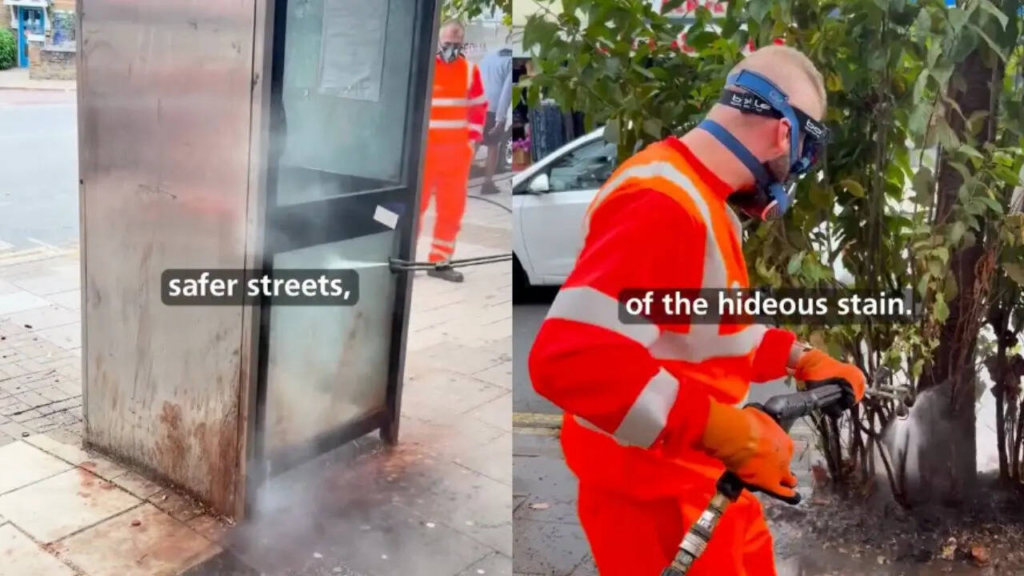
Brent Council’s cleaning costs related to paan-spitting highlight the financial burden placed on local authorities in managing public cleanliness. The £30,000 expenditure annually emphasizes the need for a sustainable solution to minimize this community issue. High-powered cleaning jets often fail to completely eradicate the stains, which raises questions about the effectiveness of current cleaning methods. As such, the council has a dual responsibility: to maintain hygiene standards while also seeking engagement and cooperation from the community.
In addition to enforcing penalties for paan-spitting, it’s crucial for Brent Council to foster community responsibility. Local organizations can play a pivotal role in educating residents about the economic impact of their actions. Initiatives encouraging people to report instances of littering and spitting can lead to a collective effort to restore local pride and encourage behaviors conducive to a cleaner environment.
Paan Chewing Regulations in Brent
As Brent Council takes a firm stand against paan-spitting, discussions surrounding the regulation of paan chewing are also gaining traction. With health risks associated with paan well-documented, some local leaders are advocating for more stringent regulations on its consumption, especially in community settings. The proposal could include designated areas for chewing paan, along with better signage to inform the public of the local laws regarding its use.
These potential regulations not only aim to minimize the mess associated with paan but also address the health concerns that can stem from unregulated consumption. By instituting clear rules backed by community education, Brent can mitigate the adverse effects of paan while respecting cultural practices within the South East Asian community. This balanced approach could foster dialogue among residents, council members, and health advocates.
Community Response to Brent Council’s Paan Crackdown
The community’s reaction to Brent Council’s crackdown on paan-spitting has been mixed. While many residents support the initiative as necessary for maintaining public cleanliness, others feel that the measures are insufficient and overdue. Local activists have long pushed for stronger actions, including a complete ban on chewing tobacco due to the associated health hazards and the environmental mess it creates.
Engaging with residents through public forums can help the council better understand community sentiments regarding paan regulations. This dialogue is crucial for ensuring that all voices are heard and that solutions are inclusive. A collaborative approach can also promote more effective enforcement strategies that resonate with community values and traditions.
The Role of Local Businesses in Addressing Paan Issues
Local businesses in Brent, particularly those situated in areas with high rates of paan consumption, have a unique role to play in addressing the issue of paan-spitting. Many establishments are directly affected by the stains and the accompanying loss of foot traffic. Therefore, local business owners can be key partners in the council’s initiative, advocating for cleaner streets while also educating customers about responsible consumption.
Partnerships between Brent Council and local businesses can lead to the creation of community initiatives aimed at minimizing littering and promoting awareness about the health risks associated with paan. Collaborations might include providing educational materials in stores or hosting community cleanup days, fostering a sense of shared accountability that benefits both the environment and public health.
Paan’s Cultural Significance and Its Challenges
Paan has deep cultural roots and is enjoyed widely within the South East Asian community, symbolizing tradition and social bonding. However, as Brent Council intensifies its efforts to combat the public nuisance posed by paan-spitting, it raises questions about balancing cultural practices with community standards. Respecting cultural significance while addressing the associated mess and health concerns is a delicate challenge.
Promoting a respectful dialogue about cultural practices is essential. Engaging cultural leaders and community members in discussions about the possible negative impacts of paan can lead to more community-driven solutions that honor traditions while prioritizing cleanliness and health. This could pave the way for alternative practices that still connect individuals to their heritage without jeopardizing public health.
Educational Campaigns for Health Risks of Paan
To mitigate the health risks of paan, comprehensive educational campaigns are essential in Brent. Leveraging local community centers, schools, and healthcare facilities can spread important messages about the dangers of chewing paan, particularly the carcinogenic risks associated with its key ingredients. Initiatives may include workshops that provide information about healthier alternatives, alongside discussions on the implications of littering and public health.
These educational efforts should also target young people, equipping them with knowledge about the effects of paan and encouraging them to advocate for healthier choices among their families and peers. By fostering an informed community, Brent can create a grassroots movement that promotes healthful living while tackling the environmental issues tied to paan consumption.
The Future of Paan Regulations in Brent
Looking ahead, the future of paan regulations in Brent will likely evolve alongside community needs and public health research. As struggles with cleanliness and health issues persist, the council may consider a variety of approaches, including permanent bans or stricter enforcement of existing regulations. Continuous engagement with the community will be critical as stakeholders evaluate the effectiveness of current measures and explore new policies.
Furthermore, ongoing collaboration with health organizations could provide Brent with the necessary data to support its decisions regarding paan regulations. A proactive and responsive policy framework will ensure that Brent adapts to changes in community habits while prioritizing health and environmental sustainability. A shared commitment to both public health and cultural sensitivity will be key as these discussions unfold.
Frequently Asked Questions
What actions is Brent Council taking to combat paan-spitting in Wembley?
Brent Council is implementing a zero-tolerance approach to paan-spitting, particularly in Wembley, where this issue is prevalent. This includes erecting signage in hotspots, deploying enforcement officers, and issuing fines up to £100 to individuals caught spitting paan.
What are the health risks associated with chewing paan?
Chewing paan poses serious health risks, including an increased potential for cancer due to its carcinogenic ingredients, such as betel nut. The World Health Organization has highlighted these risks, emphasizing that even in the absence of tobacco, betel is dangerous.
How much does Brent Council spend on cleaning up after paan-spitting?
Brent Council spends over £30,000 annually to clean pavements and buildings affected by paan-spitting. The reddish-brown stains left by paan can be particularly stubborn and challenging to remove completely.
Why are there regulations regarding paan chewing in Brent?
Regulations on paan chewing in Brent stem from its significant health risks and the environmental issues caused by paan-spitting. The council aims to reduce public health hazards and maintain cleanliness in the community.
What are the potential consequences for paan-spitting in Brent?
Individuals caught paan-spitting in Brent may face a fixed penalty notice of up to £100. The council is actively enforcing these penalties to discourage this behavior and preserve the cleanliness of public spaces.
Where is paan most commonly chewed in Brent?
Paan is commonly chewed in areas of Brent, particularly around Wembley, where community practices have led to increased visibility of its use and associated spitting.
What community efforts are being made regarding the health risks of paan in Brent?
Community efforts include raising awareness about the health risks of paan, as advocated by local leaders. The council is focusing on both education and enforcement to address the issue effectively.
| Key Point | Details |
|---|---|
| Brent Council Spending | Over £30,000 annually on cleaning up paan stains. |
| Popularity of Paan | Paan is commonly chewed in north-west London, especially Wembley, by the South East Asian community. |
| Health and Environmental Concerns | Paan-spitting causes serious health risks and environmental damage, with stubborn stains that are hard to remove. |
| Enforcement Measures | Banners and patrols in hotspots, fixed penalty notices of up to £100 for offenders. |
| Political Response | Criticism from Brent Liberal Democrats for insufficient action; calls for a ban on chewing tobacco. |
| Expert Opinions | WHO studies indicate that betel nut in paan is carcinogenic, raising cancer risks. |
Summary
Paan-spitting has become a significant issue for Brent Council, prompting them to take firm action to address the associated health and environmental risks. The council’s crackdown, which includes patrols and penalties, is part of their commitment to maintaining clean public spaces and protecting community health. However, the local political landscape shows some contention with calls for further measures against chewing tobacco, indicating a complex public health challenge surrounding the use of paan.