
Listen to this article
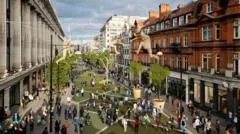
Oxford Street pedestrianisation is set to transform one of the busiest shopping streets in London, following an official approval from Mayor Sadiq Khan. With plans aimed at removing traffic from Oxford Street between Great Portland Street and Orchard Street, this initiative aligns perfectly with London’s broader pedestrianisation efforts. Expected to ban vehicles by September, the changes will not only enhance the shopping experience but also ensure safer, more accessible pathways for pedestrians. Transport for London (TfL) is set to implement these adjustments while providing Oxford Street traffic updates and creating alternative routes for public transport. As the city prepares for these exciting developments, London residents and visitors alike can look forward to a revitalized urban space that promotes leisure, events, and a more enjoyable shopping environment.
The move to pedestrianise Oxford Street, a pivotal part of London’s shopping landscape, reflects a growing trend towards making urban centers more pedestrian-friendly. Mayor Sadiq Khan’s initiative would remove all forms of traffic—from cars to bicycles—allowing pedestrians to navigate the area freely and safely. This transformation, part of comprehensive London pedestrianisation plans, promises to enrich the retail environment while minimizing congestion. Additionally, as Transport for London (TfL) takes the lead on implementing these changes, updates regarding Oxford Street traffic will keep the public informed of any new developments. By fostering a traffic-free zone, this iconic street aims to enhance both the local community and tourist experience in the heart of London.
Overview of Oxford Street Pedestrianisation Plans
The recent decision to pedestrianise Oxford Street in London marks a significant shift in urban planning aimed at enhancing pedestrian experiences in one of the world’s most iconic shopping districts. Approved after thorough consultations, the plans aim to ban all traffic, including private vehicles, buses, and bicycles, between Great Portland Street and Orchard Street. This initiative aligns with the growing trend of pedestrianisation in major cities, seeking to improve air quality and create more inviting public spaces for pedestrians and residents alike.
Sir Sadiq Khan, the Mayor of London, has championed this movement as part of his broader vision to transform Oxford Street into a premier shopping and leisure destination. By removing vehicles from this busy thoroughfare, local authorities anticipate not only a decrease in noise and air pollution but also an increase in foot traffic, benefiting local businesses and enhancing the overall shopping experience.
Implementation Timeline and Changes
The pedestrianisation of Oxford Street is scheduled to commence by September this year, as confirmed by Transport for London (TfL). This significant change will restrict access to the area to service vehicles only during late-night hours, allowing for deliveries without disrupting pedestrian movements. During daytime hours, the street will be entirely dedicated to foot traffic, promoting a safer and more pleasant environment for shoppers.
Alongside the traffic restrictions, TfL has outlined plans to introduce new and wider pedestrian crossings, facilitating easier navigation for the thousands of shoppers who frequent the area daily. Additionally, bus routes will be adjusted to minimize delays while still ensuring access to this vital shopping hub while maintaining efficient public transportation options for residents and tourists.
Anticipated Impact on Local Businesses
The pedestrianisation of Oxford Street is expected to have profound effects on local businesses, primarily by increasing the number of pedestrians in this vibrant shopping area. With vehicles banned from the main thoroughfare, businesses can expect enhanced visibility and accessibility for potential customers, leading to a boost in foot traffic. This transformation presents an opportunity for shops, cafes, and other establishments to adapt their offerings to cater to a more pedestrian-focused audience.
Moreover, as Oxford Street becomes more people-centric, the likelihood of hosting outdoor events and markets increases. This not only enhances the shopping experience but also adds to the cultural vibrancy of the area, drawing in visitors who are looking for more than just a shopping trip. Local business owners remain optimistic about these changes, hoping they will result in increased sales and a more dynamic atmosphere.
Safety and Accessibility Improvements
A crucial aspect of the Oxford Street pedestrianisation plan is the commitment to safety and accessibility for all visitors. New pedestrian crossings will be implemented to ensure that individuals can navigate the area safely, reducing the risk of accidents and improving the flow of foot traffic. The design aims to cater to everyone’s needs, promoting inclusivity among those with disabilities.
In addition to pedestrian safety, the plans may also introduce more blue-badge parking bays in surrounding areas, facilitating easier access for individuals with mobility challenges. By addressing these concerns, the Mayor’s office and TfL are making strides toward ensuring that the pedestrianised Oxford Street is accessible and welcoming for everyone, significantly enhancing the shopping experience for all.
Environmental Considerations and Benefits
The decision to pedestrianise Oxford Street is not solely about improving shopping conditions; it is also a strategic move to combat environmental issues associated with heavy traffic. The ban on vehicles is expected to lead to a notable reduction in greenhouse gas emissions, contributing to a cleaner and healthier urban environment. This initiative aligns with broader environmental goals set forth by London’s leadership to combat climate change and improve air quality.
Moreover, creating a traffic-free zone is anticipated to enhance biodiversity in the city. With fewer vehicles, there will be less noise and air pollution, allowing for a more pleasant habitat for surrounding plant and animal life. Such ecological benefits emphasize the importance of urban planning that considers environmental impact, fostering a sustainable future for London.
Public Reaction to Pedestrianisation
The response from the public regarding the Oxford Street pedestrianisation plans has been largely supportive, reflecting a desire for cleaner and safer city spaces. Through ongoing consultations, many Londoners have expressed their hopes for a more vibrant shopping experience without the disturbances caused by traffic congestion. This enthusiasm has contributed to the decision-making process as city officials work to create a more pedestrian-friendly atmosphere.
However, some concerns have been raised by local residents regarding potential disruptions to traffic patterns and access to certain areas. Authorities are actively addressing these issues, ensuring that alternative routes for vehicles are clearly communicated to minimize confusion. By engaging with community feedback, the Mayor’s office and TfL aim to balance the needs of all citizens while moving forward with the pedestrianisation initiative.
Future Developments Along Oxford Street
With the approval of the pedestrianisation plans, there are discussions about other potential developments along Oxford Street. Plans may include the introduction of pop-up shops, street performances, and cultural events to enhance the pedestrian experience further. Such initiatives could transform Oxford Street into a hub for more than just shopping, encouraging social interaction and community engagement.
In collaboration with Westminster Council, TfL is expected to explore these opportunities further to enrich the Oxford Street environment. This focus on community-oriented developments could lead to more cohesive urban experiences, establishing Oxford Street as not only a retail giant but also a cultural cornerstone in London.
Monitoring and Evaluating Changes
As Oxford Street transitions into a pedestrian-only zone, Transport for London has committed to closely monitoring the impact of these changes. This approach ensures that the pedestrianisation effectively meets its goals of enhancing safety, accessibility, and environmental quality. Regular assessments will help identify any necessary adjustments to the plans, ensuring a continuous improvement process.
Feedback from residents, businesses, and visitors will also play a crucial role in this evaluation process. Engaging the community in ongoing discussions about the effectiveness of the pedestrianisation plans will allow officials to adapt strategies accordingly, promoting an Oxford Street that meets the needs of all its users and stands as a model for future urban developments.
The Role of TfL in Oxford Street Changes
Transport for London (TfL) is central to the execution of the pedestrianisation plans, tasked with ensuring that the changes are implemented smoothly and efficiently. With its extensive experience in urban transport management, TfL is equipped to handle the logistics of rerouting bus services and creating new cycling pathways that coexist with the pedestrian environment. Its role highlights the importance of comprehensive transport solutions in accommodating such significant urban transformations.
As TfL collaborates with the Mayor’s office and local authorities, the emphasis will be placed on maintaining accessible public transport options for everyone. Updates on bus routes and expected delays will be communicated to the public effectively, ensuring a transparent process that fosters trust and cooperation within the community. This collaborative effort will be crucial in facilitating a seamless transition to the pedestrianised Oxford Street.
Benefits of a Pedestrianised Oxford Street Experience
The pedestrianisation of Oxford Street represents a paradigm shift in urban shopping experiences. With the removal of vehicular traffic, pedestrians will be encouraged to explore the area more freely, enhancing their overall shopping experience. Retailers can expect a surge in customer engagement, as a more welcoming atmosphere encourages people to linger, shop, and dine. Overall, the aim is to create a distinctive urban space that prioritizes the comfort and enjoyment of visitors.
Additionally, the potential for outdoor events and public gatherings is greatly enhanced. With a dedicated space for pedestrians, Oxford Street can host a variety of events, from street markets to cultural celebrations, thereby enriching the community’s social fabric. This transformation is not just about shopping; it’s about establishing a vibrant community space where residents and tourists can come together, celebrate, and enjoy the very essence of London.
Frequently Asked Questions
What are the key features of the Oxford Street pedestrianisation plans?
The Oxford Street pedestrianisation plans involve the closure of the street to private vehicles, buses, taxis, bicycles, and scooters between Great Portland Street and Orchard Street. Only service and delivery vehicles will have access during specific hours. This initiative aims to enhance the pedestrian experience by installing new crossings and rerouting buses. All measures are part of London pedestrianisation plans to create a safer, more inviting shopping environment.
When will the Oxford Street traffic updates be implemented?
According to latest updates, the Oxford Street traffic changes are expected to be in place by September. The implementation of pedestrianisation is part of a broader strategy set by Transport for London (TfL) and complies with consultations and approvals outlined by the Mayor of London, Sadiq Khan.
How will Sadiq Khan’s Oxford Street changes benefit shoppers?
Sadiq Khan’s Oxford Street changes aim to transform it into a world-class shopping destination by eliminating traffic, enhancing pedestrian space, and creating a more pleasant environment for shopping and leisure. Increased pedestrian crossings and new cycling routes are designed to improve safety and accessibility, ultimately enriching the Oxford Street shopping experience.
What is the expected impact of TfL’s Oxford Street changes on local traffic?
TfL’s Oxford Street changes will reroute current bus services and require general traffic to use alternative routes, aiming to reduce congestion. Traffic is already restricted during peak hours, and the newly implemented measures are evaluated regularly for their effectiveness. The transformation is intended to improve overall traffic flow in the surrounding areas.
How will pedestrianisation on Oxford Street affect public transport access?
With Oxford Street pedestrianised, buses will be redirected via nearby routes, with new bus stops and taxi ranks established close to the accessible areas. While pedestrianisation may increase overall journey times slightly, the interruptions are expected to be minimal, helping to enhance the public transport access experience for visitors and locals alike.
What considerations were made during the Oxford Street pedestrianisation consultations?
The consultations on Oxford Street pedestrianisation gathered public feedback, particularly from local residents who expressed concerns about potential disruptions. TfL considered these opinions carefully before finalizing the plans, ensuring that all concerns were addressed while aiming to create a safer and more attractive environment for pedestrians in this vital shopping district.
| Key Aspect | Details |
|---|---|
| Approval Status | The pedestrianisation of Oxford Street has been officially approved by the Mayor of London. |
| Traffic Restrictions | Traffic will be banned for private vehicles, buses, taxis, and more between Orchard Street and Great Portland Street. |
| Access for Service Vehicles | Service and delivery vehicles can access the area from midnight to 07:00. |
| Pedestrian Improvements | Wider pedestrian crossings will be installed to enhance the pedestrian experience. |
| Bus Rerouting | Buses will be rerouted via Wigmore Street and Henrietta Place; new bus stops will be created. |
| Public Engagement | Consultations held with local residents to address concerns prior to final approval. |
Summary
The Oxford Street pedestrianisation initiative represents a significant urban development aimed at enhancing the shopping experience and promoting leisure activities without the disruption of road traffic. Approved by the Mayor of London, this project not only prioritises pedestrian safety but also addresses local concerns through community consultations. By creating a traffic-free environment, the Oxford Street pedestrianisation is set to transform one of London’s busiest streets into a vibrant public space, further solidifying London’s commitment to sustainable urban planning.