Listen to this article
Operation Hawkeye Strike marks a significant escalation in the US military’s efforts to combat terrorism in Syria, specifically targeting Islamic State (IS) militants. Authorized by President Trump, this operation serves as a robust response to the recent fatal attack that claimed the lives of US personnel. As part of this Centcom initiative, over 90 precision strikes were executed, hitting more than 35 IS targets, underscoring the US commitment to safeguarding its forces and partners in the volatile region. Amid these developments, the Trump administration has reiterated its resolve to confront any threats, stating, “if you harm our warfighters, we will find you and eliminate you anywhere in the world.” Through Operation Hawkeye Strike, the US aims not only to neutralize immediate threats but also to send a clear message that the fight against terrorism in Syria remains a top priority.
Initiated by the US military, Operation Hawkeye Strike represents a decisive action against IS group strongholds in Syria, emphasizing a broader campaign against terrorism. This operation, framed by the Trump administration as a direct response to recent attacks on American troops, showcases a significant concentration of military resources aimed at dismantling terrorist networks. The strategic use of airpower by Centcom involved various aircraft types, reflecting a calculated approach to safeguarding allied forces and disrupting IS activities. As the situation in Syria evolves, alternative military actions continue to be discussed, highlighting ongoing challenges and the pursuit of stability in a region still under threat from extremist factions. Overall, the commitment to combatting terrorism in Syria through such coordinated operations underscores the US’s pivotal role in regional security.
Understanding Operation Hawkeye Strike
Operation Hawkeye Strike marks a significant escalation in the US military’s ongoing commitment to combating terrorism in Syria. Authorized by President Trump, this operation is a direct response to the surge of violence perpetrated by the Islamic State (IS) against US forces. The initiative aims not only to retaliate for the recent attacks on American personnel but also to dismantle the broader network of IS cells operating within the region. By coordinating with partner forces, the US seeks to degrade IS’s operational capabilities through precision airstrikes and targeted raids.
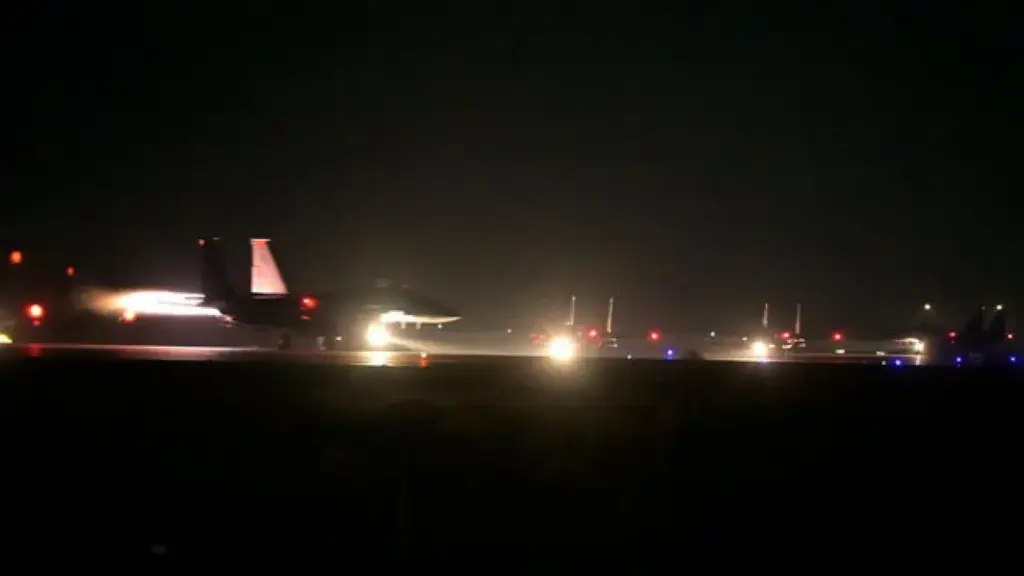
As part of Operation Hawkeye Strike, over 90 precision munitions were deployed to strike more than 35 identified IS targets. This operation exemplifies the Trump administration’s strategy of proactive military engagements designed to disrupt terrorist activities before they can threaten US and allied troops. The use of advanced aircraft, including F-15Es and AC-130Js, underscores the US’s commitment to utilizing state-of-the-art technology in its efforts to maintain regional stability and protect American interests.
US Military Strikes: Objectives and Impact
Recent US military strikes in Syria are primarily aimed at neutralizing threats from the Islamic State. By focusing on eliminating key IS infrastructure and leadership, these operations are designed to reduce the terror group’s operational capacity significantly. The strikes also serve to reassure US allies in the region that America remains a steadfast partner in the fight against terrorism. Each successful mission not only depletes IS resources but also sends a clear message that the US will act decisively to protect its personnel and interests in Syria.
Moreover, the precision of these military strikes helps to minimize civilian casualties while maximizing operational effectiveness. Such tactics are essential in maintaining both the legitimacy and support for military actions among the international community and local populations. Additionally, these strikes are part of larger ongoing Centcom operation updates that demonstrate the US commitment to securing a safer environment for both civilian and military personnel alike.
The Trump Administration’s Military Actions Against IS
The Trump administration has adopted a robust stance against the Islamic State, emphasizing a commitment to decisive action against terrorism in the Middle East. This approach has manifested in various military actions, including the recent Operation Hawkeye Strike, which serves as a critical component of the US’s strategy to combat IS proscription. By authorizing strikes in direct retaliation for attacks against US forces, the administration reinforces a doctrine of retribution and deterrence aimed at discouraging further aggressions from terrorist factions.
Additionally, Trump’s military policies have focused on leveraging international partnerships to enhance operational effectiveness. Collaborating with partner nations has proven instrumental in amplifying the US’s strike capabilities and intelligence-gathering efforts. The administration’s unwavering support for military actions reflects a broader commitment to ensuring that the Islamic State is continually pressured, thereby working towards the ultimate goal of eradicating terrorism from Syria permanently.
Centcom Operation Updates: Ongoing Efforts in Syria
The US Central Command (Centcom) plays a pivotal role in orchestrating military operations against terrorist entities in Syria, always adapting strategies based on real-time intelligence and operational feedback. The updates provided by Centcom emphasize not only the results of recent military strikes but also detail the ongoing efforts to target Islamic State strongholds effectively. Each mission is a part of a larger campaign that has seen considerable success in reducing the IS’s footprint in the region, showcasing the adaptability and responsiveness of US military strategies in dealing with evolving threats.
Recent updates have confirmed the successful engagements of IS operatives, with nearly 25 members killed or captured in just a week. Such data emphasizes the effectiveness of the ongoing military operations and illustrates a robust framework for assessing progress in the fight against terrorism in Syria. Centcom’s updates signal a firm commitment to safeguarding US and allied forces while ensuring that any resurgence of IS activities is met with swift and decisive action.
Combating Terrorism in Syria: A Multifaceted Approach
Combating terrorism in Syria requires a multifaceted approach that goes beyond military strikes. While Air Force operations like Operation Hawkeye Strike are crucial in diminishing the immediate threats posed by the Islamic State, long-term solutions involve political, social, and economic strategies that promote stability in the region. For the US and its allies, fostering local governance structures and engaging with communities can help mitigate the conditions that allow extremist ideologies to flourish.
Moreover, the international community’s role is vital in supporting these efforts, providing humanitarian aid, and facilitating dialogue amongst various factions in the region. Cooperation with local forces, such as the Kurdish fighters in the northeast, enhances the effectiveness of military operations while also addressing the underlying grievances that fuel terrorism. An integrated approach, combining military action with diplomatic efforts and community engagement, stands as the most effective way to ensure lasting peace and security in Syria.
The Future of IS in Syria: Challenges Ahead
Despite the successful military operations against the Islamic State, the group remains resilient in the face of significant territorial losses. Analyzing the future of IS in Syria involves understanding the group’s adaptive tactics and ongoing operational capabilities. IS has shifted its focus towards guerilla-style warfare, targeting vulnerable communities and security forces, particularly in the northeast regions of Syria. This strategy underscores the persistent threat IS poses, even amidst concerted military efforts to destabilize their networks.
Going forward, it is imperative for US military planners to remain vigilant and adaptable in their strategies against the constantly evolving threats from the Islamic State. The absence of IS as a territorial entity does not equate to its defeat; instead, it signals a transition into a more clandestine phase of operations. Engaging in ongoing assessments and updates of Military operations will help tailor responses effectively and ensure that forces remain one step ahead of IS’s resurgence.
The Role of Coalition Forces in Military Strikes
Coalition forces play a significant role alongside the US military in conducting strategic strikes against the Islamic State in Syria. These partnerships enhance operational intelligence and logistic capabilities, providing the US with a broader network to combat IS effectively. By integrating forces from partner nations, the operations benefit from a blend of expertise and localized knowledge that significantly increases the success rate of military engagements.
Additionally, the collaboration fosters a unified front against terrorism, signaling to IS that their activities will not go unchallenged by the global community. Successful joint operations often lead to the sharing of critical intelligence, which further amplifies the effectiveness of each military strike. As coalition forces continue to play an integral role, it sets a precedent for continued international collaboration in combating terrorism in Syria and beyond.
Lessons Learned from Past Operations
Reflecting on past operations and strikes, several valuable lessons have emerged that inform current military strategies against the Islamic State. One critical takeaway is the importance of sound intelligence—accurate and timely information significantly enhances the effectiveness of military actions. Learning from previous mistakes, US forces are now increasingly reliant on real-time data and localized support, ensuring that precision strikes target the intended infrastructure with minimal collateral damage.
Moreover, the need for adaptive strategies in response to the dynamic conflict landscape has become evident. Operations must remain flexible to changing conditions on the ground. The experiences of earlier military engagements guide current strategizing, emphasizing pre-emptive strikes and swift follow-ups on intelligence leads. Continuous adaptation of tactics, grounded in lessons learned, is vital for effectively combating IS in Syria and preventing any resurgence of their influence.
The Geopolitical Implications of US Strikes
The US military strikes in Syria carry significant geopolitical implications that extend far beyond the immediate objectives of combating the Islamic State. Each strike is closely monitored by various regional powers, challenging the existing balance of influence in the Middle East. Nations such as Russia and Iran closely observe US operations, often viewing them as direct threats to their interests in Syria, thereby escalating existing tensions and complicating diplomatic relationships.
Furthermore, these airstrikes contribute to shaping alliances and enmities in the region, influencing countries’ strategic decisions related to military partnerships and responses to terrorism. Understanding the broader implications of military actions is essential for formulating a cohesive foreign policy that aligns with national security interests while promoting regional stability in a volatile landscape. Ultimately, the US must balance its military objectives with diplomatic engagements to navigate the complex geopolitical terrain effectively.
Frequently Asked Questions
What is Operation Hawkeye Strike and how does it relate to US military strikes in Syria?
Operation Hawkeye Strike is a US military operation aimed at conducting targeted strikes against Islamic State (IS) group assets in Syria. Announced by the US Central Command (Centcom), the operation was authorized by President Trump in response to an IS attack that killed US personnel, marking a significant escalation in US efforts to combat terrorism in the region.
What prompted the Trump administration to initiate Operation Hawkeye Strike?
The Trump administration initiated Operation Hawkeye Strike following a deadly IS assault that resulted in the deaths of two US soldiers and a civilian interpreter in Syria. This operation is a direct response to increasing threats posed by IS targets, reinforcing the US’s commitment to combating terrorism in Syria.
How has Centcom updated the public regarding Operation Hawkeye Strike?
Centcom provided updates detailing the execution of over 90 precision airstrikes on more than 35 Islamic State targets as part of Operation Hawkeye Strike. These updates emphasize the operation’s goal to protect US and partner forces while sending a clear message that the US will retaliate against those who harm its military personnel.
What types of military assets are utilized in Operation Hawkeye Strike?
Operation Hawkeye Strike employs a wide array of military aircraft, including F-15Es, A-10s, AC-130Js, MQ-9s, and Jordanian F-16s, to carry out precision strikes against Islamic State targets in Syria, showcasing the US’s advanced military capabilities in combating terrorism.
What impact has Operation Hawkeye Strike had on Islamic State operations in Syria?
Operation Hawkeye Strike has significantly impacted Islamic State operations in Syria by disrupting their infrastructure and reducing their operational capabilities. Prior to the latest strikes, US forces reported killing or capturing nearly 25 IS members in a series of missions, highlighting the effectiveness of this campaign in combating terrorism in the region.
What are the overarching goals of the Trump administration’s military actions through Operation Hawkeye Strike?
The overarching goals of the Trump administration’s military actions through Operation Hawkeye Strike include safeguarding US forces in Syria, combating terrorist threats posed by the Islamic State, and demonstrating a resolve to retaliate against actions that endanger American lives. This operation aims to establish a firm stance against terrorism while supporting regional stability.
How does Operation Hawkeye Strike fit into the larger context of US military operations against the Islamic State in Syria?
Operation Hawkeye Strike is a continuation of the US’s broader military efforts to dismantle the Islamic State in Syria. It is characterized by targeted strikes that follow previous operations aimed at eliminating IS threats and reflects the US commitment to ongoing combat against terrorism in the region amid evolving security challenges.
What has been the response from US defense officials regarding Operation Hawkeye Strike?
US defense officials have expressed a strong commitment to Operation Hawkeye Strike, emphasizing a message of resolute defense against threats to American forces. Secretary of Defense Pete Hegseth stated that the operation serves as both a military response and a vow to never back down in the fight against terrorism and protect US interests.
| Key Points | Details |
|---|---|
| Operation Hawkeye Strike | Conducted by US and partner forces to target Islamic State (IS) in Syria. |
| Reason for Strikes | In retaliation for IS’s attack on US forces on December 13. |
| Military Assets Used | Over 20 aircraft including F-15Es, A-10s, AC-130Js, MQ-9s, and Jordanian F-16s. |
| Nature of Strikes | Over 90 precision munitions deployed at more than 35 targets. |
| Statements by Officials | Centcom emphasizes the resolve to combat threats; Defense Secretary Hegseth affirms commitment to vengeance. |
| Background | Operation initiated after an attack in Palmyra that killed US personnel. Syria remains unstable post-regime change. |
| Recent Military Actions | Prior to the strikes, 25 IS members captured or killed in December missions. |
Summary
Operation Hawkeye Strike marks a crucial phase in the ongoing efforts of the US and its allies to dismantle the threat posed by the Islamic State (IS) group in Syria. Following a deadly attack on US forces, this initiative aims not only to retaliate against IS for its actions but also to ensure the safety of US personnel in the region. The scale and precision of the military engagement demonstrate a firm commitment to combating terrorism, signifying that the US remains vigilant in the face of threats. With ongoing operations and an unyielding resolve to eliminate extremist factions in the area, Operation Hawkeye Strike reaffirms the US’s commitment to global security.