
Listen to this article
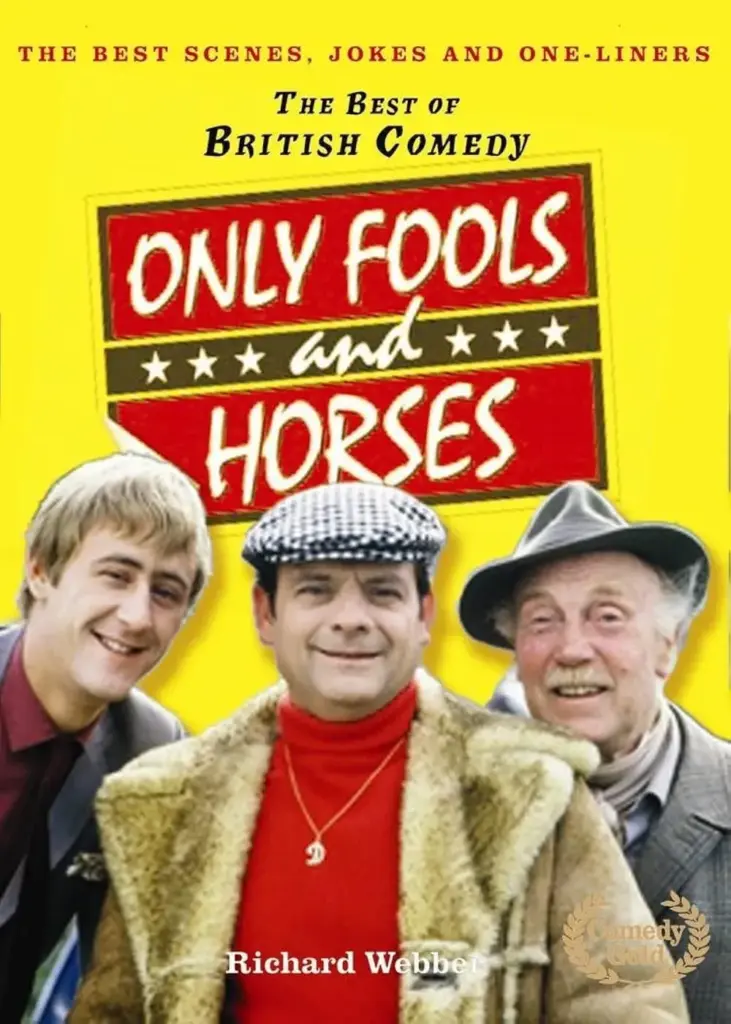
Only Fools and Horses has become an iconic British sitcom that resonates deeply with viewers, particularly in London. Its unique blend of humor and heartfelt storytelling captivates audiences, drawing them into the lives of the Trotter brothers, Del Boy and Rodney. A closer look at Del Boy’s character reveals a mix of bravado and poignant emotional moments that highlight the comedy and sadness in sitcoms. The relationship between Rodney and Del is central to the show’s charm, filled with ups and downs that showcases the impact of Del’s decisions on their lives. This combination of laughter and tears ensures that Only Fools and Horses remains a beloved classic, reminding fans of the complexities of family ties.
The television series known as Only Fools and Horses has carved out a special niche within British pop culture, particularly among urban demographics. Various elements contribute to its lasting success, including the intricate character dynamics and the heartwarming stories that unfold. By analyzing the bond between the lead characters, we see how their comedic exploits are laced with profound emotional depth, showcasing the complexities of brotherhood. Del Boy’s larger-than-life persona, often hiding moments of vulnerability, emphasizes that beneath the surface of comedy lies the poignant reality of familial responsibilities. The storyline deftly navigates themes of aspiration and sacrifice, ultimately reflecting the multifaceted nature of family relationships.
Del Boy Character Analysis: The Heart of Only Fools and Horses
Del Boy, or Derek Trotter, represents a quintessential blend of ambition and vulnerability in the sitcom ‘Only Fools and Horses.’ His character is often painted as crude and brash, but beneath the surface, he exhibits a profound emotional depth that resonates with viewers. Del’s famous catchphrase, “This time next year, we’ll be millionaires!” encapsulates not just his relentless optimism but also the weight of his dreams. His belief in a better tomorrow fuels his schemes and decisions, often leading him into morally ambiguous situations. This complexity makes Del Boy a captivating character whose struggles mirror the aspirations of many, offering a reflective lens on the human desire for success and validation, even in the face of failure.
Moreover, Del’s character is a masterclass in the portrayal of comedy intertwined with pathos. The constant juxtaposition of his larger-than-life personality against moments of personal despair creates a rich tapestry of narrative in ‘Only Fools and Horses.’ Despite his numerous attempts to find wealth and happiness, Del is haunted by loneliness and regret, as illustrated in poignant episodes like ‘Little Problems.’ This blend of humor and sadness showcases the duality of his character, making Del Boy far more relatable and endearing. In essence, his journey is not just about the pursuit of riches; it is also about the human experience of love, sacrifice, and the bonds of family.
The Intricate Relationship Between Rodney and Del
The dynamic between Rodney and Del is central to the emotional backbone of ‘Only Fools and Horses.’ As brothers, they navigate a landscape filled with challenges, often exaggerated by Del’s impulsive behavior. Rodney, the more logical and sometimes insecure sibling, frequently finds himself at odds with Del’s outrageous schemes. Their relationship exemplifies the tension between familial loyalty and individual ambition, culminating in both comedic and heart-wrenching moments. For example, in ‘Little Problems,’ as Rodney prepares to marry Cassandra, we see both the joy and the weight of their brotherly bond. Del’s willingness to sacrifice for Rodney, even purchasing a wedding gift under morally questionable circumstances, embodies the complexities of brotherhood.
This relationship is further explored through the emotional highs and lows that define their interactions. The tenderness beneath their bickering moments reveals a profound understanding between the brothers, making their story relatable and poignant. In the climactic moments of the series, particularly during emotional revelations, it’s clear that while Del often embodies resolute confidence, his deepest fears and vulnerabilities surface when it concerns Rodney. This duality in their relationship adds layers to the narrative, inviting viewers to invest in their triumphs and setbacks as if they were part of the family themselves. Ultimately, the brotherly bond is a testament to the strength and struggle inherent in familial relationships, showcased beautifully through the lens of humor.
Emotional Moments in Only Fools and Horses: A Study of Comedy and Sadness
‘Only Fools and Horses’ artfully balances comedy with moments of profound sadness, creating a unique viewing experience that resonates deeply with audiences. Episodes like ‘Little Problems’ provide a stark contrast between the humor found in Del’s outdated schemes and the sorrow underlying his character’s arc. These emotional moments serve as reminders that behind the laughs, there are stories of struggle, sacrifice, and unfulfilled dreams. Del’s solitary moments, especially highlighted in the poignant scenes at weddings or family gatherings, underscore his personal battles, leaving viewers with a sense of empathy toward the character.
The emotional depth of the series is enriched by the careful inclusion of human experiences that everyone can relate to, such as unrequited love, familial obligations, and the quest for belonging. This blend of humor and sorrow is what sets ‘Only Fools and Horses’ apart from typical sitcoms. The moments when Del reflects nostalgically or sheds a tear are powerful storytelling tools that provide insight into his character’s psyche. Producers and actors alike have commented on how these scenes often evoke tears not just from characters but from the audience as well, indicating that the show’s power lies in its ability to connect on such an emotional level.
The Impact of Del’s Decisions on the Trotter Household
Del’s decisions often have significant repercussions for his brother Rodney and the extended Trotter family in ‘Only Fools and Horses.’ His impulsive choices can lead to moments of comedy, but they also reveal the weighty consequences that come with dreams driven by desperation. For instance, his scheme to help Rodney with his wedding expenses highlights Del’s willingness to bend the truth and make questionable choices. This determination often puts him at odds with the law and creates tension within the family dynamic, reflecting the sometimes painful path of misguided ambition.
Yet, Del’s intentions, rooted in love and brotherhood, ultimately frame him as a tragic hero rather than a mere buffoon. His need to protect Rodney, even if it means putting himself in danger, shows that Del’s decisions are not solely self-serving but rather driven by a deeper sense of familial responsibility. This dichotomy underscores the theme of sacrifice that runs through the series. As viewers, we witness how Del’s decisions come to define the family unit, for better or for worse, allowing us to appreciate the complexities of their lives as they navigate laughter and hardship together.
The Legacy of ‘Only Fools and Horses’ in British Comedy
The legacy of ‘Only Fools and Horses’ is profound, influencing the landscape of British comedy and setting a benchmark for subsequent sitcoms. Its blend of humor, emotional depth, and relatable characters has made it a cultural touchstone for audiences across generations. The show’s ability to oscillate between laugh-out-loud moments and heartfelt scenes sets it apart as a pioneer of the genre. The Trotters’ escapades resonate with viewers, showcasing the struggles of ordinary life through comedic yet poignant storytelling.
Moreover, the impact of the show continues to inspire writers and comedians today. The interplay of dramatic storylines with comedic elements has become a formula that many follow, but ‘Only Fools and Horses’ remains exemplary in executing this balance. Its characters, particularly Del and Rodney, have become iconic figures in British television history, exploring themes of resilience and family ties amidst a backdrop of humor and absurdity. This blend of comedy and drama is a testament to the enduring charm of the series, confirming its status as a beloved classic that will continue to influence the realms of humor for years to come.
Exploring the Complex Characters of Only Fools and Horses
The complex nature of the characters in ‘Only Fools and Horses’ adds depth to the series, allowing viewers to engage on multiple emotional levels. While Del Boy often serves as the comedic driving force, it is essential to consider surrounding characters like Rodney, Uncle Albert, and even supporting figures like Boycie and Marlene. Each of these personalities contributes to the overall narrative, offering varying perspectives on ambition, family, and loyalty. For instance, Rodney’s vulnerability contrasts sharply with Del’s bravado, painting a fuller picture of their family dynamics and individual struggles.
Furthermore, characters such as Uncle Albert bring an additional emotional layer to the series, often delivering wisdom through his experiences. This rich character tapestry ensures that viewers can see facets of themselves reflected in the Trotter family. The character-driven storytelling blends humor with heart, often exploring themes of sacrifice and unfulfilled dreams. By navigating through their distinct personalities, the series captures the essence of human experience, underscoring the importance of relationships and the struggles inherent in maintaining them.
The Art of Writing Comedy in Only Fools and Horses
The writing in ‘Only Fools and Horses’ is a masterclass in crafting a successful sitcom, evidenced by its sharp wit and clever dialogue. The dynamic between characters is intricately woven into the narrative, creating moments of humor that feel genuine and relatable. Writers John Sullivan’s ability to blend various comedic elements has given the series a timeless quality. From situational comedy to character-driven jokes, every episode is a careful construction of humor layered with unexpected sentiment.
Moreover, the show’s brilliance lies in how it navigates comedic timing and emotional beats. The punchlines often come at moments that coincide perfectly with the emotional weight of a scene. For example, in moments of high tension or vulnerability, such as Del’s introspection during wedding celebrations, the humor doesn’t just serve as comic relief; it accentuates the deeper themes of loss and sacrifice. This seamless integration of comedy and poignant moments is what continues to endear ‘Only Fools and Horses’ to audiences, marking it not just as a sitcom, but as an influential piece of storytelling.
The Cultural Significance of ‘Only Fools and Horses’ in Britain
The cultural significance of ‘Only Fools and Horses’ extends beyond mere entertainment; it has become an integral part of British television history. The series deftly captures the societal shifts and struggles of working-class life in London during the 1980s and 1990s. Its humor, woven with realism, presents a caricature of the aspirations and hardships faced by many families during this time, making it resonate deeply with the audience. The Trotters encapsulate the aspirations of a generation, aspiring for success and better lives while navigating through socioeconomic challenges.
As a result, the impact of ‘Only Fools and Horses’ can be seen in numerous aspects of British culture, from language to societal attitudes towards wealth and success. Phrases like “This time next year, we’ll be millionaires” have permeated everyday British vernacular, illustrating how deeply embedded the show has become in popular culture. Furthermore, the repetitive themes of aspiration, failure, and family create an ongoing dialogue about the human condition, contributing to its enduring legacy. The series not only entertained but also invited viewers to reflect on their own lives through the lens of humor and heartbreak.
Lessons on Sacrifice in Only Fools and Horses
At the heart of ‘Only Fools and Horses’ lies a powerful narrative about sacrifice, particularly depicted through Del Boy’s choices and actions. Throughout the series, viewers witness Del’s willingness to put his brother Rodney’s needs before his own, often at great personal risk. His decision to support Rodney financially during pivotal moments speaks volumes about familial love and responsibility. Del’s sacrifices, whether through his questionable schemes or sheer determination to elevate Rodney’s standing, serve as lessons on the importance of selflessness within relationships.
Moreover, these sacrifices are not without their consequences, adding complexity to the narrative. Del’s choices often lead to comedic misadventures, but they also highlight the undercurrents of regret and longing for personal connection. The emotional weight of these decisions frequently comes to the forefront in key episodes, such as when Del reflects on his unfulfilled romantic life in favor of raising Rodney. The sacrifices made for family elicit a deep emotional response from the audience, creating a rich tapestry of human experience within the humor of the sitcom.
Frequently Asked Questions
What is the significance of Del Boy’s character in Only Fools and Horses?
Del Boy, the iconic character from Only Fools and Horses, embodies the spirit of aspiration and resilience. His unwavering belief that ‘this time next year we’ll be millionaires’ reflects a universal desire for success, yet his life is intertwined with layers of comedy and sadness that resonate deeply with viewers. Del’s character analysis reveals that beneath his cheeky façade lies a man shaped by sacrifice, especially in his role as a caretaker for Rodney amidst their tumultuous lives.
How does the relationship between Rodney and Del evolve in Only Fools and Horses?
The relationship between Rodney and Del is central to the emotional core of Only Fools and Horses. Throughout the series, viewers witness a dynamic that balances humor with heartfelt moments. Del often assumes the role of a protective older brother, which is particularly evident in episodes where he faces challenges to secure Rodney’s future, like acquiring funds for their wedding. Their interactions showcase a blend of sibling rivalry and bonding, illustrating the complexities of family life.
What are some of the emotional moments in Only Fools and Horses?
Only Fools and Horses is renowned for its ability to juxtapose comedy with poignant emotional moments. One of the most powerful scenes occurs in the ‘Little Problems’ episode, where Del sacrifices his well-being to ensure Rodney’s happiness on his wedding day. The scene captures Del’s profound loneliness and his commitment to family, ultimately resonating with viewers who appreciate the depth of his character amidst the laughs.
How does Only Fools and Horses balance comedy and sadness in its storytelling?
Only Fools and Horses masterfully balances comedy and sadness through its rich character development and narrative arcs. While the series is filled with humor and witty dialogue, it also addresses deeper themes of sacrifice, family loyalty, and unfulfilled dreams. Del’s comedic antics often conceal a somber side, emphasizing the show’s ability to portray life’s complexities that resonate with audiences on both comedic and emotional levels.
What impact do Del’s decisions have on the storyline of Only Fools and Horses?
Del’s decisions are pivotal in shaping the storyline of Only Fools and Horses, often driving the narrative forward with both comic and dramatic effects. His choices, whether in business or personal relationships, reflect his deep commitment to Rodney and family. For instance, Del’s act of guaranteeing money for Rodney’s wedding—despite personal risks—highlights his character’s complexities and the lengths he will go to safeguard his brother’s future, cementing the show’s emotional depth.
| Key Points |
|---|
| Only Fools and Horses resonates deeply with audiences, especially Londoners. |
| The appeal lies in its rich characters and relatable narratives, not just comedy. |
| Del Trotter’s character showcases a blend of humor and underlying sadness. |
| Del’s famous line about becoming millionaires highlights his optimism and ambition. |
| The episode ‘Little Problems’ explores family relationships and Del’s sacrifices. |
| Del’s interactions reveal the emotional depth of a devoted brother. |
| The funeral scene poignantly illustrates Del’s loneliness while reflecting on family. |
| The show’s emotional moments have resonated with both audiences and cast alike. |
Summary
Only Fools and Horses is not merely a comedy; it’s a poignant exploration of family, sacrifice, and the essence of kinship. The series has captivated audiences by presenting relatable characters whose lives, particularly that of Del Trotter, evoke both laughter and empathy. Del reflects the struggles of many, showcasing how far he went for family, capturing the hearts of viewers for generations. Its blend of humor and heartfelt moments has solidified its status as a beloved classic in British television.