
Listen to this article
Oil prices are experiencing heightened volatility, primarily influenced by escalating tensions and recent incidents in the Middle East. A recent attack on a vessel near the Strait of Hormuz has heightened anxieties about potential disruptions to one of the world’s most crucial shipping lanes, responsible for nearly 20% of global oil transport. Following this incident, analysts are warning that the global oil price rise could see Brent crude surge well above its current levels if conflicts persist. The intertwining of geopolitical instability and energy markets has left many industry observers on high alert, anticipating significant repercussions on fuel prices worldwide. Given the current geopolitical climate, individuals and businesses alike should prepare for potential increases in oil prices that could affect everything from daily commuting to broader economic forecasts.
The escalating tensions within the Middle East are reshaping the dynamics of energy markets, particularly through significant fluctuations in fuel costs. Recent confrontations, highlighted by a maritime incident involving an oil tanker, have sparked fears of disruptions affecting vital shipping routes, such as the historic Strait of Hormuz. This vital corridor not only facilitates a substantial portion of the world’s oil supply but also stands as a barometer for global energy stability. As the situation develops, stakeholders in the oil sector are closely monitoring price trends, noting that even minor conflicts can lead to dramatic shifts in crude oil values. The implications of these occurrences are profound, with potential consequences rippling through international energy markets and consumers alike.
Impact of Middle East Conflict on Oil Prices
The ongoing conflict in the Middle East has far-reaching ramifications, particularly for oil prices. Recent military actions, including airstrikes and naval incidents, have escalated tensions in a region crucial for global oil supply. With a significant portion of the world’s oil passing through the Strait of Hormuz, such disturbances raise concerns among investors and analysts alike. Oil prices react sensitively to geopolitical instability; therefore, the latest confrontations could trigger a notable spike in prices, leading to increased costs for consumers worldwide.
Furthermore, market analysts are closely monitoring the developments in the region as reports of oil tankers being attacked surface. The apprehension surrounding maritime safety has prompted many shipping companies to suspend their operations, particularly in the perilous waters around Iran. The overall uncertainty surrounding the Middle East conflict directly correlates with fluctuations in global oil markets, as disruptions in supply chains prompt a rush to secure oil at current prices, consequently driving costs upwards.
Oil Prices and Recent Incidents in the Strait of Hormuz
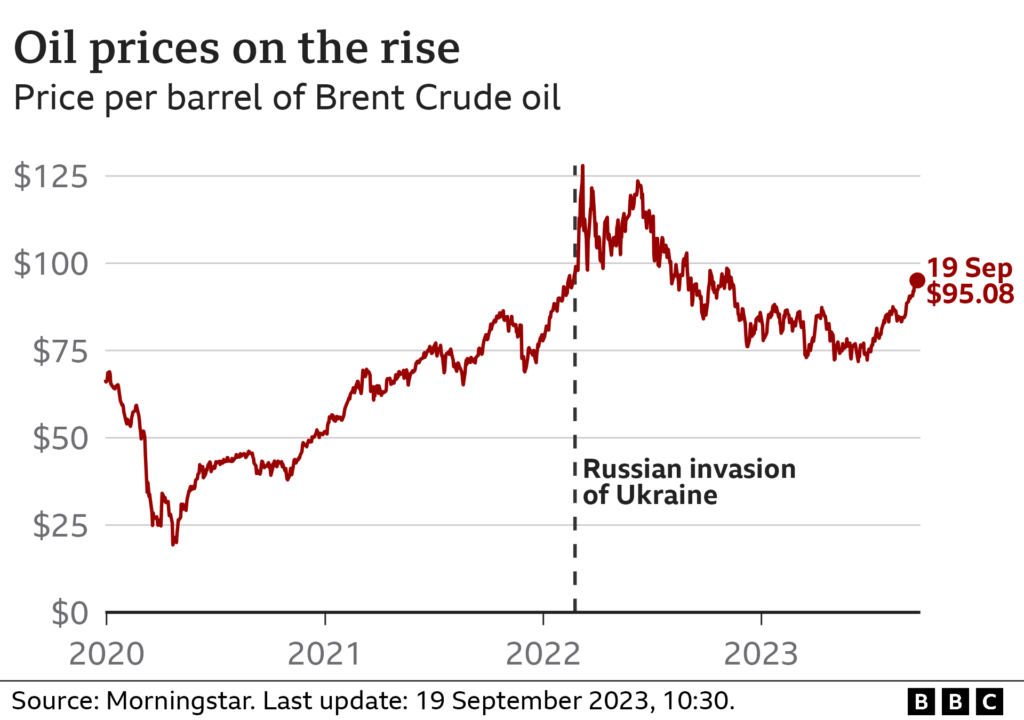
Recent incidents in the Strait of Hormuz, including an oil tanker strike by an ‘unknown projectile’, have struck fear into the heart of the shipping community. The Strait, which handles roughly 20% of the world’s oil and gas, has become a flashpoint for military engagement between regional powers. As tensions escalate, oil prices are anticipated to rise amid fears of supply disruptions. Brent crude prices have already surged significantly, with preliminary trades suggesting that they could exceed $80 per barrel, indicating a profound reaction to the instability in the region.
The potential for further escalations in the Strait of Hormuz poses serious risks for oil traders and consumers alike. Should Iran’s threats intensify into a full blockade of the strait, the ramifications would resonate throughout the global economy. Higher oil prices might usher in a return to previous record levels, impacting everything from transportation costs to domestic fuel prices. Observers are concerned that sustained conflicts will lead to chronic supply shortages, perpetuating a cycle of rising energy prices globally.
The Cost of Brent Crude: Market Reaction
Recent metrics indicate that the cost of Brent crude oil has experienced a remarkable uptick, climbing to $80 per barrel as market fears take hold. This increase comes on the heels of news regarding military actions in the Middle East, stemming from a flare-up in tensions between Iran and Israel. OPEC+ nations, in a bid to address potential price shocks, have introduced plans to boost oil production; however, market skeptics question whether this will be sufficient to stabilize prices amid rising geopolitical risks.
As the world grapples with energy price volatility, many consumers are left wondering how long this trend will continue. Past experiences indicate that prolonged conflicts often lead to sustained increases in petrol prices at the pumps. Already, prices have edged towards levels unseen since the last major spike in 2022, which saw costs soaring over 190p per liter. For the average driver, the imminent threat of further price hikes presents both immediate and long-lasting financial repercussions.
Shipping Companies’ Response to Oil Distribution Risks
In light of heightened tensions in the Middle East, major shipping companies have taken a proactive stance by halting operations in and around the Strait of Hormuz. Recognizing that a substantial percentage of global oil travels through this vital trade route, these companies are prioritizing the safety of their vessels and crews above all else. This mass suspension of operations not only reflects a sensible business decision but also highlights the broader implications for global oil distribution systems.
The immediate effects of this trend are notable: decreased supply availability leads to inflated prices as buyers rush to secure limited resources. The maritime trade community is no stranger to such fluctuations, yet the current atmosphere is particularly charged due to the scale of military actions in the region. As oil tanker operations remain stalled, concerns mount regarding potential supply shortages which could ensue, further magnifying the interplay between geopolitical unrest and oil price fluctuations.
Global Oil Price Predictions Amidst Turmoil
With the recent escalation of conflict in the Middle East, analysts are bracing for dramatic shifts in global oil prices. Predictions suggest that, if the regional conflict escalates, prices could once again breach the $100 per barrel mark. Historical patterns indicate that prolonged military conflicts in oil-rich regions typically lead to elevated prices at the pump, and current events signal that we may be on a similar trajectory. Industry experts warn consumers to prepare for a potential economic tightening as oil prices play a pivotal role in everyday expenses.
The role of organizations like OPEC+ becomes increasingly crucial during such volatile periods. The decision to enhance oil output by 206,000 barrels a day, albeit a strategic move to curb rising prices, might fall short if the conflict results in long-term disruptions. Comprehensive market analyses will be essential to assess if these interventions can stabilize oil prices or if the global market will continue to react negatively to the chaos unfolding in the Middle East.
The Role of Geopolitics in Oil Pricing Dynamics
Geopolitics plays an undeniable role in the fluctuation of oil prices, with recent events underscoring the extent of influence that military operations can exert on market stability. The interplay between military engagements and oil pricing dynamics is well-documented, as investors react to perceived threats to oil supply and distribution networks. As conflicts rage across the Middle East, the volatility of oil prices becomes a palpable concern for both producers and consumers, leading to cautious strategies in market trading.
Analysts predict that geopolitical tensions will contribute to an ongoing spiral of price hikes, especially as production levels are investigated and adjusted to mitigate risks. As long as conflicts like that of Israel and Iran persist, global oil markets will likely remain unstable, driven by both fear and speculation. The challenge for stakeholders will be navigating these turbulent waters while striving to maintain some level of economic predictability amid escalating unrest.
Understanding Oil Tanker Incidents and Market Impact
Oil tanker incidents, particularly those occurring in contentious areas like the Strait of Hormuz, have a direct correlation to fluctuations in global oil prices. The recent hit on an oil tanker by an unknown projectile has raised alarms in maritime and oil trading communities. Maritime security concerns often trigger knee-jerk reactions in market prices, as traders hastily adjust their predictions about supply capabilities in light of new threats. The immediate aftermath includes not only direct financial losses but also a ripple effect that can cause widespread price increases.
The psychological impact of such incidents cannot be understated; as tankers become targets, potential risks associated with oil transportation can foster a climate of uncertainty among stakeholders. Insurance costs may rise, leading to more expensive supply chains that inevitably pass costs onto consumers. As companies reassess their routes and risk levels, the implications for global oil prices can extend well beyond the initial incident, sowing seeds of instability that complicate any efforts to maintain steady price levels.
OPEC+ Strategies to Counter Rising Oil Prices
In response to potential spikes in oil prices, OPEC+ has developed strategies aimed at counteracting the detrimental impact of geopolitical unrest on the market. The agreement to increase output by 206,000 barrels per day reflects a strategic maneuver to offset anticipated price hikes resulting from supply chain disruptions in the Middle East. However, skepticism looms over whether this increase will have a substantial effect as tension remains high across key oil regions.
Moreover, OPEC+’s willingness to adapt to changing market dynamics showcases its recognition of the interconnectedness of geopolitics and oil pricing. Yet, the effectiveness of these proactive measures may hinge on developments in conflict zones and how they dictate the flow of oil. As the Middle East continues to be fraught with discord, the measures imposed by OPEC+ might serve as a temporary buffer rather than a long-term solution to the rising challenges posed by conflict on global oil markets.
Consumer Reactions to Expected Fuel Price Increases
As news of rising oil prices emerges, consumer behavior often shifts in anticipation of higher fuel costs. Historical trends suggest that as petrol prices begin to rise, consumers may rush to purchase fuel, leading to temporary spikes in demand that can escalate pricing further. This behavior amplifies the potential for record fuel prices, as the panic-driven demand often outstrips supply, particularly in regions sensitive to changes in the market.
Additionally, consumer confidence in the market can waver as uncertainty grows regarding future prices. Families budgeting for travel or commuting may find they have to readjust their plans as fuel becomes increasingly unaffordable. The ripple effects of high oil prices extend beyond the pumps; everyday goods depend heavily on fuel for transportation, meaning consumer goods could see significant price increases as well, further straining household finances.
Frequently Asked Questions
What is causing the global oil price rise amidst the Middle East conflict?
The recent global oil price rise is primarily attributed to escalating tensions in the Middle East, including military confrontations between Iran and Israel. An incident involving an oil tanker being struck off the Iranian coast has raised concerns about possible disruptions in the Strait of Hormuz, a critical transit route for approximately 20% of the world’s oil. Analysts warn that prolonged conflict could significantly drive prices higher.
How could the oil tanker incident impact oil prices?
The oil tanker incident near the Strait of Hormuz has heightened fears of disruptions to oil shipments, leading to an immediate surge in oil prices. Reports indicate a 10% rise in Brent crude oil prices, reflecting market anxiety over supply stability in a region known for its strategic importance. If shipping operations remain suspended, we could see further increases in global oil prices.
Why is the Strait of Hormuz important for global oil prices?
The Strait of Hormuz is vital for global oil prices as it facilitates the passage of around 20% of the world’s crude oil and gas. Any threats or military actions in this area, such as warnings from Iran to ships regarding navigation through the strait, can lead to significant fluctuations in oil prices, impacting gasoline costs worldwide.
What are the expected trends for Brent crude prices amid Middle East tensions?
Amid ongoing tensions in the Middle East, Brent crude prices have recently surged to $80 per barrel. Analysts express concerns that should hostilities persist, prices could escalate beyond $100. The current geopolitical climate and its implications for oil distribution make it essential for investors and consumers to monitor developments closely.
How are OPEC+ countries responding to rising oil prices?
In response to rising oil prices fueled by Middle East conflict, OPEC+ countries, including Saudi Arabia and Russia, have agreed to increase oil production by 206,000 barrels a day. This decision aims to stabilize the market and mitigate price hikes; however, skepticism remains regarding its effectiveness given the current geopolitical instability.
What can consumers expect regarding petrol prices with the current situation?
Consumers may expect petrol prices to rise significantly due to the current instability in the Middle East affecting oil supplies. Experts predict that disruptions caused by recent military actions may push prices at the pump to levels not seen since the pandemic, with warnings of potential new records in the coming weeks.
What were the Brent crude prices before the current surge, and how have they changed?
Prior to the recent surge, Brent crude oil prices were around $73 per barrel, the highest since July. After the recent military incidents and oil tanker attack, prices climbed approximately 10% to $80 per barrel. This highlights the volatile nature of oil prices in response to geopolitical events.
What impact do military conflicts in the Middle East generally have on oil prices?
Military conflicts in the Middle East often lead to uncertainty in oil supply, resulting in price increases. The region is a key player in global oil production, and any military action disrupting shipping routes or infrastructure can cause immediate surges in oil prices, affecting the overall market and consumer costs.
| Key Point | Details |
|---|---|
| Incident | A ship struck by an unknown projectile near the Iranian coast. |
| Location | North of Oman, east of the Strait of Hormuz, critical for global oil transport. |
| Impact on Oil Prices | Concerns that escalation in the region could lead to increased global oil prices. |
| Current Price Situation | Brent crude oil prices surged by 10% to $80 per barrel; reported increases from $73 earlier. |
| OPEC+ Response | Agreed to increase oil production by 206,000 barrels per day to curb price rises. |
| Historical Context | Oil prices soared to over 190p per liter in 2022; current levels around 133p. |
| Expert Opinions | Warnings about potential price hikes due to supply disruptions amid Middle East tensions. |
| Conclusion | Analysts predict the situation may lead to record petrol prices soon. |
Summary
Oil prices are currently under threat following an incident involving a ship struck by an unknown projectile off the Iranian coast. The ongoing tensions in the Middle East, highlighted by military strikes between Iran and Israel, raise concerns regarding the potential disruption of oil distribution, which could lead to significant price increases globally. With Brent crude prices already experiencing a surge, experts caution that if the conflict escalates, oil prices could reach unprecedented levels at the pumps. The oil market remains highly sensitive to geopolitical events, making it essential for consumers to stay informed about the fluctuating situation.

