Listen to this article
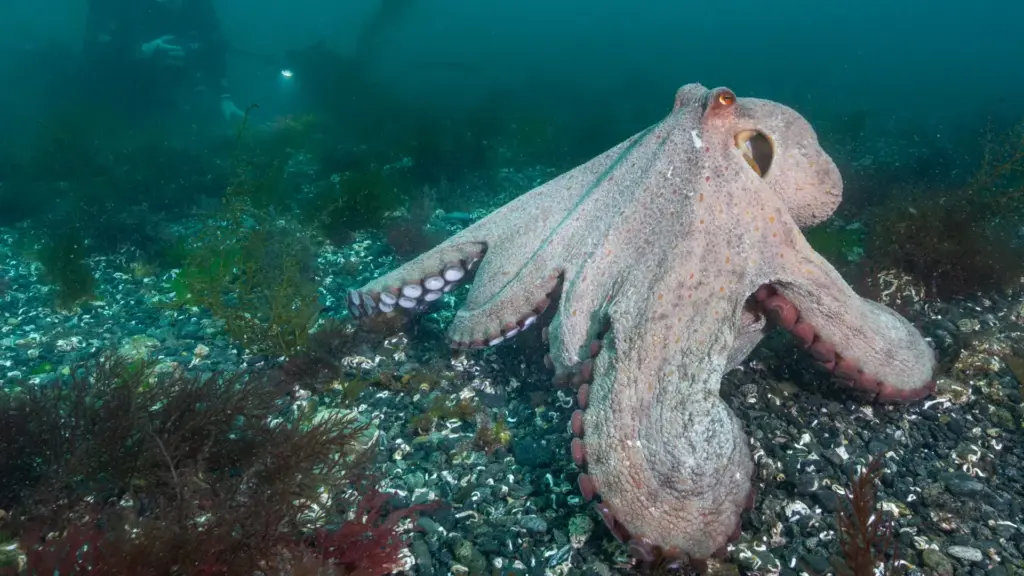
The recent octopus population bloom has captured the attention of marine biologists and fishing enthusiasts alike, with unprecedented numbers of these fascinating creatures reported along the UK coastline. As highlighted in the Wildlife Trusts’ annual marine review, octopus sightings in the south-west reached their highest levels since 1950, indicating a remarkable surge in their population. This phenomenon, attributed to warmer seas and changing climate conditions, poses critical implications for marine life and the fishing industry. Specifically, the common octopus, or Octopus vulgaris, has thrived in these warmer waters, leading to increased catches of over 1,200 tonnes during 2025. As local ecologies adjust to this population boom, experts urge the fishing industry to adapt to the shifts dictated by both octopus proliferation and broader marine life climate change.
The extraordinary rise in octopus numbers, often referred to as an ‘octopus bloom’, has significant ramifications for local ecosystems and the fishing sector. This dramatic upswing in cephalopod prevalence highlights shifts in marine biodiversity that are influenced by changing oceanic temperatures. With the Wildlife Trusts reporting an explosion of sightings along the south coast of the UK, the implications are far-reaching for wildlife management and sustainable fishing practices. Several species of octopus, most notably Octopus vulgaris, are benefiting from these conditions, complicating the relationship between marine life and the fishing industry. As stakeholders navigate this dynamic landscape, understanding the interplay of species populations and climate impact will be crucial for future conservation efforts.
The Impact of Warmer Seas on Octopus Population Bloom
The rise in octopus population, particularly in UK waters, has been significantly influenced by the warming of the seas. As documented in the Wildlife Trusts’ annual marine review, the record bloom seen in 2025 offers a glimpse into how climate change shapes marine ecosystems. With warmer winters allowing octopus populations like Octopus vulgaris to thrive, we see numbers skyrocketing to levels not seen since the mid-20th century. These cephalopods are not only adapting but flourishing as their preferred habitat becomes more hospitable, prompting speculation about the permanent effects of climate change on marine life.
However, the octopus population bloom carries profound implications for the existing wildlife and the fishing industry. Their increase in numbers places additional pressure on shellfish populations, such as lobsters and crabs, which can lead to shifts in ecological balance. This scenario is prompting organizations like the Wildlife Trusts to call for adaptable strategies in marine management and sustainable fishing practices, ensuring that the ecosystem can support both the octopus influx and traditional fisheries.
Octopus Vulgaris: A Species on the Rise in the UK
The surge in sightings of Octopus vulgaris, commonly found in warmer Mediterranean waters, highlights a critical shift in marine biodiversity along the UK’s southern coastline. As warmer ocean temperatures continue to make UK waters more favorable for these octopuses, there has been a remarkable increase in their population, attracting both scientific attention and concern from environmental advocates. The data offers encouraging insights for marine life, yet it raises questions about the sustainability of such a significant increase in a relatively short timeframe.
With over 1,200 tonnes of octopus reported caught in the summer of 2025, the challenges for the fishing industry cannot be overstated. This species’ sudden prominence could lead to unsustainable practices if not monitored carefully. Stakeholders, including the Wildlife Trusts, are advocating for research initiatives to ensure fisheries adapt to this burgeoning population dynamics without further harming shellfish species, which have historically been the bedrock of the UK’s fishing economy.
The Environmental Challenges Affecting Marine Life
Beyond the ongoing octopus population bloom, UK marine life is facing several environmental challenges that may overshadow positive developments. Reports from the Wildlife Trusts indicate that incidents such as oil spills and microplastic pollution have compounded the pressures on marine ecosystems. For instance, the recent collision in the North Sea, which released significant amounts of plastic resin pellets, poses a severe threat to marine wildlife and could negatively impact all species, including the rapidly rising octopus population.
The juxtaposition of a thriving octopus population against a backdrop of environmental disasters serves as a stark reminder of the fragility of marine ecosystems. While the increase in octopus numbers could be viewed as an indicator of changing marine health, it also underscores the need for increased vigilance and proactive conservation measures to safeguard not only the octopus but the myriad species that share their habitat.
Adaptation Strategies for the Fishing Industry
The fishing industry stands at a crossroads as octopus populations bloom and traditional shellfish stocks fluctuate. As octopuses become more prevalent in UK waters, fishermen must explore innovative strategies to adapt to these fluctuations. The Wildlife Trusts have emphasized the importance of research-driven approaches to ensure that fishing practices evolve, allowing for sustainable harvesting of both octopus and shellfish species. This scenario presents a unique opportunity for collaboration between conservationists and the fishing community, paving the way for regulations that could enhance marine resilience.
Implementing adaptive strategies might include adjusting catch limits, introducing gear modifications, or even diversifying the targets of the fishing industry. By fostering a cooperative effort among scientists, the government, and fishermen, the potential impacts of octopus population blooms on the fishing sector can be mitigated, ensuring a balanced ecosystem and a sustainable livelihood for communities dependent on marine resources.
The Role of Conservation Efforts in Marine Ecosystems
Conservation efforts play a pivotal role in maintaining the delicate balance of marine ecosystems amid changing environmental conditions. As octopus numbers surge, it’s essential to implement robust protection measures to ensure the flourishing of all marine species. Organizations such as the Wildlife Trusts advocate for proactive conservation strategies, emphasizing the importance of monitoring marine life and creating protected areas where ecosystems can thrive without undue human impact.
Additionally, educating the public about the intricacies of marine life and the effects of climate change on biodiversity can empower communities to support conservation initiatives actively. By championing awareness and engagement, conservation efforts can become integral to managing marine resources sustainably, anchoring the importance of protecting not just octopuses but the entire marine environment.
Understanding Marine Life Adaptations to Climate Change
The adaptations observed in marine life, particularly species like the octopus, provide a fascinating insight into the resilience of nature in the face of climate change. The increased prevalence of octopus vulgaris in the UK is a prime example of how specific species are adjusting to warmer environmental conditions. Observing behaviors such as enhanced camouflage techniques and mobility adaptations highlights not only their intelligence but also their capacity to thrive under new circumstances.
Such adaptability adds complexity to the interactions within marine ecosystems, necessitating new approaches in marine biology and fisheries management. Researchers and marine biologists are increasingly focused on understanding these shifts, aiming to draw parallels between octopus behavior and broader ecological trends. Gaining insight into these adaptations offers a valuable framework for predicting future marine dynamics in the context of ongoing climate change.
Future Implications of the Octopus Population Bloom
While the current bloom of octopuses in the UK raises opportunities for marine exploration and research, it also poses significant questions for the future of marine ecosystems and fisheries. The increase in octopus numbers could lead to a disruption in the existing balance among marine species, especially for shellfish populations targeted by the fishing industry. This necessitates a critical examination of fishing practices in light of changing marine demographics, with conservationists advocating for sustainable strategies to prevent overfishing and ensure marine balance.
Looking ahead, legislators and stakeholders must recognize the positive and negative implications of the octopus population bloom and act accordingly. By implementing policies that support both the growth of octopus populations and the sustainability of fisheries, it is possible to cultivate a marine environment that benefits all species involved. This careful navigation is essential to securing the health of marine ecosystems for future generations.
The Symbiotic Relationship Between Fisheries and Marine Life
The relationship between marine life and the fishing industry is a symbiotic one, relying on a delicate balance that promotes both the health of ecosystems and the livelihood of coastal communities. As the octopus population experiences a significant bloom, understanding this interplay becomes even more crucial. The increase in octopus populations, particularly in regions like Devon and Cornwall, underscores the need for proactive measures that protect marine biodiversity while considering the economic realities of the fishing industry.
Fishermen are now tasked with adapting to the new realities of their environment, which may require shifting their focus to different species. By embracing sustainable fishing practices, and investing in research to understand the long-term patterns of species like octopus vulgaris, the fishing community can play a pivotal role in preserving marine ecosystems. Such initiatives may pave the way for a more resilient and sustainable fishing industry that thrives alongside a diverse array of marine life.
The Future of Marine Ecosystems Amidst Changing Climates
The future of marine ecosystems amid climate change is an evolving narrative that poses both challenges and opportunities for conservation and fisheries alike. As octopus populations bloom dramatically in UK waters, environmentalists are urging an evaluation of how these changes may reconfigure existing marine dynamics. The effects of warmer temperatures and shifting species distributions place added stress on marine habitats, raising urgent questions about long-term ecological resilience.
To safeguard the intricate web of life in our oceans, collaborative efforts among policymakers, scientists, and fishermen will be essential. By recognizing the interconnectedness of all marine species, including the influences of climate change and fishing practices on biodiversity, solutions can be articulated that strive for a harmonious coexistence between human industry and the environment. Supporting adaptive management practices will be crucial to navigating the uncertainties of a rapidly changing marine reality.
Frequently Asked Questions
What is an octopus population bloom and why is it occurring in UK waters?
An octopus population bloom refers to a sudden increase in octopus numbers, especially notable in the UK, where record sightings of Octopus vulgaris have been reported in 2025. This phenomenon is largely attributed to warmer sea temperatures resulting from climate change, allowing octopuses to thrive in British waters.
How is climate change impacting octopus populations in the UK?
Climate change, particularly the warming of marine environments, is leading to significant increases in octopus populations, known as blooms. The Wildlife Trusts report that this warmer climate has contributed to the highest recorded octopus numbers in UK seas since 1950, notably affecting the distribution and feeding patterns of marine life.
What does the Wildlife Trusts report say about the octopus population in 2025?
The 2025 Wildlife Trusts report indicates that octopus populations off the south-west coast of England, particularly in Devon and Cornwall, reached their highest levels since 1950. This increase is largely due to climate change, leading to a remarkable 1,500% rise in sightings from the previous year.
What species of octopus is primarily involved in the current bloom in the UK?
The species primarily involved in the current octopus population bloom is Octopus vulgaris. This species, typically found in warmer waters like the Mediterranean, has been observed in alarming numbers along the UK coastline during the summer months of 2025.
How are fishing industries affected by the rise in octopus populations in the UK?
The rise in octopus populations is impacting the fishing industry in the UK, particularly due to the octopuses’ predation on shellfish like crabs and lobsters. As catches of these species decline, there are growing concerns that the fishing industry will need to adapt to the changing environment and the higher numbers of octopuses.
Are octopus population blooms a permanent change or a temporary phenomenon?
It remains uncertain whether the current octopus population bloom in the UK is a permanent shift or a cyclical occurrence. Experts suggest that octopus numbers may stabilize to more typical levels in the future, but the long-term implications of climate change on marine ecosystems are still under investigation.
What action is being taken by the fishing industry in response to the octopus bloom?
In response to the octopus bloom, the fishing industry is actively researching how to adapt its practices to manage changing fisheries and the impact on shellfish populations. The Wildlife Trusts emphasize the need for adjustments in both fishing methods and consumption habits to ensure the sustainability of marine life.
What marine life trends were observed alongside the octopus bloom in 2025?
Alongside the octopus bloom, the 2025 Wildlife Trusts report highlighted both concerning and encouraging trends. While octopus populations surged, there was a noted decline in crab landings, alongside the stable catches of lobster and scallop. Additionally, on a positive note, wildlife such as puffins saw record increases, showcasing varied responses to environmental conditions.
| Key Point | Details |
|---|---|
| Record Numbers of Octopuses | In 2025, the number of octopuses in UK waters reached its highest level since 1950. |
| Impact of Climate Change | Warmer winters linked to climate change are contributing to this population increase. |
| Highest Capture Rates | Fishermen caught over 1,200 tonnes of octopus during the summer of 2025. |
| Observation Areas | The south coast of Devon and Cornwall has reported the highest octopus sightings. |
| Species Observed | Most spotted are Octopus vulgaris, typically found in warmer waters. |
| Increase in Sightings | Sightings have increased by over 1,500% compared to 2023 in one section. |
| Environmental Effects | High octopus populations may impact local shellfish species and the fishing industry. |
| Future Implications | It remains unclear if the rise is permanent or cyclical. |
| Fishing Industry Adaptations | The fishing industry may need to adapt due to changes in octopus population dynamics. |
| Additional Environmental Concerns | Environmental disasters also marked the year, complicating marine conditions. |
| Positive Wildlife News | Puffin populations have increased, showing some positive trends in wildlife. |
Summary
The octopus population bloom in 2025 has marked a significant moment for marine ecosystems in the UK, highlighting the impact of climate change on marine life. As record numbers of octopuses are observed, it raises important questions regarding the sustainability of local fishing practices and the health of marine habitats. This phenomenon not only indicates potential shifts in marine biodiversity but also calls for urgent measures to manage the implications of such a bloom effectively.