Listen to this article
Nutrition in sport is a pivotal element that significantly impacts athletic performance and overall wellness. For athletes across various disciplines, an effective sports nutrition plan is critical for fueling their bodies, enhancing recovery, and achieving peak performance. With a focus on an athletes diet rich in macronutrients and micronutrients, proper nutrition underpins training routines and competition readiness. From energy-boosting carbohydrates to muscle-repairing proteins, the right balance of healthy foods for athletes shapes their physical capabilities and resilience. Understanding performance nutrition is essential for anyone looking to improve their abilities and maintain a competitive edge.
When discussing the dietary requirements of athletes, the term “performance nutrition” often arises, encapsulating the broader strategies employed to support physical activity. This encompasses not only the optimal intake of macronutrients but also the timing of meals and hydration necessary for success in sports. Ensuring an adequate supply of nutrients can profoundly influence an athlete’s stamina and recovery, while the pursuit of a tailored athlete-specific diet can enhance overall physical health and training results. From strength training to endurance sports, recognizing the unique nutritional needs tied to each activity can be transformative for every competitor.
The Importance of Nutrition in Sports Performance
Proper nutrition is the bedrock of optimal athletic performance, influencing every aspect of an athlete’s capabilities. Nutrition not only enhances the body’s physical functions but also significantly affects mental focus and endurance during competitions. Athletes require a well-rounded diet that provides the essential nutrients needed for peak performance, whether they are competing in endurance sports, strength training, or team competitions.
Beyond just performance, nutrition plays a pivotal role in injury prevention and recovery. Adequate caloric and nutrient intake helps maintain energy levels and fortifies the body against the stress of rigorous training. Consequently, athletes who prioritize their dietary choices significantly reduce their risk of injury, allowing for more consistent training and better overall performance.
Macronutrients: Fueling Athletic Performance Effectively
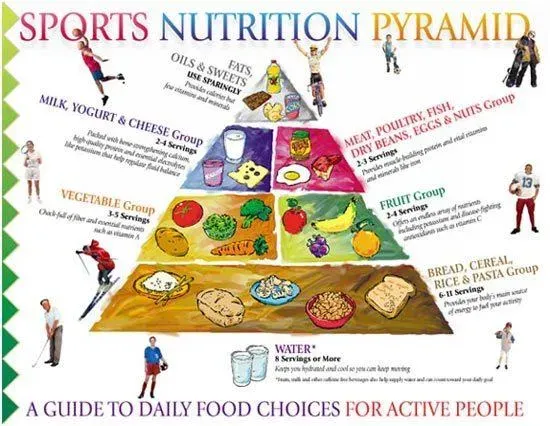
Macronutrients—carbohydrates, proteins, and fats—are crucial components of an athlete’s diet, each serving a unique purpose in fueling performance. Carbohydrates serve as the primary energy source, particularly during high-intensity workouts, where they are quickly converted into usable energy. Athletes are encouraged to focus on complex carbohydrates, as they provide sustained energy and necessary nutrients to fuel rigorous training sessions.
Proteins come into play as the building blocks of muscle repair and growth. After intense workouts, athletes need to replenish glycogen stores and repair micro-tears in their muscles. Consuming lean proteins, such as chicken, fish, beans, and legumes, helps in recovery and supports muscle hypertrophy. Fats also play a vital role, often serving as a secondary energy source, particularly during prolonged, lower-intensity activities, making balanced fat intake essential for athletic diets.
Hydration Strategies for Athletes
Maintaining optimal hydration levels is critical for athletes at all levels. Dehydration can lead to significant declines in performance, affecting strength, endurance, and overall physical capabilities. Water is essential, but during prolonged or intense activities, electrolyte-rich sports drinks can be beneficial for replenishing lost minerals and maintaining fluid balance.
Athletes are encouraged to develop a hydration plan that includes drinking fluids before, during, and after exercise. The general guideline suggests consuming about 500 ml of water two to three hours prior to physical activity, with continuous hydration throughout the workout. This strategy not only supports physical performance but also promotes mental acuity and focus.
Understanding Micronutrients for Enhanced Athletic Performance
While macronutrients are vital for energy, micronutrients such as vitamins and minerals play an essential role in an athlete’s overall health and performance. Calcium and vitamin D are particularly important for bone health, helping to prevent injuries like stress fractures that are prevalent in high-impact sports. Athletes should ensure adequate intake of these essential nutrients, often found in dairy products and leafy greens.
Iron, another crucial micronutrient, is particularly significant for endurance athletes as it facilitates oxygen transport within the body. Insufficient iron levels can lead to fatigue and decreased performance. Incorporating iron-rich foods such as lean meats, beans, and fortified cereals can help athletes maintain optimal energy levels and enhance performance.
Nutritional Timing: The Key to Performance Optimization
Nutritional timing is a critical strategy for athletes, involving the consumption of specific nutrients before, during, and after exercise to maximize performance and recovery. Pre-workout meals should be rich in carbohydrates and moderate in protein, consumed approximately three to four hours before activity, providing the energy needed for optimal performance.
During exercise, particularly longer sessions exceeding an hour, athletes may benefit from quick-digesting carbohydrates, such as gels or sports drinks, to maintain energy levels. Post-workout nutrition is equally crucial; consuming a mix of protein and carbohydrates shortly after exercise helps to replenish glycogen stores and facilitate muscle repair, ensuring effective recovery and readiness for subsequent training.
Tailoring Nutrition to Specific Sports Needs
Different sports present unique challenge, necessitating tailored nutritional approaches to meet the specific demands of athletes. Endurance athletes, such as marathon runners, require a higher carbohydrate intake to sustain long bursts of energy, while strength athletes like weightlifters must prioritize protein to support muscle repair and growth.
Team sport athletes, such as those playing soccer or basketball, benefit from a balanced approach, integrating both carbohydrates and proteins to support their diverse energy and strength requirements. Understanding these distinctions is vital for athletes to fine-tune their diets, ensuring their nutritional strategies align with their specific sport’s demands.
Healthy Foods for Athletes and Performance Nutrition
Incorporating healthy foods into an athlete’s diet is essential for fostering peak performance. Whole foods, such as fruits, vegetables, lean meats, fish, whole grains, nuts, and seeds, are packed with the nutrients that support optimal energy levels and recovery. Athletes are encouraged to minimize processed foods, as they often lack essential nutrients and can negatively impact overall health.
By focusing on nutrient-dense foods, athletes can ensure they are providing their bodies with the right building blocks for performance. Foods rich in antioxidants, such as blueberries and spinach, help combat oxidative stress, which can accumulate from intense physical activity, while nutrient-rich carbohydrates provide sustained energy throughout workouts.
The Connection Between Nutrition and Mental Performance
Nutrition extends its influence beyond physical performance, significantly affecting mental acuity and mood. A balanced diet rich in essential nutrients supports brain health, enhancing cognitive functions such as focus, reaction time, and decision-making—crucial elements during competitions. Omega-3 fatty acids found in fish, for instance, have been shown to support cognitive functions and should be incorporated into an athlete’s diet.
Moreover, specific nutrients, such as B vitamins and magnesium, play essential roles in neurotransmitter function and energy metabolism, directly influencing mood and mental clarity. Thus, athletes who prioritize a well-rounded diet often find themselves better equipped to handle the mental demands of their chosen sports.
The Impact of Nutrition on Recovery and Injury Prevention
Proper nutrition is vital for recovery post-exercise, allowing athletes to bounce back quicker and minimize downtime due to injuries. Consuming the right nutrients immediately after training sessions enhances muscle recuperation, reduces inflammation, and prepares the body for subsequent workouts. Strategies such as post-workout protein shakes or a balanced meal can provide the necessary nutrients for effective recovery.
In addition to recovery, a strong nutritional foundation helps prevent injuries. Adequate intake of the right micronutrients, proteins, and healthy fats supports everything from joint health to muscle elasticity. Athletes who adhere to forgoing strategies often find they suffer fewer injuries, leading to a more consistent training schedule and enhanced overall performance.
Frequently Asked Questions
What is the role of nutrition in sport and athletic performance?
Nutrition in sport plays a crucial role in fueling athletic performance, enhancing recovery, and maintaining overall health. Proper nutrition serves as the foundation for training and competition, affecting an athlete’s success.
How do macronutrients for athletes differ from those for non-athletes?
Macronutrients for athletes focus on higher carbohydrates for energy, adequate protein for muscle repair, and healthy fats for overall health, unlike non-athletes who may not require as high of an intake to support energy needs.
What foods are considered healthy foods for athletes?
Healthy foods for athletes include lean proteins like chicken and fish, complex carbohydrates such as whole grains and fruits, healthy fats like avocados and nuts, and plenty of vegetables to provide essential vitamins and minerals.
How important is hydration in sports nutrition?
Hydration is critical in sports nutrition; it enhances performance and helps regulate body temperature. Athletes should drink water regularly and consider electrolyte-rich drinks during prolonged exercise.
What should athletes eat before a workout?
Athletes should consume a meal high in carbohydrates and moderate in protein 3-4 hours before exercising to ensure energy availability and enhance performance during the workout.
What are the best post-workout snacks for athletes?
Post-workout snacks for athletes should include a mix of protein and carbohydrates, like a protein shake with a banana or Greek yogurt with granola, to aid in recovery and replenish glycogen stores.
How do athletes time their nutrition around workouts for optimal performance?
Athletes should structure their nutrition timing by consuming carbohydrates before exercise, simple carbs during long workouts, and a protein-carb mix shortly after to maximize recovery and performance.
What unique nutritional considerations should endurance athletes keep in mind?
Endurance athletes should prioritize higher carbohydrate intake to sustain energy level during long-duration activities, which is essential for optimal performance and recovery.
How can micronutrients affect an athlete’s performance?
Micronutrients like calcium, iron, and vitamins support muscle function, energy production, and immune health, which are vital for maintaining an athlete’s performance and preventing injuries.
Why is it important for athletes to focus on a balanced diet?
A balanced diet ensures athletes receive adequate macronutrients and micronutrients necessary for energy, recovery, and overall health, optimizing their performance and enhancing training outcomes.
| Aspect | Description |
|---|---|
| Importance of Nutrition | Nutrition is crucial for optimizing performance, enhancing recovery, and maintaining overall health in athletes. |
| Macronutrients | Carbohydrates for energy, proteins for repair, and fats for nutrient absorption and energy. |
| Micronutrients | Vitamins (like C & E) and minerals (like calcium & iron) support muscle function, energy, and immune health. |
| Hydration | Maintaining fluid balance is vital for performance and temperature regulation. |
| Nutrition Timing | Strategically consuming nutrients before, during, and after exercise to enhance performance and recovery. |
| Special Considerations | Different sports require specific nutritional focuses, such as higher carbs for endurance or more protein for strength. |
Summary
Nutrition in sport is a foundational element that influences athletic performance, recovery, and overall well-being. It encompasses the study of the dietary needs essential for optimizing athletic performance, with a focus on macronutrients like carbohydrates, proteins, and fats, as well as micronutrients and hydration. Proper nutrition enhances energy levels, aids in muscle repair, and supports immune function. Athletes must tailor their diets to meet the specific demands of their sports, ensuring they consume the right nutrients at the right times. By prioritizing nutrition, athletes can significantly improve their performance and recovery times, ultimately enhancing their overall success in their respective sports.