
Listen to this article
Nutrition in athletic performance is a cornerstone for success in sports, providing the essential fuel needed for training, recovery, and peak physical health. For athletes of all levels, understanding the intricacies of sports nutrition is not just important; it can significantly influence their performance on the field or court. This article delves into various nutritional strategies that enhance athletic performance, examining the science behind effective dietary practices. From the importance of macronutrients to hydration for athletes and nutrient timing, each element plays a vital role in achieving athletic excellence. By optimizing their nutrition, athletes can unlock their full potential and gain a competitive edge in their respective sports.
The connection between diet and athletic success is undeniable, often referred to as an athletic diet or performance enhancement approach. Ensuring proper nutrition is paramount for athletes aiming to excel, as it encompasses everything from vital macronutrients to the timing of nutrient intake. Comprehensive knowledge of sports nutrition can empower athletes to maximize their training efficiency and recovery, ultimately leading to improved performance outcomes. Moreover, attention to hydration for athletes is equally critical, signaling the importance of fluid balance in maintaining stamina. By integrating these dietary principles, individuals can enhance their overall athletic capabilities.
The Importance of Sports Nutrition
Sports nutrition is vital for athletes, providing the necessary energy and nutrients tailored for optimal performance. Proper nutrition not only supports endurance and strength but also aids in recovery after intense workouts. An athlete’s diet should include a balance of macronutrients—carbohydrates, proteins, and fats—alongside essential vitamins and minerals to ensure they can train effectively and recover swiftly.
Moreover, a strong foundation in sports nutrition can prevent injuries and reduce the risk of fatigue. Athletes must recognize that the right diet contributes significantly to their physical and mental stamina. Incorporating nutrient-dense foods can enhance performance outcomes, making sports nutrition an indispensable aspect of athletic success.
Frequently Asked Questions
What is the role of nutrition in athletic performance?
Nutrition in athletic performance is crucial as it provides the body with the energy, macronutrients, and micronutrients necessary for optimal training, recovery, and overall health. A well-balanced athletic diet enhances energy levels, improves recovery time, and supports sustained performance during competitions.
How do macronutrients impact sports nutrition?
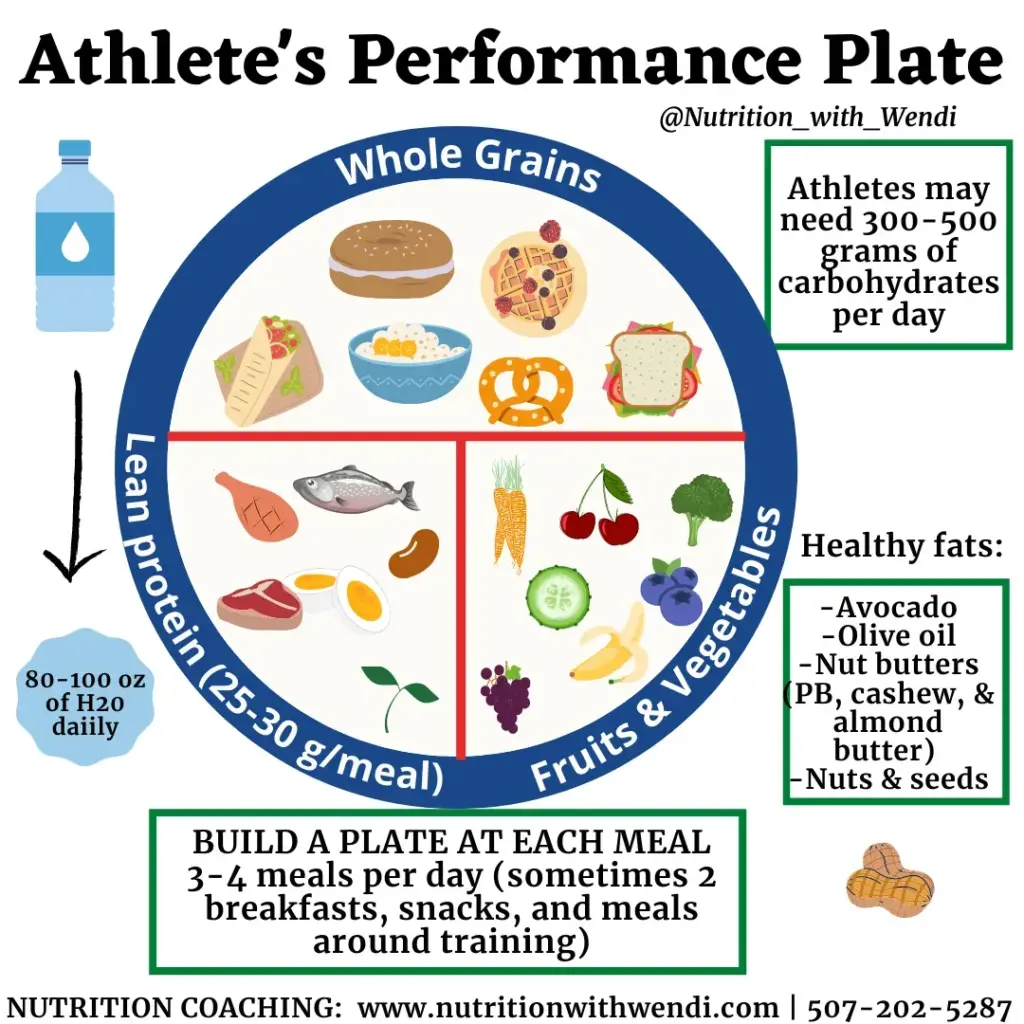
Macronutrients, including carbohydrates, proteins, and fats, play a vital role in sports nutrition. Carbohydrates are the primary energy source, proteins aid in muscle repair and growth, and healthy fats provide sustained energy, especially for lower intensity activities. Balancing these macronutrients helps optimize athletic performance.
What is nutrient timing and why is it important for athletes?
Nutrient timing refers to the strategic consumption of nutrients before, during, and after exercise to enhance athletic performance and recovery. Proper timing, such as eating complex carbohydrates and protein before workouts, can help maximize energy availability and promote muscle recovery after training.
How does hydration influence athletic performance?
Hydration is essential for athletic performance, as even mild dehydration can impair strength, endurance, and coordination. Athletes should ensure they are sufficiently hydrated before, during, and after exercise to maintain optimal performance levels and prevent fatigue.
What are the best sources of carbohydrates for athletes?
Athletes should focus on complex carbohydrates for sustained energy, such as whole grains, fruits, and vegetables. These foods not only provide necessary fuel for athletic performance but also supply essential vitamins and minerals that support overall health and recovery.
How much protein do athletes need for performance enhancement?
Athletes typically need approximately 1.2 to 2.0 grams of protein per kilogram of body weight daily, depending on their sport and training intensity. Adequate protein intake aids in muscle repair, recovery, and overall performance enhancement.
What role do vitamins and minerals play in athletic nutrition?
Vitamins and minerals are vital for energy production and muscle function in athletic nutrition. Key micronutrients, such as B vitamins and minerals like calcium and iron, support muscle contraction, oxygen transport, and recovery, highlighting the importance of a varied diet.
Should athletes consider supplements to enhance their performance?
While whole foods should form the basis of an athletic diet, some athletes may opt for supplements like protein powders or creatine to support specific nutritional needs. It’s crucial to consult with a healthcare provider before starting any supplements to avoid potential side effects and ensure they align with competition regulations.
How can athletes create a personalized nutrition plan?
Creating a personalized nutrition plan involves assessing individual needs based on factors such as body composition, training intensity, and dietary preferences. Consulting with a sports nutritionist can help tailor a plan to enhance athletic performance and meet specific health goals.
What are some common misconceptions about nutrition in athletic performance?
Common misconceptions about nutrition in athletic performance include the belief that extreme diets or excessive supplementation are necessary for success. In reality, balanced nutrition focusing on whole foods, adequate hydration, and appropriate nutrient timing is often more effective for enhancing athletic performance.
| Key Point | Details |
|---|---|
| Understanding Athletic Nutrition | Nutrition provides essential nutrients for energy, recovery, and health. |
| The Macronutrients | Carbohydrates provide energy; proteins support muscle repair; fats provide lasting energy. |
| Micronutrients | Vitamins and minerals are crucial for energy production, muscle function, and prevention of deficiencies. |
| Hydration | Proper hydration is essential to prevent fatigue and maintain performance. |
| Timing of Nutrient Intake | Strategic nutrient intake before, during, and after exercise enhances performance and recovery. |
| Individual Needs | Nutrition plans should be personalized to meet specific needs and goals. |
| Supplements | While useful for some, supplements must be approached with caution and professional guidance. |
Summary
Nutrition in Athletic Performance is a crucial aspect of maximizing athletes’ potential. It encompasses understanding macronutrients and micronutrients, ensuring proper hydration, timing nutrient intake effectively, and personalizing dietary strategies to meet unique needs. By focusing on balanced diets rich in carbohydrates, proteins, healthy fats, vitamins, and minerals, athletes can enhance their performance and recovery. Additionally, staying hydrated and thoughtfully planning nutrient timing before, during, and after exercise can make a significant impact. As such, nutrition serves as the foundation upon which successful athletic performance is built.