Listen to this article
The NSW Police response to the Bondi Beach shooting has been a focal point of discussion following the tragic attack on a Jewish festival. During this horrific incident, two gunmen unleashed violence, resulting in the deaths of 15 individuals and numerous injuries amidst the Hanukkah celebration. While some witnesses criticized the police for their perceived delay in neutralizing the threat, Premier Chris Minns has staunchly defended the officers, stating they exhibited “bravery and integrity” in the line of duty. As the police investigation unfolds, attention remains on the actions taken by law enforcement during the chaos. This situation underscores the complexities and challenges faced by NSW Police when responding to such unprecedented acts of violence.
The recent shooting incident at Bondi Beach, particularly during a Jewish celebration, has raised critical questions regarding law enforcement’s efficiency and preparedness. This event not only highlights the urgent need for enhanced security measures during public gatherings but also brings to light the realities of police engagement in high-stakes situations. Premier Minns emphasized the officers’ commitment and courage under fire, while concerns about the adequacy of police strategies linger among the public. The ongoing investigation aims to unravel the details surrounding the police response, as authorities assess their operational protocols in light of the attack. The Bondi Beach shooting represents a pivotal moment for NSW Police in reevaluating their approach to incidents involving mass violence.
NSW Police Response to the Bondi Beach Shooting: An Examination of Bravery
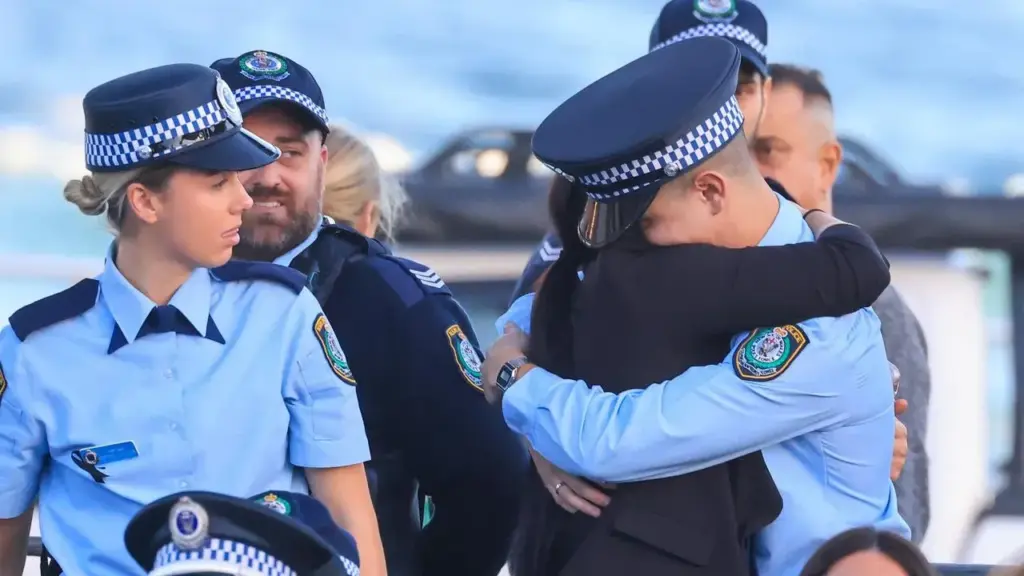
In the immediate aftermath of the tragic Bondi Beach shooting during a Jewish festival, NSW Police have been at the center of a heated debate regarding their response to the crisis. Premier Chris Minns has publicly defended the officers, stating that their bravery and integrity were evident throughout the chaos. Witnesses described a scene of horror where two gunmen executed a shooting spree, killing 15 individuals and injuring numerous others, but some called into question the speed and decisiveness of the police action. Critics have alleged that officers appeared to freeze, which has raised concerns about how effectively they engaged the attackers in real-time.
However, it is crucial to understand the unique challenges encountered by law enforcement during such unpredictable and chaotic events. Reports indicate that police engaged with the gunmen with handguns while the offenders were armed with high-powered rifles, a scenario that emphasizes the dangers faced by responders on the ground. Premier Minns emphasized that despite criticism, officers did not retreat and took necessary action during a rapidly unfolding situation that no training could fully prepare them for. This narrative highlights not just physical bravery but also the psychological resilience required by the police amidst public scrutiny and dire circumstances.
Investigation into the Bondi Beach Shooting: Challenges and Responses
The ongoing investigation into the Bondi Beach shooting reflects the complexities associated with responding to mass violence in public spaces. According to NSW Police Commissioner Mal Lanyon, planning for security at the festival was determined based on existing threat assessments at the time, and patrolling officers were present given the security climate post the recent Hamas attacks. Following these events, the establishment of Operation Shelter aimed to bolster security measures and address antisemitic hate crimes in high-risk areas, including Bondi Beach, which is home to a significant Jewish community.
The investigation is set to examine how law enforcement can improve their responses to similar incidents in the future. Experts, including former police officer Dr. Vincent Hurley, have voiced that while officers may rely on training, no amount of preparation can account for the unpredictability of mass shooting scenarios. Dr. Hurley pointed out that critical incidents like this require a swift assessment of the scene’s dynamics and rapid decision-making capabilities, which are further complicated by the presence of civilians and potential crossfire. Thus, an analysis of the incident could lead to enhanced training protocols for police, aimed at better equipping them to handle crises effectively while ensuring public safety.
Witness Accounts: The Complexity of Police Engagement During Crisis
Witness accounts have played a crucial role in understanding the dynamics at play during the Bondi Beach shooting. Eyewitness statements describe scenes of panic and confusion as gunfire erupted, with some expressing frustration towards the police response. One witness, Shmulik Scuri, recounted how he observed officers seemingly freeze in the face of danger. Such narratives are vital as they provide insight into the public’s perception of police action during emergencies, reinforcing the need for law enforcement to be trained in crisis navigation and immediate threat engagement.
Moreover, these accounts highlight the emotional and psychological impact of violent incidents on communities. While some witnesses criticized police actions in the moment, they also acknowledged the chaos that officers faced upon arrival. The reality of navigating a mass shooting scene, compounded by civilian injuries and the instinct to protect those in distress, complicates the decision-making process for law enforcement. This underscores the importance of integrating community perspectives in future police training programs to foster a more inclusive approach to public safety and emergency response.
Public Perception and Police Accountability in the Wake of Bondi Beach Tragedy
The tragic events at Bondi Beach have ignited a wider conversation about police accountability and public perception in times of crisis. Premier Minns has vocally defended the actions of police officers, emphasizing their heroism amidst overwhelming chaos. However, as questions arise regarding preparedness and response efficiency, it is essential to evaluate how public sentiment can influence perceptions of law enforcement efficacy. The narrative surrounding police actions in Bondi Beach provides insights into the tightrope officers must walk between decisive action and the safety of innocent bystanders.
Addressing public concerns transparently and effectively is paramount for maintaining trust within the community. As the investigation unfolds and more information surfaces, it is crucial for NSW Police to engage with the public, providing clarity on their operational responses and the decisions made during critical incidents. By promoting transparency and accountability, law enforcement can help reshape public perception, ensuring community support is rekindled as they work to prevent similar tragedies in the future.
Antisemitic Violence and Increased Security Measures in NSW
In the wake of rising antisemitic incidents across Australia, particularly post the Hamas attacks on Israel, NSW Police has stepped up its commitment to enhancing safety measures in areas with significant Jewish populations, such as Bondi Beach. The establishment of Operation Shelter signifies a proactive approach to managing and investigating hate crimes, which have seen an alarming uptick. This operation signals a firm stance against antisemitism and promotes increased police visibility and community engagement intended to reassure the public and mitigate risks.
Furthermore, the response from NSW Police has not only focused on immediate patrolling but also emphasizes long-term strategies for combating hate crimes by partnering with community leaders and organizations. By fostering collaboration, the police can develop targeted initiatives that address concerns while providing a supportive environment where community members feel safe to report incidents. This approach not only aims to deter future violence but also reinforces the importance of communal solidarity in the face of prejudice and fear.
Police Challenges During the Bondi Beach Shooting Response
Responding to the Bondi Beach shooting presented unique and significant challenges for law enforcement. As described by experts, the chaotic scene required officers to make rapid decisions about how to engage an active threat while contending with a crowd of panicked civilians. The setting—Bondi Beach, a popular destination—added layers of complexity, with heavy traffic and a multitude of bystanders who were both victims and witnesses. These factors highlight the daunting nature of police work during such unprecedented mass violent events.
Dr. Vincent Hurley notes that there is no set training that can fully prepare officers for the unpredictability of a mass shooting scenario. The intricacies of each situation necessitate adaptable responses, a reality that can lead to scrutiny over how quickly and effectively police can act. As authorities evaluate their response protocols in light of the Bondi Beach incident, it is essential to recognize the complexities involved in law enforcement practice, where split-second decisions can save lives but also face intense public scrutiny.
Community Support for NSW Police After the Bondi Shooting Incident
Despite the criticisms leveled against police response during the Bondi Beach shooting, many community members remain supportive of NSW Police and their efforts in the aftermath of the incident. Community trust is pivotal for effective policing, and many locals recognize the inherent risks that law enforcement faces daily. As the state grapples with the tragic events of the shooting, public expressions of solidarity with police officers demonstrate a shared desire for safety and a commitment to healing within the community.
Building community trust involves more than just effective policing; it requires ongoing dialogue and awareness initiatives that engage residents in addressing safety issues together. NSW Police’s commitment to increase patrols in high-risk areas and initiatives to reinforce community relationships have been well received by many. This approach not only alleviates fears but also fosters a collaborative spirit that empowers local voices in maintaining neighborhood safety.
Future of Policing and Public Safety in High-Risk Areas
In light of the Bondi Beach shooting, discussions surrounding the future of policing and public safety in high-risk areas have gained traction. As the NSW Police force assesses their current protocols, there is an opportunity to embrace innovative strategies that enhance community safety without compromising police effectiveness. The tragedy serves as a catalyst for re-evaluating operational tactics, expanding training programs, and integrating community input to develop more comprehensive responses to potential threats.
Looking ahead, the lessons learned from the Bondi Beach shooting could redirect the focus towards preparing officers not only for traditional crime prevention but also for proactively handling large-scale emergencies. This evolution in law enforcement practice may include enhanced simulations, interdisciplinary training with emergency services, and a robust community engagement model that prioritizes safety and communication. Through these measures, NSW Police can better safeguard the communities they serve while fostering public trust and collaboration.
Frequently Asked Questions
What was the NSW Police response to the Bondi Beach shooting during the Jewish festival?
The NSW Police response to the Bondi Beach shooting was described by Premier Chris Minns as one demonstrating ‘bravery and integrity.’ Despite criticism regarding the speed of their response, officials emphasized that officers engaged the gunmen under challenging circumstances, with significant risks to public safety.
Was there criticism about the NSW Police response during the Bondi Beach shooting incident?
Yes, there was criticism regarding the NSW Police response during the Bondi Beach shooting. Some witnesses claimed that the officers were slow to act and suggested that police ‘froze’ during the attack. However, NSW officials, including Premier Minns, rejected these claims, asserting that police bravely confronted the gunmen immediately.
How many officers were deployed by NSW Police for security at the Bondi Beach festival?
NSW Police Commissioner Mal Lanyon did not specify the exact number of officers assigned for security at the Bondi Beach festival. He stated that police regularly patrol the area based on the assessed threat levels at any given time.
What was the aftermath of the Bondi Beach shooting in relation to police investigations?
Following the Bondi Beach shooting, NSW Police launched Operation Shelter to investigate antisemitic hate crimes, deploying regular patrols in high-risk areas, including Bondi Beach, known for its significant Jewish population. Additionally, a task force named Strike Force Pearl was established to further investigate hate crimes in Sydney.
What evidence was there of potential threats leading up to the Bondi Beach shooting?
Although the alleged younger gunman, Naveed Akram, had come to the attention of Australia’s security agency in 2019 due to his associations, there was no indication that he posed a risk of violence prior to the Bondi Beach shooting. NSW Police Commissioner Lanyon noted that had there been intelligence of a specific threat, the police response might have differed.
What challenges did NSW Police face during the Bondi Beach shooting response?
NSW Police faced significant challenges during the Bondi Beach shooting response, including navigating through chaotic scenes as thousands attempted to flee and making rapid decisions without clear protocols for such a mass shooting incident. The confusion of the situation complicated their ability to deploy effective responses.
How did experts view the police response to the Bondi Beach shooting?
Experts, such as Dr. Vincent Hurley, noted that it is unrealistic to expect police to have perfect reactions to every scenario, especially during a mass shooting. They emphasized that the responding officers would have relied on chaotic emergency calls and faced difficult decisions under pressure.
What role did the NSW Police play during the Hanukkah celebration at Bondi Beach prior to the shooting?
Prior to the Bondi Beach shooting, NSW Police had a presence at the Hanukkah celebration and engaged in regular patrols of the area. Their presence was determined by an assessment of the potential threat, although exact numbers of officers deployed were not disclosed.
How long did the shooting spree last during the Bondi Beach incident?
The shooting spree during the Bondi Beach incident lasted approximately ten minutes before NSW Police intervened by shooting both gunmen. The attack was characterized by rapid gunfire, resulting in casualties and injuries.
What actions were taken by NSW Police immediately following the Bondi Beach shooting?
Immediately following the Bondi Beach shooting, NSW Police took action to neutralize the gunmen and secure the area. They also initiated investigations into the shooting as part of broader operations aimed at addressing antisemitic hate crimes in the region.
| Key Points |
|---|
| NSW Premier Chris Minns defends police response, citing bravery and integrity. |
| Witnesses criticized police for being slow to neutralize the gunmen during the shooting. |
| Attack resulted in 15 fatalities and multiple injuries at a Jewish festival in Bondi Beach. |
| Minns refutes claims of police not fulfilling responsibilities, asserting officers engaged the threat directly. |
| NSW Police response involved regular patrols and reassessment based on existing threats. |
| Noted that the shooter had previously come to the security agency’s attention but was not deemed a risk. |
| Following the attack, NSW Police initiated Operation Shelter to enhance security against antisemitic hate crimes. |
| Expert remarks stress the unpredictability of mass shooting scenarios and the difficult choices officers face. |
Summary
The NSW Police response to the Bondi Beach shooting has been a focal point of public discourse, with Premier Chris Minns firmly defending the actions of officers during the critical incident at the Jewish festival. The shooting, resulting in 15 casualties, raised questions about the preparedness of police to handle such tragic events. Despite criticisms regarding the speed of police response, Minns highlighted the bravery displayed by officers in confronting the gunmen. Moving forward, increased security measures are being implemented through operations aimed at combating hate crimes, particularly in areas with vulnerable communities. This incident underscores the complexities of police work in active shooter situations and the challenges faced by law enforcement in ensuring public safety.