
Listen to this article
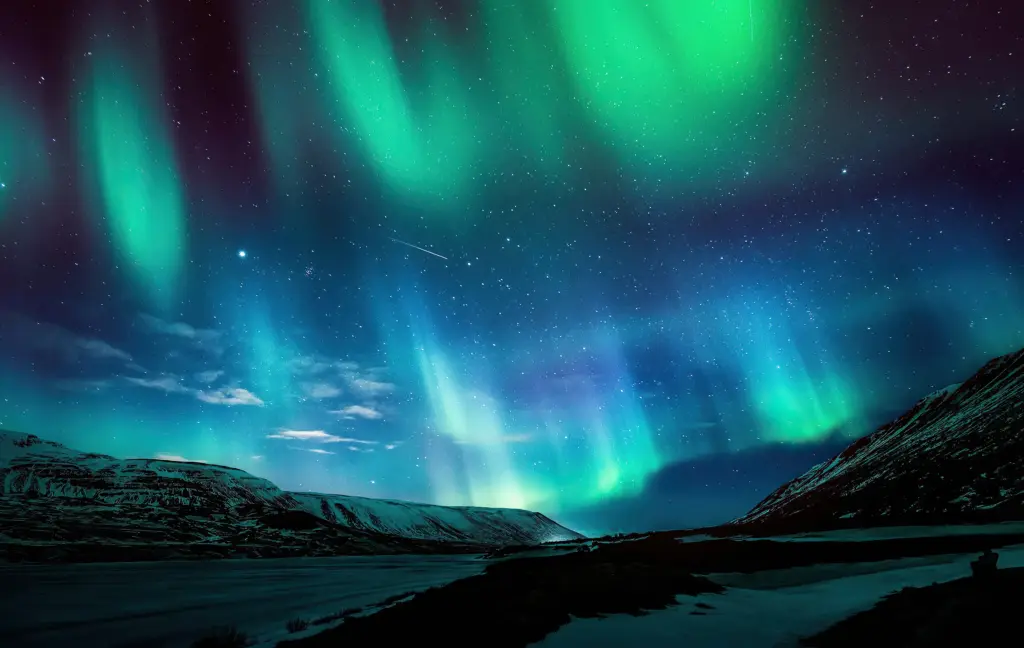
Northern Lights, known for their breathtaking beauty and ethereal glow, may be visible tomorrow night as the UK braces for a “severe” solar storm. Recent disturbances in space weather, specifically a powerful X-class solar flare, have prompted the Met Office to issue warnings about increased geomagnetic activity. Following this flare, a coronal mass ejection (CME) is expected to impact Earth, leading to the likelihood of stunning auroras in the UK. During this event, the geomagnetic storm could escalate to a G4 category, potentially disrupting satellite systems and communication networks. Stargazers should keep their eyes on the sky, as the conditions could bring this dazzling display of natural phenomena into view, despite the challenges posed by overcast weather.
The mesmerizing phenomenon of auroras, often referred to as polar lights, has fascinated humanity for generations. These natural light displays are caused by energetic particles from the solar wind colliding with Earth’s magnetic field, especially during events like solar storms. When coronal mass ejections occur, they send vast plumes of solar plasma directly toward Earth, enhancing the likelihood of seeing these stunning visuals. In the UK, particularly in northern regions, the conditions may align perfectly to reveal the iconic light shows, creating a spectacular spectacle for all those lucky enough to witness them. However, the dynamics of space weather can be unpredictable, influencing both the beauty of nature and the functionality of our technology.
Understanding Solar Storms and Their Impact on Earth
Solar storms, particularly those classified as severe, originate from explosive phenomena on the Sun, such as solar flares and coronal mass ejections (CMEs). During these events, charged particles are expelled into space, and when they interact with Earth’s magnetic field, they can induce significant geomagnetic disturbances. The latest X-class flare has raised concerns among scientists and space weather experts regarding potential disruptions to technology and natural phenomena, including auroras.
The intensity of these storms is categorized by the NOAA scale, ranging from G1 (minor) to G5 (extreme). A G3 storm, as predicted in the current forecast, indicates heightened geomagnetic activity that can lead to increased radiation levels and potential challenges for satellite communications and power grid operations. With vibrant displays of the northern lights likely during such storms, awareness of these solar events is crucial for both enthusiasts and those relying on technology.
The Role of Coronal Mass Ejections in Aurora Formation
Coronal mass ejections (CMEs) are significant contributors to the formation of auroras, including the northern lights. These powerful bursts of solar winds release vast amounts of plasma and magnetic fields into the solar system, and when a CME is directed towards Earth, it can trigger geomagnetic storms. The interaction between the incoming charged particles from the CME and the Earth’s magnetic field creates spectacular light displays in the polar regions, known as auroras.
As the upcoming CME approaches, it is critical to understand how geomagnetic storms unfold. When these solar particles collide with atoms in the Earth’s atmosphere, they emit light, resulting in the dazzling colors associated with auroras. The chances of witnessing these phenomena in the UK increases during periods of strong solar activity, offering an extraordinary opportunity for observers. However, weather conditions such as cloud coverage can significantly impact visibility, potentially obscuring these stunning displays.
Auroras in the UK: Where and When to See Them
Observing the northern lights in the UK is a rare yet breathtaking experience, particularly during heightened geomagnetic activity such as during a severe solar storm. Regions within the northern areas—Scotland, Northern Ireland, and parts of northern England—offer the most favorable conditions for spotting these celestial phenomena. The intensity of the solar storm directly correlates with the visibility of auroras further south, creating opportunities for a wider audience in the country to witness this natural wonder.
While the forecast indicates potential for auroras, local weather conditions play a crucial role in whether viewers can actually experience these sights. Clear, dark skies enhance the viewing prospects, allowing the vivid colors of the aurora borealis to shine through. Unfortunately, cloudy or rainy weather can impede visibility, limiting the chances of experiencing this magnificent spectacle. For those interested in aurora viewing in the UK, it is essential to stay informed about both solar activity and local weather forecasts.
Space Weather and Its Effects on Technology
Space weather phenomena, driven largely by solar activity, can instigate profound effects on Earth’s technology systems. During instances of severe solar storms, satellites in low Earth orbit may experience increased atmospheric drag, causing potential disruptions in their operational behavior. The impact extends to GPS accuracy, radio communications, and even power grids, where surges can lead to equipment failures or electricity supply disruptions.
As the Met Office alerts communities of the impending solar storm, understanding space weather becomes increasingly essential for preparedness. Businesses and individuals reliant on technology must be aware of the potential fluctuations caused by geomagnetic storms, allowing for the implementation of protective measures to mitigate risks. Staying aware of space weather forecasts can equip us with the necessary foresight to navigate these solar-induced challenges and enhance our resilience in the face of nature’s powerful forces.
The Science Behind Geomagnetic Storms
Geomagnetic storms result from the interaction between solar wind—the stream of charged particles ejected from the Sun—and the Earth’s magnetic field. This interplay can cause fluctuations in the magnetosphere, leading to various phenomena including auroras. Understanding the science behind these storms is crucial for monitoring and predicting their potential impacts on our planet, particularly during significant solar events.
The severity of a geomagnetic storm is dictated by factors such as the speed and density of the solar wind and the orientation of the interplanetary magnetic field. Effective monitoring through satellite systems allows scientists to provide early warnings on geomagnetic activity. As we deepen our understanding of the underlying mechanisms, we improve our capability to predict such events, enhancing preparedness to mitigate adverse effects on technology and daily life.
Future Predictions: Monitoring Solar Activity
The sun operates on an approximately 11-year solar cycle, during which its activity levels—including solar storms and flares—oscillate from minimal to peak periods. Scientists utilize various space weather satellites to monitor solar activity continuously, offering important insights into upcoming CMEs and geomagnetic storms. Through these measurements, experts can forecast solar events, providing crucial information for both earthbound and space-based operations.
The future of solar monitoring holds promise, as advancements in technology enhance our ability to predict solar storms more accurately. These predictions play a vital role in assessing risks across several sectors, including aviation, power generation, and telecommunication industries. By staying ahead of solar activity with robust data and analysis, we can safeguard our infrastructure and harness the beauty of phenomena like the northern lights whenever they may appear.
The Impact of Solar Flares on Climate and Weather Patterns
While solar flares are predominantly known for their immediate effects on space weather and geomagnetic storms, there are also discussions among climate scientists about their potential long-term impacts on Earth’s climate and weather patterns. Solar activity plays a complex role in Earth’s climate system, contributing to variations in temperature and atmospheric dynamics.
Understanding this relationship is still an evolving area of research. Some scientists propose that increased solar activity may lead to short-term warming phases, while others focus on the interplay between solar winds and terrestrial weather phenomena. Further studies are essential to clarify how these solar events could influence climate variability and inform future climate predictions globally.
Preparing for Auroras: Tips for Stargazers
For those keen on witnessing the awe-inspiring northern lights, preparation is essential. First, staying updated with solar activity forecasts from reliable sources like the Met Office can inform you of when the chances of seeing auroras are highest, particularly during severe solar storms. Additionally, selecting optimal viewing locations away from city lights increases the likelihood of a clear view of the sky.
Moreover, timing is critical; the best chances occur during the hours of darkness, ideally on nights with minimal moonlight and clear weather conditions. Dress warmly to combat the cold, as aurora sightings can require long periods of outdoor waiting. With the right preparations, stargazers can enhance their chances of experiencing the stunning auroras in the UK, turning a night under the stars into a memorable adventure.
The Cultural Significance of the Northern Lights
The northern lights have fascinated humanity for centuries, inspiring myths, legends, and a deep sense of wonder across cultures around the world. Many Indigenous peoples in North America and Europe have traditional stories linked to the auroras, often viewing them as ancestral spirits or celestial signals. This cultural significance reinforces the emotional impact these natural events have on communities, further enriching the experience of witnessing the phenomenon.
In modern times, the northern lights continue to play a pivotal role in tourism, drawing visitors to regions where they are most visible. Cultural appreciation of the auroras has also sparked artistic expression, with works in literature, music, and visual arts reflecting the beauty and mystique of these lights. Celebrating this celestial wonder fosters a sense of connection with nature and encourages preservation efforts for these pristine environments.
Frequently Asked Questions
What causes the Northern Lights to appear during a geomagnetic storm?
The Northern Lights, or auroras, are caused by charged particles from the Sun colliding with Earth’s magnetosphere, particularly during geomagnetic storms initiated by events like solar storms and coronal mass ejections (CMEs). These interactions create the beautiful displays of light that are typically visible in polar regions.
How often can we expect to see the Northern Lights in the UK during solar storms?
The frequency of visible Northern Lights in the UK increases during solar storms, particularly when geomagnetic activity is high. A severe G4 solar storm can create conditions for aurora sightings not only in northern regions but potentially across more southern areas of the country, depending on weather conditions.
What is a coronal mass ejection and how does it relate to the Northern Lights?
A coronal mass ejection (CME) is a massive burst of solar wind and magnetic fields rising above the solar corona or being released into space. When directed towards Earth, a CME can cause geomagnetic storms that lead to the brilliant displays of the Northern Lights by exciting particles in the atmosphere.
Can local weather conditions affect the visibility of the Northern Lights in the UK?
Yes, local weather conditions play a crucial role in the visibility of the Northern Lights. For optimal viewing, clear skies are essential. Even during strong geomagnetic storms, cloud cover or rain can obstruct the view, so it’s important to check weather forecasts alongside space weather updates.
What are the effects of geomagnetic storms on technology related to the Northern Lights?
Geomagnetic storms resulting from solar storms can disrupt satellite operations, radio communications, and GPS navigation systems. This is due to the increased electromagnetic activity around Earth, which can interfere with electronic devices and create challenges for technologies reliant on precise positioning.
Where in the UK is the best chance to see the Northern Lights during a solar storm?
During a strong solar storm, the best locations in the UK to view the Northern Lights are in the northern regions, such as Scotland, parts of northern England, and Ireland. However, depending on the strength of the geomagnetic storm, sightings can occasionally be reported farther south.
What classification scales are used to measure geomagnetic storms and their potential for Northern Lights?
Geomagnetic storms are classified on a scale from G1 (minor) to G5 (extreme). A strong G3 storm has the potential for significant auroras, while a severe G4 storm greatly increases the likelihood of Northern Lights visibility across wider areas, including southern regions of the UK.
How can I prepare for potential Northern Lights sightings during a solar storm?
To prepare for potential Northern Lights sightings, keep an eye on space weather predictions and geomagnetic activity alerts. Choose a location with minimal light pollution, check local weather for clear skies, and plan your viewing for hours of darkness to maximize your chances of witnessing the auroras.
| Key Points |
|---|
| A severe solar storm is forecasted for tomorrow night in the UK due to an X-class solar flare. |
| The Met Office issued a warning for increased geomagnetic activity and potential auroras across the country. |
| The storm could reach a G3 level and may escalate to a G4 level, affecting technology and increasing aurora visibility. |
| Severe storms may disrupt satellite operations, GPS systems, and power grids while allowing auroras to be visible in more regions of the UK. |
| Viewing opportunities may be limited due to cloud and rain, despite favorable timing for aurora sightings. |
Summary
The Northern Lights, also known as auroras, are expected to be visible due to a significant solar storm affecting the UK. As geomagnetic activity intensifies from a coronal mass ejection, the spectacular light displays may be seen across the country, particularly in northern regions. However, potential cloud cover and rain could jeopardize observing conditions. Stay informed for updates on the solar storm’s progress and maximize your chances of witnessing this natural phenomenon.