
Listen to this article
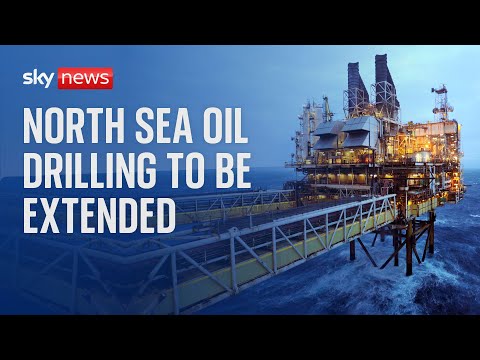
The North Sea drilling strategy is poised to undergo significant changes as the government reveals plans to lift restrictions on new oil and gas drilling in this vital region. In her upcoming Budget speech, Chancellor Rachel Reeves is set to outline a new approach that underscores the government’s commitment to enhancing the energy sector’s investment landscape. Expected changes include allowing new drilling activities tied to existing infrastructure, a move that aims to bolster production and optimize resource use. This shift comes amidst discussions around the controversial Rosebank oil field and ongoing debates about North Sea oil policy, including potential modifications to the windfall tax. With rising pressures to support the industry, this strategy marks a crucial turning point for the future of the North Sea’s oil and gas exploration.
The government’s initiative to revise its drilling regulations in the North Sea signifies a strategic pivot to stimulate domestic energy production. By easing constraints on extracting fossil fuels, stakeholders hope to optimize the region’s oil reserves and enhance overall efficiency in energy operations. The evolving North Sea resource management strategy reflects ongoing dialogues surrounding energy profits, specifically with regard to the contentious windfall taxation and investment incentives for operators. Additionally, the debates surrounding significant projects like the Rosebank field highlight the critical intersections of environmental policy and economic viability within the broader energy sector. As the focus shifts towards sustainable exploitation and infrastructure enhancement, industry players are keeping a close watch on potential impacts and benefits for future developments.
The North Sea Drilling Strategy Unveiled
The eagerly awaited North Sea drilling strategy is set to be unveiled, marking a significant shift in the UK government’s approach to oil and gas exploration. This strategic document aims to pave the way for new drilling opportunities under a relaxed moratorium, signaling a renewed focus on maximizing the potential of existing infrastructure. By categorizing new drilling sites as extensions of current fields, the government is not only aiming to stimulate economic growth but also to address the pressing energy demands of the country.
This initiative comes at a critical time when the energy sector is grappling with investment challenges, exacerbated by high taxation measures such as the windfall tax. The strategy seeks to balance environmental concerns with economic vitality, creating a pathway for investment that could revitalize local job markets and enhance energy production. Stakeholders in the oil and gas industry are watching closely, as this new policy could significantly alter the landscape of North Sea drilling.
Impact of Windfall Tax Changes on Energy Sector
The discussion around the potential phasing out of the 78% windfall tax is gaining momentum as the government prepares to announce its North Sea drilling strategy. Many industry leaders argue that the current windfall tax, which they deem punitive, has hampered investment in vital energy projects. Operators are facing a challenging environment, with many contemplating reallocating their investments to regions that offer more favorable tax incentives. This situation has led to a notable decrease in operational capacity and a concerning trend of job losses within the sector.
Changes to the windfall tax could remove a substantial barrier to investment and encourage renewed activity in the North Sea operations. The proposed ‘cap and floor’ mechanism, which would adjust tax levels corresponding to crude oil price fluctuations, may serve as a compromise between the government’s revenue needs and the industry’s viability. If successfully implemented, these reforms could provide a much-needed boost to energy sector investment, potentially rejuvenating job markets and stabilizing the economy.
Exploring the Controversy of the Rosebank Oil Field
The fate of the Rosebank oil field has been a source of contention within the UK. As the government prepares its North Sea drilling strategy, speculation abounds regarding its future amid ongoing regulatory discussions. Rising pressures from environmental advocacy groups and political opponents, such as Ed Miliband, have complicated the approval process for what is considered one of the largest undeveloped oil discoveries in the North Sea. Despite the government’s moves to ease restrictions, Rosebank remains ensnared in separate judicial reviews that could delay its development.
Proponents of the field argue that tapping into Rosebank’s resources could significantly bolster the UK’s energy security and economic stability. However, without a clear consensus on environmental protections and taxation reforms, the approval process may remain stagnant. The industry is hoping that the upcoming strategy will provide a clearer framework for moving forward with Rosebank and other critical projects, aligning economic interests with sustainable practices in oil and gas drilling.
The Importance of Tiebacks in North Sea Drilling
Tiebacks have emerged as a crucial strategy for expanding oil and gas drilling activities in the North Sea. This practice involves linking new drilling sites to existing infrastructure, allowing operators to maximize resources while minimizing environmental impact. The North Sea strategy aims to promote such ‘tie back’ developments, which can enhance operational efficiency and reduce costs associated with new field developments. This approach is especially pertinent for smaller fields that are geologically tied to established sites, facilitating smoother transitions into new exploration.
The introduction of tiebacks not only streamlines operations but also helps safeguard investments in the energy sector during uncertain economic times. With changing market dynamics and fluctuating oil prices, having the flexibility to utilize existing infrastructure reduces financial risks associated with opening entirely new sites. The government’s focus on promoting tiebacks in the new drilling strategy underscores its commitment to innovative solutions that can propel the industry forward while adhering to sustainability goals.
Energy Sector Investment: Challenges and Opportunities
Investment in the energy sector has experienced significant fluctuations in recent years, exacerbated by high taxation regimes like the windfall tax. As operators face increased costs and dwindling resources, many are reconsidering their investment strategies, particularly in regions that offer more attractive fiscal environments. The impending release of the North Sea drilling strategy could play a pivotal role in revitalizing investor confidence, potentially leading to much-needed capital inflows into oil and gas projects in the UK.
However, to foster a more favorable investment climate, the government must ensure that its fiscal policies do not deter growth. With countless jobs at stake, addressing industry demands for more reasonable tax measures becomes crucial. As part of this strategy, a clear roadmap for investment incentives coupled with supportive regulations could unlock significant opportunity in the North Sea, driving both economic recovery and energy production efficiency.
Regulatory Changes and their Implications for Oil Exploration
The regulatory landscape for oil and gas exploration in the North Sea is on the brink of transformation, with the anticipated relaxation of drilling restrictions. As the government outlines its new North Sea strategy, operators are eager to understand how these regulatory changes will impact their projects, particularly in light of the ongoing debates over environmental and economic considerations. Clearer guidelines for new drilling operations, especially those linked to existing infrastructures like tiebacks, are essential for encouraging long-term investments.
Moreover, the success of these regulatory adjustments will depend on how effectively they reconcile the competing interests of economic growth and environmental stewardship. The industry is hopeful that the upcoming document will provide comprehensive insights into the government’s vision for the future of oil and gas drilling, fostering an environment where both exploration and ecological preservation can thrive coexistently.
Creating a Sustainable Framework for Oil and Gas Production
As the UK government introduces its new North Sea drilling strategy, creating a sustainable framework for oil and gas production is more critical than ever. Balancing economic goals with ecological responsibilities requires a multifaceted approach that incorporates innovative technologies, stringent environmental assessments, and a commitment to reducing carbon footprints. This strategy not only aims to secure energy independence but also addresses climate change objectives by promoting sustainability within the energy sector.
By fostering an environment that encourages renewable energy investments alongside traditional oil and gas drilling, the government can lead by example in the global energy transition. The integration of sustainable practices into existing operations – such as utilizing waste reduction strategies and enhancing energy efficiency – will be pivotal as companies navigate the evolving energy landscape. Crafting a comprehensive and sustainable oil and gas production strategy will ultimately play a significant role in achieving the UK’s climate goals while ensuring energy security.
Political Dynamics Surrounding North Sea Exploration
The political climate surrounding North Sea exploration is charged, with ongoing debates about the role of fossil fuels in an era of increasing environmental awareness. As the government prepares to unveil its North Sea drilling strategy, it becomes imperative to navigate these political dynamics with care. While some parties advocate for aggressive exploration to bolster energy security and economic growth, others stress the need for a rapid transition to renewable energy sources to combat climate change.
Policy decisions on oil and gas drilling are thus under heightened scrutiny, with public opinion serving as a crucial factor in shaping the future of the industry. Engaging stakeholders, including local communities, environmental groups, and industry experts, is vital for creating a strategy that reflects diverse perspectives while pursuing a balanced energy policy. Understanding and addressing these political dynamics will be essential for the government to not only implement its North Sea strategy successfully but also to gain public support for its long-term energy goals.
Future of the Energy Landscape in the North Sea
The future of the energy landscape in the North Sea hinges on the effective implementation of the new drilling strategy alongside evolving industry demands. With investments in oil and gas at an all-time low, strategic initiatives that promote exploration while considering environmental impacts will be critical in shaping the region’s energy future. The continued emphasis on tiebacks and other innovative drilling methods could pave the way for efficient resource extraction, ensuring that the North Sea remains a pivotal player in the UK’s energy mix for years to come.
As the energy sector evolves, integrating new technologies and practices will be essential to address not only economic needs but also climate goals. Preparing for a diversified energy portfolio that includes both fossil fuels and renewable resources will be key to navigating future challenges. The upcoming strategy has the potential to redefine how the North Sea contributes to the UK’s energy security, balancing immediate economic imperatives with long-term sustainability objectives.
Frequently Asked Questions
What is the North Sea drilling strategy and how does it impact oil and gas drilling operations?
The North Sea drilling strategy is a government initiative aimed at easing restrictions on new oil and gas drilling in the North Sea. It allows for the extension of existing drilling operations into unlicensed areas, promoting investment in the energy sector while addressing efficiency and infrastructure utilization.
How will the changes to the North Sea oil policy affect the approval of the Rosebank oil field?
Changes to the North Sea oil policy may increase the likelihood of approving the Rosebank oil field by relaxing restrictions on new drilling. Although the field’s approval is under separate review, a general easing of regulations could facilitate future developments in this area.
What are the implications of windfall tax changes for North Sea drilling strategy?
Potential changes to the windfall tax, which is currently set at 78%, could significantly impact the North Sea drilling strategy by encouraging investment. The oil and gas industry is lobbying for alterations to the tax, arguing that it hinders investment and job retention within the sector.
How are tiebacks utilized in the North Sea drilling strategy?
Tiebacks are utilized in the North Sea drilling strategy to connect new drilling sites to existing infrastructure, thereby maximizing resource recovery while minimizing costs. This approach allows for the expansion of drilling operations into adjacent, accessible areas, notably for smaller or more remote extensions.
Why is energy sector investment crucial in light of the North Sea drilling strategy?
Energy sector investment is crucial under the North Sea drilling strategy as it aims to revitalize the industry amidst declining job numbers and investment rates. A more favorable drilling environment, including possible tax reforms, could enhance the attractiveness of the North Sea for domestic and foreign investors.
What role does the government play in shaping the North Sea oil policy and drilling regulations?
The government plays a central role in shaping North Sea oil policy by developing strategies that dictate drilling regulations, such as relaxing moratoriums on new drilling and considering the approval of significant projects like the Rosebank oil field. Policy decisions directly affect industry operations and investment viability.
What challenges does the North Sea drilling strategy face regarding job retention?
The North Sea drilling strategy faces significant challenges regarding job retention, as indicated by research showing a loss of approximately 1,000 jobs per month. These challenges must be addressed through effective policy changes that stimulate investments and support the oil and gas industry’s growth.
| Key Point | Details |
|---|---|
| Announcement Date | The North Sea Strategy will be unveiled on Wednesday during Chancellor Rachel Reeves’s Budget speech. |
| Moratorium Easing | The government plans to relax the moratorium on new oil and gas drilling, allowing new areas tied to existing infrastructure. |
| Rosebank Field | The review will not explicitly address the approval of the controversial Rosebank field, but the relaxation of rules may increase its likelihood of approval. |
| Tieback Concept | Tiebacks traditionally refer to small extensions into unlicensed areas linked to existing fields; Rosebank is larger and requires its infrastructure. |
| Windfall Tax Speculation | Speculation exists that the 78% windfall tax might be phased out, as the oil and gas industry seeks relief from this burden. |
| Industry Impact | Investment is at a low point, contributing to approximately 1,000 job losses per month in the industry. |
| Tax Concessions | Approval for tie-backs is expected to be void without tax concessions; a ‘cap and floor’ mechanism might be proposed by the government. |
Summary
The North Sea drilling strategy marks a significant shift in government policy regarding oil and gas drilling in the North Sea, signaling a relaxation of restrictions that could revitalize the industry. With key announcements expected to come during the Budget speech, this strategy aims to stimulate investment and potentially lead to job creation while navigating the complexities of existing taxation policies.

