
Listen to this article
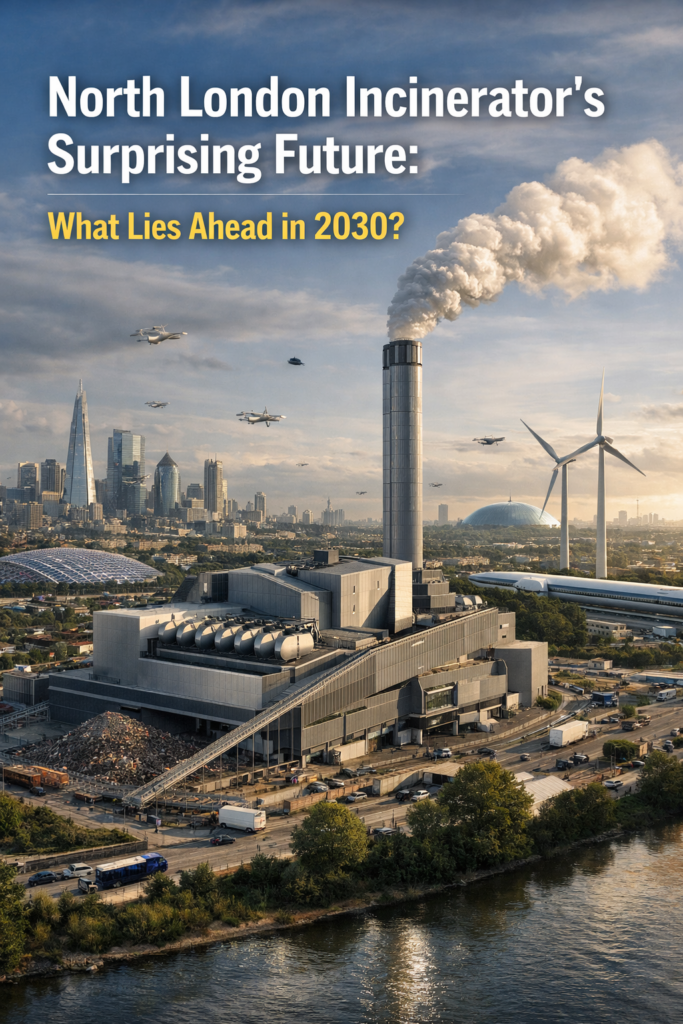
The North London incinerator, located within the Edmonton EcoPark, has become a pivotal facility for waste management in the region, yet it is now reported to be operating well past its design life. Managed by the North London Waste Authority (NLWA), this outdated energy facility will continue to serve the community until at least 2030, despite concerns over its mechanical and electrical infrastructure. Originally intended for replacement by 2027, progress on new waste disposal solutions has been stalled due to a multitude of factors, from geopolitics to rising construction costs. The council waste authority, composed of representatives from seven boroughs, remains committed to developing solutions that address North London’s waste disposal needs while managing the complexities of current economic challenges. As the community navigates these issues, the focus remains on transitioning to a more sustainable waste management system, bolstered by initiatives like the North London Heat and Power Project.
The incineration facility in North London, often referred to as an energy recovery plant, plays a crucial role in local waste disposal strategies. Situated at the Edmonton EcoPark, this aging infrastructure faces challenges as plans for a modern energy facility replacement have been hindered. The North London Waste Authority, tasked with overseeing waste management across several boroughs, is grappling with the realities of operating an outdated system while attempts are made to integrate more innovative recycling and energy generation solutions. Additionally, the ongoing economic turbulence has influenced project timelines and budgeting associated with the North London Heat and Power Project, making prudent decision-making essential for future developments. This situation highlights the pressing need for sustainable waste management approaches that not only serve the present but also pave the way for efficient waste disposal in North London.
The Importance of the North London Incinerator in Waste Management
The North London incinerator plays a critical role in waste management within the region, particularly for the seven boroughs governed by the North London Waste Authority (NLWA). Located at Edmonton EcoPark, this facility not only processes waste but also generates energy, significantly contributing to the local community’s energy needs. As urban populations in North London continue to rise, the reliance on the incinerator underscores the essential service it provides in managing waste disposal efficiently while reducing landfill usage.
However, its extended operation, now confirmed to last until at least 2030, raises concerns due to the facility being deemed “significantly past its design life.” This situation highlights the urgent need for an upgraded waste disposal North London strategy, ensuring both environmental sustainability and adherence to public safety standards. The delay in replacing the incinerator with a modern energy facility has cast a shadow on the NLWA’s capacity to respond adeptly to the region’s evolving waste management demands.
Challenges Faced in the Replacement of the Edmonton EcoPark Facility
The replacement of the North London incinerator has encountered numerous hurdles that have stalled progress on the Edmonton EcoPark redevelopment. Originally planned to go live in 2027, multiple external factors, including Brexit and the ongoing global issues like the war in Ukraine, have negatively impacted construction timelines and costs. The NLWA has cited these challenges as significant factors contributing to the project delays, creating uncertainties about the future capabilities of waste disposal in North London.
Additionally, rising interest rates have made obtaining necessary funding for construction materials a more daunting task, further complicating the project. This situation necessitates prudent management from local authorities to balance immediate waste management needs and long-term goals for a more sophisticated energy facility replacement. Councils involved in managing the NLWA must work collaboratively to navigate these challenges and expedite the development process to meet future waste management requirements effectively.
Community Feedback on Edmonton EcoPark Operations
Feedback from the community regarding the Edmonton EcoPark’s operations has been mixed, with the NLWA receiving 22 complaints over a three-month period. Concerns primarily centered on traffic congestion, long queues, and unclear booking requirements, indicating that while the facility functions as the region’s waste management hub, there are operational challenges that affect user experience. These complaints underline the need for improved communication and operational efficiency at the site.
On a positive note, the NLWA also garnered around 40 compliments from users, praising the friendliness and helpfulness of the staff, along with the cleanliness and organization of the facility. This feedback showcases the dedication of personnel at Edmonton EcoPark and the importance of maintaining a positive relationship with the community that relies on their services. Balancing these contrasting views will be crucial for the NLWA as it moves forward with plans for the new energy facility and overall waste management strategy.
Financial Implications of the North London Heat and Power Project
The North London Heat and Power Project has seen its budget increase from £1.2 billion to £1.5 billion, a reflection of the complexities involved in transitioning to more sustainable waste management and energy production methods. Funding from the Heat Networks Investment Project is aimed to support the growth of energy efficiency initiatives within the region and has become increasingly crucial in light of rising construction costs. The increased investment highlights the commitment of the NLWA to not only resolve current waste disposal challenges but also to innovate for future sustainability.
However, the postponement of connecting heat from the existing incinerator to the local grid signals a cautious approach amid economic uncertainties. Local authorities must carefully negotiate financial resources while ensuring that plans remain aligned with environmental objectives. This balancing act is pivotal, not just for the current project, but for setting a precedent for future waste management initiatives across North London.
The Role of Councillors in the North London Waste Authority
Councillors from various boroughs such as Barnet, Camden, Enfield, and others play a significant role in guiding decisions related to the North London Waste Authority. Their input is crucial in ensuring that the needs of their respective communities are met while addressing the broader challenges associated with waste management. As elected officials, they have the responsibility to advocate for effective and sustainable practices in waste disposal in North London, ensuring that resources are allocated efficiently.
Moreover, as representatives overseeing the Edmonton EcoPark and the ongoing projects, these councillors are tasked with the complex job of balancing local concerns and procurement of necessary infrastructures. The recent emphasis on ensuring construction continues, despite setbacks, reflects their commitment to transparency and the accountability of public service, reinforcing the importance of community engagement in local governance.
Innovations in Waste Management at Edmonton EcoPark
Innovations are crucial in the evolution of waste management processes at Edmonton EcoPark, as the North London incinerator shifts toward more advanced technology solutions. The redevelopment plans for the new energy facility encompass cutting-edge waste-to-energy technologies aimed at enhancing efficiency and reducing environmental impact. These innovations promise not only to optimize waste disposal but also significantly improve the sustainability of energy production.
The focus on innovative practices is aligned with the broader goals of the NLWA to create a comprehensive waste disposal network that meets the demands of North London. By integrating advanced systems, the Edmonton EcoPark can bolster its capacity to handle increasing waste volumes while minimizing its carbon footprint, thus promoting an eco-friendly approach to urban waste management.
The Impact of Local Politics on Waste Management Strategy
Local politics play a pivotal role in shaping the waste management strategy in North London, particularly in how projects like the Edmonton EcoPark are implemented. Decisions made by the NLWA’s governing councils directly affect how waste is managed at the incinerator and the long-term plans for replacement facilities. The cooperation among councillors from diverse boroughs is essential to navigating the political landscape that influences funding and public support.
Additionally, the challenges faced by the current waste disposal system reflect wider political negotiations, including budget allocations and community priorities. As local political landscapes shift, the focus on sustainable waste management practices must remain a key priority, ensuring that residents’ interests are upheld and supported through appropriate legislation and community initiatives.
Environmental Considerations in the Replacement of the Incinerator
Environmental concerns play a significant role in the planning process for the replacement of the North London incinerator. As public awareness of ecological issues grows, the NLWA has a responsibility to ensure that any new facilities not only meet but exceed current sustainability standards. This includes implementing advanced emission controls and utilizing renewable energy sources to minimize the environmental impact of waste processing.
Moreover, community input regarding potential environmental ramifications is crucial to shaping responsible designs for the new energy facility. By fostering transparency and collaboration with local residents, the NLWA can work towards an environmentally-friendly direction, enhancing the overall credibility and acceptance of the project within the broader context of North London’s waste management initiatives.
Future Outlook for North London Waste Management
The future of waste management in North London hinges on the successful completion of ongoing projects and the timely replacement of the outdated incinerator at Edmonton EcoPark. With an ever-increasing population and rising waste generation, adapting to innovative technologies and efficient waste disposal systems will be paramount in addressing future challenges. The NLWA’s commitment to developing a new energy facility promises to revitalize how waste is managed, ushering in a new age of sustainability in the region.
Looking ahead, collaboration among local authorities, community members, and environmental organizations will be essential. By leveraging shared resources and knowledge, North London’s councils can pave the way for a comprehensive waste management framework that prioritizes environmental stewardship while meeting the growing demands of the population. The evolution from traditional waste disposal methods to more holistic approaches signifies a critical shift in how communities interact with waste and energy in the years to come.
Frequently Asked Questions
What is the current status of the North London incinerator at Edmonton EcoPark?
The North London incinerator at Edmonton EcoPark, which is significantly past its design life, is set to remain operational until at least 2030. The North London Waste Authority (NLWA) has confirmed that despite plans for a replacement energy facility, progress has been slowed down due to various issues, and a clear timeline for the new facility is not presently available.
Why has the replacement for the North London incinerator been delayed?
The replacement for the North London incinerator has been delayed due to multiple factors, including local challenges, Brexit, the war in Ukraine, and high interest rates that affect the costs of construction materials. As a result, the initial timeline for the new energy facility’s operation, originally set for 2027, is now uncertain.
What role does the North London Waste Authority play in waste disposal?
The North London Waste Authority (NLWA) oversees waste management and disposal for seven boroughs in North London, including Barnet, Camden, Enfield, Hackney, Haringey, Islington, and Waltham Forest. The NLWA manages the operations at Edmonton EcoPark and is also responsible for the ongoing North London Heat and Power Project.
How are complaints about the Edmonton EcoPark being handled?
Between July and September, the North London Waste Authority received 22 complaints regarding the Edmonton EcoPark, primarily about traffic congestion and booking procedures. However, significant positive feedback has also been documented, highlighting the helpfulness of staff and the organization of the facilities, indicating that while some issues exist, overall visitor experience remains largely positive.
What is the budget for the North London Heat and Power Project?
The total budget for the North London Heat and Power Project, which includes the current North London incinerator and new recycling facilities at Edmonton EcoPark, has increased from £1.2 billion to £1.5 billion. This financial plan is part of a larger government initiative aimed at enhancing district heat networks across England and Wales.
What benefits does the North London incinerator provide?
The North London incinerator at Edmonton EcoPark plays a crucial role in waste management by converting waste into energy. It helps reduce landfill use while generating power for North London. This facility is part of a broader waste disposal strategy by the North London Waste Authority, aiming to provide sustainable waste management solutions for the region.
Will the Edmonton EcoPark have new recycling facilities in the future?
Yes, as part of the North London Heat and Power Project, new recycling facilities are planned to be developed at Edmonton EcoPark. These facilities are intended to complement the existing incinerator and improve overall waste management and recycling capabilities in North London.
What environmental concerns are associated with the North London incinerator?
Environmental concerns regarding the North London incinerator mainly stem from its outdated infrastructure and operational longevity, leading to potential inefficiencies and emissions issues. The NLWA is actively working on transitioning to a new energy facility to address these concerns and enhance sustainable waste management in the region.
How does the local council influence the North London incinerator operations?
The local councils in North London, including Barnet, Camden, and Enfield, influence the operations of the North London incinerator through their representation in the North London Waste Authority (NLWA). Decisions regarding the incinerator’s management, waste disposal policies, and future developments are driven by council policies and community needs.
What is the public perception of the North London incinerator operations?
Public perception of the North London incinerator operations at Edmonton EcoPark is mixed. While there are complaints regarding logistics and traffic, many visitors have expressed satisfaction with the site’s cleanliness and staff assistance. Continuous engagement and responsiveness to community feedback appear crucial for maintaining public trust.
| Key Points |
|---|
| The North London incinerator, located at Edmonton EcoPark, is operating beyond its design life and will continue to do so until at least 2030. |
| The North London Waste Authority (NLWA) oversees the incinerator and is composed of councillors from several boroughs, including Barnet and Hackney. |
| A new energy facility was initially scheduled for operation in 2027, but construction plans have been delayed due to various global issues. |
| Increased project costs have risen from £1.2 billion to £1.5 billion, with part of the funding coming from a government initiative. |
| Top councillors from Haringey have postponed heat piping plans due to economic turbulence. |
| The authority has received complaints about traffic congestion and inconsistent operations, but also numerous compliments about staff and site organization. |
Summary
The North London incinerator, located at Edmonton EcoPark, is set to remain operational significantly beyond its design life until at least 2030. Despite delays in the replacement facility, the North London Waste Authority continues to manage waste disposal in the area. Adjustments to project budgets and ongoing construction indicate a responsive approach to the challenges posed by global events. Community feedback reveals a mixed reception, but the commitment to maintaining service quality prevails.