Listen to this article
A no confidence vote is looming over Scotland’s Justice Secretary, Angela Constance, as controversy escalates regarding her handling of the grooming gangs issue. This event highlights significant tensions within the Scottish Parliament, as opposition parties accuse Constance of misrepresenting expert opinions on child sexual exploitation. Critics, including Scottish Labour and the Conservatives, claim that her failure to address these concerns effectively has undermined trust, especially among survivors of abuse. The calls for her resignation demonstrate not only a political strife but also a deep concern for the welfare of vulnerable children in Scotland. As the debate unfolds, the implications of this vote could reverberate through the corridors of power, redefining accountability in government as it pertains to critical issues like child safety.
As tensions rise in the Scottish political arena, the impending motion of no confidence against Justice Secretary Angela Constance underscores the serious ramifications of her recent decisions. The fallout from allegations regarding grooming gangs has intensified scrutiny on how effectively the government tackles child sexual exploitation. With accusations of miscommunication and potential breaches of the ministerial code, this political crisis transcends mere party lines, engaging the public and survivors seeking justice. The calls for an inquiry into such pressing issues reveal broader societal demands for transparency and accountability. Consequently, this moment may mark a pivotal point in Scottish politics, igniting discussions on governance and the protection of children.
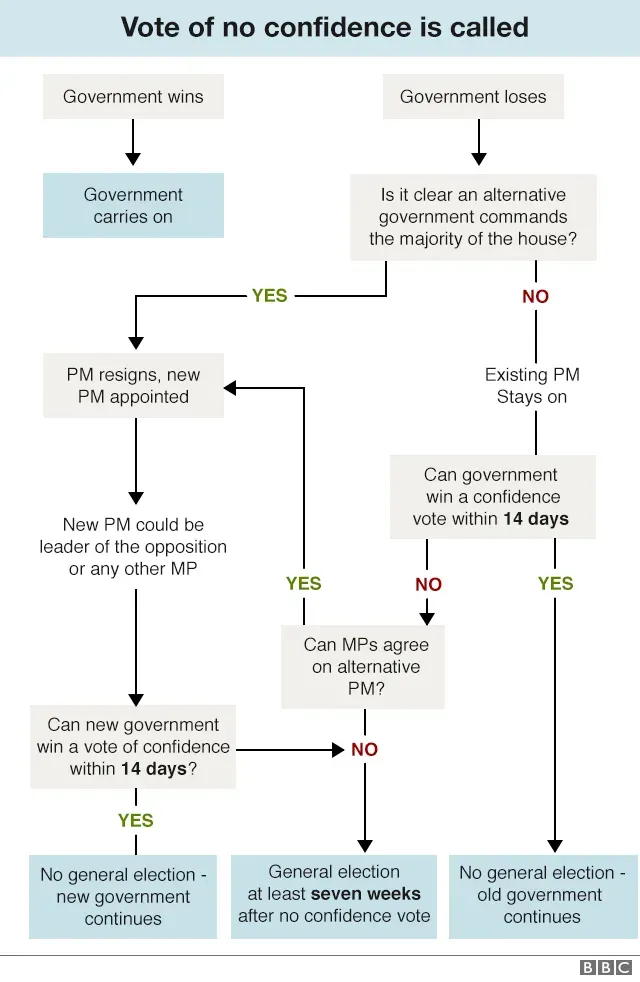
The No Confidence Vote Explained
The no confidence vote targeting Scotland’s Justice Secretary, Angela Constance, represents a significant political maneuver amidst growing concerns over the handling of grooming gangs in Scotland. As opposition parties including the Conservatives and Scottish Labour press their case, the vote serves as an accountability mechanism in the Scottish Parliament. It highlights the perceived failures of Constance to adequately address the serious issue of child sexual exploitation and clarify her stance on the advice given by expert Professor Alexis Jay.
This vote is not merely a question of political allegiance but carries potentially grave implications for the governance of Scotland’s justice system. If Constance is unable to retain the confidence of parliament, it may necessitate her resignation, thrusting the laborious discourse surrounding child exploitation further into the spotlight. The political ramifications of this vote extend beyond party lines, influencing the public perception of government integrity and responsiveness, particularly in cases involving victims of sexual exploitation.
Political Backlash Against Angela Constance
The backlash against Angela Constance reflects a deep-seated frustration with how authorities respond to grooming gangs. Critics argue that her misrepresentation of Professor Jay’s views undermines the credibility of the Scottish Parliament and diminishes trust among survivors of child sexual exploitation. Voices from within the opposition, such as Scottish Labour and the Conservatives, express that her inability to effectively navigate this crisis is indicative of her overall competence as Justice Secretary.
Furthermore, the opposition’s calls for Constance to step down demonstrate a strategic attempt to leverage public sentiment surrounding child protection issues. The framing of this scandal as a high-stakes failure of leadership questions the government’s commitment to addressing critical social issues. As the voting session approaches, the political climate grows increasingly charged, with both parties eager to position themselves as champions for victims of grooming gangs.
Expert Opinions on Grooming Gangs
In the heart of the controversy surrounding Angela Constance’s statements lies the expert opinion of Professor Alexis Jay, who has been pivotal in shaping the narrative on grooming gangs in Scotland. Her research and recommendations serve as a crucial foundation for addressing child sexual exploitation, and any misinterpretation of her views can lead to significant political fallout. Constance’s statements regarding Jay’s support for inquiries have come under scrutiny, emphasizing the importance of clarity and accountability in public office.
Professor Jay’s call for action and reliable data collection around grooming gangs reinforces the need for immediate policy responses. The discourse surrounding her findings is critical not only for the ongoing debates in Holyrood but also for ensuring that the voices of victims are prioritized in governmental decisions. The forthcoming questioning by the education committee will grant all parties an opportunity to engage deeply with these issues and may shape future policy directions.
The Role of Scottish Labour in the Controversy
Scottish Labour’s strategy to pursue a motion of no confidence against Angela Constance illustrates their commitment to holding the government accountable for its handling of grooming gangs. By actively engaging in this political controversy, Labour aims to position itself as a defender of vulnerable children and survivors of child sexual exploitation. Their determination to gather support from other party lines, such as the Liberal Democrats, reflects a broader strategy to unify opposition against perceived governmental failings.
Moreover, Labour’s efforts to amplify voices like Taylor’s, an alleged victim of grooming gangs, highlight their intention to shed light on the systemic issues surrounding child abuse. By advocating for thorough investigations and public inquiries, Labour seeks to ensure that justice and transparency are not sacrificed in political discourse. This approach not only strengthens their political platform but also serves as a reminder of the human impact behind the statistics of exploitation.
Grooming Gangs and Government Accountability
The issues related to grooming gangs call for unwavering government accountability, particularly at the level of Scotland’s Justice Secretary. Angela Constance’s handling of the situation has raised significant concerns regarding whether the government acknowledges and effectively addresses the complexities of child sexual exploitation. Critics argue that a lack of clear communication and decisive action creates an environment where survivors feel neglected and unprotected.
As the public and political scrutiny intensifies, the expectation is that the government will engage proactively in addressing the nuances of grooming gang operations. Clear policies grounded in expert insights will not only serve to empower survivors but also to instill confidence in the justice system. The outcome for Constance may hinge on her capacity to respond to these challenges adequately and to demonstrate a commitment to meaningful reform.
Public Response to the Controversy
Public reaction to the controversy surrounding Angela Constance has been vociferous, reflecting widespread concern over the handling of grooming gangs and child sexual exploitation issues. Many community groups and advocates have criticized the government’s perceived inaction, demanding transparency and accountability. The potential no confidence vote has galvanized public interest, with citizens keenly observing how their elected representatives will respond to this pressing social issue.
Moreover, social media platforms have become a battleground for discussions surrounding this issue, with hashtags related to grooming gangs trending as citizens voice their opinions. The interplay between public sentiment and political action underscores the significant role that constituents play in shaping legislative agendas. As the date of the no confidence vote approaches, the combination of public outcry and political maneuvering will be crucial in determining the outcome.
The Future of Child Sexual Exploitation Policies
The current discourse surrounding grooming gangs and the actions of Angela Constance highlights the pressing need for comprehensive policies to combat child sexual exploitation in Scotland. As the discourse progresses, there is an urgent call for the Scottish government to reevaluate its approach and develop robust mechanisms for addressing these heinous crimes. This will require not only legislative changes but also the allocation of resources towards victim support and preventive measures.
The outcome of the no confidence vote may open pathways for reform, especially if public and political pressure continues to mount. Both the government and opposition parties have a responsibility to collaborate on ambitious solutions that prioritize the welfare of vulnerable children. An overarching strategy that includes expert recommendations and insights will be vital in effectively tackling the challenges posed by grooming gangs.
The Importance of Parliamentary Transparency
Parliamentary transparency emerges as a crucial factor in the ongoing debate regarding Angela Constance and grooming gangs. The recent controversies highlight the need for clear communication between government officials and constituents. Transparency in discussions related to child sexual exploitation not only fosters trust but also encourages public engagement in the political process, creating a more informed electorate.
Furthermore, maintaining a standard of integrity in parliamentary representation is essential for holding public officials accountable. As opposition parties emphasize the significance of reliable data and expert opinions, it becomes increasingly important for the government to ensure that its communication accurately reflects the views of experts. This commitment to transparency will be pivotal in restoring faith in the government’s handling of sensitive issues, especially those impacting children.
Responses from the First Minister’s Office
The response from the First Minister’s office regarding the controversy surrounding Angela Constance reflects a strategic attempt to maintain party unity in the face of a potential no confidence vote. By showing unwavering support for Constance, the government aims to project strength and stability despite the mounting opposition. This approach also attempts to deflect the narrative from personal accountability to a broader discussion on the issue of child exploitation and the necessity of urgent governmental responses.
Additionally, the First Minister’s defense of Constance emphasizes a prioritization of party loyalty over potential fallout from public scrutiny. Critics argue that this approach may inadvertently minimize the voices of survivors who feel neglected and betrayed by their elected officials. As the parliamentary debate unfolds, the reactions from government officials could significantly impact public perception and the ongoing dialogue surrounding grooming gangs and child sexual exploitation.
Frequently Asked Questions
What is a no confidence vote in relation to Angela Constance and grooming gangs?
A no confidence vote is a parliamentary procedure that allows members to express their lack of confidence in a government official. In the case of Scotland’s Justice Secretary Angela Constance, opposition parties are initiating a no confidence vote due to her handling of allegations regarding grooming gangs and her perceived misrepresentation of expert opinions on child sexual exploitation.
How did the no confidence vote originate regarding Angela Constance’s statements on grooming gangs?
The no confidence vote against Justice Secretary Angela Constance originated from accusations that she misrepresented Professor Alexis Jay’s position on grooming gangs during a parliamentary session. Her statement led opposition parties, including Scottish Labour and the Conservatives, to argue that her credibility was compromised, prompting the motion for a no confidence vote.
What impact could a no confidence vote have on child sexual exploitation policies in Scotland?
A no confidence vote against Angela Constance could have significant implications for child sexual exploitation policies in Scotland. If Constance is removed from her position, it may lead to shifts in leadership and focus on addressing grooming gangs effectively. Opposition parties hope that a change in Justice Secretary can enhance public trust and prompt a more robust strategy in tackling child sexual exploitation.
What key issues are surrounding the no confidence vote related to grooming gangs?
Key issues surrounding the no confidence vote include allegations that Angela Constance misled the Scottish Parliament regarding expert views on grooming gangs, the erosion of trust among victims, and the ongoing calls for a public inquiry into child sexual exploitation in Scotland, which ministers have resisted.
What are the arguments presented by Scottish Labour in the no confidence vote against Angela Constance?
Scottish Labour argues that Angela Constance has lost the trust of victims of grooming gangs and has misled parliament on critical issues of child sexual exploitation. They contend that her position is untenable and that supporting her would imply a tolerance for dishonesty within the government ranks.
How are opponents framing the no confidence vote in terms of ministerial accountability?
Opponents of Angela Constance are framing the no confidence vote as a necessary action to uphold ministerial accountability. They claim her actions represent a breach of the ministerial code due to not correcting her misstatement regarding expert opinions on grooming gangs, emphasizing that government officials must adhere to standards of honesty and transparency.
What role does public support play in Angela Constance’s expected survival of the no confidence vote on grooming gangs?
Public support, particularly from the First Minister and cabinet colleagues, plays a crucial role in Angela Constance’s expected survival of the no confidence vote. Despite criticisms, her backing suggests a level of confidence within the government to navigate the controversy surrounding grooming gangs and child sexual exploitation without necessitating her resignation.
What future implications could arise if a no confidence vote succeeds against Angela Constance regarding grooming gangs?
If the no confidence vote succeeds against Angela Constance, it could lead to a reshuffle in the Scottish government, potentially resulting in new leadership focused on reforming policies related to grooming gangs and child sexual exploitation. This shift could impact government strategies, priorities, and public trust in how these sensitive issues are managed.
| Key Points | Details |
|---|---|
| Angela Constance faces no confidence vote | Scotland’s Justice Secretary Angela Constance is set to face a vote of no confidence due to alleged misrepresentations regarding expert opinions on grooming gangs. |
| Criticism from opposition | Opposition parties (Conservatives and Labour) accuse her of misleading parliament and survivors of grooming gangs. Calls for her resignation have intensified. |
| Professor Alexis Jay’s statement | Emails reveal Professor Jay disagreed with Constance’s characterization of her views and suggested more data collection on the issue. |
| Support from Scottish government | Despite facing backlash, Constance has support from First Minister John Swinney and cabinet colleagues, rejecting claims of breaching the ministerial code. |
| Public Inquiry Resistance | The Scottish government resists calls for a public inquiry into grooming gangs, arguing current evidence does not warrant it. |
| Future Scrutiny | Constance’s handling of the issue will be under investigation, and a committee meeting will allow for direct questioning of both Constance and Professor Jay. |
Summary
The no confidence vote facing Justice Secretary Angela Constance highlights significant concerns regarding her management of the grooming gangs controversy and her alleged misrepresentation of expert opinions. As opposition leaders demand accountability, the implications extend beyond her position, emphasizing the critical need for transparent handling of child exploitation issues. Ultimately, this situation raises questions about ministerial integrity and the responsibilities of public officials in advocating for vulnerable communities.