Listen to this article
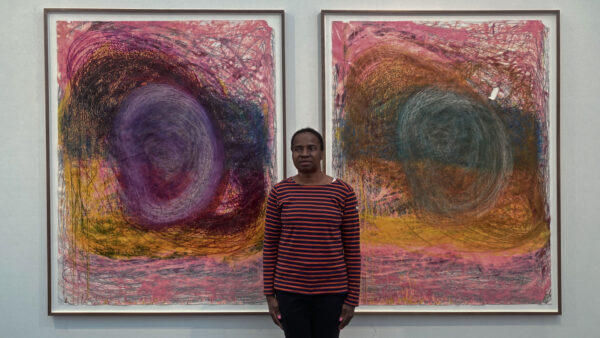
Nnena Kalu Turner Prize has made headlines as the latest recipient of the Turner Prize 2023, celebrated as the UK’s premier art accolade. With her groundbreaking achievement, Kalu becomes the first artist with a learning disability to claim this prestigious award, highlighting a significant step forward for inclusivity in the art world. Her unique style, characterized by vibrant sculptures and intricate drawings, makes a powerful statement about the role of neurodiverse artists in contemporary art. Critics have described Kalu’s work as “bold and compelling”, merging everyday materials like ribbon, string, and VHS tape into expressive forms that challenge traditional artistic norms. This historic win not only showcases Kalu’s immense talent but also encourages conversations around learning disability in art, paving the way for future UK art awards to recognize diverse perspectives.
The exceptional achievement of Nnena Kalu Turner Prize resonates well beyond the art community, marking a transformative milestone in the representation of differently abled artists. As a prominent figure in the UK art scene, Kalu’s work bridges the gap between disability and creativity, inviting audiences to revisit their perceptions of traditional artistry. This year’s Turner Prize celebrates diversity and originality in artistic expression, as seen with Kalu at the forefront, advocating for neurodiverse individuals. Her sculptures and drawings stand testament to the importance of inclusion and accessibility in art spaces. As the conversation around learning disabilities in creative fields expands, Kalu’s recognition underscores the vital need for ongoing support and visibility for all artists.
Celebrating Nnena Kalu’s Historic Turner Prize Win
Nnena Kalu’s groundbreaking achievement in winning the 2023 Turner Prize represents a monumental step for artists with learning disabilities. As the first winner with a learning disability, Kalu has shattered a significant barrier within the UK art scene, gaining recognition for her innovative sculptures and drawings. This accolade not only highlights her individual talent, but also serves as a beacon of hope and inspiration for other neurodiverse artists facing similar challenges in their artistic journeys.
The Turner Prize, known for elevating contemporary art and challenging perceptions, has once again proven its relevance. The judges’ decision to award Kalu underscores the importance of diverse perspectives in the creative community. Art critics and audiences are compelled to appreciate the rich tapestry of expressions that artists like Kalu bring, reinforcing the idea that artistry knows no bounds. This win is a testament to the power of perseverance and a calling for inclusivity within the art world.
The Impact of Recognition on Neurodiverse Artists
Nnena Kalu’s recognition at the Turner Prize embodies a deeper conversation about the representation of neurodiverse artists in the creative industry. For many years, artists with learning disabilities have struggled for visibility and acceptance, their voices often marginalized in traditional settings. Kalu’s triumph signals a shift in how society perceives these artists, championing the belief that their unique experiences contribute invaluable insights to the world of art.
This moment in history catalyzes important conversations around accessibility and inclusivity in the arts. Organizations like Action Space play a critical role in supporting artists like Kalu, helping them navigate the complex landscape of the art world. As more platforms recognize the brilliance and originality of neurodiverse talent, the conversation surrounding learning disabilities in art evolves, allowing for a more enriched and diverse cultural narrative that speaks to the collective human experience.
Kalu’s Unique Artistic Style and Materials
Nnena Kalu’s artistic style is characterized by her striking use of unconventional materials, such as vibrant ribbons, string, and shiny VHS tapes. This eclectic mixture not only defines her signature aesthetic but also fortifies the emotional depth inherent in her artwork. Through these materials, Kalu invites viewers to engage with her pieces on a sensory level, thereby transforming the viewing experience into a three-dimensional exploration of color and form.
Kalu’s artistic approach echoes elements of abstract expressionism, where the emotional engagement of the viewer becomes central. Her vibrant sculptures and swirling drawings create a dynamic presence that interacts with the space around them. As Kalu continues to innovate and experiment with materials, she reinforces the notion that art is not merely about visual appeal, but rather an intricate dance between expression, materiality, and audience interaction.
The Role of the Turner Prize in Modern Art
Since its establishment in 1984, the Turner Prize has served as a pivotal platform for contemporary artists to showcase their works and philosophies. While it has often been a source of controversy, the award has undeniably pushed the boundaries of artistic expression and provoked dialogue around what constitutes ‘art’ in society. Kalu’s win this year re-establishes the Turner Prize not only as a barometer of contemporary trends but also as an advocate for inclusivity and diversity in artistic representation.
The Turner Prize continues to influence the UK art awards landscape, shaping public perception of contemporary art and its creators. By celebrating artists from varied backgrounds, such as Kalu, the Prize fosters a broader appreciation of diverse artistic practices, encouraging audiences to engage with ideas that challenge traditional norms. This evolution in the Turner Prize reflects society’s growing acknowledgment of the value present in neurodiversity and its impact on art.
Challenges Faced by Artists with Learning Disabilities
The journey for artists with learning disabilities is fraught with challenges that often inhibit their creative expression. Many face systemic barriers in the art world, including a lack of representation, funding, and support tailored to their unique needs. Despite these challenges, talented individuals like Nnena Kalu emerge, showcasing resilience and talent that demands recognition, yet the structural inequalities remain prevalent.
Advocacy for neurodiverse artists has never been more essential as conversations surrounding learning disabilities in the arts begin to gain momentum. Initiatives by organizations and community leaders are critical in ensuring that these artists have the necessary resources and opportunities to thrive. By amplifying their voices, the art community can dismantle the barriers that restrict access and create a more inclusive environment for all.
The Emotional Significance of Kalu’s Achievement
Nnena Kalu’s historic recognition at the Turner Prize resonates deeply within the art community, symbolizing hope and the potential for change. This achievement is not just Kalu’s alone; it reflects the broader struggle for equality among those with learning disabilities. Her emotional acceptance speech, paired with support from colleagues like Charlotte Hollinshead, underscores the importance of solidarity and the power of community in achieving recognition.
This moment of triumph reinvigorates the dialogue around neurodiversity in the arts, highlighting the need for emotional narratives that often go unnoticed. Kalu’s story is a powerful reminder that behind every artwork lies an artist with unique challenges and experiences. Celebrating her success inspires other differently abled individuals to pursue their passions in art, fueling a collective movement towards visibility and respect.
Future Implications for Neurodiverse Artists
Kalu’s Turner Prize win sets a precedent for future artists with learning disabilities, suggesting a shift towards greater inclusivity in the art world. As more institutions and organizations recognize the importance of varied perspectives, we may witness an increase in opportunities for neurodiverse artists. This change could lead to an era of innovative artistic expression that draws from a wealth of experiences across audiences.
Furthermore, Kalu’s recognition may inspire galleries and curators to actively seek out neurodiverse talents, enriching the cultural landscape with diverse narratives. Such a shift can create a ripple effect, encouraging other award platforms to embrace inclusivity, thereby fostering a welcoming environment for all artists to explore their creativity freely. In this landscape, Kalu’s achievement becomes more than a personal victory; it is a catalyst for change in the arts community.
Exploring the Art of Nnena Kalu
Diving into Nnena Kalu’s artistic repertoire reveals a world intricately woven with emotional depth and personal narrative. Her sculptures, adorned with everyday materials, tell stories that resonate with both individual and collective experiences, bridging gaps between viewers and the art itself. The vibrant colors and chaotic composition embody the raw energy of life, making her pieces not just visually stimulating but also profoundly relatable.
Kalu’s work challenges conventional artistic boundaries, inviting viewers to reflect on their perceptions of beauty and meaning. Each piece encourages a dialogue about the intersection of disability and artistry, urging audiences to appreciate the creativity that emerges from diverse backgrounds. Through her exploration of abstract forms and tactile materials, Kalu fosters connections that disrupt standard artistic classifications, establishing her as a powerful voice in contemporary art.
Understanding the Influence of Learning Disabilities on Art
Learning disabilities can profoundly shape the artistic process, providing unique lenses through which artists perceive the world. For Nnena Kalu and many artists like her, these conditions influence their creative expression, often resulting in innovative approaches to art-making that challenge norms. This unique perspective adds richness to their work, providing fresh insights and experiences that are vital to the cultural dialogue.
Recognizing the impact of learning disabilities on art not only empowers artists but also educates audiences about the diversity of artistic experiences. It dispels myths and encourages a broader understanding of what creativity entails, celebrating the beauty of difference. As the art community embraces these narratives, it paves the way for a more inclusive future, ensuring that everyone’s voice finds its place in the artistic tapestry.
Frequently Asked Questions
What does winning the Nnena Kalu Turner Prize signify for neurodiverse artists?
Winning the Nnena Kalu Turner Prize marks a historic moment for neurodiverse artists, as Kalu is the first artist with a learning disability to receive this prestigious award. It highlights the importance of inclusivity in the art world and represents a significant step towards breaking down barriers for differently abled artists.
How did Nnena Kalu’s artistic journey lead to her winning the Turner Prize 2023?
Nnena Kalu’s artistic journey included years of dedication and hard work, particularly as a resident artist with Action Space. Her unique sculptures and drawings, characterized by vibrant materials and abstract forms, captured the attention of the judges, ultimately leading to her recognition as the winner of the Turner Prize 2023.
What materials did Nnena Kalu use in her award-winning sculptures and drawings?
Nnena Kalu’s award-winning sculptures feature a mix of materials, including shiny VHS tape, ribbon, string, and card. This eclectic use of materials enhances the texture and visual richness of her art, contributing to her success in the Turner Prize.
What impact does Nnena Kalu’s win have on the perception of learning disabilities in art?
Nnena Kalu’s win at the Turner Prize challenges stereotypes and raises awareness about learning disabilities in art. It promotes the idea that creativity transcends traditional norms, encouraging greater acceptance and support for neurodiverse artists in the UK art scene.
Who are the other nominees for the Turner Prize 2023 alongside Nnena Kalu?
Alongside Nnena Kalu, the Turner Prize 2023 nominees included Rene Matić, Zadie Xa, and Mohammed Sami, each of whom received £10,000. Their diverse artistic expressions also contributed to the competition, showcasing a broad spectrum of talent within the contemporary UK art awards.
What was the significance of Charlotte Hollinshead’s role in Nnena Kalu’s success?
Charlotte Hollinshead, Kalu’s studio manager and artistic facilitator, played a crucial role in nurturing Kalu’s talent over the past 25 years. Her comments during the ceremony underscored the emotional significance of Kalu’s win and highlighted the struggles faced by neurodiverse artists.
Where can one view the works of Nnena Kalu and the other nominees from the Turner Prize 2023?
The works of Nnena Kalu and the other nominees for the Turner Prize 2023 are currently on display at the Cartwright Hall gallery in Bradford. The exhibition is set to run until February 22, 2026, allowing audiences to engage with the diverse artistic expressions on display.
What historical context does the Turner Prize represent within the UK art awards?
Established in 1984, the Turner Prize is one of the UK’s most respected art awards, known for its controversial selections and noteworthy winners. Nnena Kalu’s recognition as the first artist with a learning disability to win the prize adds a groundbreaking chapter to its history, emphasizing the evolving dynamics in the art community.
What reaction did the judges have regarding Nnena Kalu’s art style during the Turner Prize selection?
The judges acknowledged that Nnena Kalu’s art elicited mixed opinions among critics but praised its originality. They emphasized that her vibrant use of materials and engaging, gestural forms made her work deserving of the Turner Prize recognition.
How does Nnena Kalu’s Turner Prize win influence future opportunities for neurodiverse artists?
Nnena Kalu’s Turner Prize win serves as a powerful source of inspiration for neurodiverse artists, potentially opening doors for more inclusive practices within the art community, fostering opportunities for visibility, and encouraging recognition of the diverse talents of differently abled artists.
| Key Point | Details |
|---|---|
| Winner of This Year’s Turner Prize | Nnena Kalu has made history as the first artist with a learning disability to win the prestigious award. |
| Recognition of Artwork | Her works include vibrant sculptures wrapped in various materials and drawings with abstract shapes. |
| Impact Statement from Charlotte Hollinshead | Hollinshead highlighted the importance of this win, describing it as a seismic moment that breaks the glass ceiling for differently-abled artists. |
| Artist’s Background | Kalu, 59, is an autistic artist with a learning disability and has been recognized for her art through Action Space. |
| Judges’ Comments | The judges praised Kalu’s originality and material use, affirming the merit-based selection process. |
| Exhibition Location | Works of all shortlisted artists are on display at Cartwright Hall gallery in Bradford until 22 February 2026. |
| Turner Prize Legacy | Established in 1984, the Turner Prize has recognized numerous controversial contemporary artists. |
| Financial Award | Kalu won a £25,000 prize, while other nominees each received £10,000. |
Summary
The Nnena Kalu Turner Prize has marked a pivotal moment in the art world, as Nnena Kalu, the first artist with a learning disability, claims this esteemed award. Celebrated for her striking sculptures and innovative use of materials, Kalu’s work not only captivates but also challenges perceptions surrounding neurodiversity in art. This recognition illuminates the path for differently-abled artists, encouraging a more inclusive and diverse art community.