Listen to this article
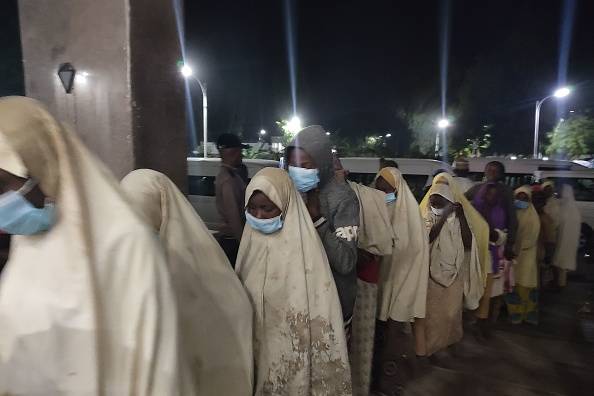
The Nigeria kidnapping crisis has reached alarming levels, with thousands of innocent lives affected by rampant abductions across the country. Recently, over 250 children were taken from a Catholic boarding school in Niger state, highlighting the grave threat posed by criminal gangs that specialize in ransom kidnappings. Reports indicate that these militant groups, which continue to terrorize communities, operate with relative impunity, raising serious questions about the effectiveness of military intervention in Nigeria. The dire situation has prompted officials, including US President Trump, to warn about potential military responses if the Nigerian government fails to protect its citizens from such violence. As the abduction of children in Nigeria becomes a more prevalent issue, it calls for urgent action and a reassessment of security measures to safeguard vulnerable populations.
In recent times, the troubling surge in kidnappings has left communities across Nigeria grappling with fear and insecurity. The abduction episode involving students from a Catholic school serves as a stark reminder of the risks facing educational institutions, raising alarms over the safety of children and staff. With militant groups in Nigeria perpetrating a wave of violence, including the alarming trend of the Catholic school kidnapping, the situation demands immediate and robust intervention. As the crisis unfolds, more individuals and families are withdrawing from schools, reflecting a growing unease about the ongoing Niger state abduction and the effectiveness of governmental response measures. This growing trend underscores the pressing need for coordinated efforts to address the persistent threat and restore peace to affected regions.
The Rising Wave of Kidnappings in Nigeria
The kidnapping crisis in Nigeria has escalated in recent years, with numerous tragic incidents bringing global attention to the issue. The abduction of children in Nigeria is particularly alarming, as it highlights the vulnerabilities of educational institutions and the dire need for effective protective measures. Recent events, such as the mass kidnapping from St. Mary’s school in Niger state, underline a distressing pattern of attacks aimed at schools and their students. Kidnappers often target these locations, believing that the emotional toll on families will motivate prompt ransom payments, which only emboldens criminal gangs further.
In addition to the humanitarian implications of these kidnappings, there are significant social ramifications for communities across Nigeria. As pointed out by Bishop Bulus Dauwa Yohanna, state responses often fall short of the urgency needed to address such crises. The lack of a comprehensive strategy to tackle these militant groups in Nigeria further complicates efforts to restore safety and security in schools, leaving parents fearful of sending their children to educational institutions. This growing trend may result in long-term impacts on education and child development in affected regions.
Government Response to the Nigeria Kidnapping Crisis
The Nigerian government’s response to the kidnapping crisis has faced extensive criticism from various quarters, including faith leaders and civil society organizations. Bishop Yohanna’s remarks expose the simmering frustration among believers regarding the perceived inaction of local authorities in rescuing abducted individuals, particularly children. Although there have been some attempts at police intervention, such as the deployment of tactical teams, there is widespread discontent surrounding these efforts, especially when facts on the ground contradict official statements.
Furthermore, the insinuation that local law enforcement agencies are inadequately equipped to effectively respond to these incidents raises concerns about national security policies. The Nigerian government’s commitment to address the rising kidnappings, highlighted by President Tinubu’s sudden cancellation of participations, indicates awareness of the severity of the crisis. However, mere declarations without actionable plans will not suffice—meaningful military intervention in certain situations might become necessary to combat these organized gangs engaging in ransom-based abduction.
The Role of Militant Groups in Nigeria’s Security Challenges
Militant groups in Nigeria have exploited existing vulnerabilities to ramp up their operations, devastating communities through acts of violence and abduction. Groups often involved in such activities have diversified their tactics, employing forms of kidnapping to achieve ideological, financial, or territorial objectives. The alarming trend of attacks, including the Catholic school kidnapping in Niger state, underscores the pervasive influence of these groups and the urgent need for strategic countermeasures from both military and police forces to mitigate this threat.
This phenomenon extends beyond a singular operational focus, revealing a complex network of interactions among various militant factions, which may have different motivations but employ similar brutal tactics. The Nigerian government’s current military intervention strategies and law enforcement measures must evolve to address not only the symptoms of crime but also the underlying socio-political factors that allow these groups to thrive. Developing a holistic approach that combines military force with community engagement, education, and economic opportunity will be essential to dismantling the systemic issues that enable these militants.
Educational Institutions Under Siege: A Call for Action
The ongoing crisis of school kidnappings in Nigeria paints a grim picture for the education sector. As security threats continue to mount, many boarding schools are closing down or are experiencing drastic declines in student enrollment. Parents are understandably apprehensive, withdrawing their children from school due to fears for their safety. The abduction of over 300 students from St. Mary’s school exemplifies the perilous conditions under which educational institutions currently operate, highlighting the urgent need for protective measures and decisive action.
In response to this growing crisis, stakeholders including government officials, school administrators, and community leaders must come together to devise comprehensive safety protocols that prioritize the well-being of students and staff. Additionally, it is vital to strengthen communication and cooperation between educational institutions and security agencies, ensuring a rapid and coordinated response in the event of a kidnapping attempt. Long-term solutions such as trauma-informed care, community awareness programs, and improved security infrastructure must also be prioritized to rebuild trust and confidence in the educational system.
International Reaction to the Nigeria Kidnapping Crisis
The international community has watched with concern as the Nigeria kidnapping crisis continues to unfold, prompting reactions from global leaders and humanitarian organizations. Statements from figures like US President Trump, advocating military intervention, demonstrate the serious implications of Nigeria’s internal security challenges on a broader scale, drawing attention to the need for urgent and coordinated international assistance to help restore order and protect vulnerable populations.
Furthermore, the plight of abducted worshippers and children has galvanized advocacy groups worldwide to call for actionable steps toward improving security measures. These organizations push for international collaboration to share intelligence and resources, aiming to dismantle networks of abduction. The collective pressure from global bodies can incentivize the Nigerian government to prioritize the development of effective strategies to combat the extremist elements contributing to the rampant kidnappings.
The Impact of Kidnapping on Families and Communities
The psychological and emotional toll of kidnappings extends deeply into the fabric of Nigerian society. Families of abducted children often face unimaginable distress and trauma, often leading to long-term psychological impacts on both the immediate victims and their communities. Stories of children who survive these harrowing experiences frequently recount tales of fear and uncertainty, which can haunt them well into adulthood. As communities grapple with the repercussions of such pervasive violence, it becomes crucial to address not only the immediate crises but also the long-term support structures needed for recovery.
Additionally, these kidnapping incidents significantly affect community cohesion and trust in local governance. With police and military interventions often perceived as inadequate, public sentiment can shift into distrust and fear. Consequently, community leaders and local organizations must step up, providing emotional support and avenues for healing to both victims and their families. Engaging in community dialogues and fostering solidarity can empower citizens to reclaim their sense of safety and agency amidst overwhelming uncertainty.
Strategies to Combat Kidnapping in Nigeria
Developing effective strategies to combat the rampant kidnapping crisis in Nigeria necessitates a multi-pronged approach that includes law enforcement, community engagement, and socio-economic development. It is essential for the Nigerian government to re-evaluate existing security protocols and invest in modern technology and training for police forces. Collaborating with local communities to establish neighborhood watch programs can greatly enhance security presence and deter potential kidnappings.
Moreover, addressing the root causes of kidnapping, including poverty and lack of access to education, is crucial in the long-term fight against these criminal activities. Empowering communities through education, vocational training, and job creation can alleviate some motivations for engaging in crime. Collaborative initiatives involving local businesses, NGOs, and government bodies can pave the way for sustainable development, significantly reducing the appeal of criminal enterprises in the region.
Media Coverage and Its Role in Raising Awareness
Media coverage plays a pivotal role in shaping public perception of the Nigeria kidnapping crisis and bringing international attention to the plight of victims. News reports about the abduction of children in Nigeria not only inform the public but can also mobilize support for victims’ families and advocacy efforts. Highlighting these tragic events can inspire citizens both locally and globally to advocate for safety and change while putting pressure on authorities to act decisively.
However, media portrayals of crime and abduction must remain sensitive to the experiences of victims and their families. Journalists can play an influential role in humanizing the numbers, telling individual stories of courage and resilience. There is also an opportunity for the media to educate the public about preventive measures and encourage community solidarity, thus fostering a proactive stance amongst citizens and local agencies in combating the kidnapping scourge.
Future Prospects: Hope for a Safer Nigeria
Despite the current crisis, there remains a potential for positive change and development in Nigeria. The active discourse about the kidnapping crisis has galvanized various stakeholders to call for more secure educational environments and protective legislation. Continuous pressure on local and national authorities to take meaningful action can lead to legislation aimed at improving security frameworks in schools and public spaces. Such measures, linked with community vigilance and public awareness, could lay the groundwork for a safer future for children and educators alike.
Moreover, collaborative community efforts between parents, schools, local governments, and international organizations can foster an environment focused on safety and restoration. By building alliances and sharing resources, it’s possible to create a united front against criminal elements and reinforce social and educational infrastructures. With collective action and a focus on resilience, there is hope for a Nigeria where children can learn and grow free of the fear of abduction.
Frequently Asked Questions
What is the current situation regarding the Nigeria kidnapping crisis affecting children in Niger state?
The Nigeria kidnapping crisis has escalated with over 250 children recently abducted from St. Mary’s Catholic school in Papiri village, Niger state. Bishop Bulus Dauwa Yohanna criticized the government for failing to make meaningful efforts to rescue the children, while some managed to escape and approximately 50 remain unaccounted for.
How do militant groups in Nigeria contribute to the abduction of children in Nigeria?
Militant groups in Nigeria, particularly criminal gangs involved in ransom kidnappings, have been responsible for various abductions, including the recent crisis in Niger state. These groups exploit the lack of security and governmental response, leading to increased risks for children in schools.
What role has the Nigerian government played in responding to the recent Catholic school kidnapping in Niger state?
The Nigerian government’s response to the Catholic school kidnapping has been criticized as inadequate. Despite promises from police officials for rescue operations and ensuring safety, Bishop Yohanna noted that only minimal actions, such as compiling students’ names, were taken.
What are the implications of military intervention in the Nigeria kidnapping crisis as suggested by US President Trump?
US President Trump’s suggestion of military intervention underscores the severe nature of the Nigeria kidnapping crisis, particularly the abduction of children and attacks on Christians. Such intervention could draw international attention and pressure the Nigerian government to take more significant actions against the ongoing threat posed by militant groups in Nigeria.
How has the recent crisis influenced security measures in Nigerian schools?
The recent abduction crisis has led to heightened security measures across Nigerian schools, especially boarding institutions. In response to the violence and fears for safety, many parents have withdrawn their children from schools, prompting closures and increased police presence in an attempt to prevent further kidnappings.
What has been the response of local authorities to the rising abduction of children in Nigeria?
Local authorities, including the Niger state police, have reported ongoing operations to tackle the rise in kidnappings. However, police chief Adamu Abdullahi Elleman acknowledged a lack of sufficient armed personnel at the crime scene, resulting in skepticism about their effectiveness amidst the Nigeria kidnapping crisis.
What are the main factors contributing to the ongoing Nigeria kidnapping crisis?
The Nigeria kidnapping crisis is driven by a mix of factors, including the activities of militant groups, socioeconomic instability, inadequate security measures, and the government’s slow response to high-profile abductions, such as the abduction of children in Nigeria.
What measures can be taken to protect children from abduction in Nigeria?
To protect children from abduction in Nigeria, there needs to be a multifaceted approach involving enhanced security in schools, community awareness programs, stricter enforcement of laws against kidnappers, and improved coordination between the government and law enforcement agencies.
Are there any recent developments in the rescue of the kidnapped children from Niger state?
As of now, there have been no significant updates regarding the rescue of the children abducted in Niger state. The local authorities and police declared that operations are ongoing but have faced challenges such as a lack of adequate manpower at the scene.
| Key Point | Details |
|---|---|
| Abduction Incident | Over 250 children were kidnapped from St. Mary’s Catholic boarding school in Niger state. |
| Government Response | Bishop Bulus Dauwa Yohanna accused the government of making no meaningful effort to rescue the children. |
| Accusations from Officials | Police chief accused the school of not cooperating with search and rescue operations. |
| Escape Attempts | Out of 303 students and staff abducted, approximately 50 managed to escape. |
| International Attention | US President Trump threatened military action if Nigeria fails to address killings of Christians. |
| Niger State Reaction | Governor reported the church ignored a closure order, contrasting Bishop Yohanna’s claims. |
| Police Action | Niger state’s police claim tactical teams are in place but reports indicate insufficient police presence. |
| Escalating Crisis | Kidnappings have been rising in Nigeria, prompting school closures for safety. |
Summary
The Nigeria kidnapping crisis has reached alarming levels, especially with recent events involving the mass abduction of children from a Catholic school. Reports indicate that efforts to rescue the victims have been lacking and that the Nigerian government is under scrutiny for its inadequate response. As the nation grapples with increasing insecurity and threats to safety, it is imperative that authorities take decisive actions to not only address the crisis but also restore public confidence in the safety of educational institutions. The international community is also watching closely, which may lead to significant political ramifications if the situation continues to deteriorate.