Listen to this article
Nigel Farage racism allegations have resurfaced, drawing attention to troubling claims from former classmates at Dulwich College. As the Reform UK leader faces scrutiny, 20 of his contemporaries have come forward with accusations of racist and antisemitic comments purportedly made during their time as students. Despite the gravity of the situation, Farage insists that he has “never directly racially abused anybody,” and characterized the allegations as fabrications stemming from personal and political disagreements with former classmates. This controversy has ignited a broader dialogue about the impact of political allegations in the UK, especially those that involve deeply sensitive issues like race and prejudice. In light of the ongoing debates, further investigations into the derogatory remarks linked to Farage, including past jokes about gas chambers, have raised significant ethical questions regarding his fitness for leadership.
The recent allegations against Nigel Farage concerning incidents of alleged racial insensitivity have ignited a heated dialogue about his past behavior at Dulwich College. Detractors point to a series of contentious comments he purportedly made while serving as a prefect, which have come to light following a Guardian investigation. Critics have voiced concerns over the implications of these accusations, alleging that some remarks could be qualified as antisemitic. As the leader of Reform UK, Farage’s political future may hinge on his response to these allegations, particularly as public figures and politicians call for more accountability concerning discriminatory rhetoric. The unfolding situation exemplifies the ongoing struggle within the UK political landscape to confront and rectify issues of racism and intolerance.
Nigel Farage’s Response to Racism Allegations
In the wake of serious allegations regarding his conduct during his time at Dulwich College, Nigel Farage has publicly maintained that he has never directly engaged in racial abuse. Facing complaints from 20 of his former schoolmates, he insists that while he acknowledges making comments that could be interpreted as offensive, he categorically denies having targeted anyone based on their race. This assertion raises questions about the nature of his past interactions and how they resonate with contemporary understandings of racism and offensive behavior.
During a recent interview, Farage was pressed for clarity on his use of the term “directly,” responding that he has never racially abused anyone in a harmful manner. Nevertheless, he expressed an understanding that some of his comments made decades ago might be deemed offensive today. His acknowledgment of having made remarks that could provoke offense without malicious intent further complicates his defense. Critics argue that, regardless of intent, the implications of such comments are serious and warrant public accountability.
The Nature of the Allegations Against Farage
The allegations levied against Farage range from offensive jokes to remarks that exhibit clear prejudicial attitudes, such as joking about gas chambers. These claims, as reported by The Guardian, paint a troubling picture of his behavior as a prefect at Dulwich College. The serious nature of claims—suggesting detentions were handed out based on the color of a fellow student’s skin—demand scrutiny not just of past actions but also of the broader cultural implications within elite educational institutions.
Despite categorically rejecting the notion that he participated in racist behavior, Farage’s comments reveal an unsettling ambiguity regarding his accountability for past remarks. He stated, “Without any shadow of a doubt, I shall say things tonight… that some people will take offense to,” implying a conflict between free speech and the responsibility to avoid racially charged comments. This stance has been interpreted as minimizing the seriousness of the allegations, raising concerns among political peers and commentators about his adequacy as a leader in contemporary political discourse.
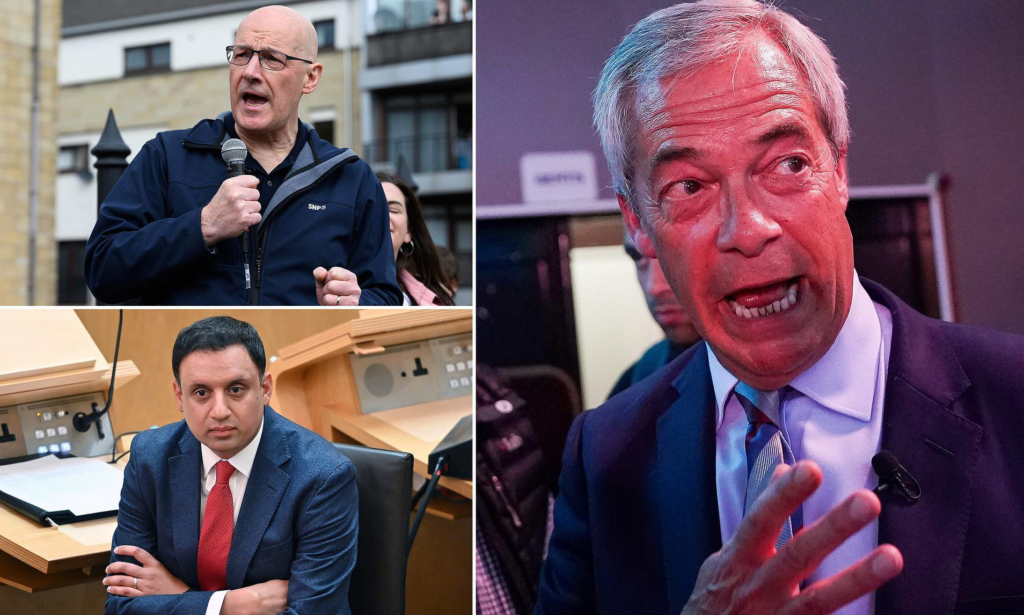
With the Reform UK party’s leader facing an array of accusations, political opponents have capitalized on this controversy. Criticism has been particularly sharp from the Labour Party, who assert that Farage’s refusal to clearly condemn his past remarks indicates a deeper issue of unfitness for leadership. This incident echoes wider concerns regarding political accountability and the potential normalization of racially insensitive behaviors within the current UK political climate.
Furthermore, far from attempting to absolve himself of guilt, Farage’s comments have inadvertently sparked discussions about the societal shifts towards understanding racism and what constitutes acceptable discourse. The backlash not only reveals the fractures within UK politics concerning race but also emphasizes the emerging demands for transparency and responsibility from public figures, especially those aspiring to national leadership.
Political Implications of Farage’s Comments
The fallout from the allegations against Nigel Farage extends beyond personal embarrassment; it poses significant implications for his role and Reform UK’s reputation in the political landscape. His responses during interviews have drawn criticism, with some observers questioning the leadership’s stability. The insistence on refusing to apologize or acknowledge the gravity of the allegations might embolden critics while alienating potential supporters who seek accountability from their leaders.
As Reform UK aims to position itself as a key player in UK politics, the controversies stemming from Farage’s past could hinder this ambition. Allegations of racism and antisemitic comments by a prominent leader, especially in a political climate increasingly sensitive to issues of race and discrimination, could deter voters and damage the party’s image. This development presents a quandary for reformist politics, where past behaviors and statements can have enduring consequences on the public trust and electoral success.
Calls for Transparency and Accountability
Political figures and commentators across the spectrum have echoed the need for accountability in response to Farage’s comments, illustrating a societal demand for transparency in leadership. The Liberal Democrats and Labour have both articulated concerns that Farage’s dismissive attitude towards serious allegations points to a larger pattern of evasiveness prevalent in political discourse. The notion that leaders can escape scrutiny undermines democratic principles and public trust, catalyzing demands for clearer and more responsible communication from those in power.
This demand for transparency isn’t solely aimed at Farage; it extends to all political leaders who must navigate the complexities of their past actions and statements. The discourse surrounding these allegations has reignited debates on race, accountability, and the necessity for public figures to adapt to changing societal expectations regarding inclusivity and respect for all individuals. As the political landscape in the UK evolves, so too must the accountability of those who wish to lead.
The Impact on Farage’s Political Career
Nigel Farage’s political career has been marked by controversy, and the recent allegations may represent a pivotal moment in his trajectory. Having held influential positions, including serving as an MEP and leading UKIP, the scrutiny on his past could hinder future political aspirations. As Reform UK struggles to establish a distinct identity in a crowded political environment, any affiliation with racist remarks could detrimentally impact the party’s ability to attract a broad base of supporters.
Despite his attempts to distance the party from actions of former members and downplay the significance of the allegations against him, the criticism and media attention generated by this controversy could overshadow his contributions and policy discussions. It raises profound questions about the viability of leaders with tarnished legacies in political movements aimed at reform and progression. Thus, Farage’s ability to recover from this scandal remains uncertain as both opposition parties and the public question the suitability of leaders who fail to recognize the impacts of their words.
The Role of Media in Shaping Perceptions
The media has played an integral role in bringing the allegations against Nigel Farage into the public consciousness, providing a platform for former classmates to share their experiences and concerns. Investigative reports, like that from The Guardian, underline the importance of journalistic scrutiny in political processes, especially in an era when accountability and transparency are paramount. The focus on Farage has initiated wider discussions about racism and the responsibilities of public figures, reflecting media’s capacity to influence political narratives.
Moreover, the media’s portrayal of the allegations has sparked public debate, compelling citizens to engage thoughtfully with issues of race and ethics in leadership. As reporters dissect Farage’s comments and juxtapose them against public expectations, they highlight a shifting perspective on what constitutes acceptable behavior among politicians. Ultimately, the media’s role extends beyond mere reporting; it serves as a catalyst for change and a means to hold leaders accountable for their past actions, encouraging a more informed electorate.
Public Reaction to the Allegations
Public reaction to the allegations against Nigel Farage has been marked by a mix of outrage and skepticism. As social media platforms amplify dissenting voices, many individuals are expressing a strong condemnation of his comments and behaviors. These reactions underscore a broader societal expectation that leaders should embody values of respect and inclusivity, especially in light of increasing awareness surrounding issues of racism and discrimination in society.
The mixed reception also highlights a divide in public opinion regarding accountability; while some staunchly defend Farage’s right to express his views, others see his comments as reflective of a damaging mentality that must be confronted. This polarization demonstrates the ongoing challenge of navigating political discourse in a space where perceptions of race and speech are increasingly scrutinized. As public sentiment evolves, leaders like Farage will be compelled to adapt or risk losing support amid rising demands for ethical accountability.
Future of Reform UK Amid Controversy
The future of Reform UK appears uncertain in light of the controversies surrounding its leader, Nigel Farage. As allegations of racism surface alongside recent scandals involving former party members, the party may confront difficulties in establishing legitimacy and credibility among voters. Farage’s insistence on prioritizing free speech over accountability could alienate potential supporters who expect leaders to uphold high ethical standards, thus complicating the party’s outreach efforts.
Furthermore, as Reform UK seeks to distinguish itself within the intricate tapestry of UK politics, the ongoing controversies could serve as a double-edged sword, either galvanizing a sympathetic base or perpetuating negative associations. The ability of the party to effectively navigate the fallout from Farage’s past remarks and address underlying concerns about race and ethics will ultimately dictate its success in the political arena. Without addressing these issues head-on, Reform UK risks further marginalization in an increasingly dynamic political landscape.
Frequently Asked Questions
What are the key Nigel Farage racism allegations from Dulwich College?
The key allegations against Nigel Farage include claims from 20 former schoolmates at Dulwich College who reported that he made racist and antisemitic remarks during his time there. Specific allegations suggest that Farage joked about gas chambers and subjected a student to detention based on their skin color.
How has Nigel Farage responded to the racism allegations?
Nigel Farage has stated that he has “never directly racially abused anybody” and dismissed the idea of a personal investigation into the allegations from his former classmates. He acknowledged having said things in the past that could be interpreted as inappropriate but denied any intent to hurt individuals.
What does the controversy surrounding Farage’s comments reveal about his political image?
The controversy surrounding Farage’s alleged racist comments highlights a significant challenge to his political image as the leader of Reform UK. The backlash emphasizes concerns from opponents and critics regarding his fitness for office, with calls for transparency and accountability regarding the statements made in his youth.
What specific remarks have been attributed to Farage in the racism allegations?
Specific remarks attributed to Farage include joking about gas chambers and making comments that some interpret as racially charged banter during his time as a prefect at Dulwich College. While he admitted to having made statements that could cause offense, he denies any direct intent to harm.
Have any politicians responded to the allegations against Nigel Farage?
Yes, several political figures, including Liberal Democrat President-Elect Josh Babarinde MP and Labour peers, have publicly criticized Farage’s responses to the allegations, characterizing his remarks as lacking accountability and suggesting he is unfit for leadership based on these accusations.
Why is the discussion of racism allegations against Nigel Farage significant in UK politics?
The discussion of racism allegations against Nigel Farage is significant in UK politics as it raises important questions about accountability and the behavior of public figures. Given Farage’s aspirations for high political office, these allegations could affect public perception and have broader implications for the political landscape in the UK.
What actions does Farage propose regarding the allegations made against him?
Farage proposes no formal investigation into the allegations, claiming that he doesn’t believe he has directly hurt anyone. Instead, he emphasizes his commitment to free speech, stating that comments made in the past may have been perceived differently in today’s context.
What implications do the Nigel Farage allegations have for Reform UK as a party?
The allegations against Nigel Farage pose potential implications for Reform UK in terms of party reputation and credibility. The controversy could impact voter perception and calls for accountability, posing challenges as the party seeks to establish itself as a serious contender in UK politics.
| Key Points |
|---|
| Nigel Farage denies making direct racial abuses but acknowledges comments that could be considered offensive. |
| Claims against him include jokes about gas chambers and racial detention actions during school. |
| Farage insists he will not apologize for his past remarks, viewing them as part of free speech. |
| Farage has faced criticism from political opponents about his handling of the allegations. |
| The controversy follows recent legal troubles for a former party colleague related to bribery. |
Summary
The allegations surrounding Nigel Farage racism claims have stirred significant controversy as he maintains he has ‘never directly racially abused anybody.’ While some former classmates have come forward with serious accusations, including derogatory comments and actions during his school years, Farage’s responses focus on the concept of free speech and his longstanding denial of intentional racial abuse. The scrutiny from political rivals highlights the gravity of these accusations and raises questions about his fitness for leadership roles. As these discussions continue, the dialogue around Nigel Farage racism allegations remains relevant as it intersects with broader issues of accountability and political standards.