Listen to this article
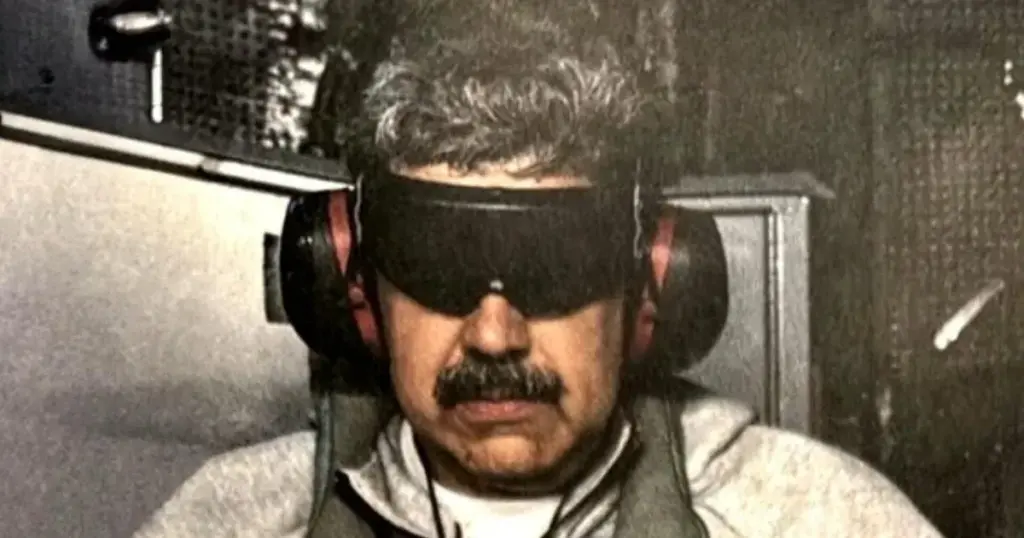
The recent capture of Nicolás Maduro by US military forces has sparked intense global debate, highlighting issues of Venezuela sovereignty and international law violations. As Maduro and his wife were taken from their homeland amidst a tense political crisis, reactions poured in from leaders around the world, with many condemning the aggressive action as a breach of both sovereignty and diplomatic norms. In the wake of the capture, global reactions to Maduro’s fate range from outright support for the US initiative to stern rebukes from long-time allies such as Russia and China, who view the actions as unwarranted intervention. The landscape of Venezuela’s political turmoil has dramatically shifted, leaving many to question the legality and ethics of such military action. The implications of this event will undoubtedly linger as the international community grapples with the balance between enforcing law and respecting national sovereignty.
In a dramatic turn of events, the recent detention of Venezuela’s leader raises significant discussions about foreign intervention and international relations. Nicolás Maduro’s apprehension, driven by accusations he faces in the United States, has ignited a heated discourse surrounding the principles that govern state sovereignty and international diplomacy. The responses from various nations reflect the polarized views on whether the US’s military action can be justified within the frameworks of international law. As nations weigh their stances, the complexities of Venezuela’s ongoing political crisis become increasingly evident, prompting a broader examination of global governance and the responsibilities of powerful states. This scenario not only influences political dynamics in Venezuela but also shapes the future of international cooperation and conflict resolution.
The Unfolding Crisis: Nicolás Maduro’s Capture and Its Global Implications
The recent capture of Nicolás Maduro by US forces has escalated the already tense Venezuela political crisis to unprecedented heights. As the nation grapples with leadership instability, the ramifications of this military action reverberate worldwide. The accusations surround Maduro, with drug charges filed in New York, further complicating the narrative regarding his hold on power and the US’s role in Venezuela’s sovereignty. The attack has drawn widespread international reactions, underscoring the deep divisions over how to confront authoritarian regimes in Latin America.
In the aftermath, various nations have expressed their stance on this military operation. Countries from Latin America to Europe have voiced both condemnation and support for the US intervention, hinting at a complex geopolitical landscape. The ambivalence surrounding international law violations highlights the question of whether the US military action was justified in pursuit of a peaceful Venezuela, or if it merely deepened the crisis further. These tensions only serve to amplify the discussions on sovereignty, intervention, and the future of democracy within the region.
Reactions from Venezuela and the Global Community
Venezuela’s immediate response to the US-led action was one of unwavering defiance, with Interior Minister Diosdado Cabello urging citizens to remain calm and supportive of their government. The rhetoric from Caracas paints the military intervention as a blatant assault on national sovereignty and a violation of international law, drawing sharp rebuke from long-standing allies like Russia and China. Both nations condemned the US for its aggressive stance, asserting that such military actions undermine the principles of statehood and non-intervention that are foundational to international relations.
As global reactions continue to unfold, statements from various leaders reveal a split between supportive voices and those who advocate for a more diplomatic approach. UK Prime Minister Keir Starmer positioned himself cautiously, refraining from outright condemnation while emphasizing the need for a peaceful resolution. On the other end, some Latin American leaders have rallied against what they see as a dangerous precedent set by US military action—underscoring the fear that it might ignite further regional instability and dissent among neighboring countries.
International organizations have also expressed grave concerns. The UN Secretary-General criticized the breach of international law, while the EU has called for peaceful transitions in power. These viewpoints reflect a growing apprehension among world leaders about the future of Venezuela and the implications for international diplomacy and law. The nuances of each nation’s response highlight the complex interplay of support and condemnation, shaping the narrative surrounding Maduro’s regime and the broader implications for global governance.
Assessing the Legitimacy of US Military Action
The ongoing debate surrounding the legitimacy of the US military action raises critical questions about international law and interventionist policies. Senate Minority Leader Chuck Schumer noted the recklessness of acting without congressional authorization—suggesting a lack of domestic and international consensus on the approach to Maduro’s regime. This consideration is particularly vital in the context of the international legal frameworks that govern state sovereignty and military intervention.
While some defend the action as a necessary step to restore democracy in Venezuela, critics cite the potential for escalated conflict and broader destabilization in Latin America. The nuanced legal interpretations of intervention—especially in light of claims made by leaders like Virginia’s President Luiz Inacio Lula Da Silva denouncing the strikes—shed light on a landscape rife with criticism and skepticism toward the US methods and motivations. This situation compels global leaders to reconsider their stances on sovereignty issues amidst the ongoing crisis.
Latin America’s Response to US Intervention
In the wake of Maduro’s capture, Latin American leaders have largely united in their condemnation of US actions, framing them as an affront to regional sovereignty. Colombian President Gustavo Petro and Brazilian President Luiz Inacio Lula Da Silva both voiced concerns about the legality and aggression of the attack, suggesting that such interventions threaten to create a precedent for future international conflicts. Their statements reflect a regional consensus on the need for diplomacy rather than military invasion, echoing a call for respecting Venezuela’s right to self-determination.
Regional allies of Venezuela, including Cuba and Nicaragua, have also rallied in support of Maduro, highlighting the potential for increased political friction in Latin America. As these nations express their solidarity with Maduro, they underscore the historical context of US interventions in the region and urge a unified front against what they perceive as imperialism and subversion of sovereignty. This block of dissent highlights the geopolitical complexities resulting from US military action and points to a potential escalation of tensions throughout the continent.
The Role of Major Powers in the Venezuelan Crisis
The involvement of major powers like Russia and China further complicates the Venezuelan crisis. Both nations have condemned the US intervention, framing it as a violation of international law and a blatant act of aggression. Their support for the Maduro regime not only emphasizes the geopolitical struggle for influence in Latin America but also marks a significant moment in the broader game of international relations, particularly for nations seeking alternatives to US hegemony.
The perspectives of global powers influence the future trajectory of Venezuela’s political landscape. While the US aims to promote democratic governance, nations like China and Russia advocate for non-interventionist policies, arguing that military actions can lead to further destabilization. This clash of ideologies highlights the complexity of navigating international diplomacy amidst the backdrop of domestic upheaval in Venezuela, suggesting that a multifaceted approach may be necessary to resolve the ongoing crisis.
Implications for International Law and Sovereignty
As world leaders respond to the US military action, the implications for international law and sovereignty are becoming increasingly central to discussions about Venezuela. The UN’s emphasis on adherence to international law signifies a collective concern regarding unilateral military interventions and their potential to destabilize nations. Critics argue that the erosion of established laws governing state sovereignty could lead to a dangerous precedent that endangers global peace.
Moreover, the way that various governments interpret the legality and morality of such actions will shape future international relations. Some leaders contend that military intervention should only come with broad international support and within the framework of multinational organizations, while others argue for the necessity of acting in the face of humanitarian crises. The tension between these perspectives underlines the evolving nature of global accountability and jurisdiction, especially in hands of powerful states.
China and Russia’s Response to US Military Actions
In the wake of US military actions against Venezuela, both China and Russia have emerged as staunch defenders of Maduro, highlighting their positions as key players on the global stage. China’s condemnation of the strikes as a perplexing violation of sovereignty showcases its ongoing commitment to non-interventionism while simultaneously pushing back against perceived US hegemony in global affairs. Russia’s accusation of ‘armed aggression’ by the US signals a potential shift in alliances as they position themselves as protectors of nations facing intervention.
The rhetoric from both China and Russia reveals an intention to reinforce their influence in Latin America and portray the US as an aggressor. Their support for Maduro can be seen as part of a larger strategy to counter Western pressures and foster closer ties with countries that resist American policies. As these major powers react to the situation in Venezuela, the dialogues surrounding sovereignty, international law, and geopolitical interests become ever more intricate, with the potential to reshape political landscapes in the years to come.
The Future of Venezuela’s Political Landscape Post-Capture
Looking ahead, the future of Venezuela’s political landscape remains uncertain following the capture of Nicolás Maduro. With opposition leaders and international allies calling for a peaceful transitional government, the question persists: can the deeply divided nation find common ground? The involvement of the US has not only polarized domestic opinions but also introduced external complexities that could either foster or hinder genuine dialogue and reconciliation among Venezuelans.
Furthermore, the responses from regional players will play a crucial role in determining the path forward. Countries like Brazil and Argentina have shown a commitment to supporting a transition that respects Venezuela’s sovereignty while emphasizing the importance of democracy. As international reactions continue to unfold and the dust settles from the US intervention, the global community will remain vigilant, acutely aware that the stakes are high for both Venezuela and the principles of international law.
Potential Regional Destabilization Following US Actions
The repercussions of the US military intervention in Venezuela extend beyond its borders, raising legitimate fears of regional destabilization in Latin America. Neighboring countries are acutely aware of the delicate balance between supporting a transition to democracy and addressing the threats posed by external military action. As Brazil, Colombia, and Chile condemn the intervention, there are rising concerns about how these events might embolden various factions within their own nations, potentially leading to unrest and sociopolitical challenges.
These dynamics hint at a potential domino effect, where US military actions could inspire similarly hardline responses from other governments or movements in the region. The discourse surrounding military interventions versus peaceful transitions will likely dominate political conversations as leaders strategize on securing both their sovereignty and the stability of their nations. Thus, the implications of the US’s actions are far-reaching, affecting not just Venezuela but the entire fabric of governance and diplomacy throughout Latin America.
Frequently Asked Questions
What were the global reactions to Nicolás Maduro’s capture by US forces?
The capture of Nicolás Maduro by US forces has elicited a mix of condemnation and support from global leaders. While some, like UK Prime Minister Keir Starmer, welcomed the end of Maduro’s regime, countries such as Russia and China condemned the actions as violations of Venezuela’s sovereignty and international law. Many Latin American leaders, including those from Brazil and Colombia, decried the military intervention as unacceptable and a threat to regional stability.
How does Nicolás Maduro’s capture affect Venezuela’s political crisis?
Nicolás Maduro’s capture is viewed as a significant escalation in Venezuela’s ongoing political crisis. Many analysts suggest that this military intervention could lead to further unrest and instability in the country, especially if it undermines the sovereignty of Venezuela. The situation complicates efforts for a peaceful resolution and raises questions about the future of governance in Venezuela following Maduro’s departure.
What legal implications surround the US military action leading to Maduro’s capture?
The legality of the US military action to capture Nicolás Maduro is highly controversial. Critics argue that it violates Venezuela’s sovereignty and international law, raising concerns among global leaders. The UN Secretary General expressed alarm over the disregard for international norms, suggesting that such actions could set a dangerous precedent for international relations.
What has been the response of Latin American leaders to Nicolás Maduro’s capture?
Latin American leaders have largely condemned Nicolás Maduro’s capture as an act of armed aggression by the US. Significant figures, such as Brazil’s President Lula and Colombia’s President Petro, emphasized the need to respect Venezuela’s sovereignty and called the military action a direct assault on the region. They argue that such interventions threaten the stability of Latin America and violate principles of international law.
How do international law principles apply to the capture of Nicolás Maduro?
The capture of Nicolás Maduro by US forces raises critical questions regarding international law, particularly concerning sovereignty and military intervention. Many leaders, including EU officials and UN representatives, stress the necessity of respecting international law during such actions. The situation underscores the tension between the pursuit of political change and adherence to established legal frameworks in international relations.
What are the implications of Nicolás Maduro’s capture for US-Venezuela relations?
Nicolás Maduro’s capture is likely to exacerbate longstanding tensions between the US and Venezuela. It may solidify anti-American sentiments within Venezuela, leading to a further entrenchment of Maduro’s political allies. Moreover, this action could complicate future diplomatic engagements and negotiations aimed at resolving the Venezuelan crisis, as it challenges notions of sovereignty and respect among international actors.
| Country/Leader | Response |
|---|---|
| United Kingdom (Keir Starmer) | No tears for Maduro’s regime; awaiting facts on legality. |
| Russia | Condemned the US actions as armed aggression. |
| China | Deeply shocked; condemned the use of force against sovereignty. |
| Iran | Called the strikes a violation of national sovereignty. |
| Brazil (Luiz Inacio Lula Da Silva) | Marked US actions as crossing an unacceptable line. |
| Colombia (Gustavo Petro) | Described strikes as an assault on sovereignty. |
| EU (Kaja Kallas) | Reiterated Maduro lacks legitimacy; called for peaceful transition. |
| UN (Antonio Guterres) | Expressed deep concern over violation of international law. |
| Canada (Anita Anand) | Called for respect of international law and support for democracy. |
| US (Chuck Schumer) | Condemned Maduro but criticized the military action as reckless. |
| Argentina (Javier Milei) | Proclaimed support for freedom following Maduro’s capture. |
Summary
Nicolás Maduro’s capture has prompted global reactions that highlight the stark divisions in international politics. While some leaders, particularly from the US and allied nations, support the action against Maduro, asserting it as necessary for democracy, many countries, especially those in Latin America and major powers like Russia and China, have condemned it as a violation of international sovereignty. This incident not only reflects ongoing tensions over Venezuela’s leadership but also raises critical questions about the use of military force in international relations and the principles of legality and sovereignty that govern such actions.