Listen to this article
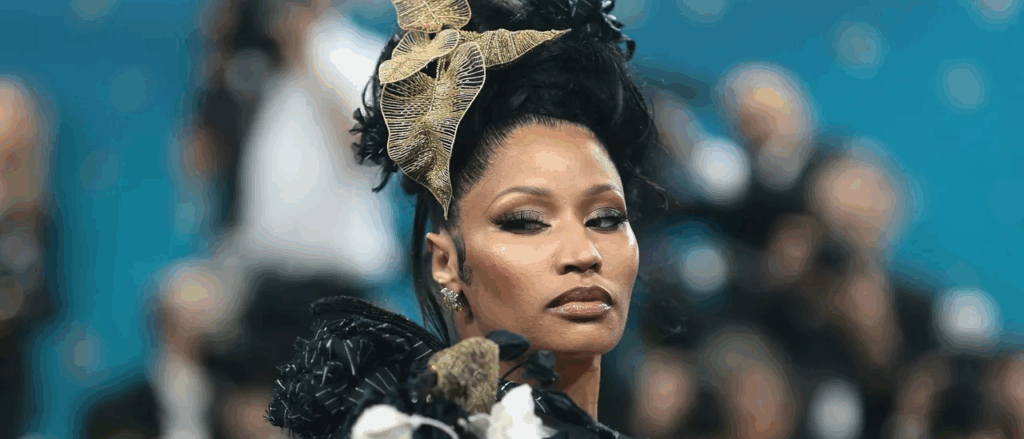
Nicki Minaj’s recent statements concerning the persecution of Christians in Nigeria have sparked significant attention, especially in light of Donald Trump’s assertions about religious violence in the region. During a high-profile event, the rapper passionately echoed Trump’s claims, stating, “In Nigeria, Christians are being targeted,” while highlighting the alarming reality of churches being burned and families ripped apart. This endorsement of Trump’s controversial comments has brought together discussions surrounding the broader issue of Nigeria’s religious violence, which has increasingly captured global interest. As a prominent figure in the music industry with millions of followers, Minaj’s platform amplifies concerns about the plight of Christians facing persecution in Nigeria, bringing much-needed awareness to this complex situation. Her support not only resonates with her Christian identity but also intertwines with ongoing debates about the state of Christianity in Nigeria amidst rising tensions.
In recent discussions surrounding religious struggles, Nicki Minaj has emerged as a vocal advocate for addressing the conflicts faced by Christians in Nigeria. By referencing the claims made by Donald Trump regarding the discrimination and violence against religious groups, she has drawn attention to an issue that many believe needs formidable action. The term ‘religious persecution’ refers to the systemic targeting of individuals based on their belief systems, and in Nigeria, this has manifested in brutal assaults and threats to both Christian and Muslim communities alike. Minaj’s involvement underscores a growing concern for the deteriorating safety of worshippers as Nigeria grapples with rampant insecurity driven by extremist factions. As the conversation evolves, it becomes essential to explore the intersection of faith, public discourse, and the realities of violence against various religious communities in Nigeria.
Nicki Minaj’s Support for Trump on Christian Persecution in Nigeria
In a recent event in New York, Nicki Minaj publicly expressed her support for President Trump’s claims regarding the persecution of Christians in Nigeria. She highlighted the alarming situation where churches have been burned and families torn apart due to their religious beliefs. Minaj’s remarks have sparked discussions about Nigeria’s socio-political landscape, where groups have been accused of targeting Christians in a context filled with inter-religious tension. Her declaration sheds light on the broader issues of religious freedom and the need for international attention to these ongoing crises.
Minaj’s endorsement of Trump’s statements reflects her commitment to addressing what she sees as an injustice directed towards Christians in Nigeria. Despite the complexities surrounding religious violence in the region—often driven by resource disputes and ethnic tensions—her stance aligns with a narrative being championed by certain political figures in the United States. By using her platform, Minaj aims to unite people against persecution, resonating with many who feel that faith communities are under attack.
Understanding Religious Violence in Nigeria
Religious violence in Nigeria has been a persistent issue, marked by attacks from various armed groups, including jihadists, who have been known to target both Muslims and Christians. Reports indicate that many of the violent incidents stem not purely from religious motivations but from inter-ethnic conflicts, particularly in regions with scarce resources. Analyzing this violence necessitates a nuanced understanding that goes beyond the simplified narrative of religious persecution. It is crucial to recognize how issues such as land disputes and political power struggles integrate into the fabric of religious tensions.
Organizations monitoring violence in Nigeria have recorded that the majority of victims of jihadist violence are Muslims, contradicting claims of systematic targeting of Christians. Analysts suggest that while there are certainly threats against Christian communities, as expressed by Minaj, the governmental narrative often gravitate toward highlighting the attacks on Christians, overshadowing the plight of other groups. This complex interplay of religion and violence demands a comprehensive approach that addresses the root causes of the unrest in order to foster lasting peace in Nigeria.
President Trump’s Comments on Nigeria and the Response
President Trump’s recent comments regarding Nigeria have ignited considerable debate, particularly his assertion that he would seek to intervene militarily if the Nigerian government fails to protect Christians from violence. This statement not only underscores the international precedence on religious persecution but also raises questions about sovereignty and the implications of foreign intervention in domestic conflicts. The Nigerian government’s response, labeling these statements as a gross misrepresentation, reflects the ongoing tensions between local authorities and international narratives that attempt to simplify a multifaceted crisis.
Moreover, Trump’s approach has attracted criticism and support in equal measures—drawing attention to Nigeria’s plight but also raising concerns about the potential for escalating conflicts through external involvement. By framing the issue within a binary of Christians versus other religious groups, it can obscure the broader reality that the fight against terrorism in Nigeria is a struggle against ideologies that threaten all citizens, regardless of their faith. Analysts emphasize the need for comprehensive strategies that not only protect religious freedoms but also address the violent extremism that indiscriminately affects various communities.
Nicki Minaj on Religion and Humanity
In her poignant remarks at the UN event, Nicki Minaj emphasized that her call for attention to the situation in Nigeria is not about taking sides but rather about uniting humanity against injustice. She advocates for solidarity among all faiths, recognizing that persecution knows no boundaries and that every individual deserves protection. By voicing her concerns, Minaj positions herself not just as an artist but as a concerned global citizen whose actions resonate with the struggles faced by many around the world.
Minaj’s approach to the issues surrounding religious persecution reveals her deep-rooted Christian faith and desire to see a world where believers can practice their religion freely. Her platform as a celebrity allows her to amplify voices from marginalized communities, ensuring that issues such as those faced by Christians in Nigeria gain the visibility they need. This perspective fosters a crucial conversation about the role of artists in advocacy, suggesting that their influence can lead to significant societal change.
The Role of the Media in Reporting Nigeria’s Crisis
Media representation plays a vital role in shaping the narrative surrounding Nigeria’s crisis of religious violence. Recent coverage has largely focused on the persecution of Christians, often framing the situation in a manner that resonates with Western audiences, particularly in the political climate that emphasizes religious freedom. However, this selective reporting can lead to misconceptions about the nature of the conflicts in Nigeria, with serious implications for how international audiences engage with these issues.
Moreover, the challenges journalists face in verifying data related to religious violence can complicate the discourse further. While many narratives suggest a systematic targeting of Christians, reports indicate that the underlying factors are more intricate, involving inter-communal conflicts driven by economic and social factors. Therefore, media outlets must strive for a balanced representation that captures the diverse perspectives within Nigeria, ensuring that solutions address the root causes rather than simply reacting to the symptoms of violence.
Community Reactions to Recent Violence in Nigeria
The recent surge in violence has elicited strong reactions from communities across Nigeria, igniting protests and calls for greater security measures to protect citizens from armed attacks. Many individuals lament the increasing sense of insecurity, which has permeated rural populations, schools, and places of worship. This widespread unrest reflects a growing frustration with the government’s response—or lack thereof—to these escalating threats. The desire for accountability and effective action resonates across various demographics, uniting them in their quest for peace and safety.
Grassroots movements and local organizations are mobilizing to support victims of violence, offering humanitarian assistance and advocating for policy changes to tackle the root causes of conflict. The rise of community resilience against the backdrop of insecurity demonstrates a collective determination to safeguard lives and uphold rights. Activists call for more effective intervention strategies, signaling to both the Nigerian government and international partners that urgent action is necessary to foster stability and harmony across the nation.
Exploring the Intersection of Politics and Religion in Nigeria
The intersection of politics and religion in Nigeria has resulted in a complex landscape that shapes public discourse and community relations. Politicians often leverage religious affiliations to galvanize support, leading to heightened tensions between different groups. In recent years, this has been exacerbated by the increase in violence attributed to both religious extremists and political actors who utilize religious rhetoric to further their objectives. Addressing this intersection requires honest dialogue that fosters mutual understanding among Nigeria’s diverse religious communities.
Public figures like Nicki Minaj have ignited conversations by aligning themselves with causes that resonate with particular segments of the population. However, this strategic engagement must navigate the sensitive reality of Nigeria’s intricacies, where political claims about religious persecution may not tell the entire story. Engaging faith leaders in discussions alongside political strategies can help build bridges and create frameworks that emphasize cooperation over division.
International Implications of Nigeria’s Religious Violence
International responses to the religious violence in Nigeria showcase varying degrees of involvement and concern, from military intervention discussions to humanitarian assistance promises. The situation presents complex challenges for global leaders, who must balance national interests with a commitment to human rights. The depiction of Nigeria in international media highlights the need for a nuanced understanding of how religious violence affects not just local populations, but also the stability of the larger West African region.
Efforts to secure international aid or intervention often hinge on narratives that might oversimplify the realities on the ground. Leaders like Trump and public figures such as Minaj can catalyze movements, but international involvement must also respect Nigeria’s sovereignty. The dynamics of foreign relations, national security, and human rights advocacy must converge to establish a collaborative approach that encourages dialogue, peaceful coexistence, and resilience against extremism.
Reactions from Nigerian Authorities to Global Perspectives
The Nigerian government’s response to global perspectives on religious persecution has been a mix of defiance and calls for understanding. Officials assert that the portrayal of Nigeria as solely a battleground for religious conflict undermines the broader context of socio-economic factors that drive violence. In doing so, they emphasize that both Christians and Muslims suffer under the reign of radical groups and that a united front against extremism is critical to national security.
Nigerian authorities are also keen to foster international partnerships that encourage dialogue and support for policies that promote inclusivity and reconciliation. They warn against narratives that may inadvertently fuel division among communities, thus highlighting the importance of a multifaceted approach to resolving conflicts. By showcasing a commitment to addressing the underlying issues of extremism and violence, the government hopes to establish credibility on the world stage and garner more comprehensive support.
Frequently Asked Questions
What did Nicki Minaj say about Nigeria Christians persecution?
Nicki Minaj publicly stated her support for President Trump’s claims about the persecution of Christians in Nigeria, highlighting that Christians are targeted, churches are burned, and families are torn apart due to their faith.
How has Nicki Minaj connected Trump’s comments to religious violence in Nigeria?
Minaj linked Trump’s remarks on Nigeria Christians persecution to the broader issue of religious violence in the country, emphasizing that these attacks on faith communities should unite humanity against injustice.
What recent events sparked Nicki Minaj’s comments on Nigeria Christians persecution?
Nicki Minaj’s comments were ignited by recent violent attacks, including a church shooting in Kwara state that resulted in deaths and abductions, highlighting the ongoing crisis of religious violence in Nigeria.
Is the claim of Nigeria Christians persecution widely accepted?
The claim of systematic persecution of Christians in Nigeria, as supported by activists, is contested by analysts who argue that violence often stems from factors beyond religion, such as ethnic tensions and resource disputes.
What is the Nigerian government’s stance on the persecution of Christians?
The Nigerian government has refuted claims of systematic persecution of Christians, asserting that terrorist attacks affect Muslims and Christians alike and are driven by extremist ideologies rather than solely religious motivations.
How did Nicki Minaj describe Nigeria in light of recent violence?
Nicki Minaj described Nigeria as a ‘beautiful nation with deep faith traditions,’ acknowledging the cultural richness despite the backdrop of violence and advocating for the protection of Christians.
What did Minaj’s supporters say about her intervention in the Nigeria Christians persecution issue?
Supporters praised Nicki Minaj for leveraging her platform to raise awareness of atrocities against Christians in Nigeria, commending her for speaking out against the injustices faced by religious communities.
What actions did President Trump propose regarding Nigeria’s Christians?
In response to the claims of persecution, President Trump suggested that he would consider sending troops to Nigeria to defend Christians if the violence against them continued unabated.
What shared interests may drive Nicki Minaj’s interest in Nigeria’s religious violence?
Nicki Minaj, as a public figure who often speaks about faith and injustice, aligns her activism with concerns over Nigeria’s religious violence, aiming to bring global attention to the plight of communities facing persecution.
What implications does Nicki Minaj’s advocacy have for international attention on Nigeria Christians persecution?
Minaj’s high-profile advocacy may galvanize more international attention and pressure on governments and organizations to address religious violence in Nigeria and support affected communities.
| Key Points | Details |
|---|---|
| Nicki Minaj’s Support | Minaj endorsed Trump’s view that Christians are persecuted in Nigeria. |
| Events in Nigeria | Recent attacks have led to deaths and abductions, highlighting religious violence. |
| Trump’s Stance | Trump stated he would take military action if violence against Christians continues. |
| Government Response | The Nigerian government refuted claims of targeted Christian persecution, stating terrorists attack all who oppose their ideology. |
| Minaj’s Remarks | She called for unity and protection for Christians in Nigeria without taking sides in religious factions. |
Summary
Nicki Minaj Nigeria persecution has become a hot topic after the rapper voiced her support for President Trump’s assertion regarding the mistreatment of Christians in Nigeria. By taking a public stance, she aims to elevate the awareness of violent religious conflict in the country while encouraging unity instead of division. This situation highlights the complexities of religious and ethnic tensions in Nigeria, raising critical questions about security and humanitarian responses to these ongoing issues.