Listen to this article
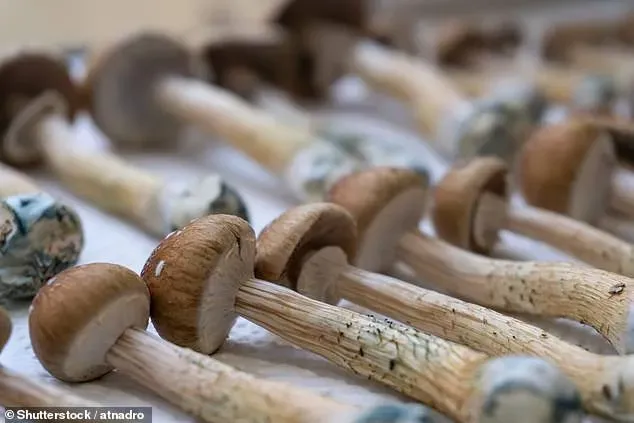
The NHS Magic Mushrooms Treatment has emerged as a groundbreaking approach in the realm of mental health therapies, sparking both interest and controversy among medical professionals and patients alike. As evidence mounts from psilocybin clinical trials and studies on psychedelic therapy, more people are turning to magic mushrooms for depression and other mental health conditions. Individuals like Larissa Hope attribute their life-saving recoveries to the remarkable effects of psilocybin, the psychoactive compound found in magic mushrooms. With the NHS considering the integration of these potential psychedelic drugs into clinical practice, the landscape of mental health treatment is poised for significant transformation. Advocates argue that, if properly regulated, NHS Magic Mushrooms Treatment could provide a vital solution for those seeking alternatives to traditional pharmaceuticals.
The debate surrounding the utilization of psychedelics in healthcare, often referred to as psychedelic medicine or psilocybin therapy, has gained momentum in recent years. Many patients and researchers advocate for innovative treatments employing substances like magic mushrooms and other compounds that fall under herbal psychedelics. The potential for these pioneering therapies to foster significant advances in treating mental health disorders has become increasingly apparent, particularly in light of emerging data from various clinical trials. By exploring alternative mental health solutions, healthcare providers aim to offer a more nuanced and effective approach to conditions that largely remain resistant to conventional treatments. The ongoing discussion emphasizes the promise of these substances as viable options to address modern mental health crises.
Understanding the Benefits of NHS Magic Mushrooms Treatment
The growing body of research surrounding psilocybin, the active compound in magic mushrooms, has sparked a significant discussion about its potential as a therapeutic agent. Recent clinical trials have highlighted its effectiveness in alleviating symptoms of severe depression, PTSD, and various other mental health disorders. Advocates for the use of magic mushrooms in NHS treatment argue that psilocybin offers a promising alternative for patients who have not responded well to conventional therapies. This aligns with the overarching goals of mental health treatments, which strive to provide effective and innovative solutions for patients struggling with debilitating conditions.
As the NHS evaluates the potential incorporation of psilocybin into treatment protocols, it is crucial to recognize its unique attributes. Unlike traditional antidepressants, which often take weeks to show effects, studies suggest that psilocybin can induce rapid mood changes, with many patients reporting significant improvements shortly after administration. This rapid action could revolutionize mental health treatment, providing timely relief to those in crisis and potentially reducing the long-term suffering associated with chronic mental health issues.
Frequently Asked Questions
What is NHS Magic Mushrooms Treatment and how does it relate to psychedelic therapy?
NHS Magic Mushrooms Treatment refers to the potential use of psilocybin, the active ingredient in magic mushrooms, within the National Health Service (NHS) for treating various mental health conditions. This approach is part of a broader field known as psychedelic therapy, which explores the therapeutic benefits of psychedelics for mental health treatment, including depression and PTSD.
Are there clinical trials involving NHS Magic Mushrooms Treatment for mental health?
Yes, there are several psilocybin clinical trials currently evaluating the effectiveness of NHS Magic Mushrooms Treatment for mental health issues like depression, anxiety, and PTSD. These trials aim to gather evidence on the safety and efficacy of psilocybin when used in a controlled, therapeutic environment.
Can magic mushrooms be used for depression within the NHS?
While the use of magic mushrooms for depression is not yet routine within the NHS, ongoing studies are investigating their potential as a treatment. Researchers are hopeful that positive outcomes from these psilocybin clinical trials will pave the way for NHS Magic Mushrooms Treatment to be available for patients suffering from depression.
What are the benefits of NHS psychedelic drugs like psilocybin?
NHS psychedelic drugs, such as psilocybin, may offer several benefits including faster acting effects compared to traditional antidepressants, fewer side effects, and potential efficacy for conditions like depression and PTSD. However, extensive clinical research is needed to validate these benefits before routine clinical use.
What are the risks associated with NHS Magic Mushrooms Treatment?
The risks associated with NHS Magic Mushrooms Treatment include the potential for challenging psychological experiences, which may lead to anxiety or distress. Before any treatments involving psilocybin can be approved, thorough research must be conducted to better understand both the benefits and potential harms.
Is magic mushrooms treatment available on the NHS now?
Currently, magic mushrooms treatment is not available on the NHS outside of authorized clinical trials. However, as research progresses and more evidence is gathered, there is hope that NHS Magic Mushrooms Treatment will become an accessible option for patients in need of mental health care.
How do psychedelic therapy and NHS Magic Mushrooms Treatment differ?
Psychedelic therapy is a broad term that encompasses various therapeutic uses of psychedelic substances, including psilocybin. NHS Magic Mushrooms Treatment specifically refers to the potential integration of psilocybin into NHS practices for mental health treatment, pending successful clinical trials and regulatory approval.
What are the current regulations regarding NHS psychedelic drugs?
Currently, psychedelic drugs like psilocybin are classified as Schedule 1 substances in the UK, meaning they are subject to strict regulations and can only be used within approved research frameworks. Efforts are underway to relax these restrictions as more evidence from clinical trials becomes available.
What is the future potential of NHS Magic Mushrooms Treatment for mental health disorders?
The future potential of NHS Magic Mushrooms Treatment is promising, with ongoing trials providing crucial data that may support its use for mental health disorders. If evidence demonstrates significant benefits, the NHS may be able to include psilocybin treatments as viable options for patients with conditions such as depression and PTSD.
| Key Point | Summary |
|---|---|
| Larissa Hope’s Experience | Larissa believes psilocybin saved her life and helped her confront suicidal feelings. |
| Jules Evans’ Experience | Jules had a negative experience with psychedelics, leading to long-term anxiety and PTSD. |
| Potential Benefits of Magic Mushrooms | Research suggests magic mushrooms may help treat depression, PTSD, and addictions. |
| Current Regulations | Use of psychedelics is illegal outside of clinical trials; more than 20 trials are ongoing. |
| Experts’ Opinions | Some experts advocate for further research, highlighting potential benefits and risks. |
| Calls for Change | There is a push for NHS access to psychedelic treatments as research progresses. |
Summary
The NHS Magic Mushrooms Treatment debate centers around the potential of psilocybin, the active ingredient in magic mushrooms, as a therapeutic option for mental health conditions. Advocates argue that emerging research demonstrates promising results in treating depression, PTSD, and addiction, suggesting that these treatments could save lives. However, concerns regarding safety, regulation, and potential negative experiences highlight the need for thorough clinical trials. As the dialogue continues, there is a growing call for the NHS to consider incorporating these psychedelic treatments into mainstream mental health care.