Listen to this article
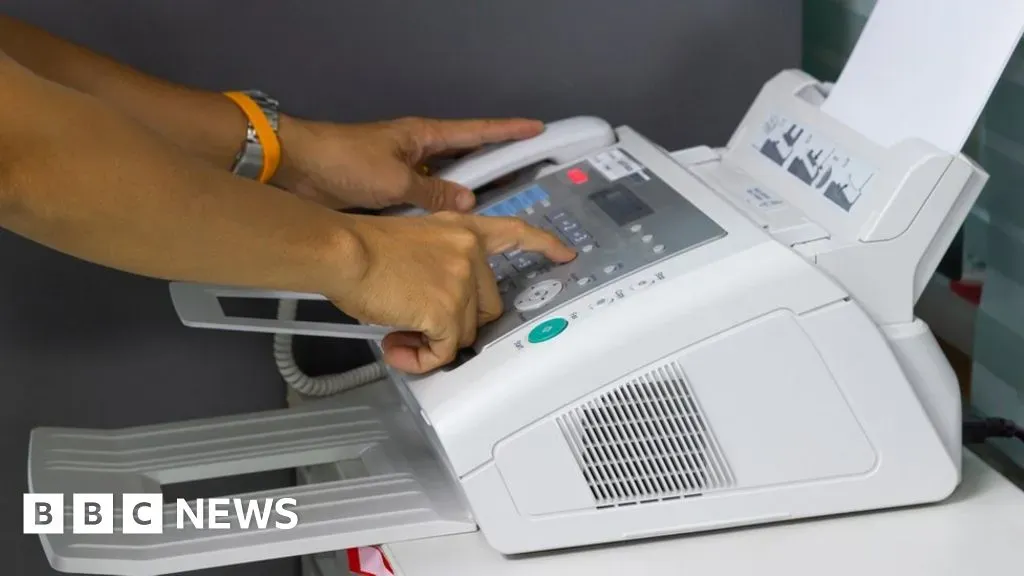
NHS fax machines have become a surprising relic in the modern world of health service communication, lingering on despite advancements in technology. In a bold initiative led by Health Secretary Wes Streeting, the plan to eliminate these outdated devices is finally taking shape. While three NHS trusts in England still depend on fax machines for their operations, Streeting is resolute in his mission to phase them out completely, promising updates on their progress. This technology update marks a significant shift in the NHS, which has been striving to enhance communication processes amidst growing cybersecurity threats. The impending fax machine elimination not only symbolizes a move toward contemporary methods but also underscores the commitment to improving efficiency across the health service.
The continued reliance on outdated facsimile devices in the NHS highlights a stark contrast to the digital advancements influencing healthcare today. As the Health Secretary initiates plans to phase out this antique technology, the focus shifts toward modern communication methods that better serve patients and professionals alike. With some NHS trusts holding onto these devices as a backup amid rising cybersecurity threats, the conversation around their necessity is increasingly relevant. Thus, as the push for technological evolution in the health sector gains momentum, the movement away from fax reliance signifies a broader transition to more innovative healthcare solutions. This journey reflects a growing recognition of the need for up-to-date practices that enhance the efficiency and security of health services.
The End of Fax Machines in the NHS: A Long Road Ahead
The journey to phasing out fax machines in the NHS has proven to be a challenging endeavor. Despite commitments from numerous health secretaries, including Wes Streeting’s recent update, three NHS trusts in England still utilize these outdated devices for daily operations. Leeds Teaching Hospitals NHS Trust, University Hospitals Birmingham NHS Foundation Trust, and Shrewsbury and Telford Hospital NHS Trust have made plans to eliminate the use of fax machines, yet they remain in the system. Health Secretary Wes Streeting has emphasized that while these trusts are taking steps towards modernization, the transition has not been fully realized due to operational difficulties.
The reliance on fax machines is particularly ironic considering the advancements in communication technologies available today. Health service communication is seeing a significant shift, as institutions are encouraged to adopt more efficient and secure methods of sharing sensitive patient information. However, the presence of fax machines, often stored away as backups, highlights the complexities of updating healthcare technology in a system that has historically lagged behind due to bureaucratic inertia. This creates a unique challenge for the NHS as it balances technological upgrades with the need for reliable communication channels.
Wes Streeting’s Commitment to Modernizing NHS Technology
Wes Streeting’s commitment to eradicating fax machines from the NHS symbolizes a broader effort to modernize healthcare communication. His recent updates reveal a focus on transitioning to more advanced technologies that streamline processes and enhance patient care. The push to phase out these archaic devices is part of a larger NHS technology update aimed at improving overall efficiency and security in health service communication. Streeting’s determination to update the health system resonates with many stakeholders who recognize the need for change.
Despite the obstacles faced, Streeting remains optimistic about the NHS’s technological evolution. With pledges echoing back to previous health secretaries, the focus is on not just eliminating fax machines but also ensuring that healthcare providers have the tools they need to serve patients effectively. This modernization initiative is crucial, not just for operational efficiencies but also for addressing issues of cyber security within the NHS, which has become increasingly paramount in today’s digital landscape.
Fax Machine Elimination: The Challenges Ahead in Healthcare Communication
While the goal to eliminate fax machines from the NHS is clear, the path to achieving this goal is fraught with challenges. The operational difficulties and concerns about backup systems amid cyber security threats provide significant pushback from institutions still relying on this technology. Even with multiple health secretaries calling for the phasing out of fax machines, their presence suggests a resistance to change, or perhaps a lack of viable alternatives in some cases. Health organizations must weigh the risks of transitioning away from fax use against the realities of communication needs and available technology.
The ongoing issue of fax machine elimination reflects a systemic struggle within the NHS as it attempts to balance tradition with the urgency for modernization. As streeting engages directly with trusts using fax machines, it is evident that the transition may take longer than anticipated, necessitating a focus on alternative solutions for health service communication. Solutions that are reliable, secure, and aligned with current technological advancements must be prioritized to ensure that the NHS does not fall behind in providing efficient patient care.
The History and Evolution of Fax Machines in the NHS
Fax machines entered the NHS with the intention of improving communication across medical services, but over the years, this technology has become more of a hindrance than a help. Initially celebrated for their ability to send documents quickly over telephone lines, fax machines have slowly been overshadowed by digital methods such as email and secure messaging systems. As health service communication has evolved, the reliance on fax machines has begun to reflect outdated practices that conflict with the current demands of healthcare delivery.
The persistence of fax machines in three remaining NHS trusts only underscores the urgency for a complete overhaul of healthcare communication methods. With healthcare becoming increasingly digital, the necessity of relying on such aging technology stands in stark contrast to the capabilities of modern tools. Understanding the history of fax technology within the NHS provides insight into the challenges facing those advocating for its elimination and underscores the importance of transitioning to more advanced and efficient communication technologies.
Understanding the Operational Difficulties Behind Fax Usage in NHS
The operational difficulties highlighted by NHS trusts utilizing fax machines reveal a deeper issue in healthcare systems: the fear of change. Working within a framework that relies on such antiquated technology raises concerns regarding continuity of care, especially in hospitals that operate across multiple sites. The assertion from leaders in these trusts that immediate elimination could disrupt operations marks a significant barrier to modernization. As adjustments take place slowly, the need for thoughtful strategies to impact patient care positively remains critical.
Moreover, the presence of these fax machines as emergency backups adds another layer to the reluctance surrounding their elimination. The fear of system failures and cybersecurity threats makes some institutions hesitant to fully retire fax machines, showing how ingrained and problematic this technology has become within the NHS. Addressing these operational challenges must be a priority for policymakers to ensure that communication within healthcare services evolves effectively and health providers feel secure in their ability to deliver care.
Cyber Security: The Role of Fax Machines in Today’s NHS
In an age where data breaches and cyber security threats are rampant, the argument for retaining fax machines in some NHS trusts hinges largely on the perception of safety. In certain cases, fax machines are positioned as a last line of defense for ensuring that vital communications can continue uninterrupted in the event of digital disruptions. This perspective reflects a critical understanding of the potential vulnerabilities inherent in modern communication technologies, underscoring the balance NHS must strike between old and new methods.
However, keeping fax machines due to cyber security concerns may hinder overall progress within healthcare communication. Embracing secure digital communication methods will ultimately enhance data protection while fostering a more modern and efficient NHS. As the conversation around cyber security and fax machines continues, it is essential to find alternative solutions that offer security without reverting to outdated practices, ensuring that the NHS keeps pace with technological advancements.
The Role of Leadership in Advancing NHS Technology
Leadership plays a pivotal role in driving the shift away from fax machines towards more innovative communication solutions within the NHS. Wes Streeting’s proactive approach emphasizes the importance of political commitment to eliminating outdated technologies. His willingness to engage directly with trust leaders not only demonstrates accountability but also encourages a culture of progress within the healthcare system. This type of leadership is essential as the NHS navigates the complexities of modern technology adoption.
Moreover, by rallying support from other healthcare leaders and stakeholders, Streeting can foster collaborative efforts to identify and implement effective communication strategies. The elimination of fax machines and the advancement of NHS technology will ultimately depend on visionary leadership that prioritizes innovation while addressing the concerns and needs of the workforce. Strengthening communication channels and eliminating fax machines is not only a matter of modernization but also of reinforcing trust in the systems that deliver health services.
The Push Towards Digital Transformation in the NHS
The NHS’s push towards digital transformation encompasses a wide range of objectives, one of the most crucial being the eradication of fax machines from their practices. This transformation efforts look beyond just eliminating antiquated technology; it is about the long-term aim of enhancing every aspect of healthcare delivery through technology. Digital tools offer the potential to streamline operations, improve patient outcomes, and enhance accessibility to services, aligning the NHS with the current technological landscape.
As the NHS embarks on this digital journey, it faces the challenge of ensuring all trusts and services are equipped to make the necessary changes. This means investing in training for healthcare staff, updating legacy systems, and establishing robust cyber security measures. The successful shift from fax machines to more innovative solutions will ultimately depend on a comprehensive strategy that considers the needs of every stakeholder, ensuring a cohesive and effective health service that is prepared for the future.
Changing Mindsets: The Cultural Shift Needed in NHS Communication
Changing the mindset surrounding fax machines within the NHS is crucial for successful modernization. The cultural entrenchment of fax technology can create a resistance to adopting new methods, which can stall progress and impact health service communication. It is essential that leadership promotes a culture of innovation where healthcare providers are encouraged to embrace new technologies and leave behind outdated practices that no longer serve their purposes.
Encouraging a cultural shift requires not just addressing technological changes but also dismantling misconceptions surrounding new communication tools. Education and training programs should be developed to facilitate this transition, ensuring that NHS staff are equipped with the knowledge and confidence to utilize digital platforms effectively. Fostering a progressive mindset within the NHS is imperative for the successful shift away from fax machines and towards a more trustworthy and efficient communication network.
Frequently Asked Questions
What efforts are being made to eliminate NHS fax machines?
Health Secretary Wes Streeting has made it a priority to eliminate fax machines from the NHS, promising a phased out approach by engaging directly with the few remaining NHS trusts still using this technology. His commitment aims to transition healthcare communication into the digital age.
Why are some NHS trusts still using fax machines?
Despite efforts to phase out fax machines, Leeds, Birmingham, and Shrewsbury and Telford NHS trusts continue to use them due to operational difficulties and the need for backup communication methods in case of system failures.
What is the timeline for the phasing out of NHS fax machines?
Wes Streeting announced plans to phase out NHS fax machines by October 2024, with Leeds and Birmingham trusts set to eliminate their use entirely within a year, while Shrewsbury and Telford may take longer.
How have NHS fax machines persisted despite the digital age?
NHS fax machines have persisted due to their historical use in health service communication and the challenges some trusts face in transitioning away from this technology. The legacy of fax machines remains, even as the NHS aims to modernize.
What technological updates can we expect in the NHS in place of fax machines?
The NHS is focusing on adopting modern communication technologies such as secure email systems and digital records management to replace fax machines, improving efficiency and security in health service communication.
What role did previous health secretaries play in the fax machine elimination process?
Previous health secretaries, like Matt Hancock, initiated the ban on purchasing new fax machines and pledged to eliminate their use in the NHS, setting the stage for the ongoing efforts led by his successors, including Wes Streeting.
What are the current statistics regarding NHS fax machine usage?
Currently, only three out of 205 NHS trusts in the UK still actively use fax machines. This figure reflects significant progress towards the goal of eliminating this outdated technology from the health service.
What challenges does the NHS face in transitioning from fax machines?
The NHS faces challenges such as resistance from some trusts due to operational dependencies on fax machines and the need for backup systems to ensure continuous communication amid cybersecurity threats.
How does the continued use of fax machines impact NHS efficiency?
The continued use of NHS fax machines can hinder efficiency by relying on outdated technology, which is slower and less secure than modern digital communication methods, delaying patient care and administrative processes.
What are the implications of phasing out fax machines for NHS communication?
Phasing out fax machines is expected to enhance NHS communication efficiency, improve security against cyber threats, and modernize the way healthcare information is shared and managed across trusts.
| Key Points |
|---|
| Despite 180 years of existence, some NHS trusts still use fax machines. |
| Health Secretary Wes Streeting aims to phase out fax machines by 2025. |
| As of now, only three NHS trusts continue to use them: Leeds, Birmingham, and Shrewsbury and Telford. |
| Both Leeds and Birmingham have plans for complete removal within 12 months; Shrewsbury and Telford will take longer. |
| Fax machines were historically common in various sectors but have been largely replaced by email. |
| The last mandate to stop buying fax machines was issued in 2018, but they are still in use. |
| Some fax machines are kept for emergency backup and cyber security reasons. |
Summary
NHS fax machines have persisted in usage despite evolving technology, and Health Secretary Wes Streeting is on a mission to eliminate them from the health service. With only three NHS trusts still relying on this outdated technology, significant steps are being taken towards modernization. As Leeds, Birmingham, and Shrewsbury and Telford prepare to transition away from fax machines, the goal remains clear: a future where healthcare communication is efficient and up-to-date.