Listen to this article
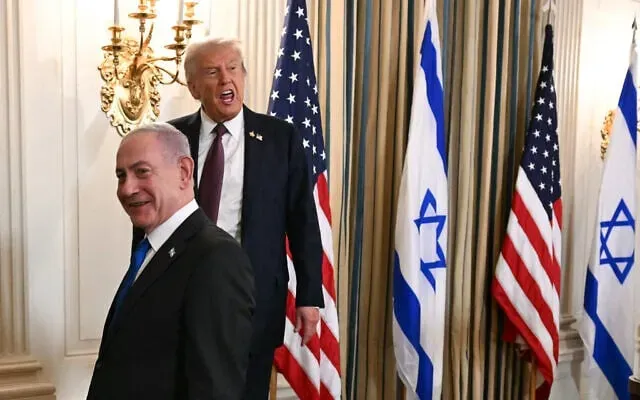
The Netanyahu Board of Peace marks a significant turning point in the quest for stability in the Middle East, as Israeli Prime Minister Benjamin Netanyahu has joined forces with US President Donald Trump to create a new initiative aimed at resolving long-standing conflicts. This board is not just a diplomatic formality; it aims to tackle pressing issues such as the Gaza reconstruction efforts in 2023 and the deeper-rooted Hamas-Israel conflict. The involvement of international figures on the board symbolizes a renewed commitment to the peace process in the Middle East, with volunteers from various countries offering their perspectives on international relations with Israel. As discussions gain momentum, questions remain about how the board will navigate the complexities of humanitarian needs and political agreements. Ultimately, the Netanyahu Board of Peace could play a crucial role in shaping the future landscape of peace and cooperation in a region rife with challenges.
The initiative led by Netanyahu to form a Board of Peace with President Trump symbolizes an innovative approach to diplomacy and international cooperation. As global leaders convene to address the continuous strife within the Middle East, this board aims to provide a strategic platform for resolving the turmoil surrounding Gaza and the broader Israeli-Palestinian tensions. With a focus on enhancing international relations and facilitating the much-needed reconstruction efforts in Gaza, the board could shift paradigms in how peace accords are structured. The collaboration between Netanyahu and Trump not only highlights key geopolitical dynamics but also seeks to tackle the contentious issues stemming from the ongoing Hamas conflict. By fostering dialogue and collective action, this initiative may redefine the prospects for achieving a lasting peace in the region.
The Role of the Netanyahu Board of Peace in Middle East Relations
The formation of the Netanyahu Board of Peace, as endorsed by US President Donald Trump, marks a pivotal moment in international relations Israel. This board is designed not only to address the ongoing Israel-Hamas conflict but also to establish broader dialogues around the peace process in the Middle East. With Netanyahu at the helm, this initiative could potentially redefine Israel’s diplomatic landscape and its interactions with both neighboring states and global powers.
As multiple countries including Bahrain, Egypt, and the UAE express willingness to participate, the board’s composition hints at a new collaborative approach to peace efforts. This collaboration may lead to a more unified front in addressing the urgent need for Gaza reconstruction in 2023, while ensuring that regional stability and governance are prioritized.
Challenges Ahead: Gaza Reconstruction and the Hamas-Israel Conflict
The road to Gaza’s reconstruction remains fraught with challenges, particularly regarding the ongoing Hamas-Israel conflict. Although the Netanyahu Board of Peace aims to oversee reconstruction efforts, the lack of mention of Palestinian territories in its charter raises concerns among observers about the board’s true intentions. How will Gaza be effectively rebuilt without a clear focus on Palestinian representation or input?
Moreover, the task of demilitarization and disarmament of Hamas is crucial for long-term peace but presents significant hurdles. Achieving consensus among regional players and ensuring their cooperation will be paramount in moving forward with any meaningful reconstruction plans. These elements make it essential for the board to implement a strategy that not only addresses physical reconstruction but also fosters dialogue between Israel and Palestinian authorities.
International Participation in the Board of Peace
The involvement of international figures, such as Pope Leo and various world leaders, exemplifies the global interest surrounding the Netanyahu Board of Peace. While some nations have pledged their support, others, including Norway, might abstain due to concerns about the proposed governance structure and its implications for the traditional roles played by the United Nations.
The board’s effectiveness hinges on the cooperation of diverse international stakeholders, as its objectives include stabilizing conflict-affected zones and promoting lawful governance. The delicate balance of aligning interests and achieving a unified stance will be pivotal in ensuring that the board operates effectively within the scope of international relations.
Trump’s Role and Direction in the Peace Process
As the chairman of the Netanyahu Board of Peace, President Trump wields significant influence over the direction of peace processes in the Middle East. His approach is expected to reflect his administration’s broader foreign policy objectives, which may prioritize bilateral agreements over multilateral solutions traditionally advocated by the UN.
The leadership choices made by Trump, including the appointment of figures like Jared Kushner and Tony Blair, signal a potential emphasis on personal diplomacy and strong connections with key players. This leadership framework will shape the execution of the board’s mandates and could redefine approaches to long-standing conflicts in the region.
Concerns Over Inclusivity and Governance
A critical concern surrounding the Netanyahu Board of Peace is its potential lack of inclusivity, particularly regarding Palestinian voices. Observers worry that without meaningful representation from Palestinian authorities, the board’s initiatives may not reflect the realities on the ground or the needs of the people directly affected by the conflict.
This gap in governance could undermine the board’s legitimacy and effectiveness. Engaging Palestinian leaders and communities is essential for any reconstruction efforts in Gaza to be viewed as equitable and just, thereby fostering a more sustainable peace in the long term.
Funding and Membership Dynamics of the Board
An intriguing aspect of the Netanyahu Board of Peace is its membership structure, where a significant financial commitment is required for permanent status. The expectation to contribute $1 billion raises questions about the prioritization of wealth over representation in international relations. This could lead to a disparity in influence, where wealthier nations hold greater sway over peace processes.
Such dynamics may inhibit broader participation from smaller nations that lack the financial clout, ultimately affecting the board’s credibility. An equitable solution would require a reassessment of how membership is determined and how contributions correlate with influence and decision-making within peace initiatives.
The Impact of Regional Geopolitics on the Peace Plan
Regional geopolitics plays a significant role in the effectiveness of the Netanyahu Board of Peace. Nations such as Turkey and Qatar, which have historically played mediator roles, may have differing priorities compared to the board’s goals. As these nations interact with both Hamas and Israel, their actions could significantly influence the board’s success.
The intricate web of alliances and rivalries within the Middle East necessitates a nuanced understanding of each player’s motivations. The interactions and negotiations between these regional actors will be crucial in shaping a sustainable peace plan and achieving recognizable results for the people of Gaza.
Historical Context of Israel-Hamas Relations
Understanding the historical context of the Israel-Hamas conflict is vital for grasping the current peace efforts. The long history of tensions, military actions, and failed negotiations has created a complex backdrop for any new initiatives. The Board of Peace must navigate these historical grievances while seeking to establish trust and cooperation.
Efforts to construct a viable peace framework will require acknowledgment of the past, as well as innovative approaches to reconciliation. Addressing historical wounds through dialogue and constructive engagement is essential for fostering long-lasting peace in the region.
Implications of the Board’s Charter for Future Peace Efforts
The charter of the Netanyahu Board of Peace will serve as a critical foundation for its operations and goals. Its intent to act as an international framework for governance in Gaza raises questions about the implications for existing processes led by the United Nations. As the board seeks to establish its presence by 2027, how it aligns with or diverges from UN efforts will be closely scrutinized.
The board must ensure that its charter addresses the diverse needs and concerns of all stakeholders in the peace process, particularly those directly affected by the challenges in Gaza. Effective application of international law and cooperation among its members will be essential to achieve the intended peaceful outcomes.
Looking Ahead: Future Developments in the Peace Process
As developments continue to unfold regarding the Netanyahu Board of Peace, the region must brace for the potential impacts of these partnerships and initiatives. The involvement of diverse international actors could bring fresh perspectives to longstanding conflicts but may also complicate existing dynamics.
Future interactions will shape not only the immediate reconstruction efforts in Gaza but also the broader peace process in the Middle East. The ongoing challenge will involve navigating the complexities of regional politics while striving to achieve lasting peace and stability for all parties involved.
Frequently Asked Questions
What is the Netanyahu Board of Peace and its purpose in the Middle East peace process?
The Netanyahu Board of Peace is a collaborative initiative established to facilitate the peace process in the Middle East, particularly focusing on relations between Israel and Hamas. It aims to oversee reconstruction efforts in Gaza and promote lasting stability and lawful governance in conflict-affected areas.
How does Netanyahu’s collaboration with Trump benefit international relations in Israel?
Netanyahu’s collaboration with Trump through the Board of Peace is seen as a strategic move to strengthen international relations for Israel. It involves engaging with global leaders to create a unified approach towards peace in the region, impacting the dynamics between Israel and neighboring states.
What role will the Gaza Executive Board play in the Gaza reconstruction in 2023?
The Gaza Executive Board, connected to the Netanyahu Board of Peace, will oversee the reconstruction efforts in Gaza, ensuring the restoration of public services and civil institutions while managing the disarmament of Hamas and the withdrawal of Israeli forces.
What has been the international response to the Netanyahu Board of Peace initiative?
The international response to the Netanyahu Board of Peace has been mixed, with countries like Bahrain and Egypt agreeing to participate, while others like Norway have declined due to concerns about the proposal’s implications for Palestinian territories.
How are member states selected for the Netanyahu Board of Peace and its Executive Board?
Member states for the Netanyahu Board of Peace are invited based on their willingness to contribute economically and politically to the peace process. The Executive Board comprises ‘leaders of global stature’ appointed by the board chairman, enhancing its credibility and outreach.
What challenges does the Netanyahu Board of Peace face in achieving peace between Hamas and Israel?
The Netanyahu Board of Peace faces significant challenges in achieving peace, particularly regarding the disarmament of Hamas and addressing violent incidents since the truce began. Complex negotiations and the historical context of the Hamas-Israel conflict contribute to these difficulties.
How has the formation of the Board of Peace impacted Gaza’s governance and international law?
The Board of Peace’s formation aims to provide a transitional administration for Gaza under international law, intended to restore lawful governance and oversee the region’s redevelopment until 2027. However, it has raised concerns about its approach to Palestinian representation.
Why did Netanyahu’s office express concern over the Gaza Executive Board’s coordination?
Netanyahu’s office has expressed concerns regarding the Gaza Executive Board’s formation, indicating it was not coordinated with Israel. This signifies apprehensions about the inclusion of representatives from Turkey and Qatar, who have historically engaged in ceasefire negotiations.
What is the significance of the Netanyahu Board of Peace’s charter regarding permanent membership?
The charter of the Netanyahu Board of Peace stipulates that permanent membership can be attained by contributing $1 billion in funding, which underscores the board’s focus on financial investment as a key to sustaining lasting peace initiatives in the region.
How does the Gaza reconstruction in 2023 relate to the broader peace process in the Middle East?
The Gaza reconstruction in 2023 is a critical aspect of the broader Middle East peace process, as it aims to address the humanitarian crisis while building a framework for cooperation and stability between Israel and the Palestinian territories, mediated by international actors.
| Key Points | Details |
|---|---|
| Netanyahu joins Trump’s Board of Peace | Netanyahu’s term is renewable every three years; the board aims to mix world leaders. |
| Focus on Israel-Hamas Conflict | Initially expected to address the Israel-Hamas conflict and reconstruction efforts in Gaza. |
| Concerns Over Territorial Inclusion | The proposed charter does not mention Palestinian territories, causing speculation about replacing UN roles. |
| International Participation | Countries like Bahrain, Egypt, and UAE have agreed to join; others remain uncommitted. |
| Membership Terms | Renewable terms of three years; permanent membership requires $1 billion contribution. |
| Executive Board Structure | Chaired by Trump, with founding members including high-profile international leaders. |
| Task of Gaza Executive Board | Overseeing reconstruction and disarmament processes. |
| UN Endorsement | UN Security Council resolution supports the board as a transitional administration. |
| Ongoing Violence and Truce | Over 460 Palestinian casualties noted since truce; challenges persist around disarmament. |
Summary
The Netanyahu Board of Peace is a significant initiative aimed at tackling the long-standing issues of peace and stability in the Middle East. With the participation of various international leaders and a focus on resolving the Israel-Hamas conflict, this board seeks to create avenues for diplomatic dialogue and reconstruction. As tensions remain high, the effectiveness of the board will be tested in its ability to foster lasting peace and security in the region.