Listen to this article
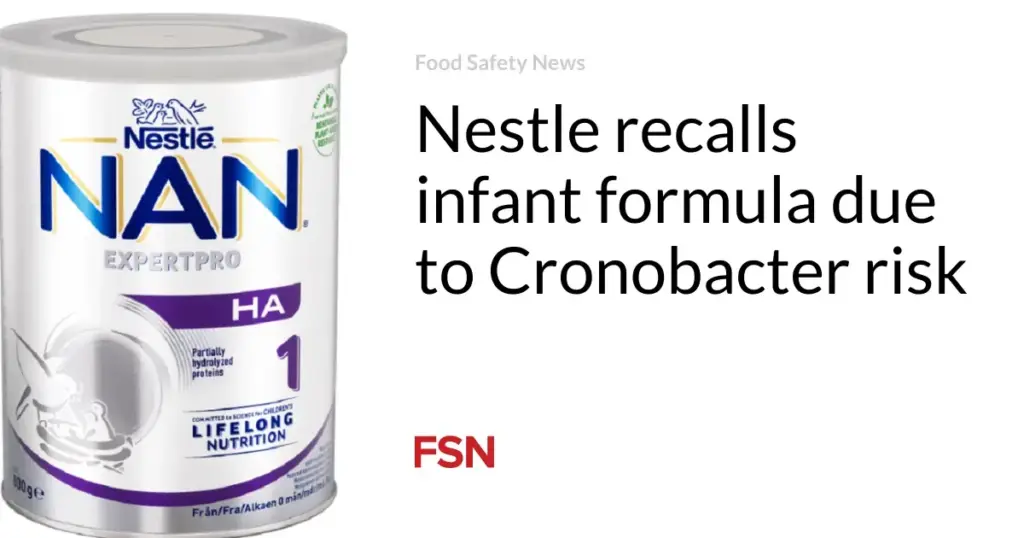
Nestlé baby formula recall has become a significant headline as the global food giant alerts consumers about potential health risks associated with certain batches of its SMA infant formula. The recall stems from concerns that these products may contain cereulide, a dangerous toxin that can lead to severe food poisoning, including symptoms such as nausea and vomiting. In an effort to prioritize baby formula safety, Nestlé has urged parents to refrain from using the affected items and is offering refunds to those impacted. While no illnesses have been reported thus far, the company emphasizes the importance of product safety, ensuring that all other Nestlé offerings remain safe for consumption. Customers are encouraged to check the batch numbers on Nestlé’s website or through regulatory sources to ensure the safety of their purchases.
The recent notice regarding the recall of specific baby formula products by Nestlé highlights critical issues in infant nutrition and product safety. The affected SMA infant formula, potentially contaminated with cereulide, raises flags about food poisoning risks that can compromise infant health. As parents and caregivers navigate their choices, the emphasis on secure feeding practices and timely information becomes paramount in safeguarding young lives. Nestlé’s proactive decision to recall the formula illustrates their commitment to ensuring that consumers are well-informed about product quality. It is essential for families to remain vigilant and consult available resources to minimize potential health hazards associated with such recalls.
Understanding the Nestlé Baby Formula Recall
In recent news, Nestlé has officially recalled certain batches of its baby formula due to potential contamination with cereulide, a toxin that poses a risk of food poisoning, particularly to vulnerable infants. The affected products include specific varieties of SMA infant formula and follow-on formula, which are popular choices among parents. This precautionary measure underscores the importance of baby formula safety, as any potential risk to a child’s health is taken seriously by manufacturers and regulatory authorities alike.
Nestlé’s decision to issue the recall comes despite no confirmed cases of illness linked to the products, illustrating their commitment to proactive safety measures. The company has assured parents and caregivers that their primary concern is the wellbeing of babies, emphasizing their priority in maintaining product safety throughout their supply chain. Parents are advised to remain vigilant by checking the batch numbers of the products in their possession, which can be found either on Nestlé’s official website or through food safety authorities.
The Risks of Cereulide Toxin in Infant Formula
Cereulide is known to be produced by certain strains of Bacillus cereus bacteria, which can result in serious food poisoning symptoms such as nausea, vomiting, and stomach cramps. Unfortunately, such symptoms can develop swiftly after ingestion, which is concerning for parents feeding infants with impacted formulas. It is critical to understand that the cereulide toxin cannot be neutralized through normal cooking methods, and therefore, it presents a serious risk when found in baby food products.
Due to the potential severity of food poisoning linked to cereulide, authorities like the Food Standards Agency (FSA) have been active in disseminating warnings and guidelines for parents. They urge guardians to refrain from using any recalled SMA infant formula, emphasizing consultation with healthcare providers for anyone who might have already fed the affected products to infants. This reinforces the notion that education on food safety is essential, ensuring that caregivers are equipped to respond appropriately to potential health risks.
Nestlé’s Commitment to Product Safety
Nestlé has reiterated its dedication to product safety following the recall of its SMA infant formula. The company has promised to issue refunds for customers affected by the recall, reflecting their commitment to customer service and responsibility. Additionally, Nestlé has stated that this issue was attributed to an ingredient supplied by a vendor, which highlights the complexities of food safety within the supply chain. All other batches not involved in the recall are still considered safe for consumption, providing some reassurance to parents.
In response to the recall, Nestlé is taking extensive measures to manage the situation effectively. This includes removing the affected products from shelves swiftly and ensuring that the public remains informed about which products are safe and which are not. By maintaining transparency around product safety and addressing concerns head-on, Nestlé aims to rebuild consumer trust following this unfortunate incident.
Guidance for Parents During the Recall Period
During the recall period, it is imperative for parents and caregivers to stay informed about the situation. They should thoroughly check their supplies of SMA infant formula for the batch numbers associated with the recall. This information is readily accessible on Nestlé’s website and food safety platforms, ensuring the public can easily determine whether they need to dispose of any products.
If any parents have inadvertently administered the affected formulas to their infants, they should not hesitate to seek medical advice. Contacting a healthcare provider or using emergency services like NHS 111 can provide guidance and peace of mind. The health of their child is paramount, and understanding the symptoms of food poisoning related to cereulide can help in seeking timely care if noticeable symptoms arise.
Impact of Food Poisoning on Infants
Food poisoning can have particularly dire effects on infants who are still developing their immune systems. The symptoms associated with toxins like cereulide—such as vomiting and diarrhea—can lead to dehydration, which is particularly dangerous for young children. Parents must recognize the potential signs of distress and act swiftly if their baby exhibits any unusual symptoms following the ingestion of formula.
Additionally, the consequences of food poisoning can extend beyond physical health, as the anxiety surrounding such incidents can cause emotional distress for parents. Understanding the dangers associated with food toxins is crucial, helping parents to navigate these stressful situations with awareness and support. It is essential for caregivers to have resources available to educate themselves on food safety practices and the implications of bad ingredients in baby products.
Checking Baby Formula: What Parents Should Look For
To ensure the safety of baby formula, parents should regularly check both the packaging and the nutritional information provided. It is vital to adhere strictly to the guidelines regarding batch numbers, expiration dates, and product recalls. This vigilance not only supports healthy choices but also ensures that caregivers can react quickly if any products are implicated in safety alerts.
Furthermore, when purchasing baby formula, it’s advisable to choose brands that have established stringent safety protocols. As seen with the recent Nestlé baby formula recall, even reputable companies can face hazards—selecting brands that prioritize product safety can provide further peace of mind for parents navigating the complex world of baby nutrition.
Community Support and Sharing Information
In the wake of the Nestlé baby formula recall, community support can serve as an invaluable resource for parents. Sharing information with other caregivers and discussing experiences can help alleviate concerns and spread awareness about any safety issues. Forums and social media groups focused on parenting or infant care are excellent platforms for gathering insights and tips from fellow parents who may be dealing with similar anxiety.
By fostering an open environment of communication, parents can remain informed about the latest news and safety recalls affecting baby products. Sharing official announcements and advice from health agencies further empowers families to make informed decisions for their children’s health and safety.
Legal and Regulatory Aspects of Food Safety
The recall of Nestlé baby formula products underscores the legal and regulatory frameworks governing food safety. Food and beverage companies are held to strict standards and must comply with health regulations designed to protect consumers, particularly children who are vulnerable to foodborne illnesses. In the case of a recall, the company must act quickly and transparently to meet regulatory requirements, reassuring the public of their commitment to safety.
Additionally, regulatory agencies play a crucial role in overseeing food products and responding to public health concerns. Ongoing dialogue between manufacturers, health inspectors, and the public is essential to enhance food safety practices across the industry. Legal repercussions for failing to uphold these standards can serve as added motivation for companies to prioritize consumer safety in all aspects of their operations.
Long-Term Trust in Baby Formula Brands
The recent Nestlé baby formula recall may impact consumer trust in the brand, but it is important to consider the long-term trust that forms the basis of consumer relationships with baby formula brands. Safety incidents can prompt brands to re-evaluate their safety protocols and improve their quality assurance processes. Companies that proactively address issues, as Nestlé is doing, often regain consumer confidence over time.
Moreover, transparency during health crises fosters a positive relationship with customers. Brands that openly communicate recall information and provide assurances of safety inspire loyalty in parents who prioritize the health of their children. Continuous vigilance in improving safety standards ultimately sustains long-term trust and credibility in the market.
Frequently Asked Questions
What prompted the Nestlé baby formula recall?
The Nestlé baby formula recall was prompted by concerns that certain batches of SMA infant formula contained cereulide toxin, which can lead to food poisoning symptoms such as nausea and vomiting. Although there were no confirmed reports of illness, Nestlé acted ‘out of an abundance of caution’ to ensure baby formula safety.
Which products are included in the Nestlé baby formula recall?
The recall specifically affects certain batches of SMA infant formula and follow-on formula products. Customers can find the affected batch numbers listed on Nestlé’s website or at food.gov.uk.
What is cereulide and how does it relate to the Nestlé baby formula recall?
Cereulide is a toxin produced by Bacillus cereus bacteria that can cause food poisoning. Its presence in certain batches of SMA infant formula triggered the Nestlé baby formula recall, as ingestion can lead to symptoms like vomiting and stomach cramps.
How do I know if my SMA infant formula is affected by the Nestlé recall?
To determine if your SMA infant formula is part of the Nestlé recall, check the batch numbers on the bottom of the tin or box for powdered formulas, or on the outer box and container for ready-to-feed formulas. Affected batch numbers can also be found on Nestlé’s website.
What should I do if I have fed my baby the recalled Nestlé formula?
If you have fed your baby the recalled Nestlé formula and have concerns, it’s important to seek advice from healthcare professionals. You can contact your general practitioner (GP) or call NHS 111 for guidance on potential health effects.
Will I receive a refund for the recalled Nestlé baby formula?
Yes, Nestlé has promised refunds for customers who purchased the recalled SMA infant formula products. You can find details about the refund process on their official website.
Is it safe to consume other Nestlé products amid the baby formula recall?
Yes, all other Nestlé products that have not been recalled are considered safe for consumption. The company has reassured customers that the recall only affects specific batches of SMA infant formula.
What measures are being taken regarding the safety of Nestlé baby formula?
Nestlé is removing the affected products from sale as a precaution and is taking steps to ensure that baby formula safety is prioritized. They are collaborating with vendors to address the issue and prevent future occurrences.
| Key Point | Details |
|---|---|
| Recall Announcement | Nestlé recalled certain SMA infant formula and follow-on formula due to contamination concerns. |
| Health Risk | Products may contain cereulide, a toxin that can cause food poisoning symptoms such as nausea and vomiting. |
| Company’s Statement | Nestlé stressed the recall is a precautionary measure, prioritizing baby safety and offering refunds to customers. |
| Batch Numbers | Affected batch numbers can be found on Nestlé’s website and food.gov.uk. |
| Expert Advice | Parents should not feed affected products to their infants and seek advice if they have concerns. |
Summary
The recent Nestlé baby formula recall has raised significant concerns among parents and caregivers due to the potential health risks associated with contaminated products. Although no illnesses have been reported, the proactive measures taken by Nestlé highlight the importance of safety when it comes to infant nutrition. Consumers are urged to check batch numbers and follow official guidelines to ensure their children’s wellbeing.