
Listen to this article
Neptune Wharf development is set to transform the Fish Island area, with proposals indicating that over 300 homes could be built to meet the increasing demand for housing in Tower Hamlets. The ambitious plans by McLaren involve constructing two striking buildings that would rise between seven and ten stories, nestled between Wansbeck Road, Monier Road, and Remus Road. Besides residential units, the development aims to create vibrant community spaces that foster interaction among residents. Among the new homes, 44 are earmarked for social rent, providing much-needed affordable options in this rapidly developing neighborhood. As the project moves forward, it seeks to rejuvenate Fish Island, making it a coveted destination for modern living and enhancing the local housing landscape.
The proposed construction at Neptune Wharf is part of a broader initiative to enrich the housing landscape in Fish Island, a burgeoning district within Tower Hamlets. With developers like McLaren at the helm, plans are in place for two innovative structures that will not only house residents but also include essential community spaces. This project signifies a response to the urgent need for diverse housing options, including social rent homes, within the area. Furthermore, the development aligns with contemporary residential trends, offering co-living studios similar to those found in student accommodations, thereby appealing to a wide array of potential residents. As plans evolve, Neptune Wharf is poised to become a key player in the transformation of Fish Island homes.
Overview of Neptune Wharf Development
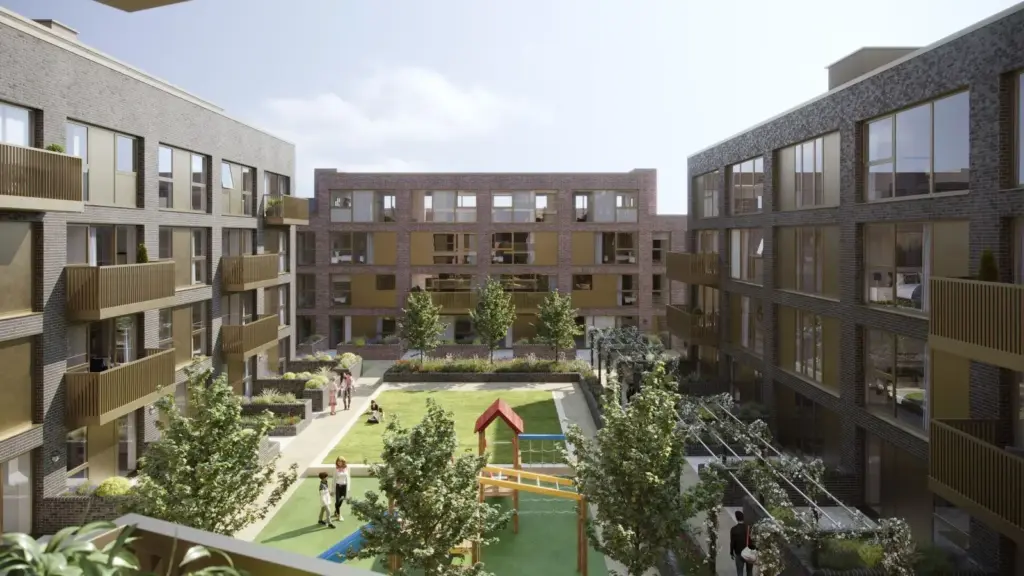
Neptune Wharf development is set to change the landscape of Fish Island significantly, with plans for over 300 new homes that seek to meet the rising demand for housing in Tower Hamlets. This ambitious project is spearheaded by McLaren, a prominent developer known for its commitment to creating sustainable communities. It proposes to construct two prominent buildings, ranging from seven to ten stories tall, which will not only add much-needed housing but also integrate community spaces that promote social interaction and a sense of belonging among residents.
The site, strategically located between Wansbeck Road, Monier Road, and Remus Road, aims to offer diverse living options. While the majority of the proposed units will be co-living studios, designed similarly to modern student accommodations, the inclusion of 44 social rent homes addresses the urgent need for affordable housing solutions in the area. As Tower Hamlets continues to face challenges with housing supply, the Neptune Wharf project represents a significant step towards a more balanced and inclusive housing strategy.
Community Spaces in Fish Island Homes
One of the standout features of the Neptune Wharf development is the focus on community spaces that are crucial for fostering a vibrant neighborhood atmosphere. The plans indicate that these shared areas will cater to various activities, promoting interactions between residents and enhancing community bonds. Such spaces are valuable not only for leisure but also for organizing community events, workshops, and activities that enrich the lives of those residing in the Fish Island homes.
The emphasis on community integration aligns with the broader vision of development in Tower Hamlets, where local councils are striving to create neighborhoods that prioritize social well-being alongside housing. The inclusion of community spaces at Neptune Wharf is indicative of McLaren’s understanding of modern urban living, where simply providing housing isn’t enough; creating environments where people can connect is essential. This aspect of the development is expected to attract both potential residents and stakeholders looking for innovative housing solutions.
Affordability and Social Rent Homes in Fish Island
Addressing the critical issue of affordability, the Neptune Wharf development includes a commitment to providing 44 homes specifically designated for social rent. This initiative is particularly significant given the ongoing housing crisis in London, where many families are struggling to find suitable and affordable accommodation. By incorporating social rent homes within the Fish Island project, McLaren is taking a proactive approach to ensure that lower-income households are not excluded from the booming residential market.
Moreover, the provision of social rent homes reflects an understanding of the diverse needs within the community and aligns with the Tower Hamlets Council’s goals for inclusive development. With London experiencing a dramatic rise in housing costs, initiatives like these are vital to maintain community stability and diversity. The integration of affordable options into the Neptune Wharf scheme illustrates a balanced approach to urban development, catering to a wide range of socio-economic backgrounds.
McLaren Construction Plans for Tower Hamlets
McLaren’s construction plans for the Neptune Wharf development showcase their commitment to the growth and revitalization of Tower Hamlets. With the proposal detailing the construction of two carefully designed buildings, the company aims to enhance the area while adhering to high standards of sustainability and design. The company’s reputation for quality design aligns seamlessly with community expectations for modern, efficient living spaces that still retain a connection to the locality’s heritage.
These plans come at a time when Tower Hamlets is seeing an urgent need for new housing developments due to a growing population. McLaren’s approach takes this into account by ensuring that their construction plans not only meet council objectives but also incorporate feedback from local communities. The engagement with residents and stakeholders during the planning process is vital to achieving a development that is broadly supported and addresses the housing needs of the area.
Environmental Considerations in Neptune Wharf Development
As part of McLaren’s efforts for responsible development, environmental considerations are paramount in the planning of the Neptune Wharf project. The initial submission to Tower Hamlets Council included a request for a screening opinion, allowing planning officers to evaluate whether an Environmental Impact Assessment (EIA) is necessary. This proactive step showcases McLaren’s commitment to minimizing ecological disruption and aligns with sustainable development practices that are increasingly sought after in urban construction.
The emphasis on environmental responsibility reflects broader trends within the construction industry where the integration of eco-friendly practices is becoming standard. If the development proceeds without the need for a full EIA, it signifies a positive indication of the environmental compatibility of the proposed housing units and community spaces within the existing urban framework of Fish Island.
Construction Timeline for Neptune Wharf
Looking ahead, the anticipated timeline for the Neptune Wharf development is drawing interest among local stakeholders and potential residents alike. McLaren aims to commence construction in late 2027 or early 2028, contingent upon receiving the necessary planning approvals. This timeline is vital for those seeking housing solutions in Tower Hamlets, a borough where demand is escalating and waiting times for suitable homes are often prolonged.
The phased approach to construction not only allows for careful planning and execution but also provides an opportunity for local businesses and residents to engage in the development process, ensuring their needs and concerns are addressed. The timeline offers a glimpse into the future of housing in Fish Island, with hopes high for the successful completion of a project that promises to deliver modern amenities and community-focused living.
Local Impact of Neptune Wharf Development
The local impact of the Neptune Wharf development goes beyond just increasing housing stock; it promises to influence the socio-economic landscape of Fish Island and Tower Hamlets. By introducing over 300 new homes, including units designed for social rent, the project is expected to attract a diverse demographic, fostering a mixed community that reflects the rich cultural tapestry of East London. This influx of residents will, in turn, stimulate local businesses and services, contributing to the overall economic vitality of the area.
In addition to economic impacts, the community-centric design of Neptune Wharf aims to create a sense of place and belonging for new and existing residents in Fish Island. The incorporation of community spaces is particularly crucial in areas facing rapid change, as it helps maintain a sense of community cohesion amidst urban transformation. The planned development is anticipated to be a catalyst for further investment and improvement in local facilities, enhancing the quality of life for all residents.
Planning Process and Community Engagement
An integral part of the Neptune Wharf development journey is the planning process, which involves a robust system of engagement with the community and local authorities. McLaren’s approach emphasizes transparency and inclusivity, allowing residents to voice their opinions and concerns regarding the proposed housing scheme. This level of engagement is essential not only for gathering feedback but also for building trust between the developer and the community.
As planning progresses, the involvement of local stakeholders will be crucial in shaping the final outcome of the project. McLaren’s willingness to listen and adapt based on community feedback indicates a commitment to creating a development that truly meets the needs of Fish Island residents. This collaborative approach to planning can serve as a model for future developments in Tower Hamlets, promoting a more inclusive urban development strategy.
The Future of Housing in Fish Island and Beyond
The Neptune Wharf development is just one example of the innovative housing solutions being proposed in Fish Island, reflecting a larger trend towards modern, community-focused living. As London grapples with a significant housing crisis, projects like these are vital for addressing the urgent needs of its diverse population. The focus on co-living arrangements and social rent homes demonstrates a shift in how housing can be conceptualized, providing options that cater to various lifestyles and economic situations.
Looking to the future, the successful execution of the Neptune Wharf project could pave the way for similar developments across Tower Hamlets and beyond. It highlights the importance of balancing the need for new housing with community needs, emphasizing that modern developments should foster social interactions and community ties. As more projects come to fruition, they will ideally contribute to a more sustainable and inclusive urban fabric, setting a precedent for future housing initiatives.
Frequently Asked Questions
What is the Neptune Wharf development in Fish Island?
The Neptune Wharf development in Fish Island is a proposed housing project by McLaren that aims to build over 300 homes on land near Wansbeck Road, Monier Road, and Remus Road. The development includes plans for two buildings that will feature community spaces and amenity areas, contributing to the overall housing stock in Tower Hamlets.
How many homes are planned for the Neptune Wharf development?
The Neptune Wharf development plans to construct a total of 324 new homes. Out of these, 44 homes will be designated for social rent to address housing needs in the area, while the remaining 280 will consist of modern ‘co-living’ studio apartments.
What type of housing will be available at Neptune Wharf?
The Neptune Wharf development will offer a mix of housing types, including 44 social rent homes and 280 co-living studio apartments that are similar to flats commonly found in student accommodation. This diversity in housing options aims to meet the varied needs of the community in Fish Island.
When is construction expected to start for the Neptune Wharf development?
If McLaren receives the necessary planning permissions, construction for the Neptune Wharf development is anticipated to commence in late 2027 or early 2028, marking a significant addition to the housing landscape in Tower Hamlets.
Will the Neptune Wharf development include community spaces?
Yes, the Neptune Wharf development is designed to incorporate community spaces and amenity areas, enhancing the quality of life for residents and contributing to a vibrant community environment in Fish Island.
Is an Environmental Impact Assessment required for Neptune Wharf development?
According to the planning officers at Tower Hamlets Council, any planning application for the Neptune Wharf development will not require an Environmental Impact Assessment. This was established during preliminary discussions regarding the project’s impact.
Why was the Neptune Wharf site previously designated for a primary school?
The site for the Neptune Wharf development was initially earmarked for a new primary school. However, the Tower Hamlets Council decided in 2023 that a new school was no longer necessary due to a decline in pupil numbers, resulting in many existing primary schools facing under-enrollment.
Who is the developer behind the Neptune Wharf housing project?
The developer behind the Neptune Wharf housing project is McLaren, which is renowned for its construction plans and commitment to delivering quality housing developments in various communities, including those in Tower Hamlets.
What are the key features of the Neptune Wharf development’s buildings?
The proposed buildings in the Neptune Wharf development will range from seven to ten stories in height, offering modern living solutions along with essential community spaces, which will enhance the livability of the Fish Island area.
How does the Neptune Wharf development plan to address housing demands in Tower Hamlets?
By providing a mix of homes, including social rent and modern co-living studios, the Neptune Wharf development aims to address the increasing housing demands in Tower Hamlets, ensuring that a variety of living options are available to the community.
| Key Point | Details |
|---|---|
| Location | Neptune Wharf, Fish Island, London |
| Developer | McLaren |
| Number of Homes | Proposed 324 new homes, including 44 for social rent |
| Building Height | 7 to 10 stories high |
| Community Spaces | Development includes community and amenity spaces |
| Current Status | Request for screening opinion submitted to council, not a planning application |
| Construction Timeline | Expected to start in late 2027 or early 2028 if approved |
| Previous Designation | Site was previously designated for a primary school, which is no longer needed |
| Environmental Impact Assessment | Planning officers stated an assessment is not required for any application |
Summary
Neptune Wharf development represents a significant opportunity for housing expansion in the Fish Island area of London. With plans for over 300 new homes, including a mix of social rent and co-living spaces, this initiative aims to cater to diverse community needs. The development is strategically positioned in a location previously set for a primary school, but recent assessments determined that a school is no longer necessary, paving the way for residential construction. McLaren’s proposal includes multiple stories of residential buildings complemented by community amenities, heralding a new chapter for urban living in the area. If the project secures necessary approvals, construction is anticipated to begin as early as 2027, contributing to the ongoing evolution of the neighborhood.