Listen to this article
As 2023 unfolds, the landscape of the UK State Pension is witnessing transformative changes that are essential for anyone approaching retirement or managing their financial future. With updates surrounding State Pension age changes, an increase in the State Pension amount, and adjustments to National Insurance contributions, it’s crucial to stay informed. The New State Pension for 2023 not only impacts how much you may receive but also when you can access these benefits. This shift can cause considerable implications for your UK retirement planning, especially if your retirement date is on the horizon. Join us as we explore these changes, empowering you with the knowledge needed to effectively navigate your future retirement income.
This year marks a significant turning point in the realm of pensions across the UK, particularly in how the Government supports those entering their golden years. The alterations to retirement payouts, alongside the restructured pension ages, play a critical role in shaping the financial landscape for retirees. Adjustments to National Insurance contributions are also pivotal in determining pension entitlements under the new system. Understanding the latest regulations is not just beneficial but vital for effective retirement preparation. In this article, we will delve into these modifications, shedding light on how they influence your pension prospects in 2023.
Understanding the New State Pension 2023
The New State Pension implemented in 2023 represents a significant reform of the UK’s pension system, designed to simplify and clarify the benefits for retirees. This updated model not only adjusts the payment amounts but also provides a clearer framework for individuals to understand their entitlements based on their National Insurance contributions. Those who reach State Pension age after April 6, 2016, will fall under this new scheme, which aims to provide a higher base payment to those who have a sufficient contribution history.
In 2023, the changes to the New State Pension include specific increases in payment amounts, reflecting the pressing economic conditions due to inflation. The government’s approach in determining these adjustments is rooted in the triple lock policy, ensuring that pensioners receive a fair adjustment to maintain their standard of living. This means that individuals under the New State Pension will benefit from any inflation increase, thus safeguarding their purchasing power in retirement.
Key Changes to State Pension Age and Its Implications
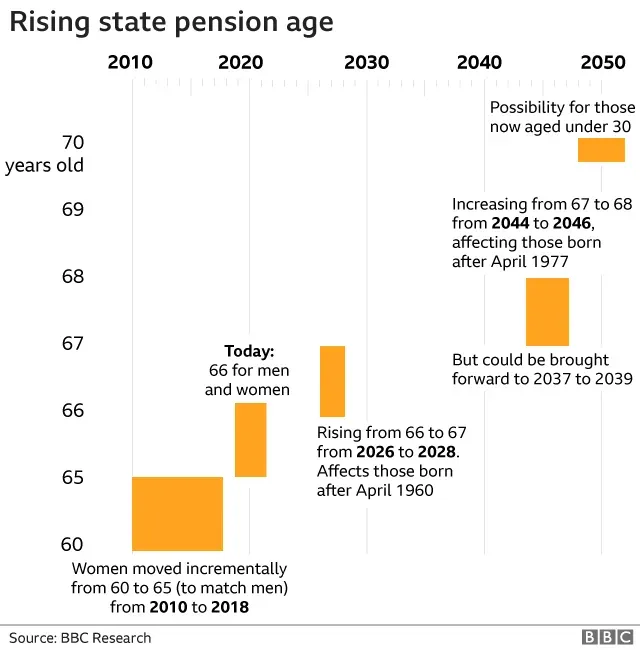
The changes to the State Pension age are one of the most significant aspects of retirement planning in 2023. As of this year, both men and women will reach State Pension age at 66, which is an important shift from previous policies. For many individuals nearing retirement, understanding this gradual increase is critical, as it directly influences when they can start receiving their State Pension benefits. For those born after 1960, there will be further adjustments as the State Pension age rises to 67 by 2028.
This gradual change in State Pension age means that future retirees must be proactive in their planning to mitigate any potential financial gaps. Individuals must consider how this timing aligns with their personal retirement plans, including the possibility of needing to work longer than initially expected. For some, this might mean adjusting their savings strategy or exploring alternative income sources to ensure financial security during retirement.
Impact of State Pension Increase on Retirement Planning
The State Pension increase in April 2023 is a crucial aspect of retirement planning for many in the UK. With the latest adjustments, pensioners can expect a rise in their weekly payment, which is essential for many facing rising living costs. This type of increase provides a buffer against inflation, allowing retirees to maintain their quality of life in their later years. The fact that the increase is tied to the triple lock policy ensures that this rise isn’t merely nominal but reflects real economic conditions.
For those planning their retirement finances, utilizing the updated State Pension amount in budgeting becomes essential. Knowing the new weekly amount can substantially aid in forecasting total retirement income, especially when combined with other sources such as personal savings and workplace pensions. It highlights the need for comprehensive financial planning that incorporates both state benefits and personal contributions to create a sustainable retirement income.
Navigating National Insurance Contributions for Retirement
National Insurance contributions play a vital role in determining the amount individuals receive from their State Pension. In 2023, it’s more important than ever for workers to keep track of their contributions throughout their careers. Significant changes effective this year mean that having a complete and accurate contribution record is essential to securing a full New State Pension payout. Gaps in contributions could lead to reduced benefits, making it necessary for individuals to check their records regularly.
For those who find discrepancies or gaps, it’s advisable to consider making voluntary contributions to bolster their National Insurance record. This proactive approach can significantly enhance future pension entitlements and ensure a financially secure retirement. Many online resources can help individuals understand their contribution status and provide guidance on how to fill any gaps, which is a crucial step in effective UK retirement planning.
Planning for Your Retirement: Strategies for Success
With the ongoing changes to the State Pension and retirement planning landscape, developing a solid strategy for your retirement is paramount. Start by assessing your current financial situation, including other pension schemes you may participate in, like workplace or personal pensions. Coordinating these different income streams with your State Pension can lead to a more secure financial future.
Moreover, it’s essential to stay informed about potential changes in legislation or pension policies affecting State Pensions moving forward. Joining community workshops or consulting financial advisory services can provide valuable insights into optimizing your retirement plan. Awareness and education are powerful tools in ensuring that you are well-prepared for whatever future adjustments may arise.
Staying Informed About Future State Pension Changes
Keeping abreast of potential changes to the State Pension in the coming years is crucial for anyone planning their retirement. As policies evolve, especially with discussions about retirement age and pensions linked to economic conditions, staying informed can help you make timely and effective decisions regarding your financial future. Regularly checking reputable sources such as government updates and financial news can provide insights on how possible legislative changes may affect your pension entitlements.
For retirees and those nearing retirement, understanding these potential changes equips individuals with the knowledge necessary to adapt their retirement plans accordingly. Monitoring these developments enables proactive adjustments that can ultimately lead to improved financial security in retirement, ensuring pensions remain adequate amid shifting economic landscapes.
Frequently Asked Questions
What are the key UK State Pension changes in 2023?
In 2023, the UK State Pension has seen significant changes, including an increase in the State Pension amount based on inflation due to the triple lock policy, and a gradual rise in the State Pension age to 66 for both men and women. Additionally, the transition to the New State Pension continues for those reaching State Pension age after April 6, 2016.
How does the 2023 State Pension increase affect retirees?
The 2023 State Pension increase is designed to help retirees cope with the rising cost of living, as it is pegged to inflation under the triple lock policy. This means that pensioners will receive a higher amount in April 2023, positively impacting their financial security in retirement.
What is the current State Pension age in 2023 and what changes are planned?
As of 2023, the State Pension age in the UK is 66 years for both men and women. Looking ahead, it is planned to increase to 67 by 2028, which is essential for individuals to consider in their retirement planning.
How can I check my National Insurance contributions related to the UK State Pension?
You can review your National Insurance contributions by accessing your personal tax account on the HMRC website. Regularly checking your contributions is important to ensure you qualify for the correct State Pension amount.
What should I do if I have gaps in my National Insurance contributions for the State Pension?
If you discover gaps in your National Insurance contributions, you may want to consider making voluntary contributions. This can help increase your entitlement to the New State Pension, and you can consult with financial advisors for tailored advice.
Where can I find helpful resources for UK retirement planning in 2023?
There are several online resources available for UK retirement planning in 2023. Websites like MoneyHelper and Age UK provide valuable tools, calculators, and guides to help individuals understand their pensions and prepare for retirement effectively.
| Key Aspect | Details |
|---|---|
| State Pension Amount Increase | The State Pension amount increased in April 2023, linked to inflation rates according to the triple lock policy. |
| Changes to State Pension Age | The State Pension age is now 66 for both genders, set to rise to 67 by 2028. |
| Transition to New State Pension | The transition continues; those reaching State Pension age after April 6, 2016, qualify for the New State Pension. |
| Human Resource Tools | Use the Government’s Pension Calculator to estimate future payments and evaluate your National Insurance contributions. |
| Financial Planning | Consider additional pension schemes and seek professional financial advice for tailored retirement strategies. |
Summary
The UK State Pension changes in 2023 introduce vital adjustments that individuals must understand to navigate their financial futures effectively. With an increase in the State Pension amount, changes to the age of eligibility, and ongoing transitions to the New State Pension, current and future retirees need to reassess their retirement plans. It’s crucial to utilize available resources, including the State Pension calculator and to stay updated on any future changes that could affect your entitlements. By preparing adequately and seeking assistance when needed, you will ensure a more secure retirement.