Listen to this article
Loan interest rates UK have a significant impact on your financial journey, influencing everything from mortgage repayments to personal loan decisions. Understanding these rates is essential for anyone considering borrowing, yet many fall victim to common misconceptions that can lead to poor financial choices. This guide delves into the truth about loan interest rates, dispelling myths that can cloud judgment and hinder your borrowing experience. It’s crucial to recognize how various factors, such as credit scores and loan types, affect the interest rates you may encounter when seeking UK loans. By becoming informed, you empower yourself to navigate the lending landscape effectively and secure favorable mortgage rates or personal loans.
When exploring the landscape of borrowing in the UK, it’s vital to consider various financing options and their associated costs. Interest rates are not just numbers; they represent the cost of borrowing money and significantly influence your monthly repayments and overall financial health. Unfortunately, many first-time borrowers are often misled by loan myths, assuming that all lenders offer similar terms or that higher income guarantees lower rates. Understanding the nuances of loan terms and the implications of bad credit loans can shape your approach to securing needed funds. With the right knowledge, you can make informed decisions that optimize your borrowing experience and financial future.
Understanding the Variability of Loan Interest Rates in the UK
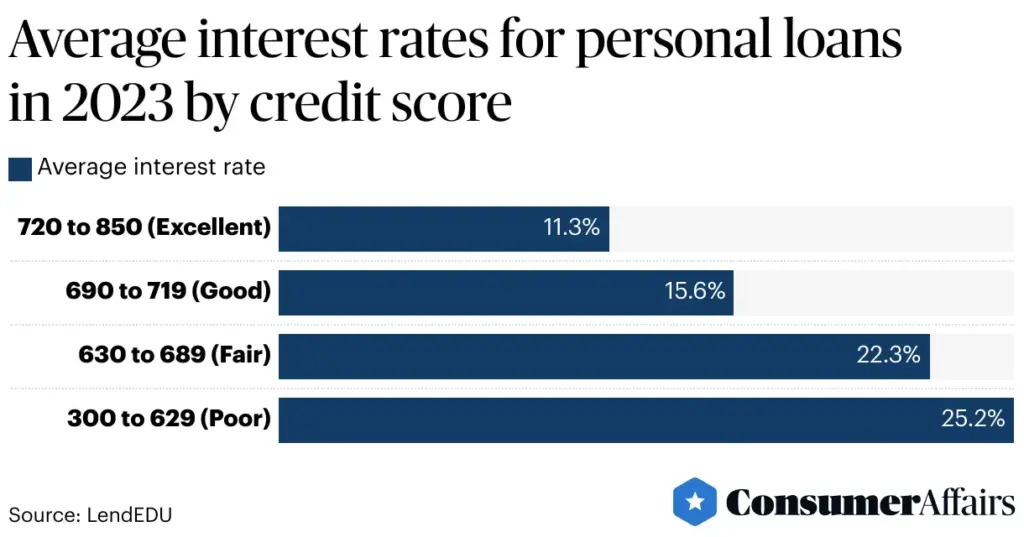
When considering a loan, one must first acknowledge that loan interest rates in the UK are not uniform across all lenders. Numerous factors contribute to the differences in rates, including the lender’s policies, the type of loan being offered, and the borrower’s creditworthiness. For example, a borrower with an exemplary credit score might receive significantly lower rates compared to someone with a poor credit history. Therefore, it is paramount for potential borrowers to shop around, assess their financial standing, and consider obtaining pre-approval from multiple lenders to find the most favorable terms available.
Additionally, economic conditions influence the interest rates set by lenders. Factors such as inflation, the Bank of England’s base rate, and current economic stability play essential roles in determining the cost of borrowing. During times of economic uncertainty, some lenders might increase their interest rates to mitigate risk, while competitive lenders may lower their rates to attract more customers. It is crucial for borrowers to stay informed about these trends and how they may impact loan offers.
Debunking the Myth of ‘Lower Rates Always Being Better’
One prevalent misconception among borrowers is that a lower interest rate is synonymous with a better loan deal. While it is true that a lower rate can reduce regular payments, it does not tell the whole story. Some lenders may entice borrowers with what appears to be low rates, yet these offers could come with hidden fees, high origination costs, or strict penalties for early repayment. Analyzing the total cost of a loan, including all fees and charges, is vital when comparing loan offers.
Moreover, a loan with a tempting low rate may also compromise flexibility and customer service. Some lenders offering low rates might not provide options for later adjustments or repayment plans suited to the borrower’s changing financial circumstance. As such, evaluating the overall loan package and the lender’s reputation can result in better long-term financial health than solely chasing the lowest interest rate.
The Impact of Income on Interest Rate Offers
Another common misconception is that a high income guarantees a better interest rate for loans. While having a substantial income can enhance one’s financial profile and increase approval likelihood, it does not automatically entitle borrowers to the lowest interest rates. Lenders consider various factors when assessing an application, with credit history, existing debts, and overall financial stability often holding more weight than income alone.
Even high-income earners may find themselves facing higher rates if their credit history reveals missed payments or high levels of existing debt. Therefore, borrowers should understand that while income is an important factor, it must be viewed alongside other critical aspects of their financial situation when evaluating loan options.
Myths Surrounding Loan Negotiation Tactics
A prevalent belief among borrowers is that the interest rates they are offered are non-negotiable. However, this is a misconception that can cost borrowers significantly over time. Many lenders are open to negotiation, especially if you have demonstrated good creditworthiness or if you present a competitive offer from another institution. Leveraging this information can sometimes help secure a more favorable rate.
Moreover, borrowers with a history of responsible repayment and a stable income may find themselves in a strong position to negotiate. Being proactive, conducting thorough research, and being prepared to discuss your financial strengths with potential lenders can lead to better interest rates and loan terms.
Why Checking Your Credit Score Matters
Another critical myth regarding loans is the notion that checking one’s credit score before applying is unnecessary. In reality, understanding your credit score is essential for negotiating the best interest rates and terms for loans. A strong credit score signals to lenders that you are a low-risk borrower, which can enhance your negotiating position.
Additionally, borrowers can greatly benefit from checking their credit report for discrepancies or negative entries before applying for a loan. Taking proactive measures to improve a credit score—such as paying off existing debts, ensuring timely payments, and correcting errors—will increase the chance of qualifying for loans with more favorable terms. Thus, maintaining a healthy credit score is key to accessing better financial opportunities.
The Importance of Loan Terms in Relation to Interest Rates
There is a common assumption that the length of the loan term does not influence interest rates; however, this is far from the truth. Generally, shorter loan terms often come with lower interest rates because they pose less risk to lenders. Borrowers can save significantly in interest payments by choosing a shorter term, despite potentially higher monthly payments.
On the other hand, extended loan terms tend to have higher rates and can lead to greater overall interest payment. While they allow for lower monthly repayments, borrowers should be aware of the total cost involved over the loan’s life. Understanding these intricacies can empower borrowers to align their loan choice with their long-term financial goals, thus making informed decisions.
Frequently Asked Questions
What are the average loan interest rates in the UK and how do they vary?
Average loan interest rates in the UK can vary widely depending on several factors, including the type of loan (personal loans, mortgages, etc.), the lender, and your credit score. As of recent data, mortgage rates can range from around 1.5% to over 4%, while personal loan rates start from about 3% but can go higher for those with poor credit.
How do fixed and variable loan interest rates differ in the UK?
In the UK, fixed loan interest rates remain constant throughout the loan term, providing stability in repayments. In contrast, variable rates can fluctuate based on market conditions or the Bank of England’s base rate, potentially leading to changing monthly payments. Understanding these differences is crucial for borrowers when selecting a loan.
Are there specific interest rates for bad credit loans in the UK?
Yes, bad credit loans in the UK typically come with higher interest rates compared to standard loans, as lenders perceive them as higher risk. While some lenders specialize in offering loans to individuals with bad credit, it’s essential to compare rates and terms carefully, as these can vary significantly.
Can I negotiate my loan interest rates with UK lenders?
Yes, negotiating loan interest rates is often possible in the UK. If you have a competitive offer from another lender or a strong credit history, you can leverage this information to negotiate a better rate with your chosen lender. Always ask, as many lenders are willing to discuss rate options.
Do loan terms affect interest rates in the UK?
Absolutely. In the UK, shorter loan terms typically attract lower interest rates since the lender’s risk is reduced over a shorter period. Conversely, longer loan terms might offer lower monthly payments but can result in higher total interest paid over the life of the loan, making it essential to consider the term length when applying.
What is the impact of my credit score on loan interest rates in the UK?
Your credit score significantly impacts the loan interest rates available to you in the UK. A higher credit score demonstrates creditworthiness, which can qualify you for lower interest rates and better loan conditions. Regularly checking and improving your credit score can enhance your borrowing options.
| Myth | Reality |
|---|---|
| All lenders offer the same interest rates | Interest rates vary significantly based on factors like creditworthiness and loan type. |
| A lower interest rate is always better | A lower rate may be offset by higher fees, so evaluate the full loan package. |
| Interest rates are fixed for the duration of the loan | There are fixed and variable rates; the latter can fluctuate over time. |
| Bad credit means you can’t get a loan | Bad credit may limit options, but loans are still accessible, often at higher rates. |
| Higher income guarantees better interest rates | Income helps but doesn’t guarantee lower rates; credit history is vital. |
| Home loans and personal loans have the same rates | Home loans generally have lower rates due to being secured, unlike personal loans. |
| You can’t negotiate loan interest rates | Rates can often be negotiated, especially with competitive offers in hand. |
| Interest rates only affect how much you pay | They impact eligibility and repayment strategy, influencing loan amounts. |
| Loan terms don’t impact interest rates | Shorter terms typically have lower rates; longer terms can lead to higher total interest. |
| It’s pointless to check your credit score when applying for a loan | Your credit score is crucial for determining interest rates and terms offered. |
Summary
Loan interest rates in the UK can be complex and are often surrounded by myths that can mislead borrowers. Understanding the realities behind these rates is vital for anyone looking to secure favorable lending terms. By dispelling common misconceptions, individuals can navigate the lending landscape more effectively, compare offers wisely, and make informed decisions. Whether you are considering a mortgage or a personal loan, awareness of how factors like credit scores and loan terms impact rates will empower you to seek the best financial opportunities.